English
 русский
 عربى
عربى
Get in touch
Get in touch
Jul 31, 2026
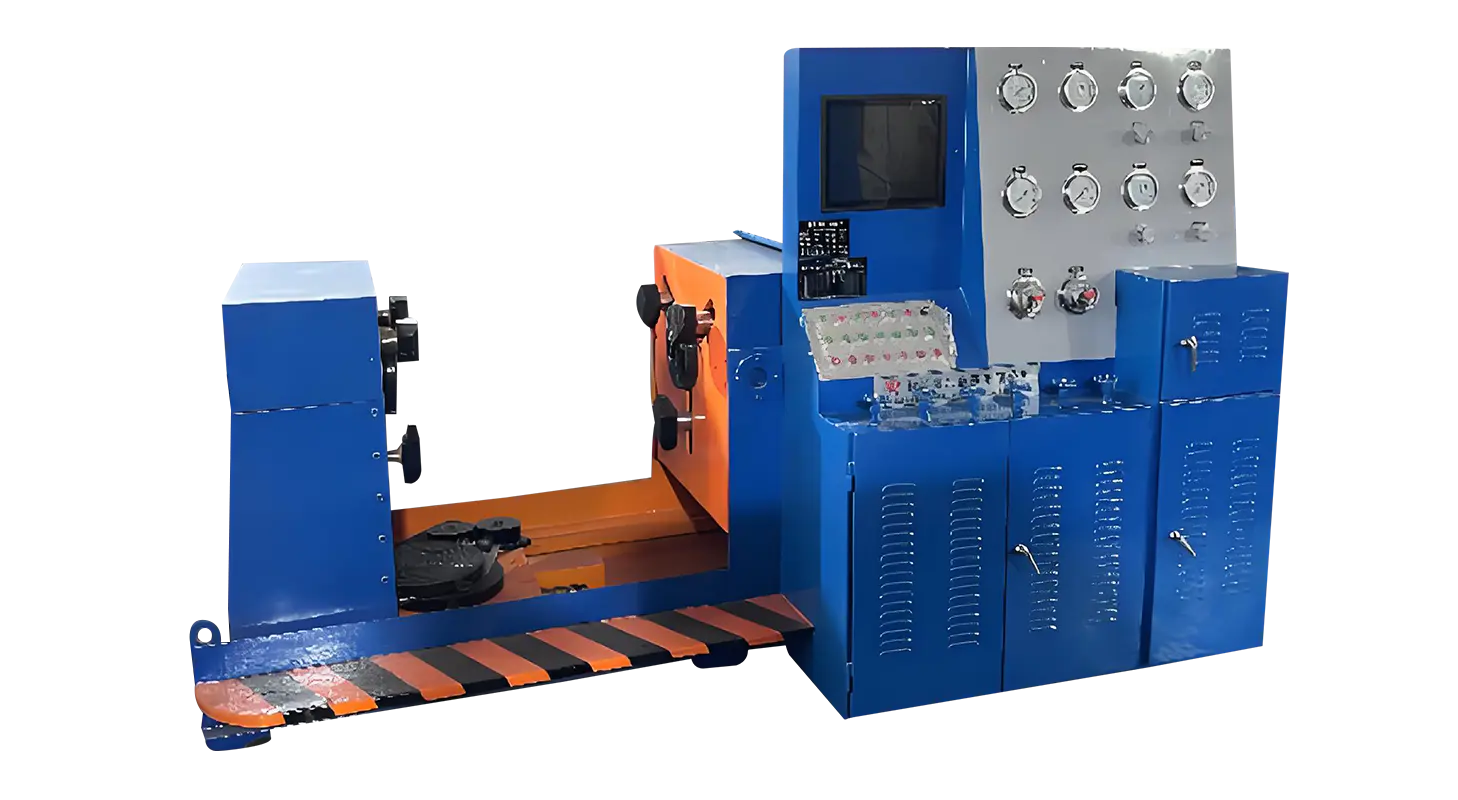
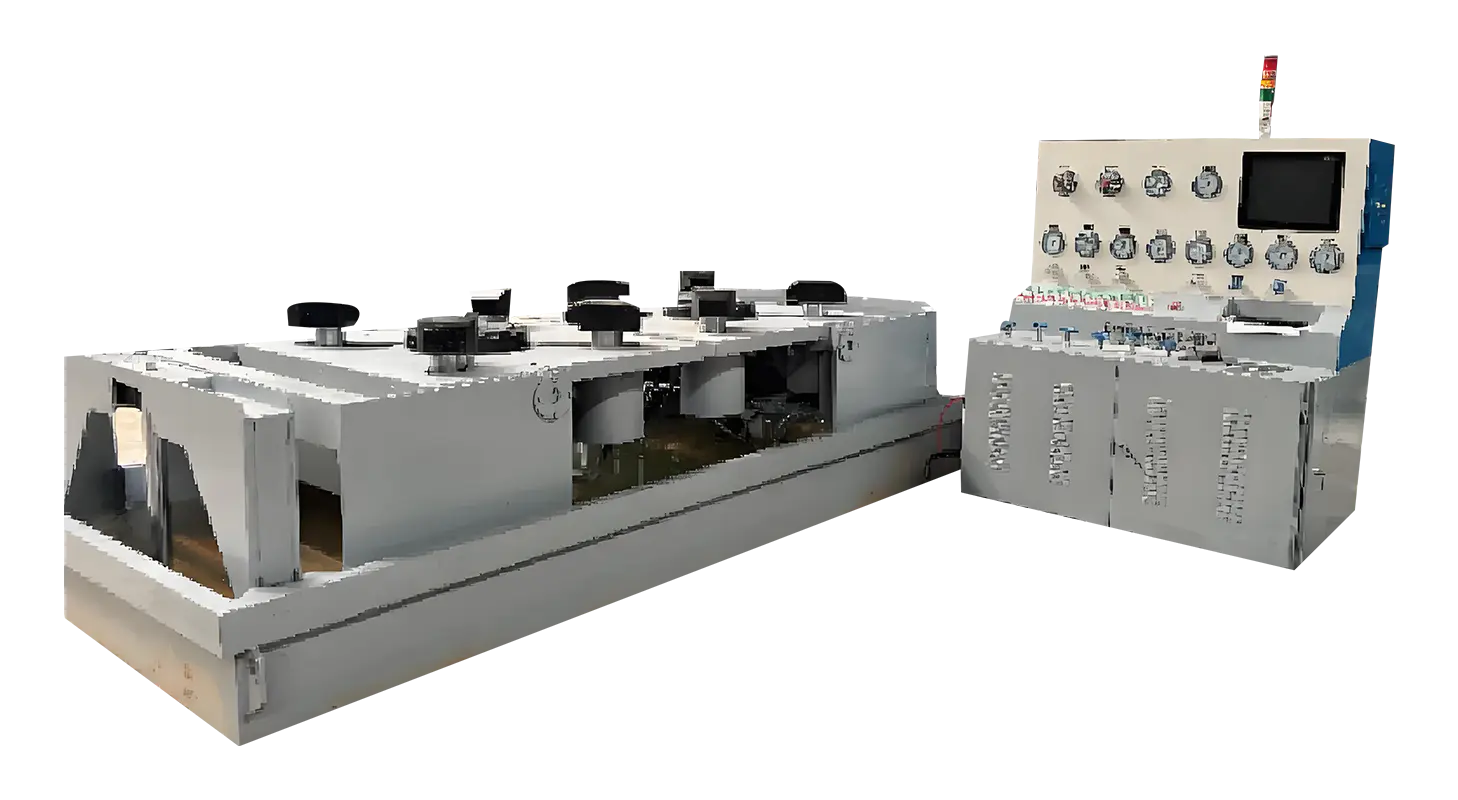
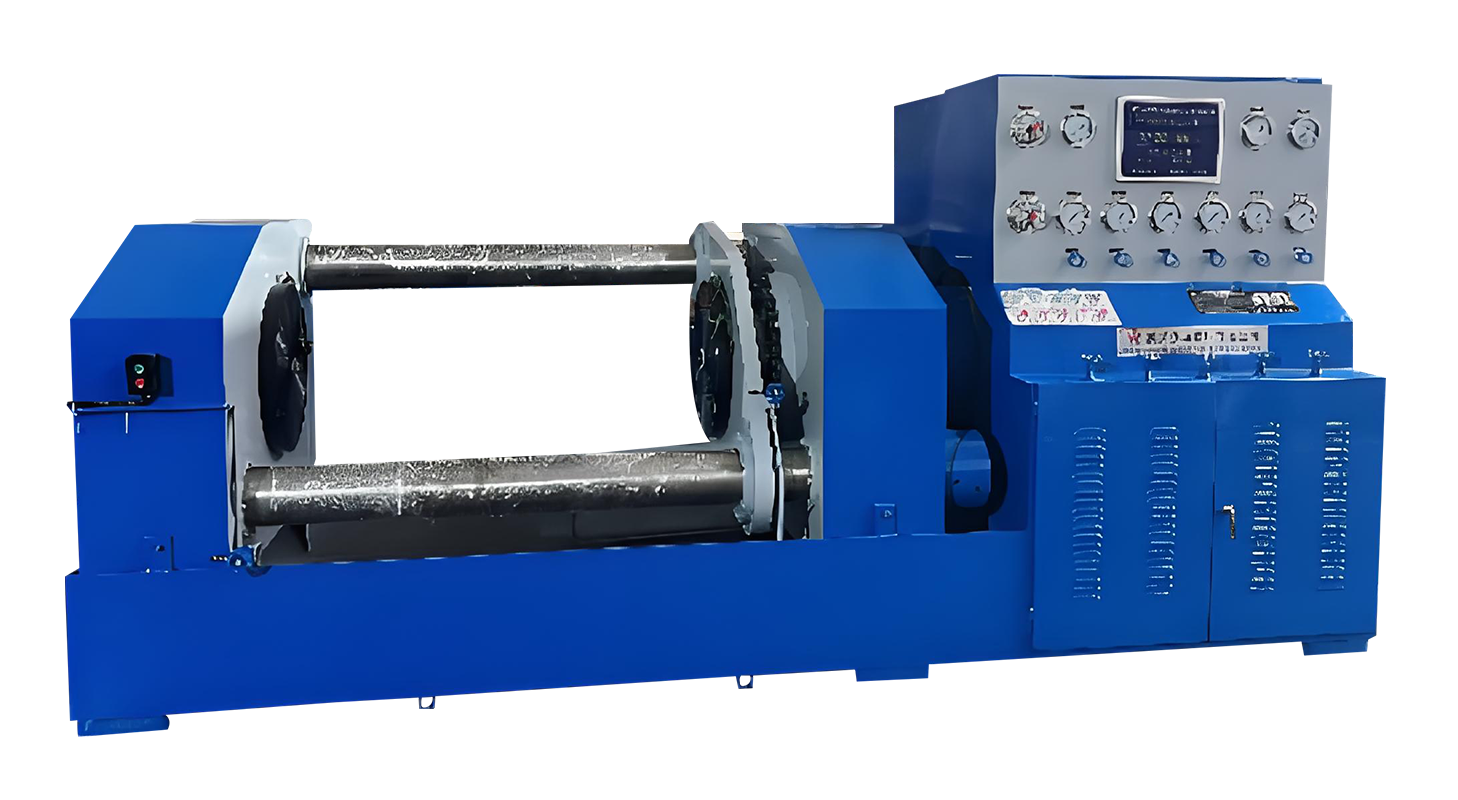
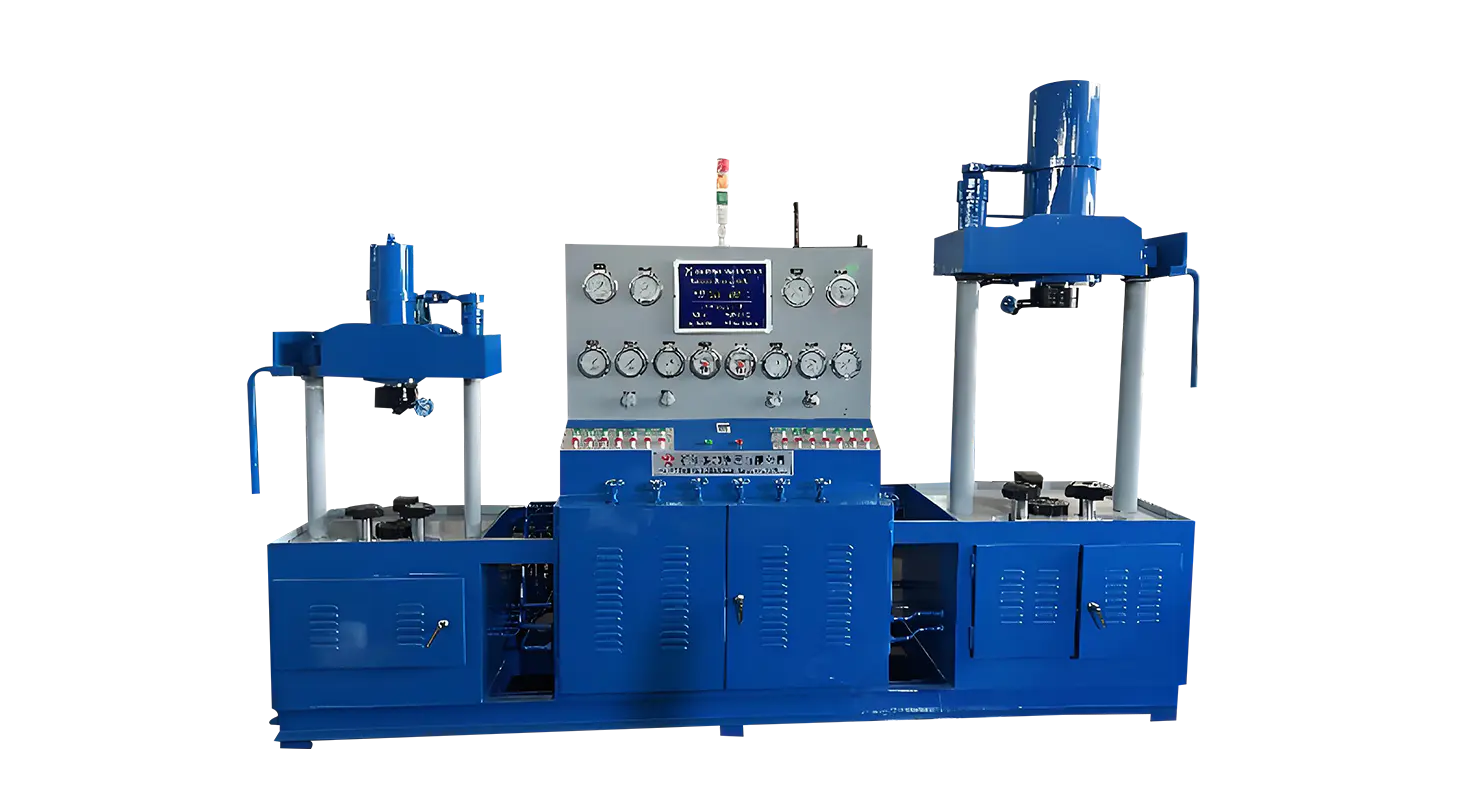
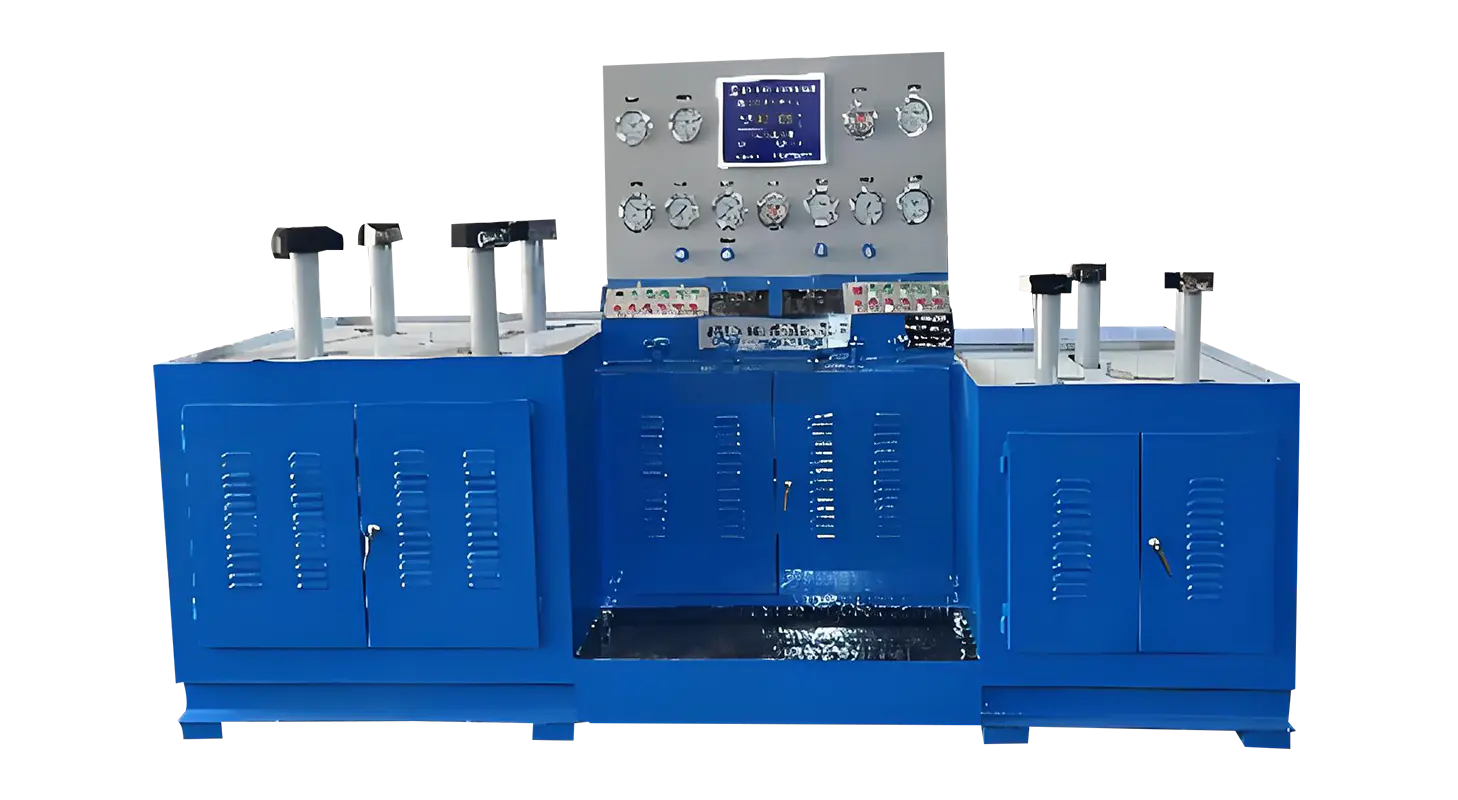
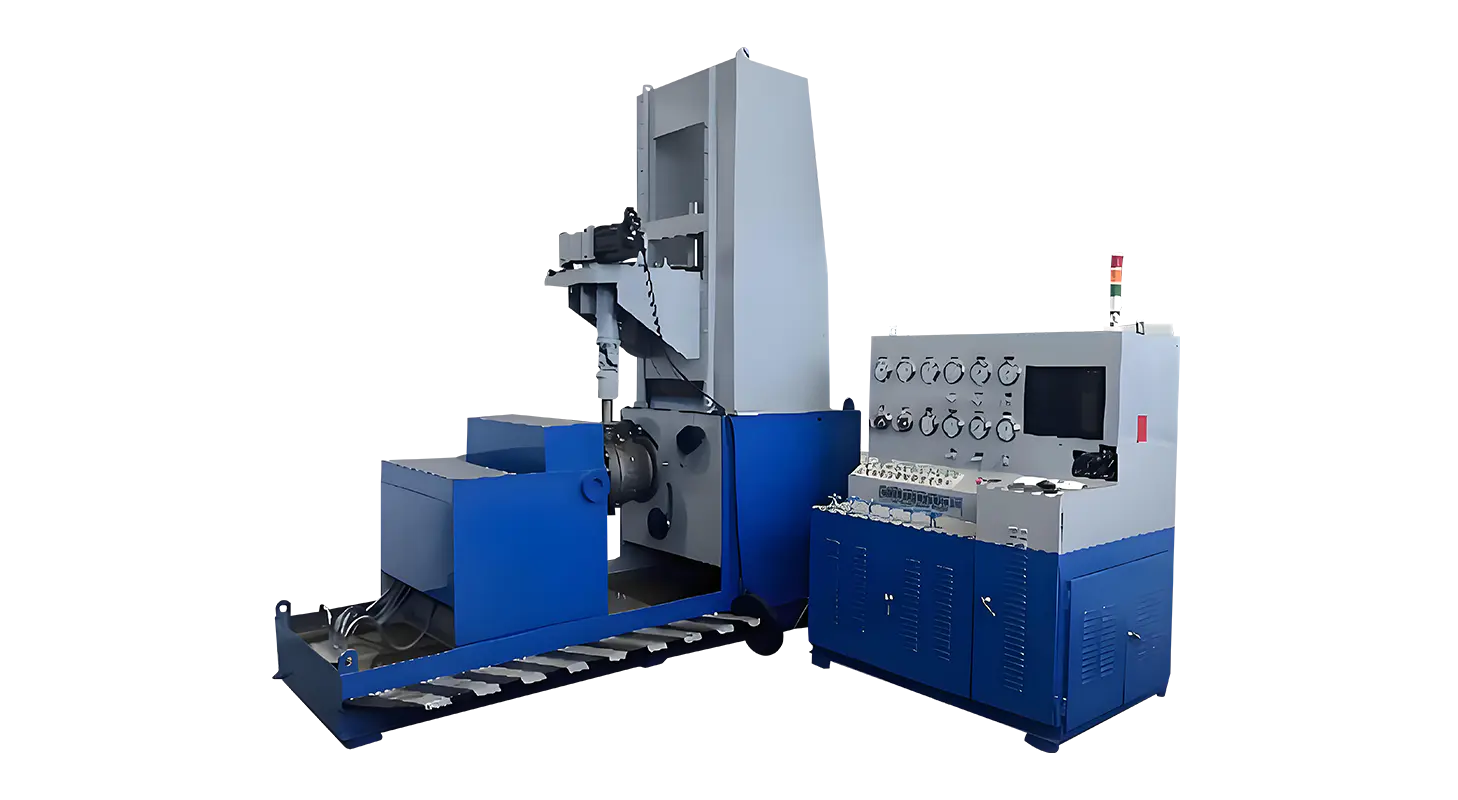
Global manufacturers are under constant pressure to shorten lead times while maintaining stable product quality. In hydraulic component production, testing is often viewed as the final inspection stage, but forward-thinking companies now treat it as an opportunity to improve the entire manufacturing process. As automation, digital quality management, and predictive maintenance become popular topics across industrial markets, investing in a reliable Hydraulic Valve Test Bench is increasingly seen as a strategic decision rather than simply a production expense. As a manufacturer of hydraulic testing equipment, we help customers create testing solutions that improve efficiency, consistency, and long-term production reliability.
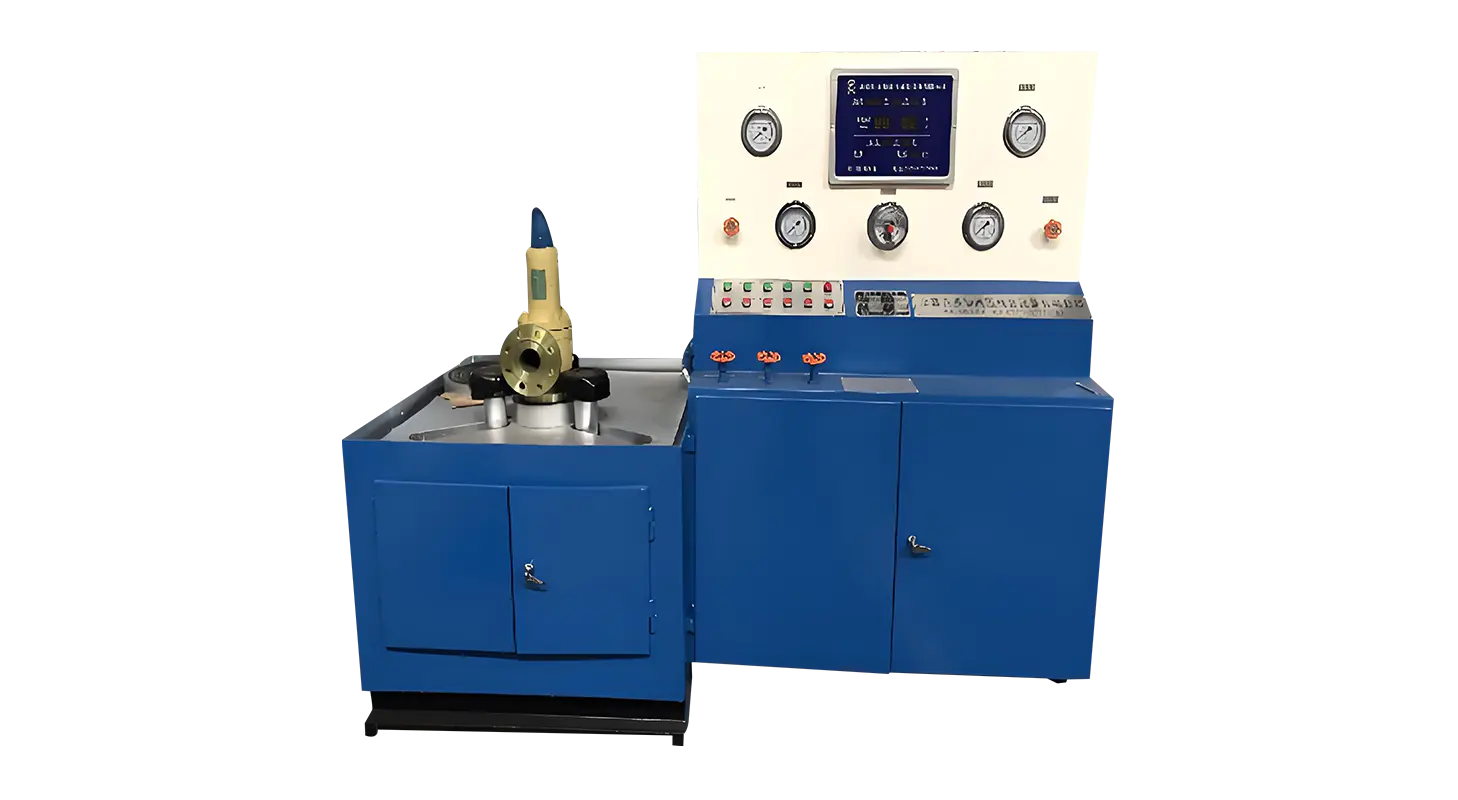
Many factories invest heavily in CNC machining, assembly automation, and lean manufacturing but continue using outdated valve testing procedures.
When testing depends on manual adjustments or inconsistent operating methods, manufacturers may experience:
Modern testing equipment helps eliminate these inefficiencies by creating standardized inspection procedures that can be repeated across every production batch.
Experienced technicians remain an important part of hydraulic manufacturing, but today's factories also require measurable testing records.
A professional Hydraulic Valve Test Bench captures critical operating parameters automatically, allowing production teams to compare product performance using objective data rather than individual judgment.
This approach supports:
Data-driven manufacturing also makes communication with international customers more transparent during technical discussions.
Hydraulic manufacturers rarely produce only one valve model.
As customers request customized hydraulic systems, factories need testing equipment that adapts to changing product designs without disrupting production.
Our Hydraulic Valve Test Bench solutions can be configured for various hydraulic components, including pressure valves, directional valves, flow control valves, proportional valves, cartridge valves, and integrated hydraulic assemblies.
Modular fixture design allows customers to expand testing capability as new products are introduced.
Purchasing testing equipment should be viewed as a technical partnership rather than a one-time transaction.
As a manufacturer, we work closely with customers throughout every project stage:
This engineering-focused approach helps customers integrate testing equipment more efficiently into existing production lines.
Across global manufacturing industries, digital transformation continues to reshape production management.
Many companies are integrating testing equipment with MES, ERP, or factory quality management systems to improve production visibility.
Future-ready testing equipment allows manufacturers to collect operational data, optimize maintenance schedules, and continuously improve manufacturing performance through long-term analysis.
For companies planning factory modernization, scalable testing equipment offers greater flexibility for future expansion.
Reliable testing equipment depends not only on hardware quality but also on engineering expertise and technical support.
When evaluating suppliers, buyers increasingly consider:
A supplier with strong engineering resources can often reduce implementation risks while supporting future product development.
Manufacturers seeking higher efficiency and more consistent quality are placing greater emphasis on intelligent testing solutions. A well-designed Hydraulic Valve Test Bench helps standardize inspection procedures, improve production traceability, and reduce unnecessary testing delays. As an experienced manufacturer, we remain committed to developing customized testing systems that align with modern hydraulic production requirements. Whether supporting OEM suppliers, industrial equipment manufacturers, or hydraulic component producers, investing in an advanced Hydraulic Valve Test Bench is an effective way to strengthen quality management, increase production confidence, and build lasting competitiveness in the global market.
Related Products
Contact us
Address
Sanqiao Industrial Zone, Oubei, Yongjia County, Zhejiang Province, China
Phone
+86-13676520568
Telephone number
+86-13676520568
Fax
products
Quick Links
QR CODE