English
 русский
 عربى
عربى
Get in touch
Get in touch
Jul 03, 2026
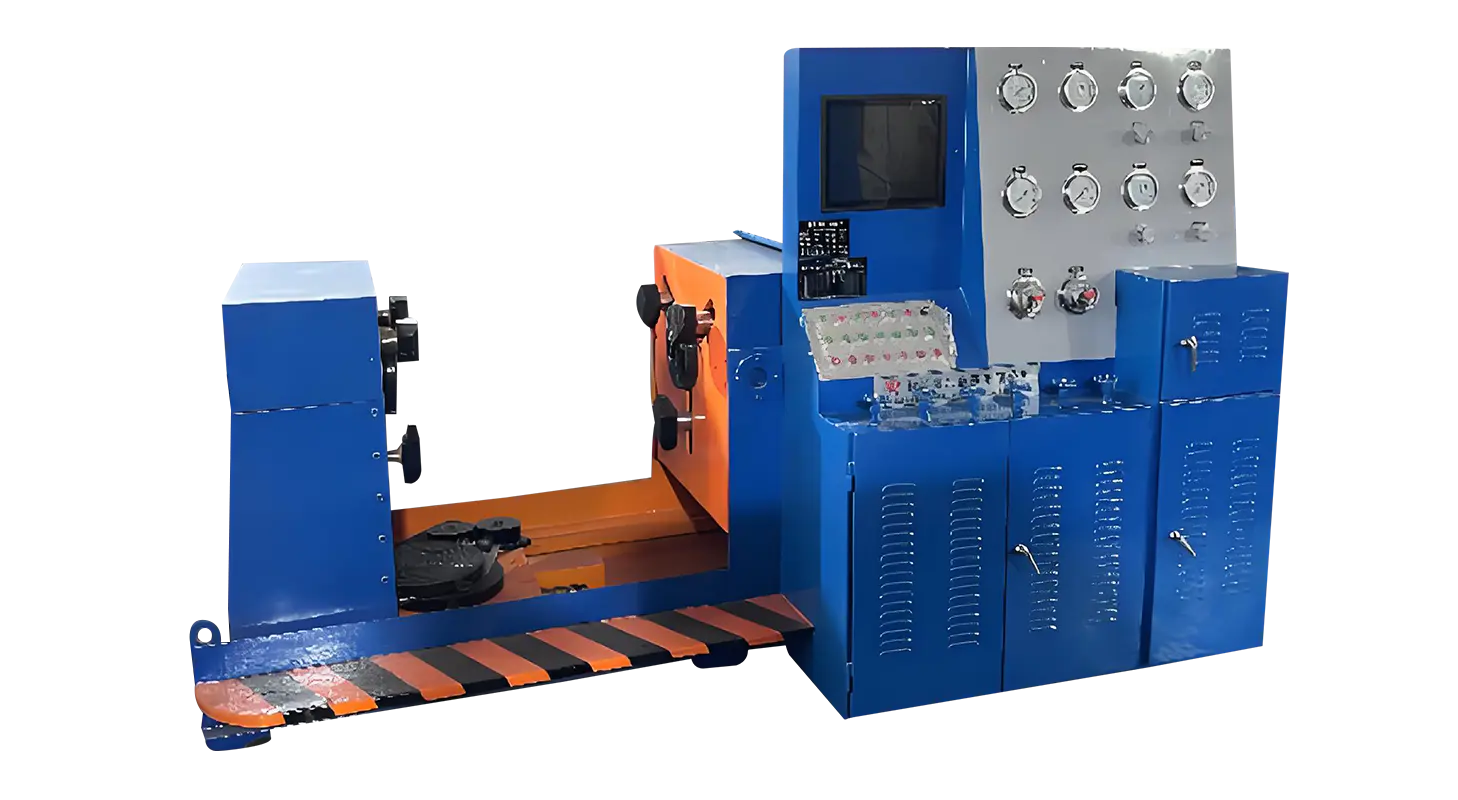
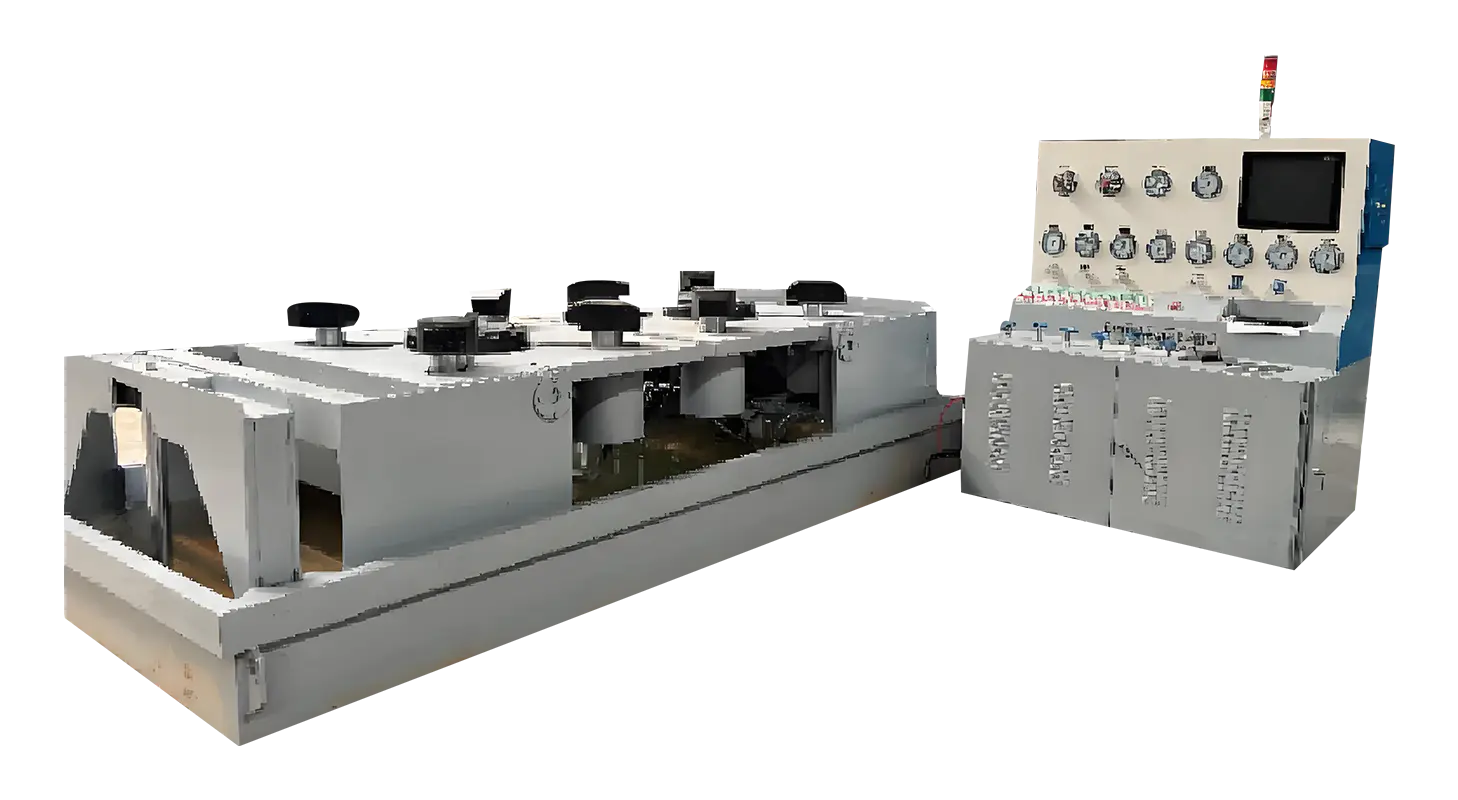
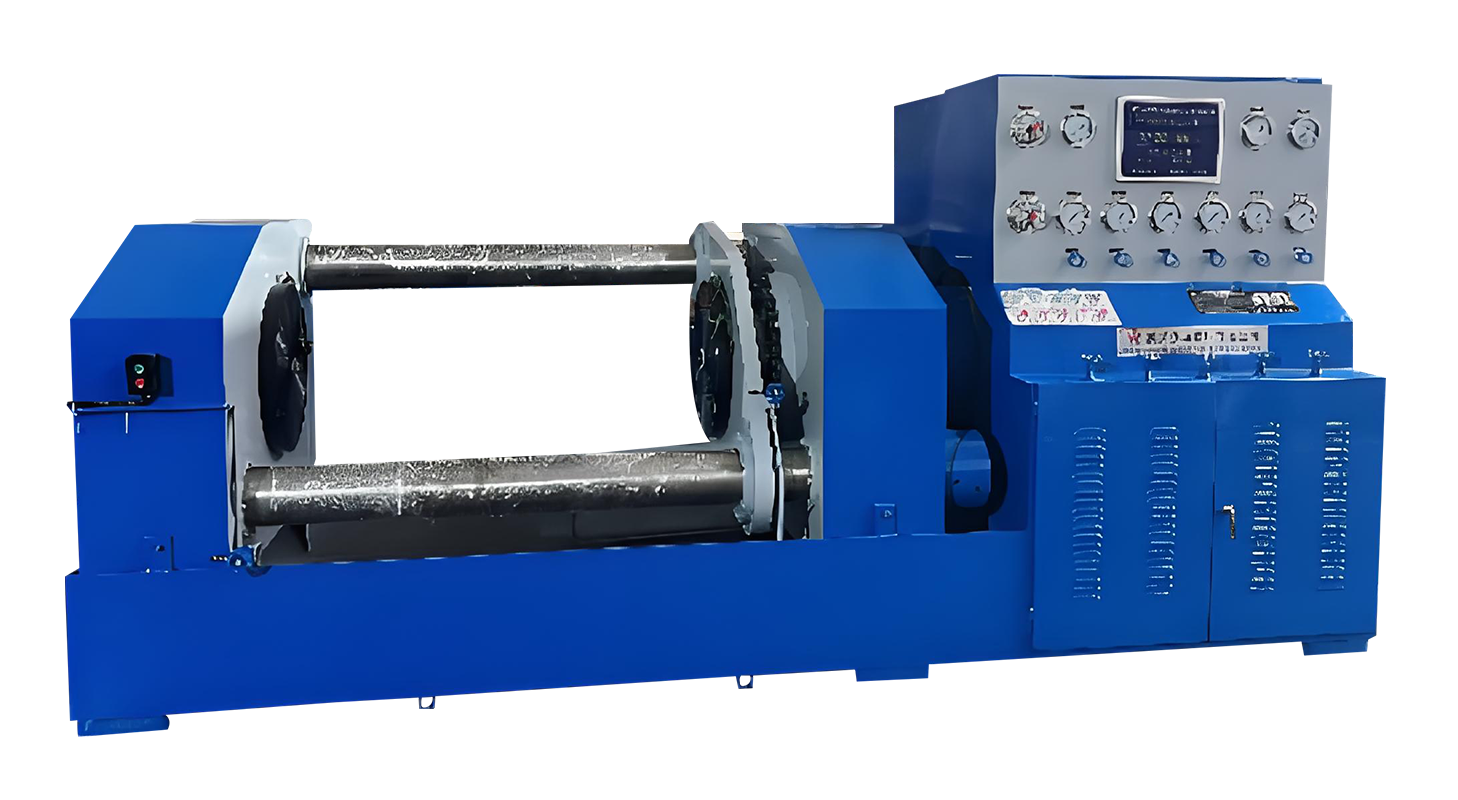
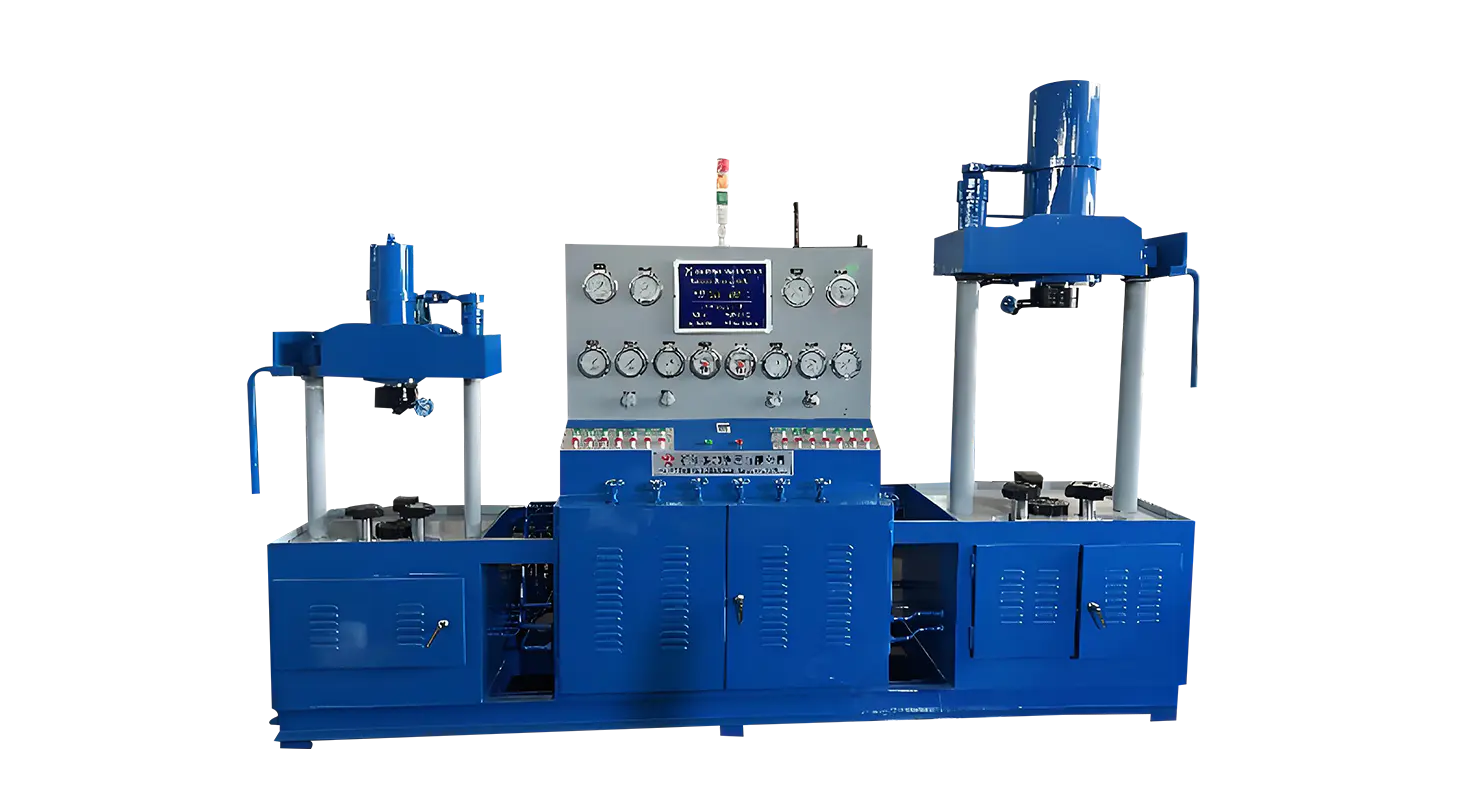
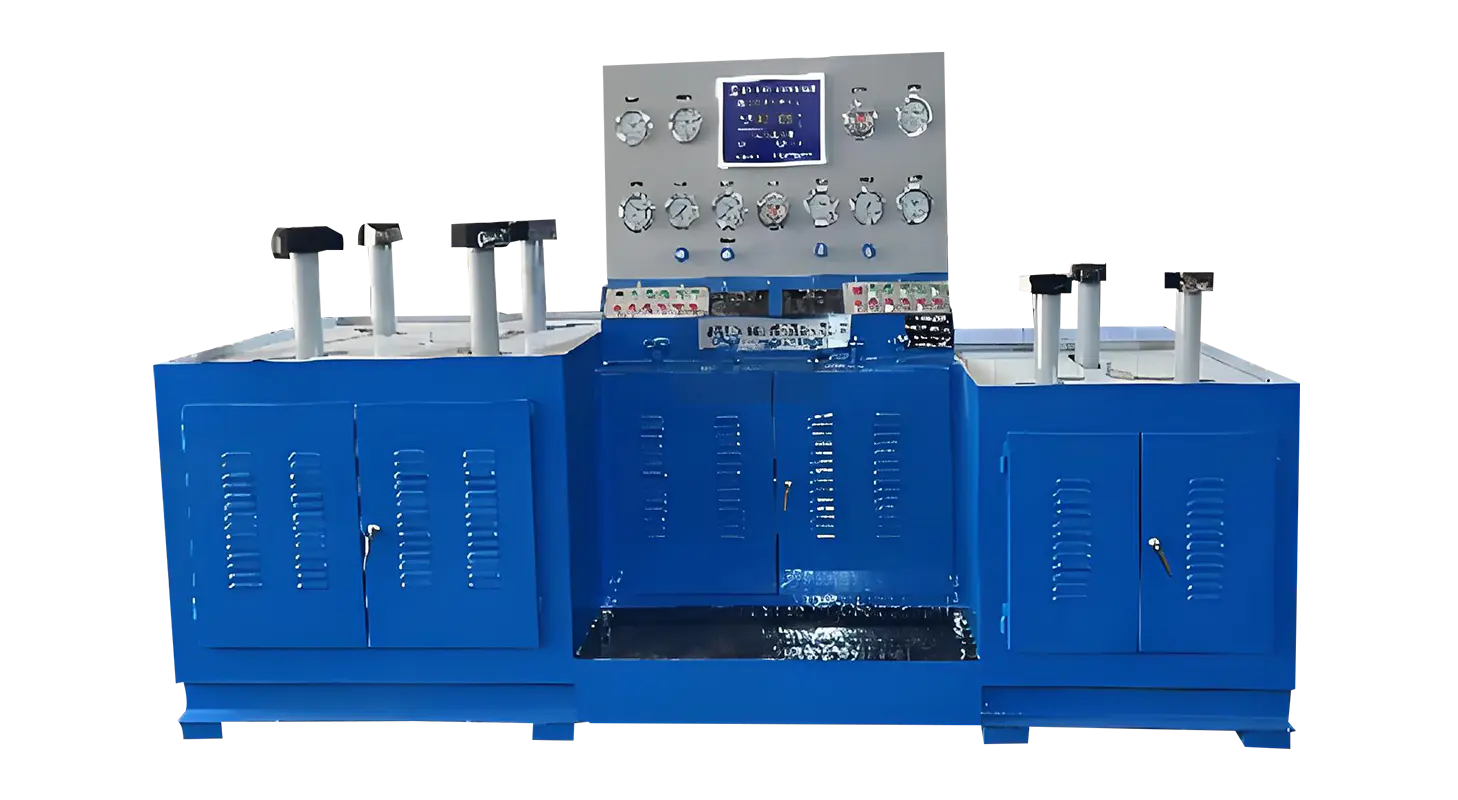
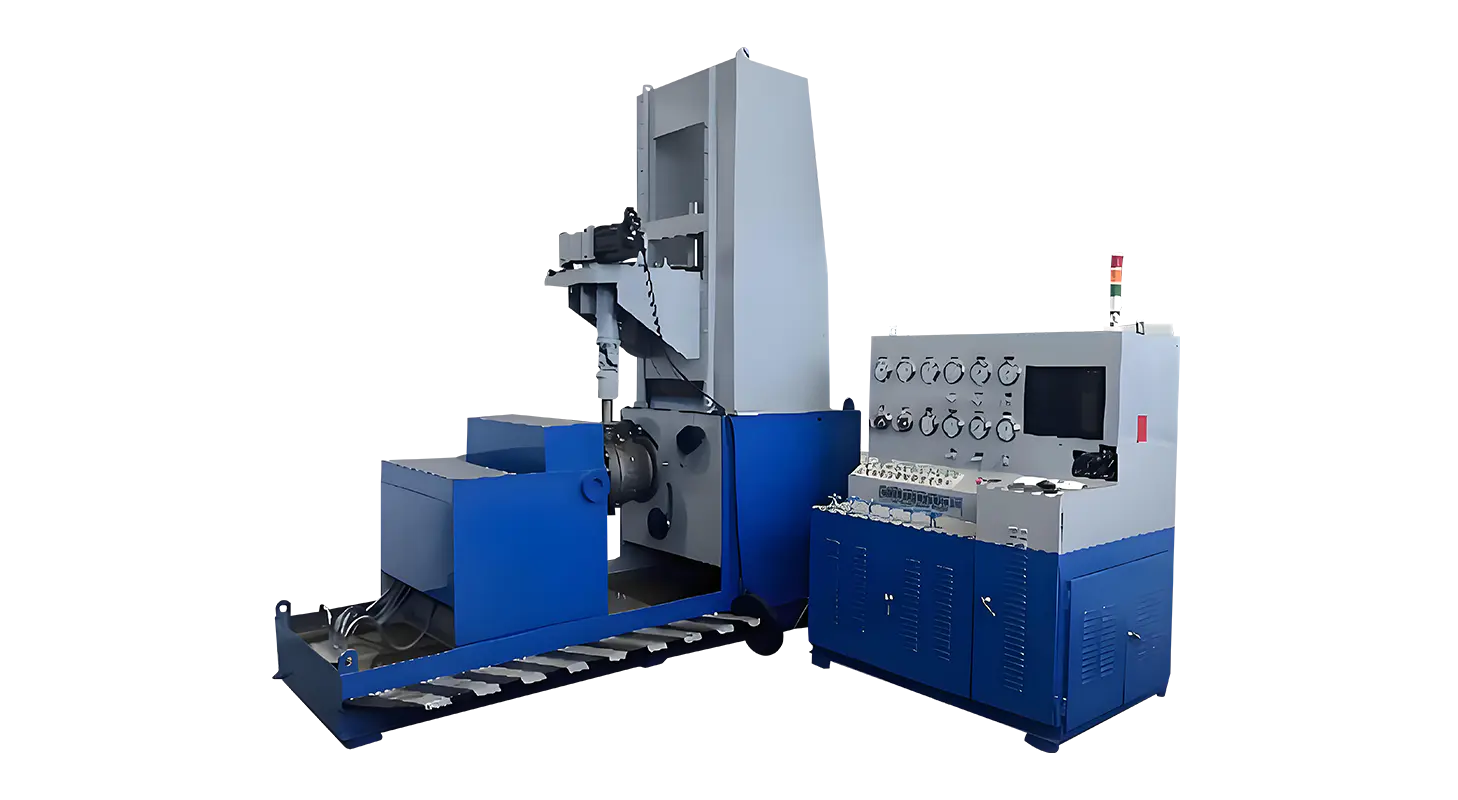
As global hydraulic equipment manufacturing moves toward higher safety standards, tighter performance tolerances, and more automated quality control processes, testing systems have become a critical part of production lines. A Hydraulic Valve Test Bench is increasingly searched by OEM factories, maintenance engineers, and industrial procurement teams looking to verify valve performance under real operating conditions before installation. Recent discussions across hydraulic engineering forums and industrial automation communities highlight growing interest in high-pressure hydraulic valve testing systems, digital pressure control test rigs, and multi-function valve leakage detection equipment. Buyers are no longer treating test benches as auxiliary tools—they are evaluating accuracy, pressure stability, data traceability, and compatibility with different valve types as core purchasing factors. As a manufacturer, we observe a clear shift toward intelligent hydraulic testing solutions that improve reliability and reduce system failure risks in downstream applications.
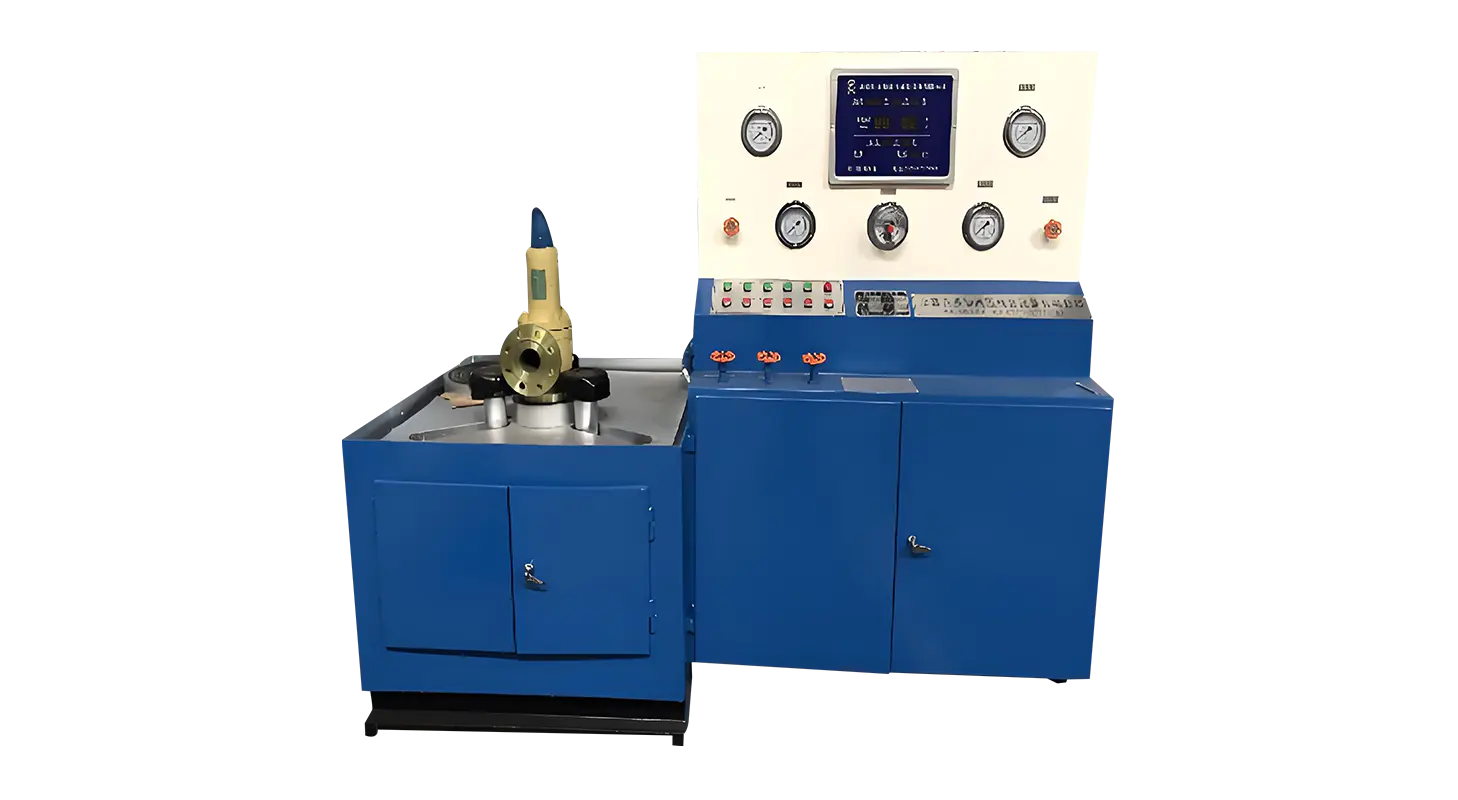
Across industries such as construction machinery, marine engineering, and energy systems, stricter safety regulations are increasing the need for reliable hydraulic component testing. Valves must undergo strict verification before deployment to ensure safe operation under high-pressure conditions.
This has made hydraulic testing systems a mandatory part of quality assurance workflows rather than optional equipment.
In hydraulic systems, even minor deviations in pressure measurement can lead to inaccurate test results and unreliable product validation. Engineers are therefore prioritizing systems with high-precision pressure control capabilities.
Key performance expectations include:
These factors directly influence product certification and operational safety.
Modern hydraulic testing equipment is increasingly integrated with digital control interfaces, allowing operators to manage complex testing procedures with greater precision and efficiency.
Typical digital system functions include:
These features significantly reduce manual intervention while improving consistency in test results.
One of the most important functions of hydraulic valve testing is leakage detection under varying pressure conditions. Even minor leakage can lead to system inefficiency or failure in real-world applications.
Manufacturers focus on improving:
Reliable leakage detection ensures product safety and long-term system performance.
Hydraulic valves come in a wide variety of designs and pressure ratings, making versatility an important requirement for test bench systems. Buyers increasingly prefer equipment that can handle multiple valve types without modification.
Common compatibility needs include:
This flexibility improves production efficiency and reduces equipment investment costs.
With increasing global demand for standardized manufacturing documentation, test data traceability has become essential. Manufacturers and suppliers must provide verifiable testing records for quality audits.
Modern systems typically include:
This supports transparent quality control processes across industrial supply chains.
For hydraulic equipment manufacturers and industrial maintenance providers, test bench reliability directly impacts product certification accuracy and operational safety. Equipment stability and measurement precision are essential for consistent quality control.
As a manufacturer, we focus on structural pressure stability design, sensor calibration accuracy, hydraulic circuit optimization, and long-term durability testing to ensure reliable performance under continuous industrial use. This ensures consistent validation results across different valve categories and production environments.
As hydraulic systems continue to evolve toward higher precision and stricter safety standards, selecting the right Hydraulic Valve Test Bench becomes a critical decision for manufacturing quality assurance. A well-engineered Hydraulic Valve Test Bench ensures accurate pressure validation, reliable leakage detection, and stable performance testing for modern hydraulic valve production systems.
Related Products
Contact us
Address
Sanqiao Industrial Zone, Oubei, Yongjia County, Zhejiang Province, China
Phone
+86-13676520568
Telephone number
+86-13676520568
Fax
products
Quick Links
QR CODE