English
 русский
 عربى
Get in touch
Nov 27, 2026
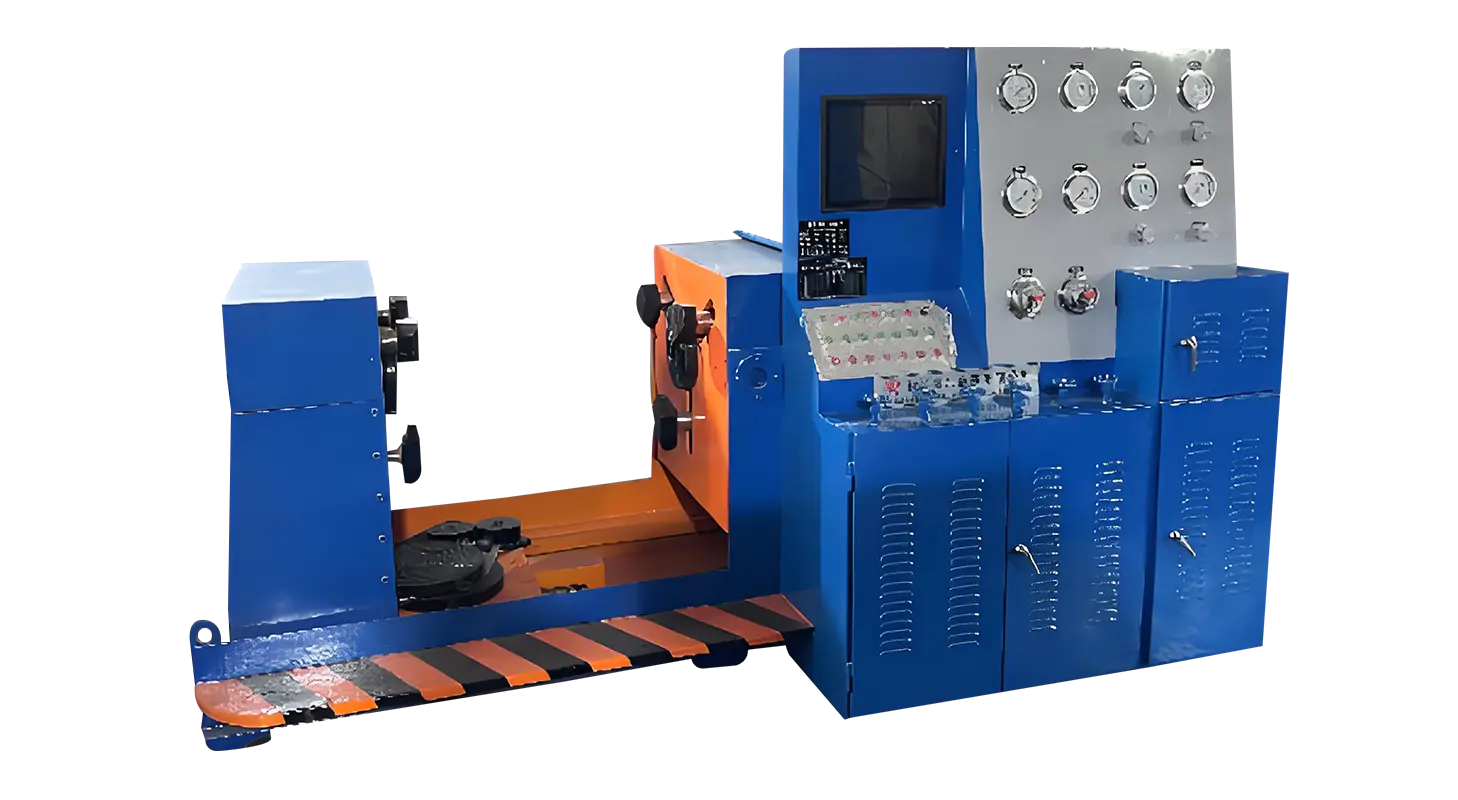
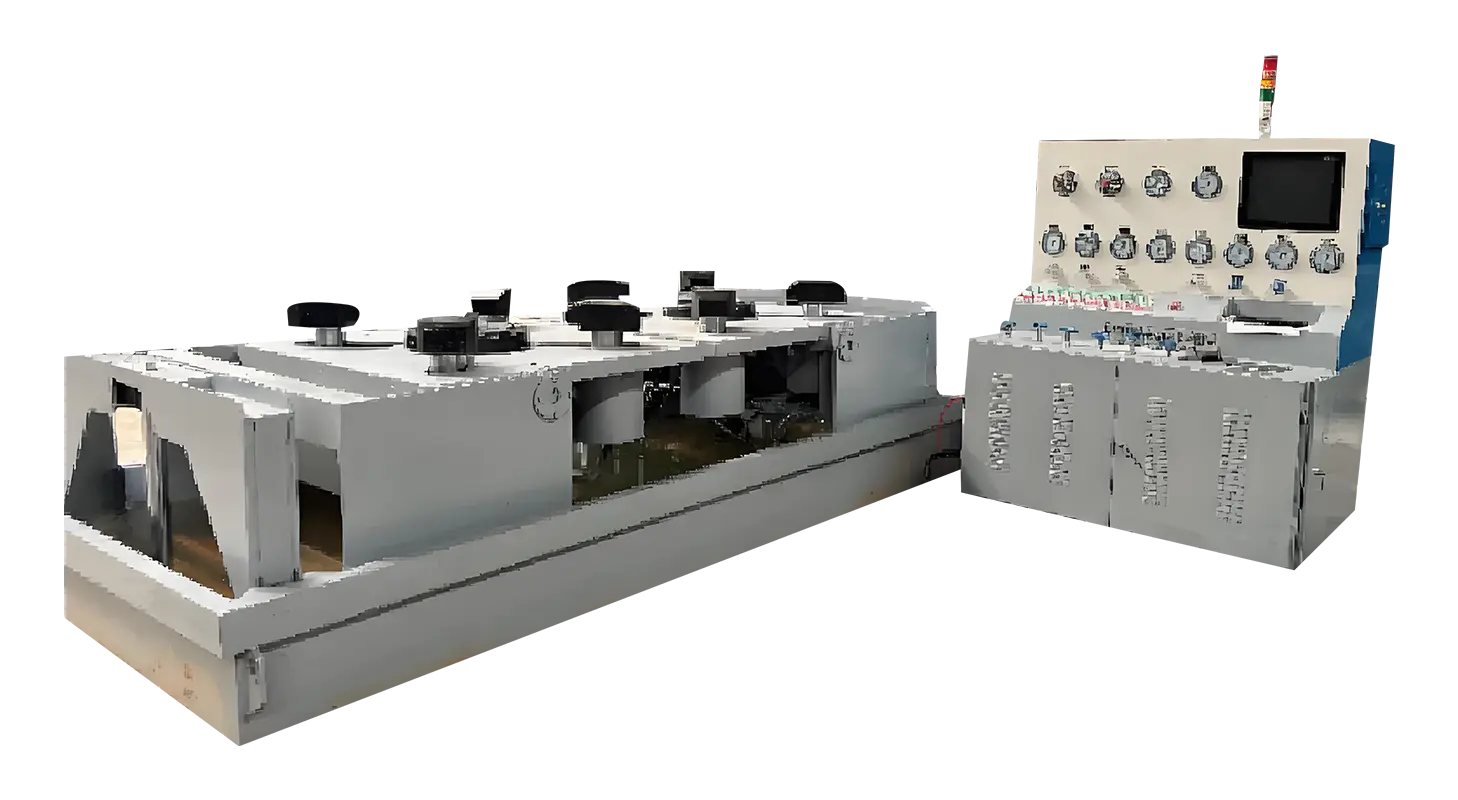
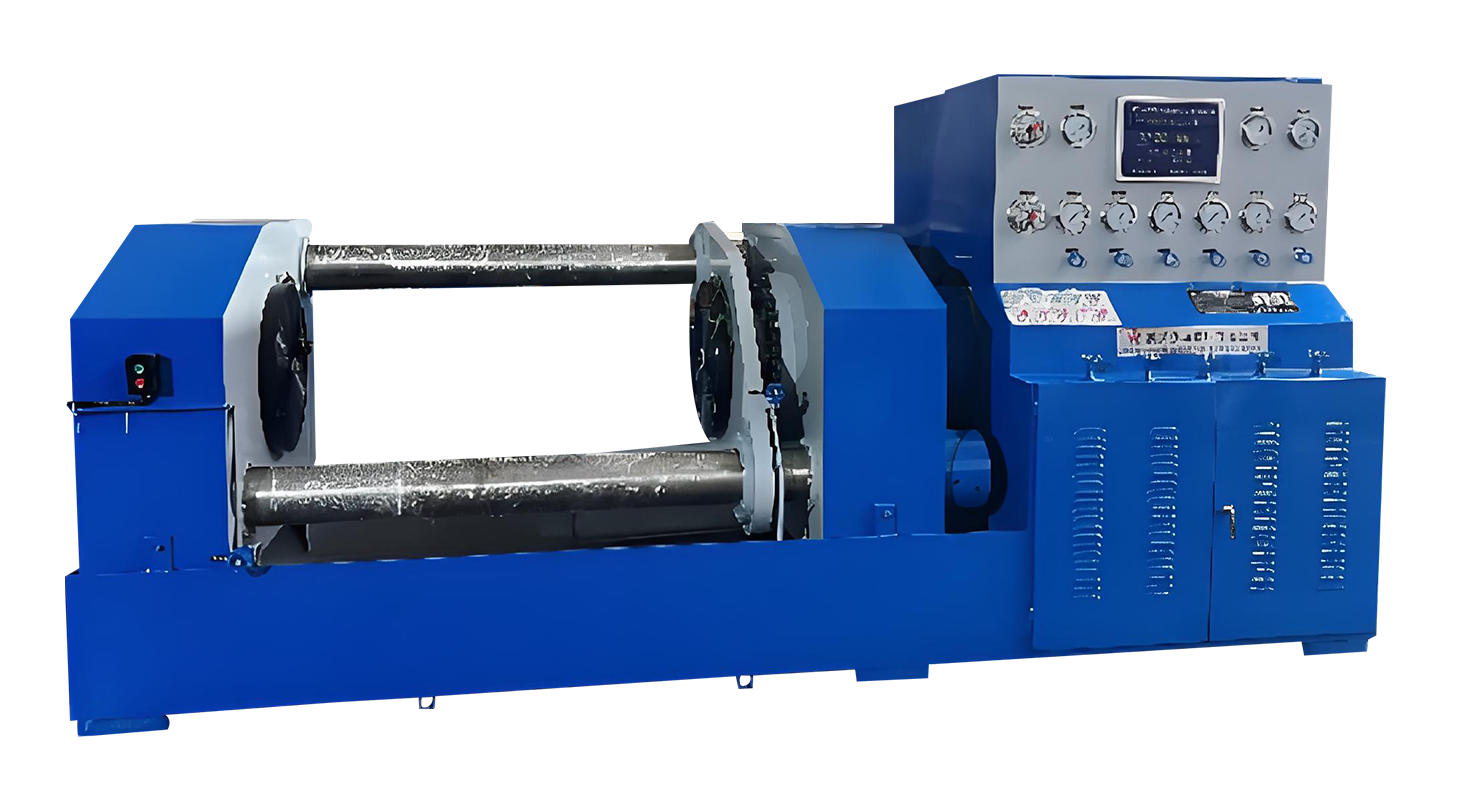
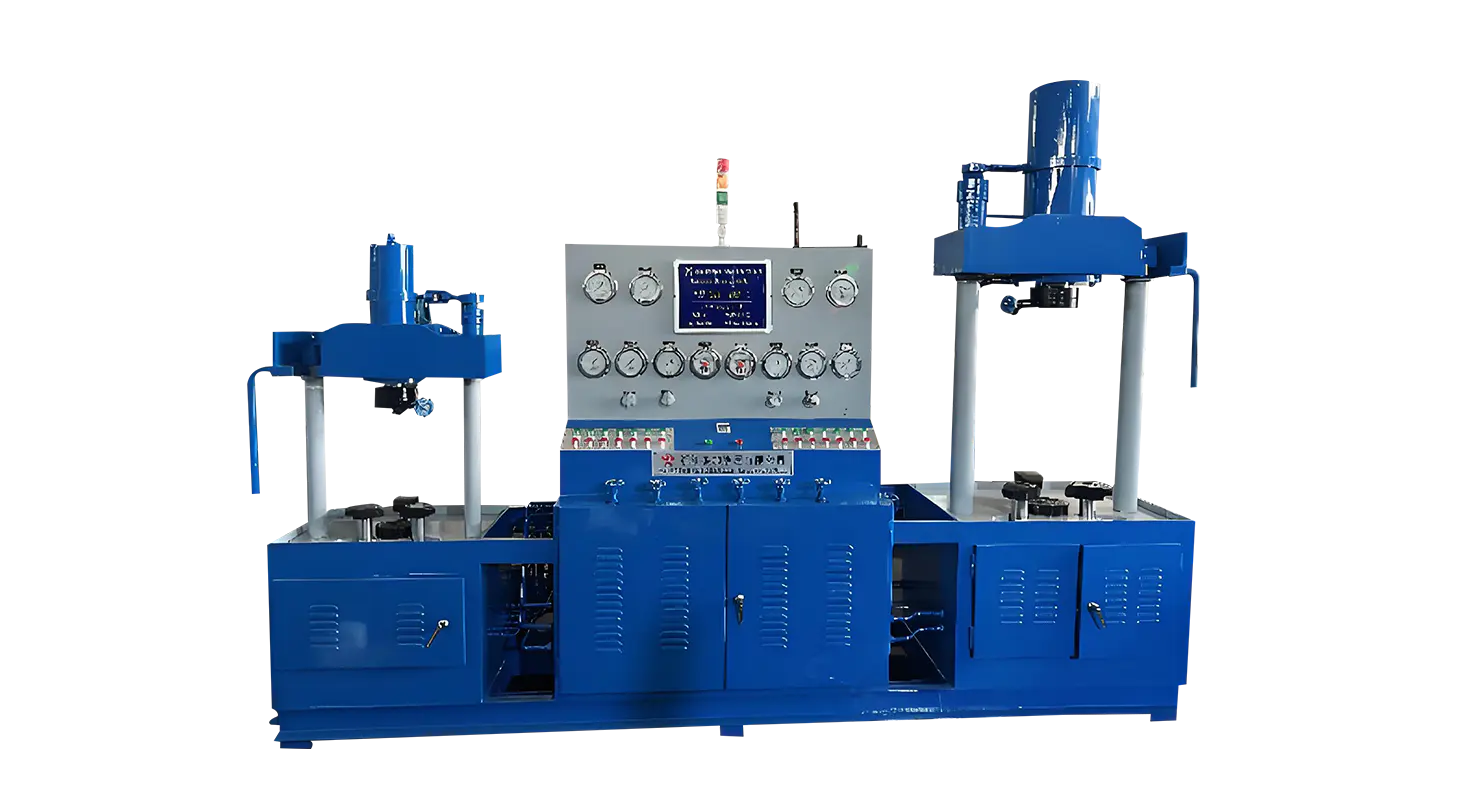
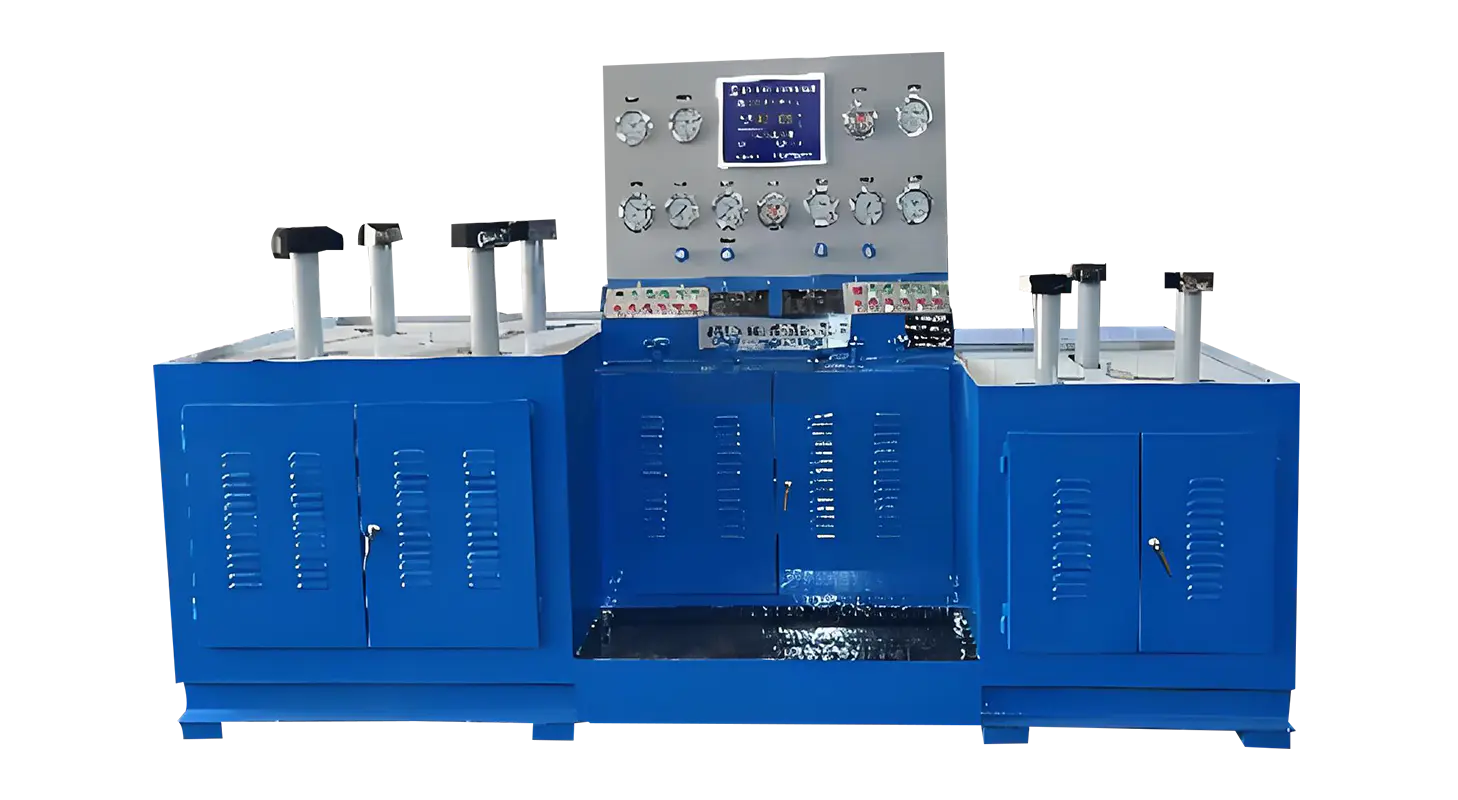
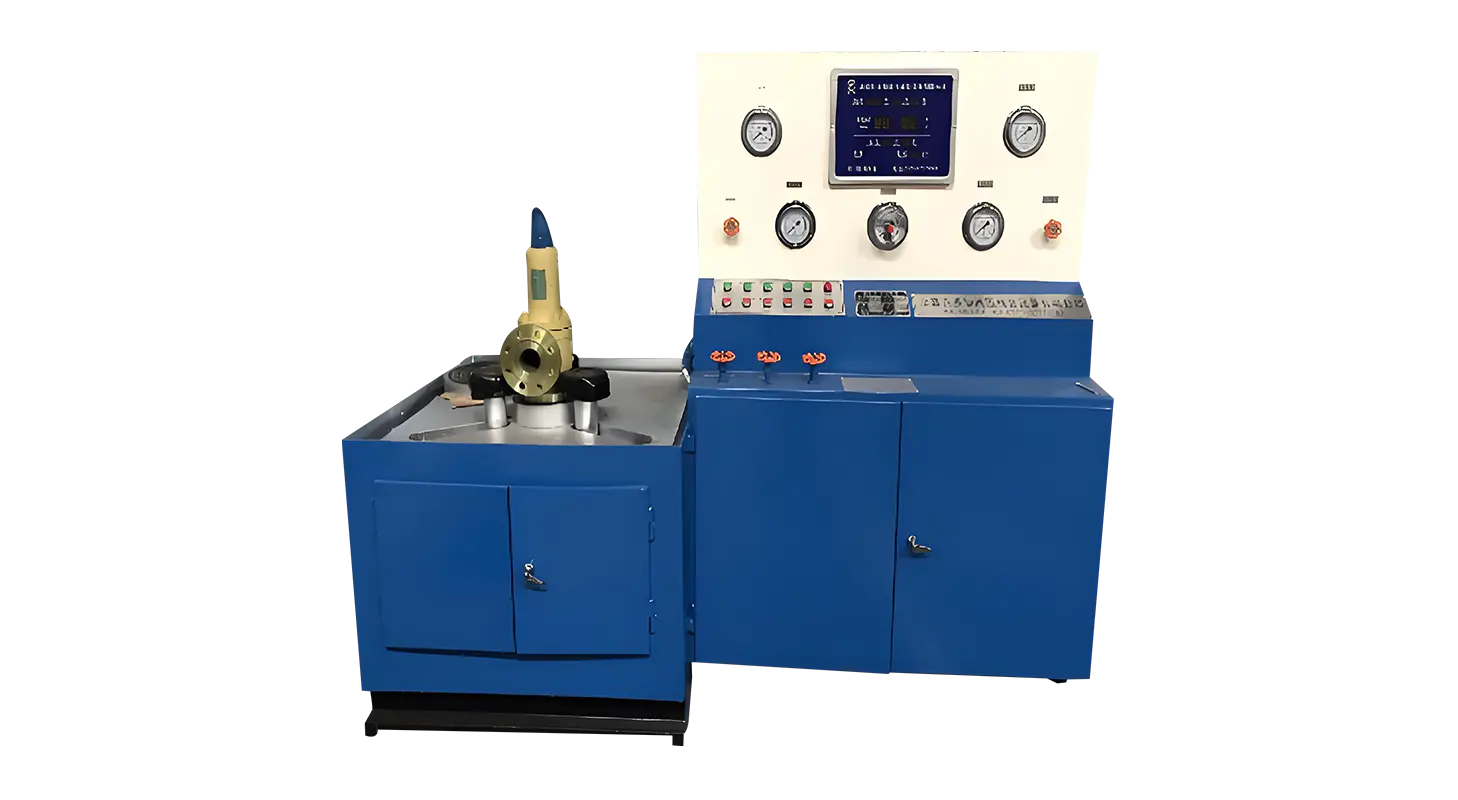
Industrial valves operate under different pressure conditions depending on their design, materials, and intended applications. A valve used in a water treatment facility may have very different testing requirements from one installed in an oil and gas pipeline or a chemical processing plant. For manufacturers, selecting suitable testing equipment is therefore not simply a matter of choosing a machine with a higher pressure rating. The relationship between valve specifications, test procedures, and equipment capacity must be carefully evaluated. Reliable Valve Test Equipment helps manufacturers verify product performance under defined conditions while maintaining consistent inspection procedures across different valve models.
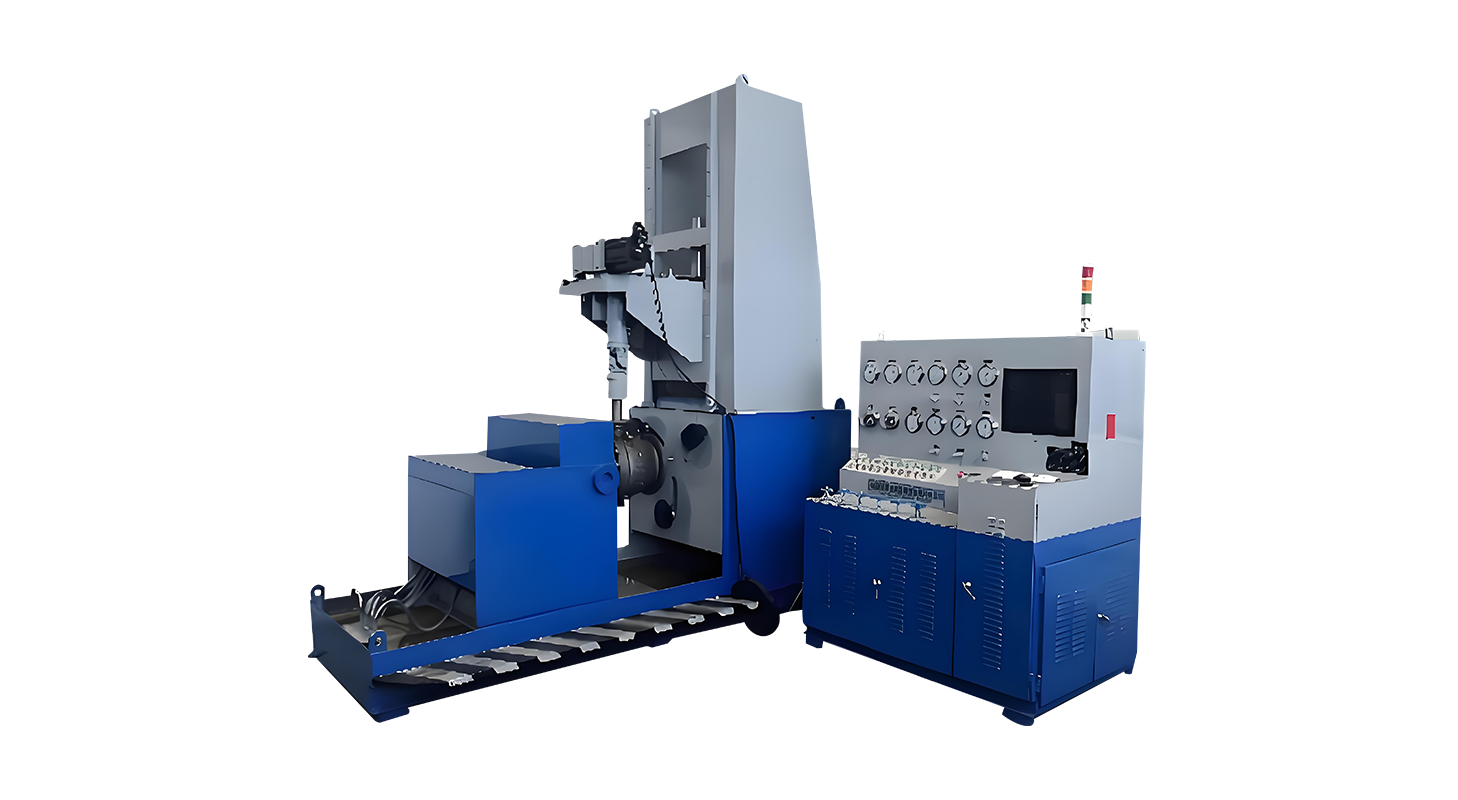
Applying an incorrect test pressure can make inspection results unreliable or create unnecessary risks during operation. Each valve has specific design limitations and testing requirements that should be considered before selecting a pressure testing system.
For example, shell testing and seat leakage testing serve different purposes. Shell testing evaluates the pressure-containing boundary of the valve body, while seat testing examines the sealing performance of the closure components.
Standards such as API 598 and ISO 5208 provide testing requirements and acceptance criteria for industrial valves. However, the actual test parameters must be determined according to the applicable standard, valve rating, design, and customer specifications.
Manufacturers should avoid using one fixed pressure setting for every product simply because the equipment can generate that pressure.
Valve construction has a direct influence on how testing equipment should be configured. Different structures require appropriate support, positioning, and sealing arrangements.
Consider several common industrial valve types:
For manufacturers handling several valve categories, interchangeable fixtures and adjustable clamping systems can provide greater flexibility than equipment designed for only one product.
The selection of testing medium is another important consideration when purchasing industrial valve testing equipment.
Hydrostatic testing uses water or another suitable liquid as the pressure medium. It is widely used for shell integrity and specified closure tests because liquids are relatively incompressible.
Pneumatic testing uses compressed air or another specified gas. It may be required for particular leakage evaluations or applications where liquid testing is unsuitable. However, compressed gas stores significantly more energy than liquid under pressure, making risk assessment and protective arrangements especially important.
Before selecting equipment, manufacturers should clarify:
The most suitable configuration depends on the intended testing applications rather than the testing medium alone.
Many valve manufacturers produce products with different pressure ratings. This creates challenges when one production line needs to inspect several specifications.
A test bench with an appropriate pressure generation system and configurable fixtures may support a broader product range. However, its suitability depends on the maximum required test pressure, clamping capacity, connection design, and control system.
When evaluating equipment, buyers should pay attention to the following technical factors:
A detailed technical assessment helps prevent situations where the pressure system is suitable but the clamping structure cannot safely accommodate the intended valve.
Pressure generation alone does not guarantee reliable testing. The measurement and control components must also operate within their specified ranges.
Pressure gauges, transducers, regulators, and control valves each contribute to the testing process. If an instrument is poorly matched to the required measurement range, operators may find it difficult to monitor pressure changes accurately.
Manufacturers should consider instrument accuracy, calibration intervals, pressure stability, and the convenience of reading test results.
For facilities with frequent testing operations, digital monitoring can also support more consistent data collection and simplify the review of inspection records.
A detailed technical discussion can help determine whether a proposed testing system matches the customer's production requirements.
Instead of requesting a quotation based only on maximum pressure, buyers should provide information about their valve product range, testing standards, pressure ratings, and expected production volume.
Drawings or product specifications are particularly useful when customized fixtures are required. They allow equipment engineers to evaluate connection dimensions, clamping positions, and the space needed for valve installation.
From the equipment manufacturer's perspective, this early communication is essential for developing a practical solution rather than supplying a standard machine that may require extensive modification later.
As valve manufacturers expand into different industrial sectors, their inspection requirements may change. New valve models, additional pressure classes, and customer-specific testing procedures can place new demands on existing equipment.
A properly selected Valve Test Equipment system should therefore consider both current production requirements and reasonable future expansion. With suitable pressure control, adaptable fixtures, reliable measurement instruments, and application-specific safety arrangements, manufacturers can establish a testing process that supports product verification across different valve specifications.
For international buyers, choosing an experienced testing equipment manufacturer means gaining access to technical guidance that connects machine configuration with real industrial applications.
Related Products
Contact us
Address
Sanqiao Industrial Zone, Oubei, Yongjia County, Zhejiang Province, China
Phone
+86-13676520568
Telephone number
+86-13676520568
Fax
products
Quick Links
QR CODE