English
 русский
 عربى
Get in touch
Get in touch
Nov 20, 2026
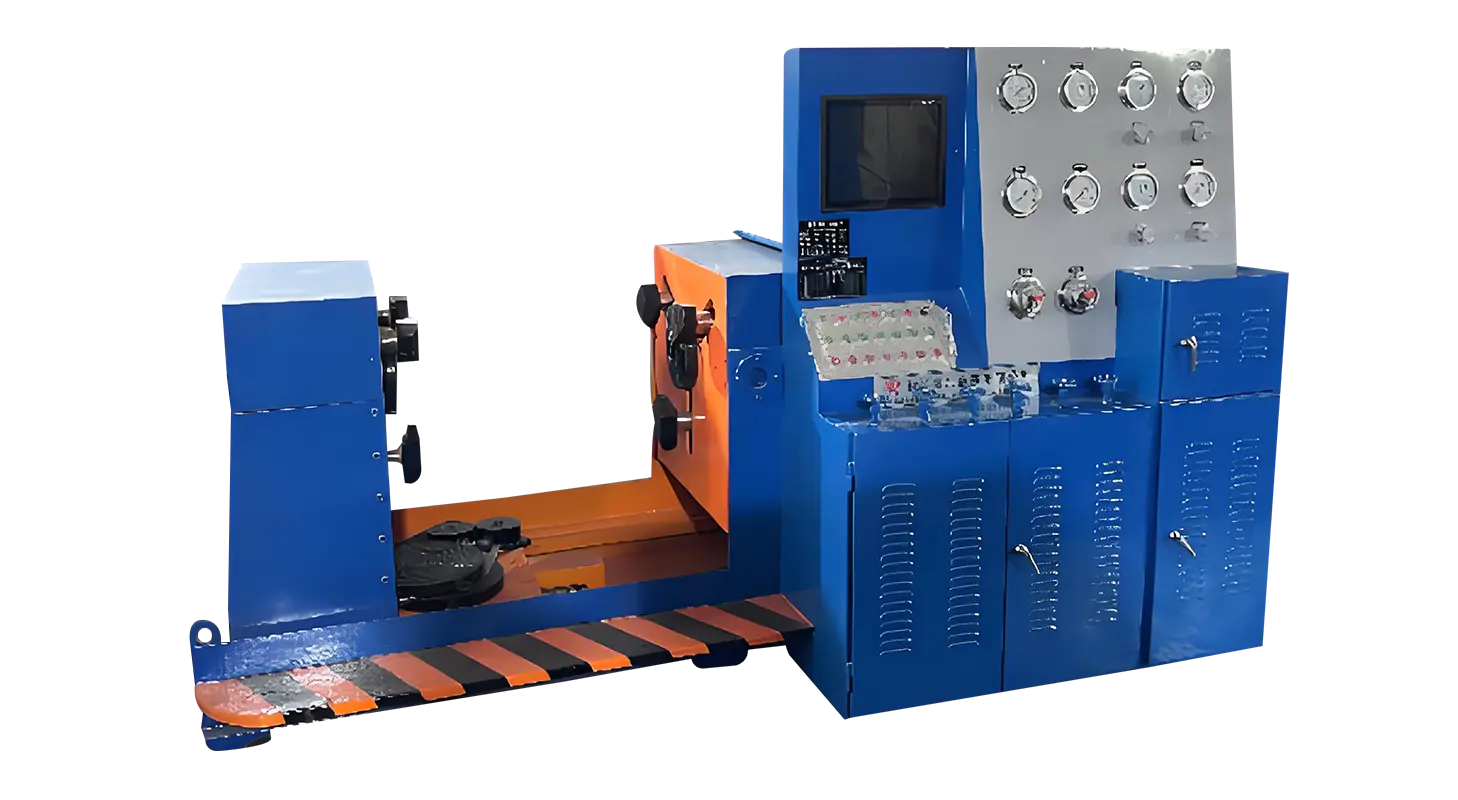
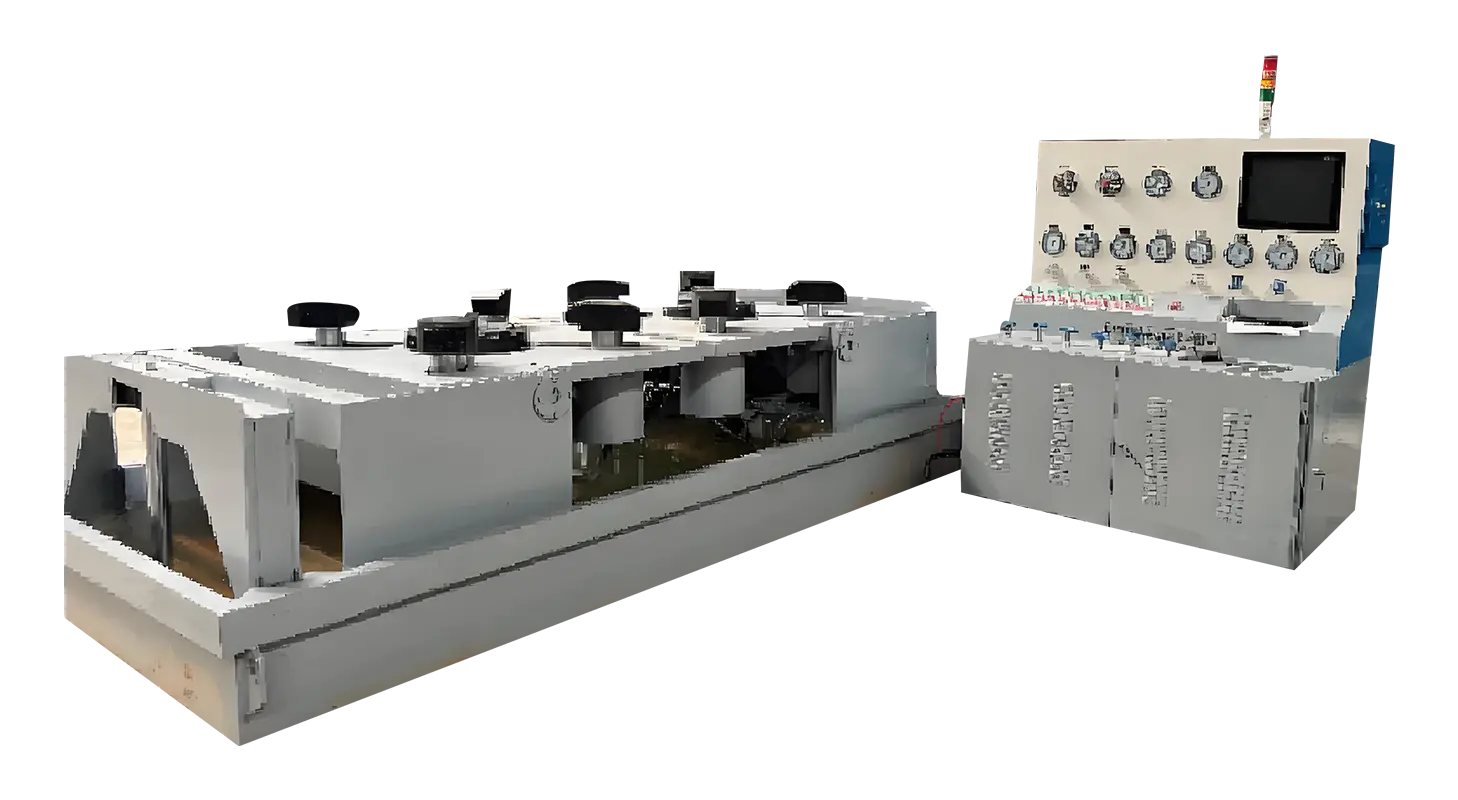
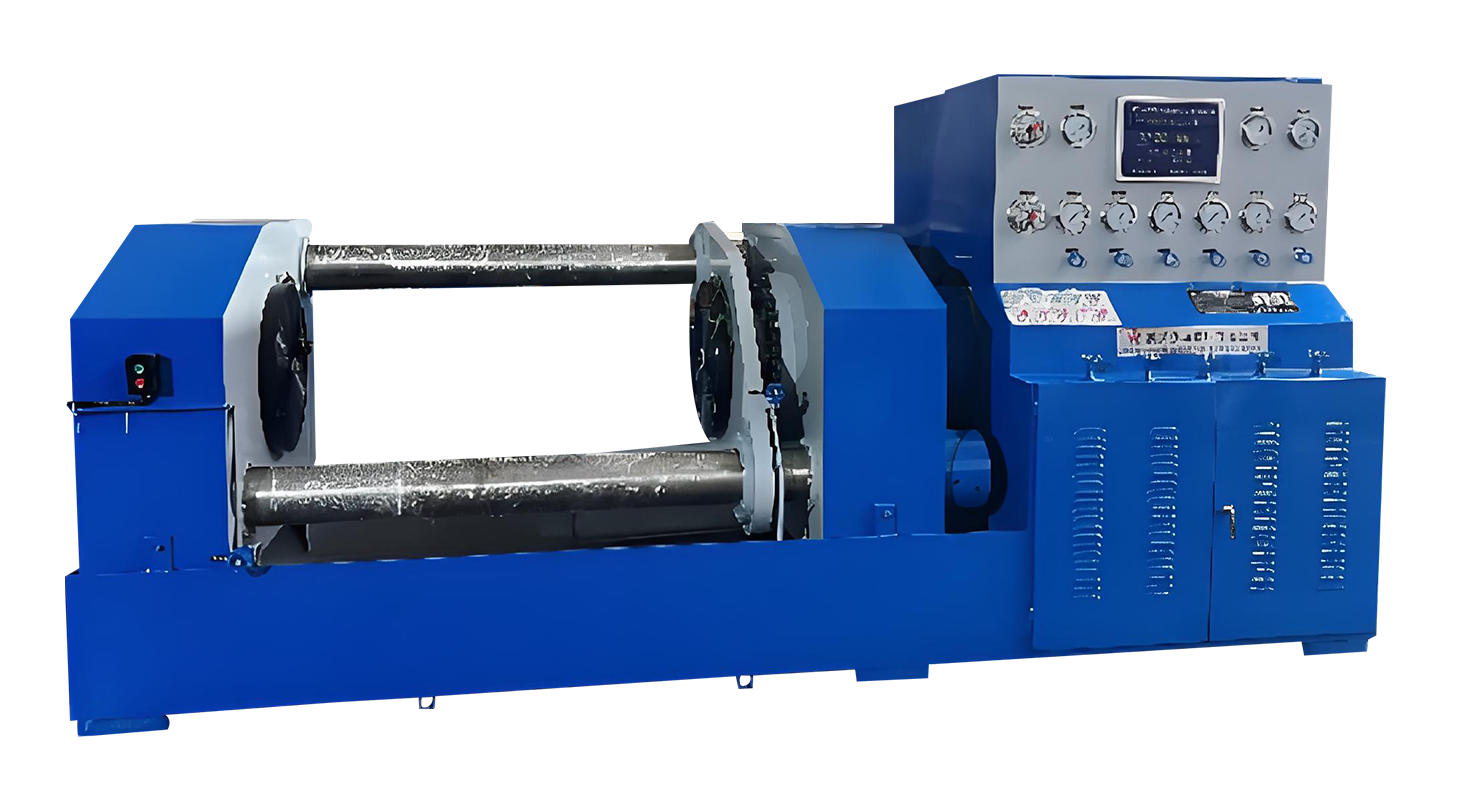
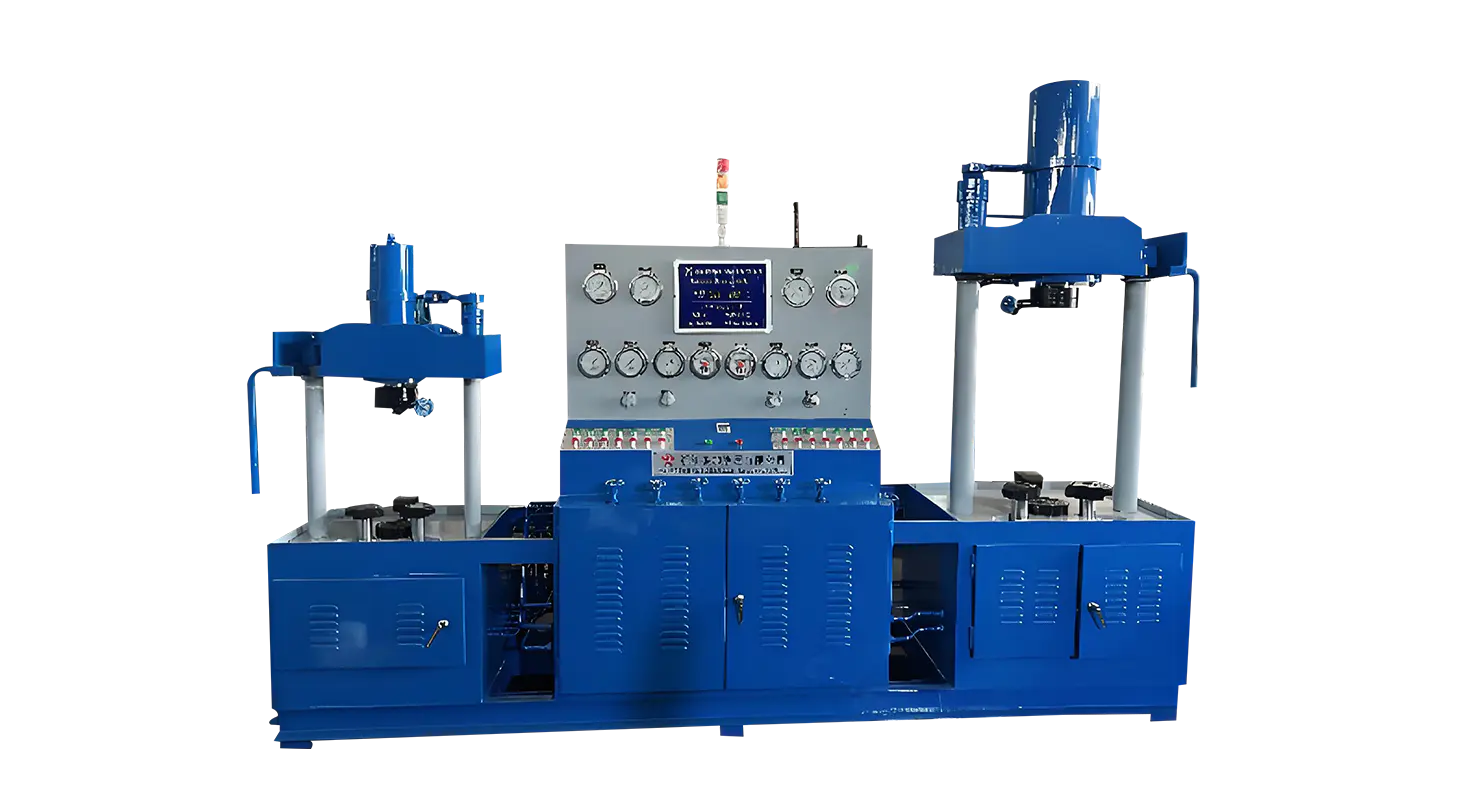
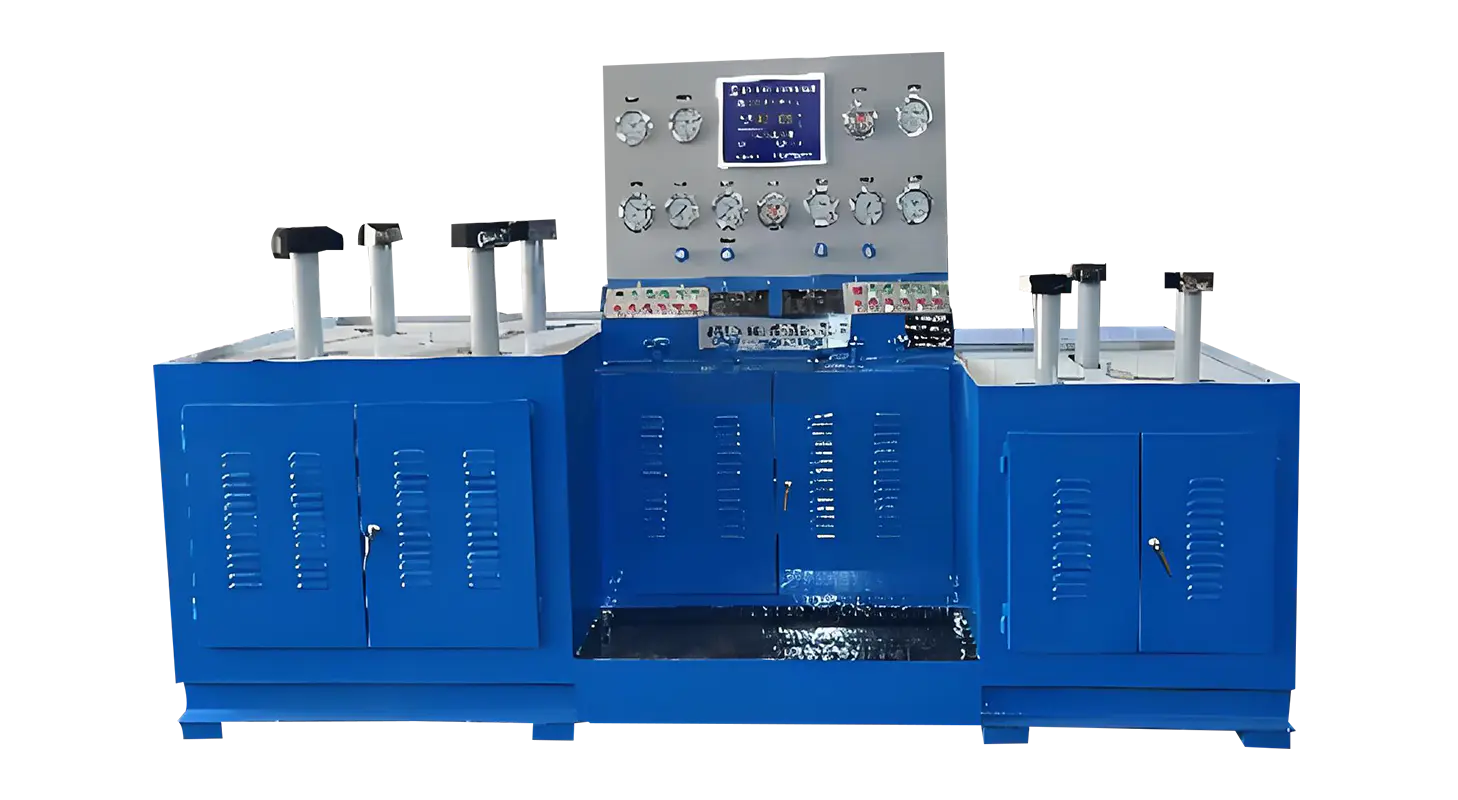
In valve manufacturing, production efficiency depends not only on machining capacity and assembly speed but also on how quickly finished products can pass quality inspection. When multiple valve sizes, pressure classes, and structural designs share the same testing area, equipment setup and repeated adjustments can become time-consuming. This is why Valve Test Equipment is receiving greater attention from manufacturers looking to improve production flow without compromising inspection requirements. The real challenge is finding a testing solution that balances pressure capacity, fixture flexibility, operating safety, and testing consistency across different product categories.
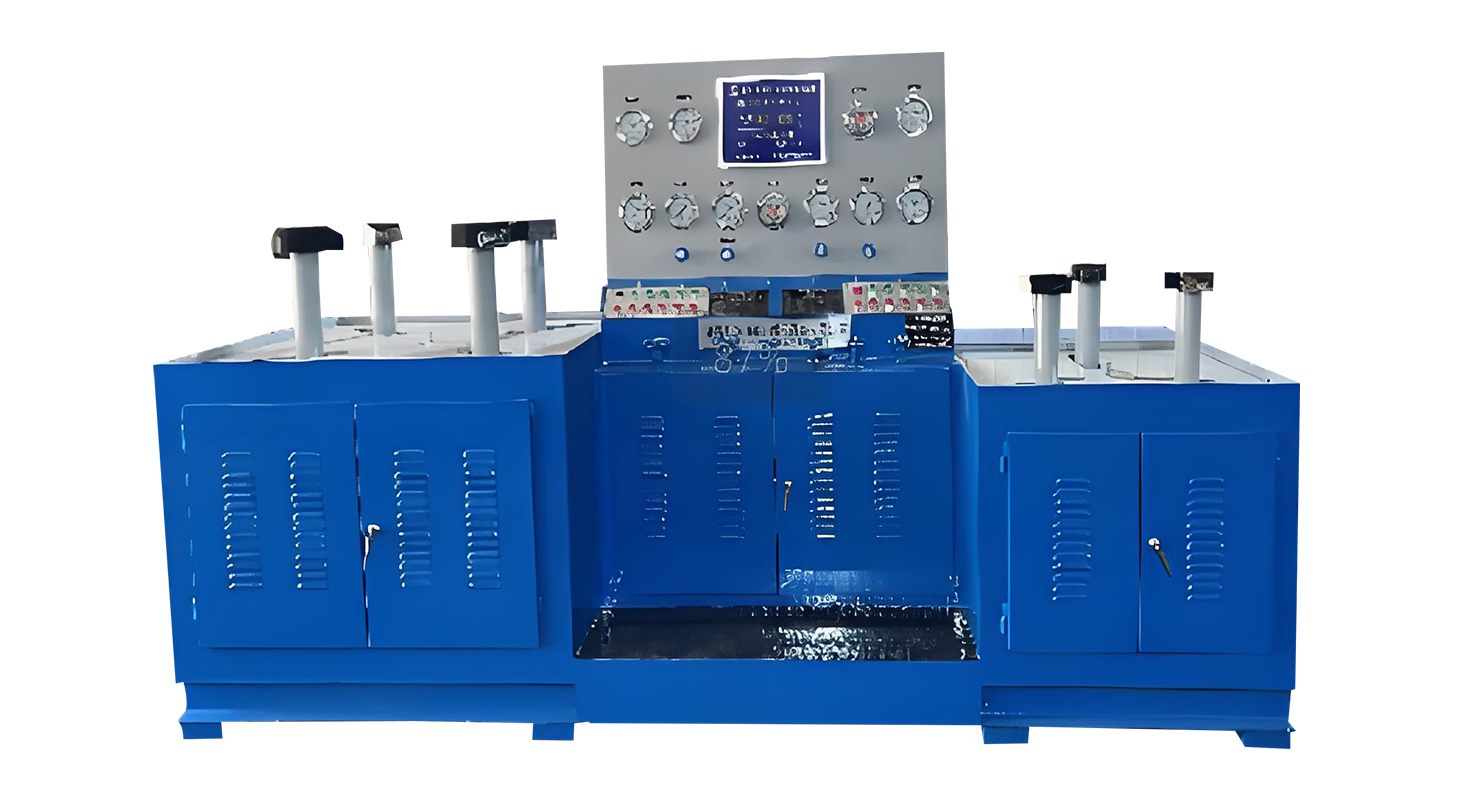
Pressure testing is a necessary quality-control stage, but poorly organized testing procedures can create delays between manufacturing and product delivery. Operators may need to reposition valves, replace sealing fixtures, adjust clamping arrangements, and configure different pressure parameters before each test.
These activities become more noticeable when a factory handles small-batch orders or frequent product changes. A testing system designed for only one valve configuration may not provide sufficient flexibility for manufacturers with a broader product portfolio.
From an equipment manufacturer's perspective, improving this process starts with understanding the customer's actual production workflow rather than simply increasing the machine's pressure capacity.
Different valve designs require different support and sealing arrangements. Ball valves, gate valves, butterfly valves, and globe valves do not necessarily share the same clamping requirements.
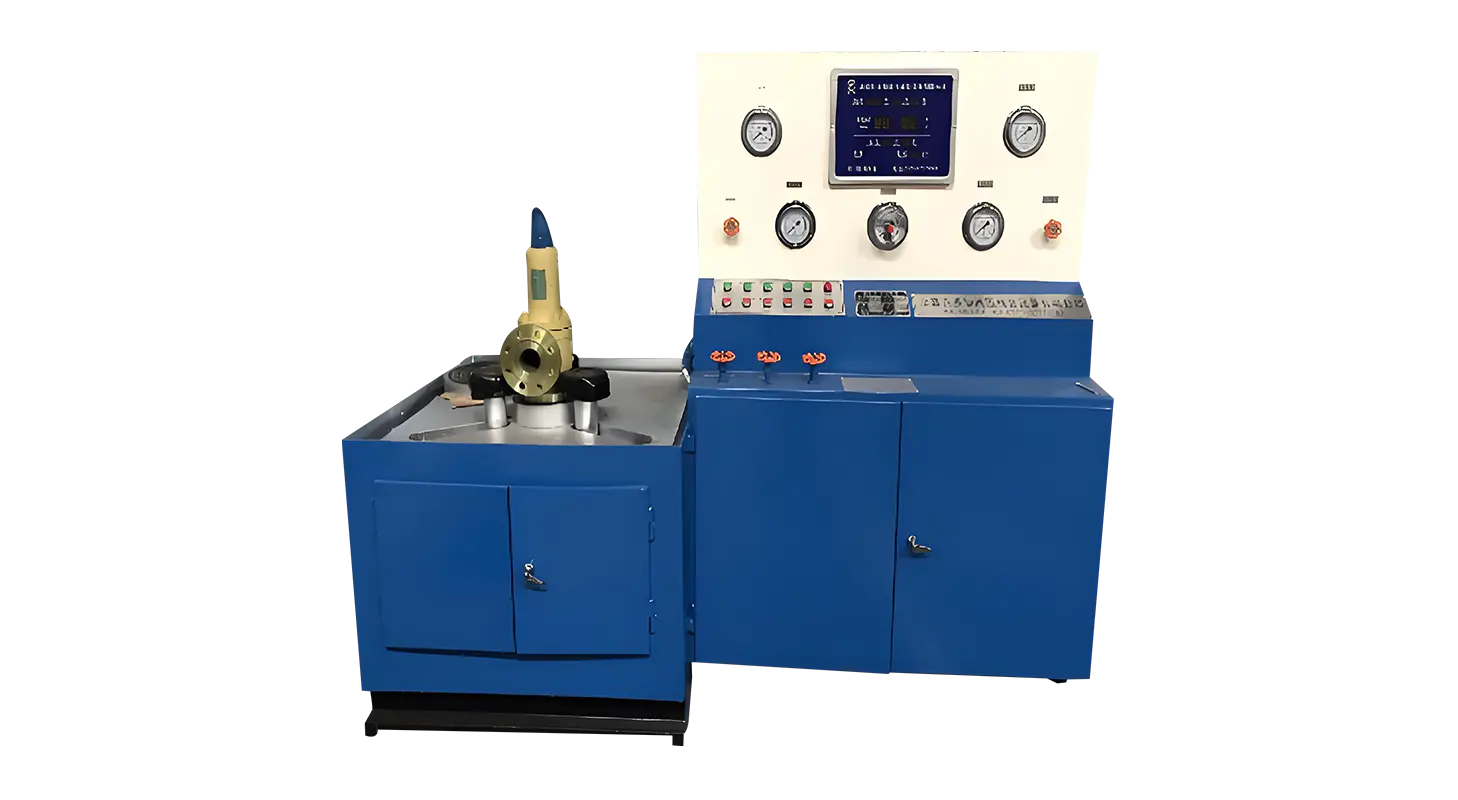
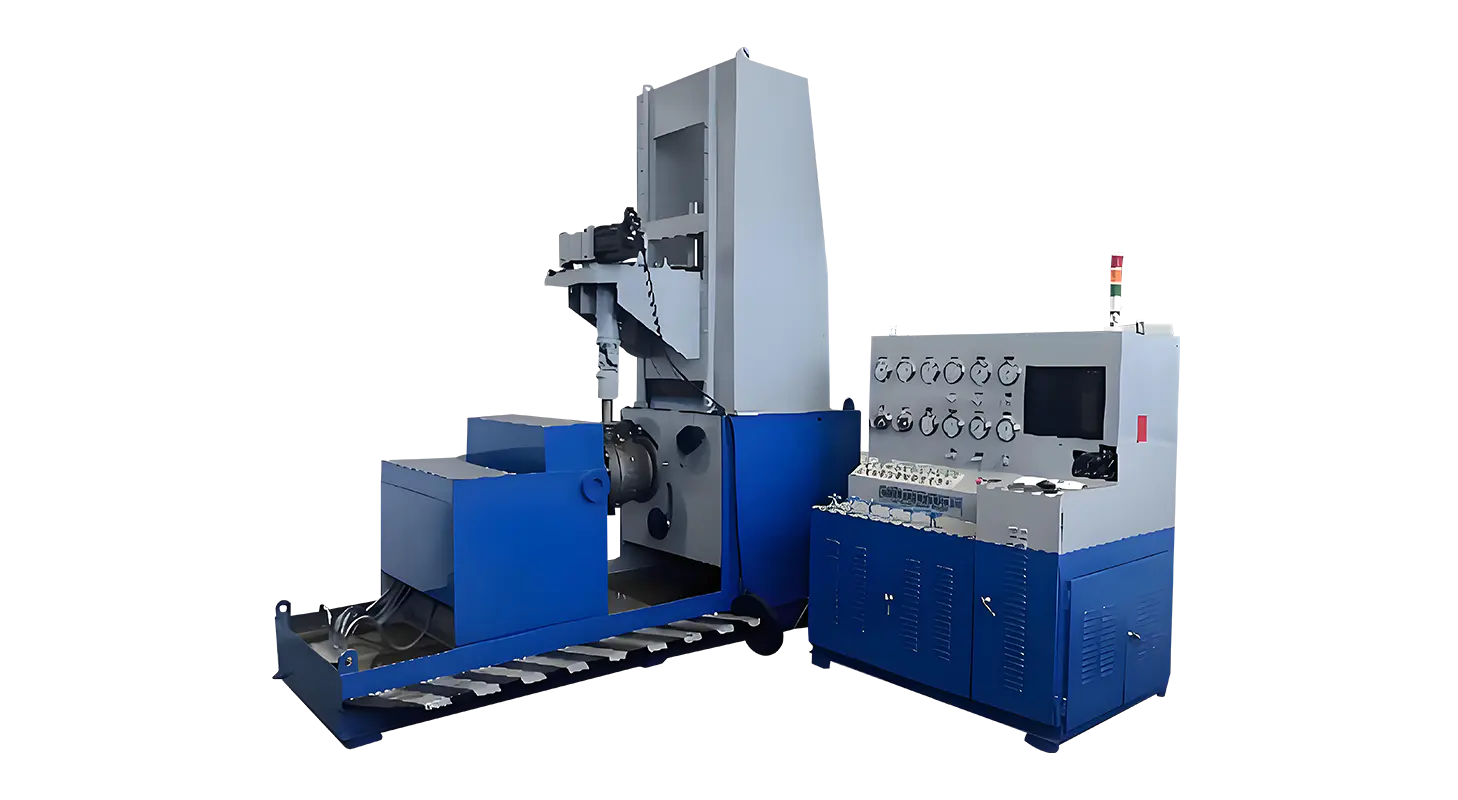
An unsuitable fixture can make loading difficult, affect sealing stability, or increase preparation time. When evaluating a valve pressure test bench, manufacturers should consider:
Flexible clamping solutions can help reduce unnecessary equipment changes, particularly in facilities producing several valve models.
Testing efficiency should never come at the expense of reliable inspection results. A suitable testing procedure must distinguish between pressure-containing integrity and seat sealing performance.
Hydrostatic shell testing evaluates the pressure boundary of the valve, while seat leakage testing examines the sealing performance of the closure components. Depending on the application and governing specification, pneumatic testing may also be required.
For manufacturers working with API 598, ISO 5208, or other applicable standards, equipment configuration should support the specified test pressure, medium, holding time, and leakage acceptance criteria.
Pressure sensors, gauges, control valves, and monitoring instruments should also be selected according to the required measurement range and maintained through appropriate calibration procedures.
Operator involvement is another important factor in testing efficiency. Repeated manual adjustments can increase preparation time and create opportunities for inconsistent operating procedures.
Modern testing systems can incorporate practical functions such as:
Not every production facility needs a fully automated system. For some manufacturers, a semi-automatic configuration with reliable pressure control and convenient loading arrangements may offer a more suitable balance between investment and operational requirements.
Valve pressure testing involves stored energy, particularly during high-pressure gas testing. Equipment design must therefore consider operator protection throughout the testing cycle.
Protective enclosures, remote operation, pressure relief arrangements, and controlled depressurization can help reduce exposure to potential hazards. The appropriate safety configuration depends on the test medium, maximum operating pressure, equipment design, and applicable workplace regulations.
Manufacturers should also establish clear operating procedures to ensure that the test area remains controlled and that the system is fully depressurized before operators handle the tested valve.
A detailed technical inquiry helps equipment manufacturers recommend a configuration that matches actual production requirements. Instead of requesting a machine based only on maximum pressure, buyers should provide several important details.
These typically include:
With this information, the equipment manufacturer can evaluate clamping force, pressure generation capacity, fixture design, and control system requirements more accurately. It also helps reduce unnecessary configuration changes during the project development stage.
Purchasing testing equipment is a long-term manufacturing decision. Beyond machine specifications, overseas buyers should evaluate the supplier's engineering capabilities, customization experience, component selection, and technical support.
A professional manufacturer should be able to explain why a particular pressure system, clamping structure, or control configuration is suitable for the intended application. Clear technical communication before production also helps prevent mismatches between equipment capabilities and factory requirements.
For valve manufacturers planning to expand product ranges or improve workshop efficiency, selecting appropriate Valve Test Equipment is an important step toward more organized production and dependable quality verification. A well-designed testing solution should support different product configurations, provide consistent pressure control, protect operators, and fit naturally into the existing manufacturing workflow.
Related Products
Contact us
Address
Sanqiao Industrial Zone, Oubei, Yongjia County, Zhejiang Province, China
Phone
+86-13676520568
Telephone number
+86-13676520568
Fax
products
Quick Links
QR CODE