English
 русский
 عربى
Get in touch
Get in touch
Nov 13, 2026
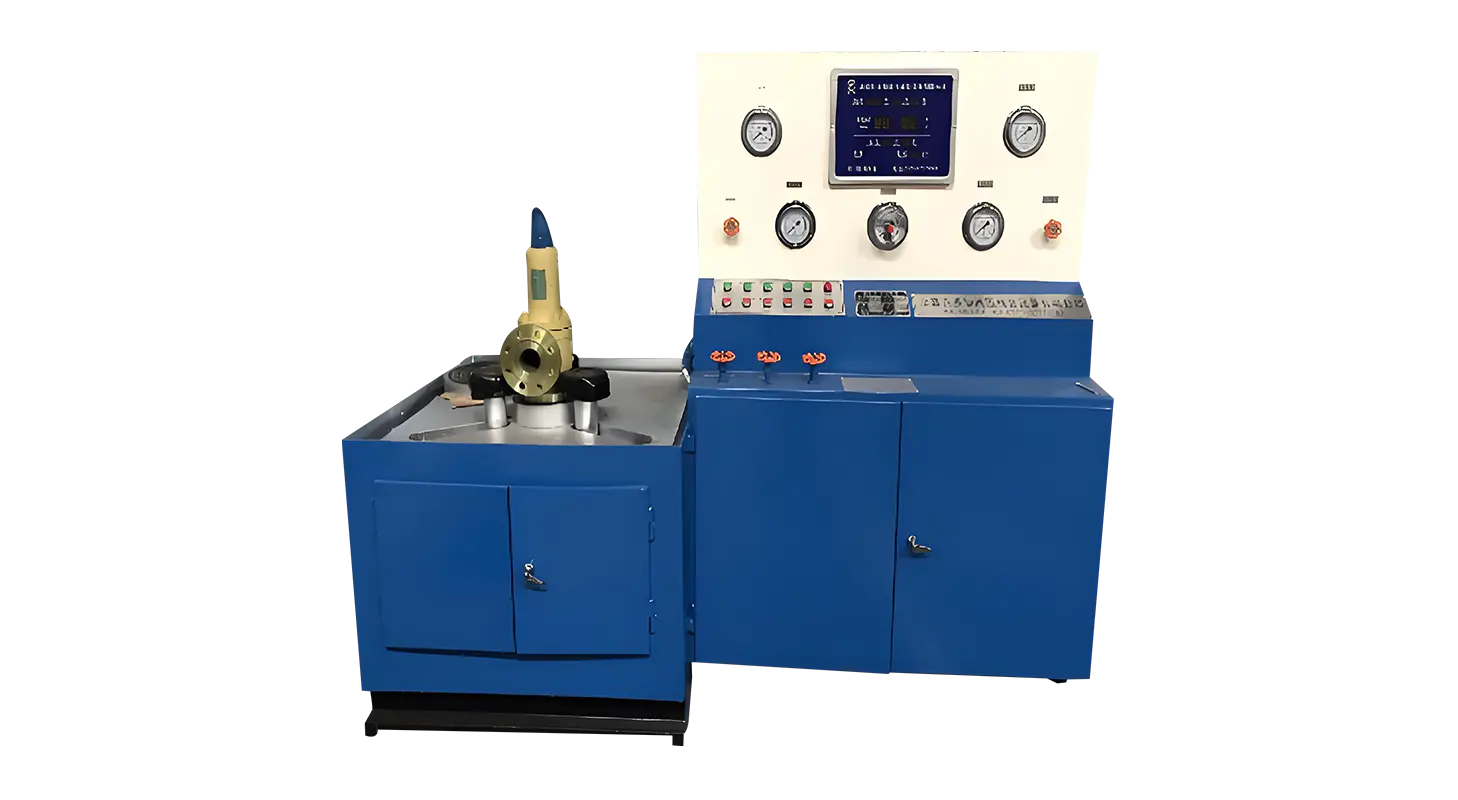
As industrial pipelines, energy infrastructure, and process facilities become more demanding, valve manufacturers and maintenance providers face increasing pressure to verify product performance before equipment enters service. A valve that passes a basic inspection may still present problems under different pressure conditions or repeated operating cycles. For this reason, investing in reliable Valve Test Equipment has become an important part of manufacturing quality control. Buyers are no longer looking only at maximum test pressure. They also want consistent measurement, safer operation, repeatable testing procedures, and reliable documentation that supports product acceptance.
Leakage prevention is receiving greater attention across oil and gas, chemical processing, power generation, and pipeline applications. Even minor leakage can lead to maintenance expenses, production interruptions, and potential safety concerns.
For valve manufacturers, this creates a practical challenge: how can different valve designs be tested under controlled conditions without introducing unnecessary variations between operators?
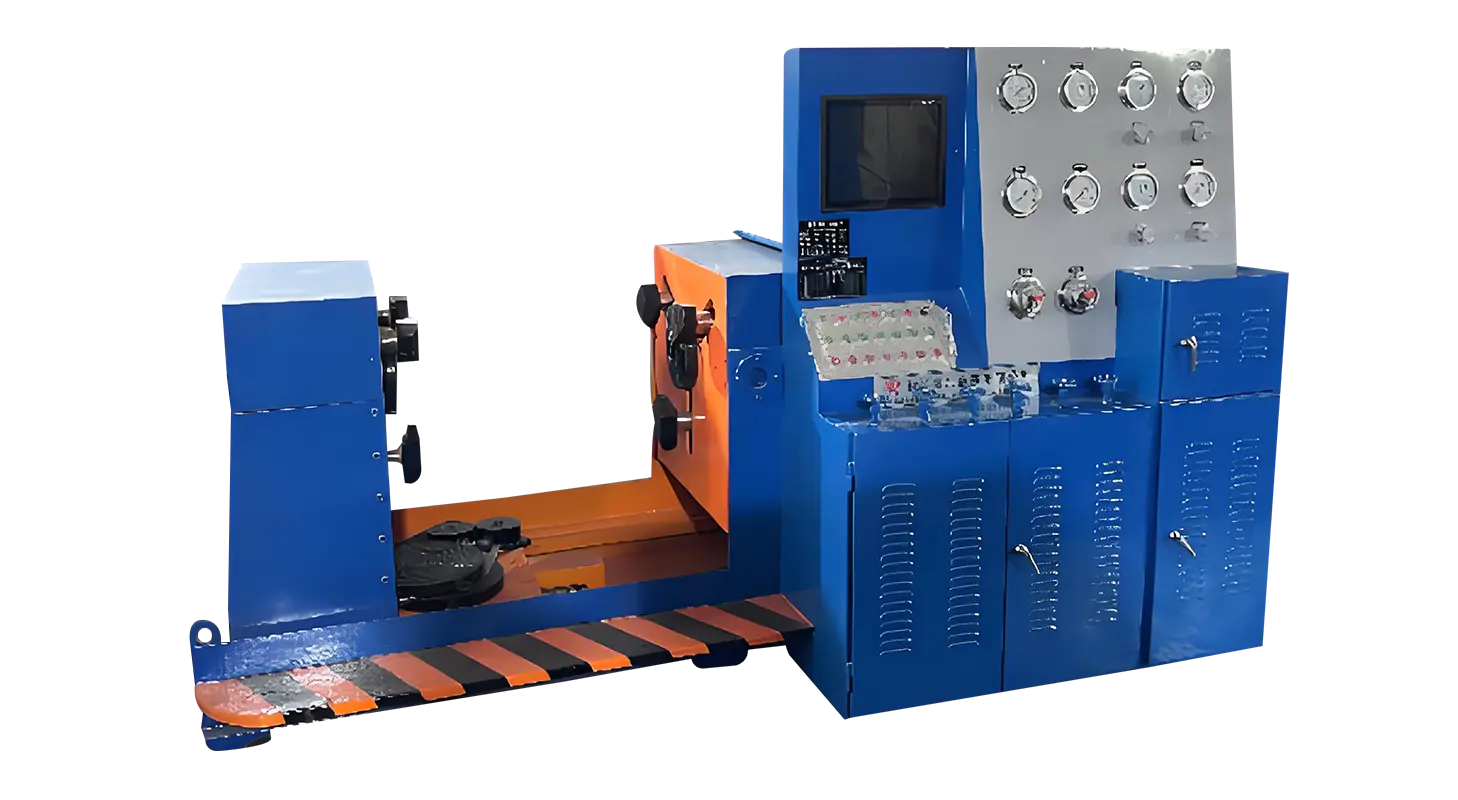
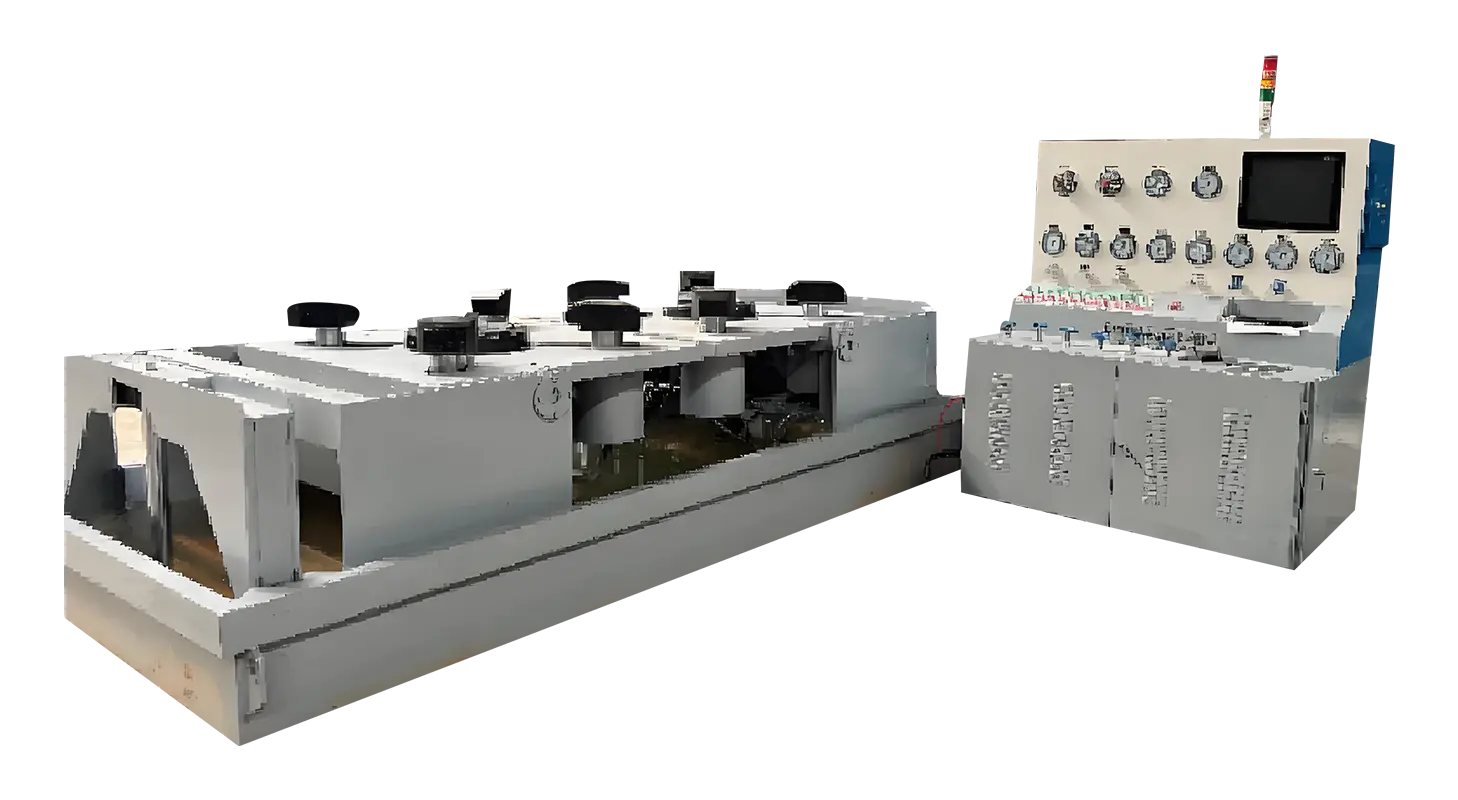
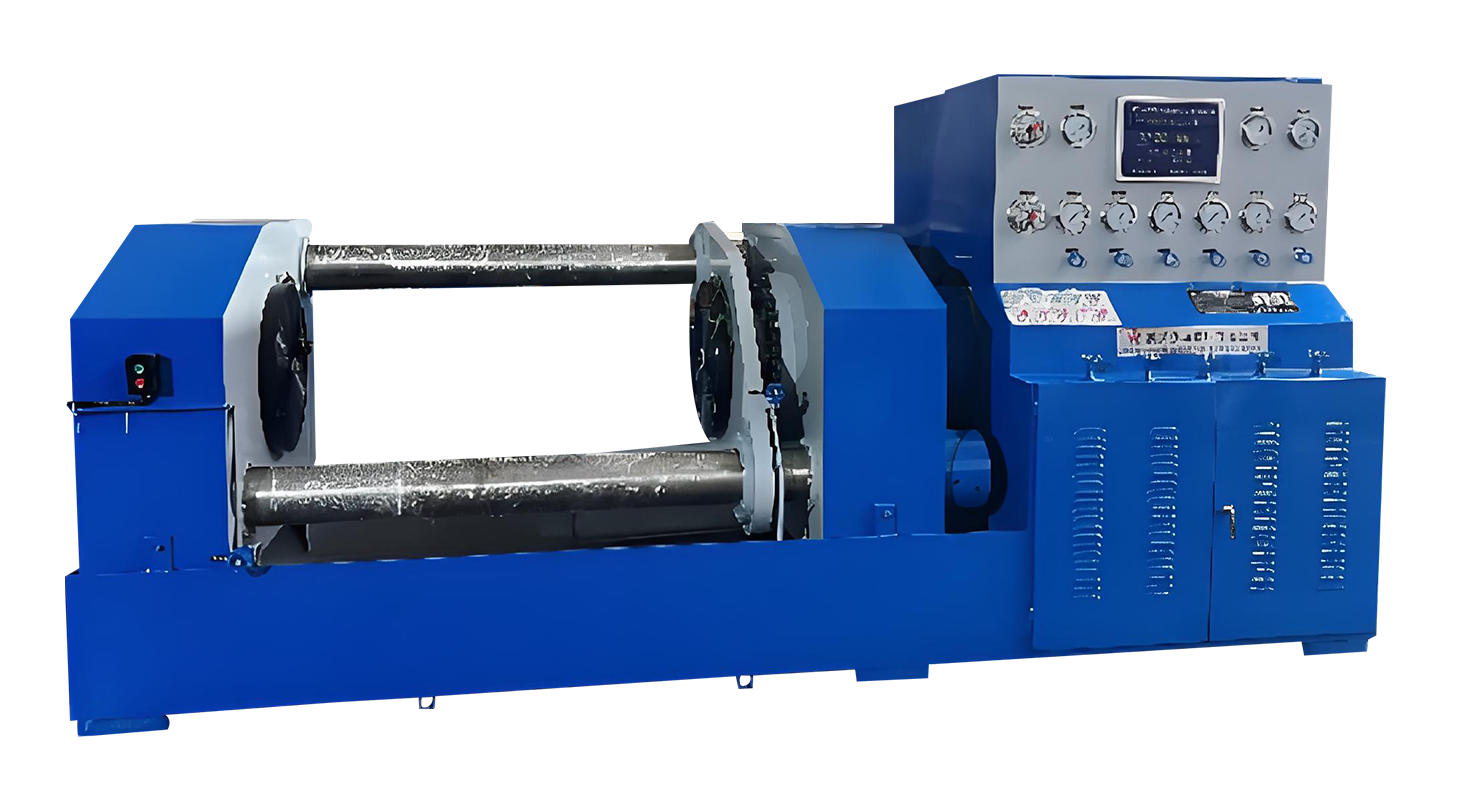
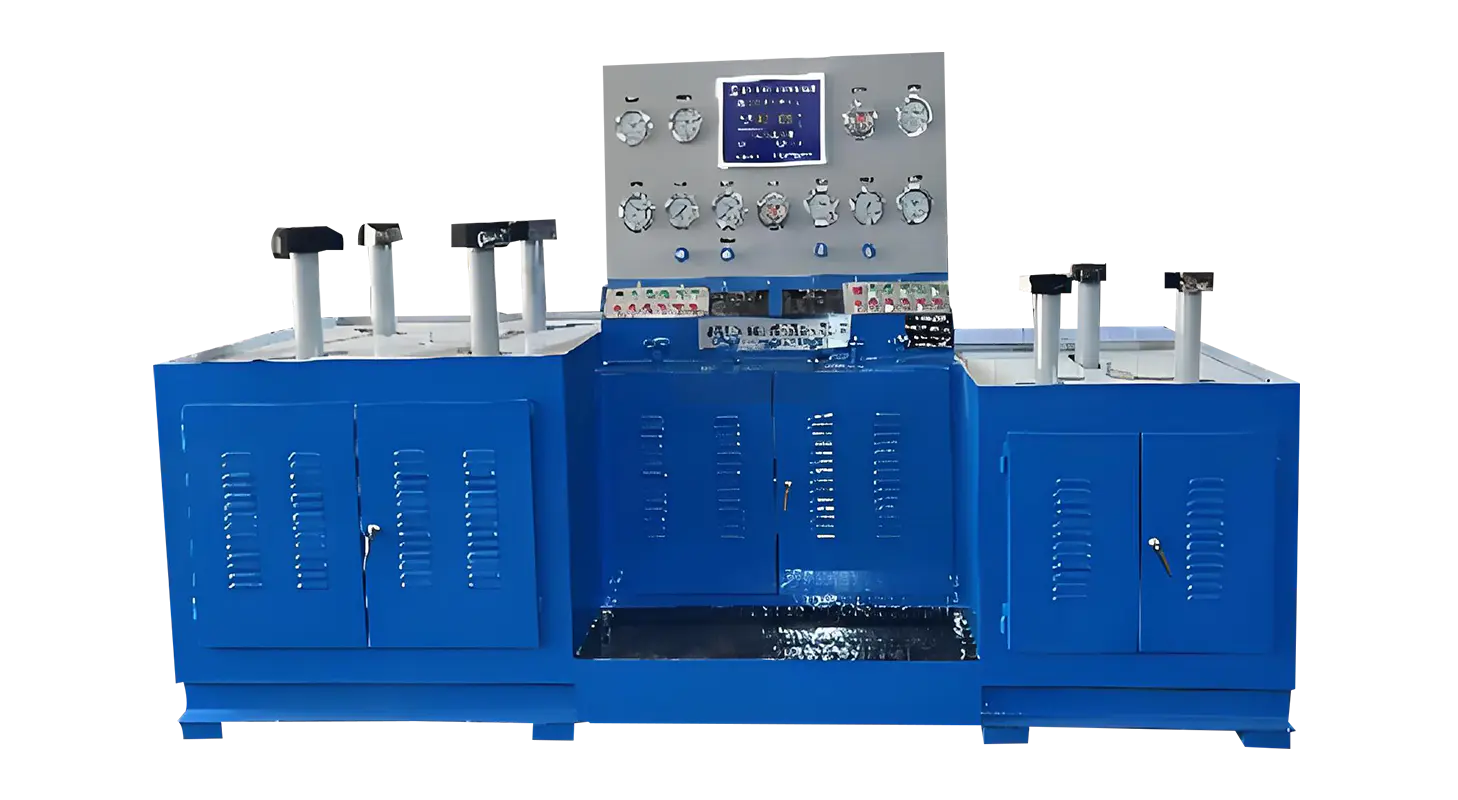
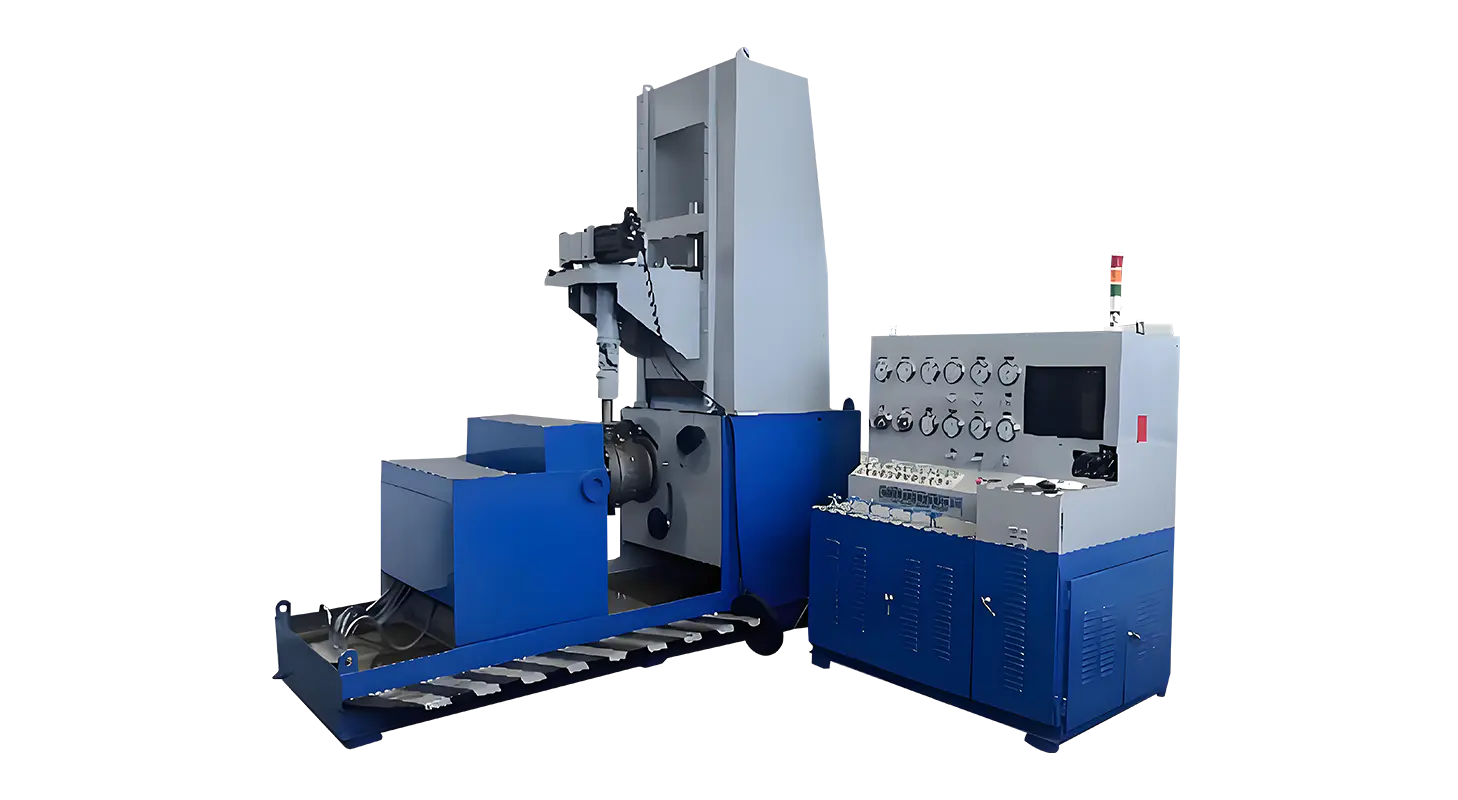
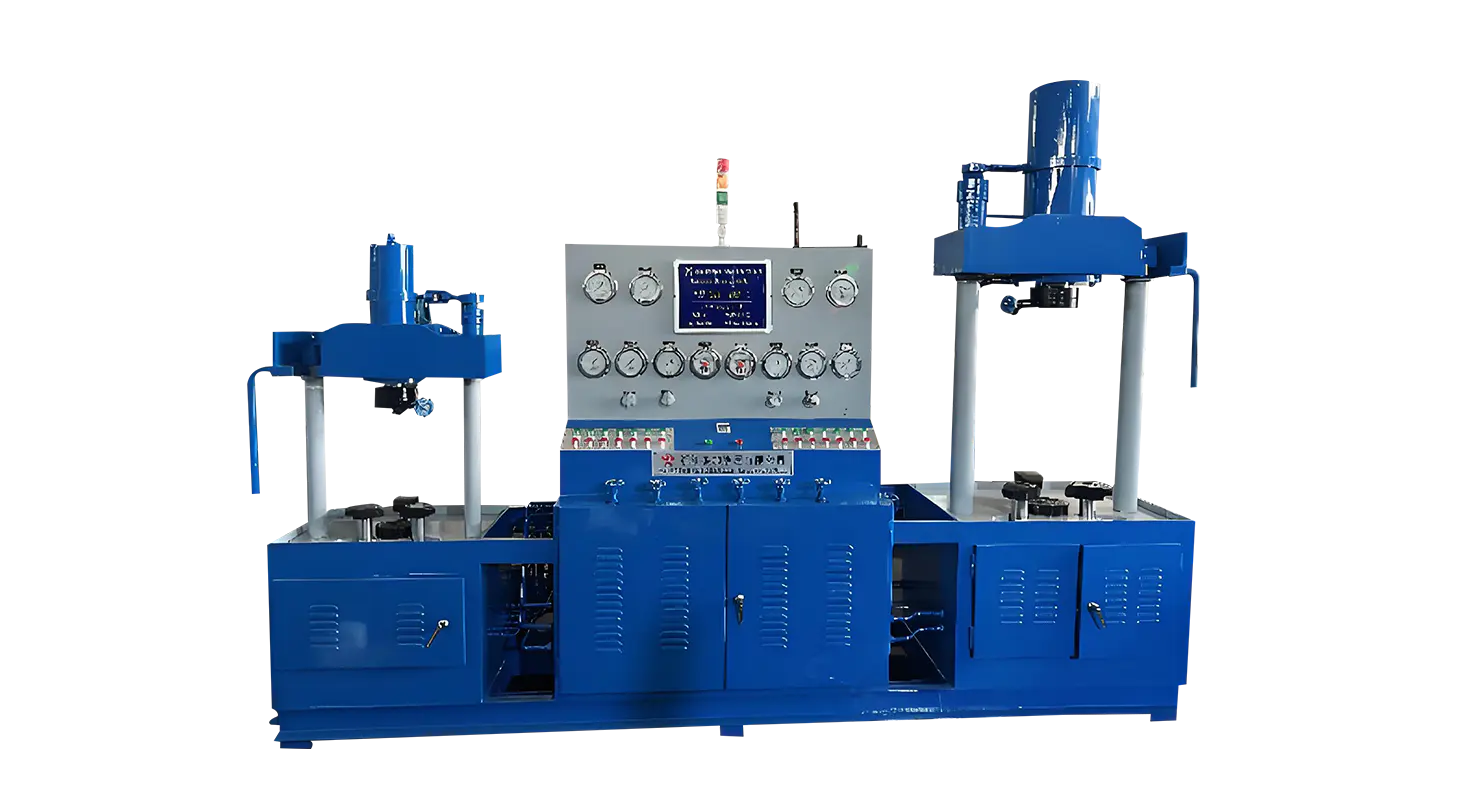
Hydrostatic and pneumatic testing provide different approaches to evaluating pressure resistance and sealing performance. Selecting suitable equipment depends on valve structure, working medium, pressure rating, and applicable testing requirements. A properly configured test bench helps manufacturers identify sealing problems before products leave the factory.
The development of hydrogen infrastructure is bringing additional attention to valve qualification and leakage control. Hydrogen service introduces specific considerations involving material compatibility, sealing performance, and gas leakage.
API 6D has introduced additional provisions for hydrogen gas service through Annex M, including high-pressure gas testing and fugitive emission requirements.
For manufacturers supplying valves for evolving energy applications, testing arrangements should therefore consider:
These considerations help buyers evaluate whether their existing testing systems are suitable for future production requirements.
Manual testing remains useful in many workshops, but repetitive procedures can create differences in operation and result recording. Automated and semi-automated valve test benches offer another approach by integrating pressure control, measurement instruments, and programmed testing sequences.
From a manufacturing perspective, automation can help reduce unnecessary manual intervention and make testing procedures easier to standardize.
Digital pressure monitoring and data acquisition also allow operators to review test results more systematically. For production facilities handling multiple valve models, these functions can improve workflow management and quality documentation.
Choosing a suitable system requires more than comparing pressure ratings or equipment prices. The actual testing environment should determine the configuration.
Important purchasing considerations include:
A clear technical specification helps manufacturers avoid purchasing equipment that cannot support their actual production requirements.
A test result is more valuable when it can be reviewed and traced. International buyers increasingly expect suppliers to provide consistent inspection records alongside finished products.
Digital recording systems can help capture pressure values, holding periods, leakage observations, and test outcomes. These records support internal quality reviews, customer inspections, and production traceability.
However, digital reporting should complement rather than replace correct testing procedures. Equipment calibration, suitable test fixtures, and operator training remain essential to obtaining meaningful results.
Testing efficiency is closely connected to equipment configuration and daily production planning. An unsuitable test bench may require frequent fixture changes, additional manual adjustments, or repeated testing because of inconsistent setups.
Manufacturers should consider the following improvements:
These measures can help reduce avoidable downtime while maintaining appropriate inspection standards.
For overseas procurement teams, the equipment supplier's engineering experience matters as much as the machine itself. A capable manufacturer should understand different valve structures, pressure testing methods, fixture requirements, and industry-specific applications.
Customization is particularly important for companies producing valves in multiple sizes or working with different pressure classes. Technical consultation before manufacturing can help determine suitable clamping systems, pressure control arrangements, and measurement configurations.
As industrial quality requirements continue to develop, Valve Test Equipment is becoming an essential investment in production reliability and product verification. By choosing equipment that matches actual testing conditions, supports consistent measurement, and provides practical operational safety, valve manufacturers can strengthen quality control and build greater confidence among international buyers.
Related Products
Contact us
Address
Sanqiao Industrial Zone, Oubei, Yongjia County, Zhejiang Province, China
Phone
+86-13676520568
Telephone number
+86-13676520568
Fax
products
Quick Links
QR CODE