English
 русский
 عربى
عربى
Get in touch
Get in touch
Feb 13, 2026
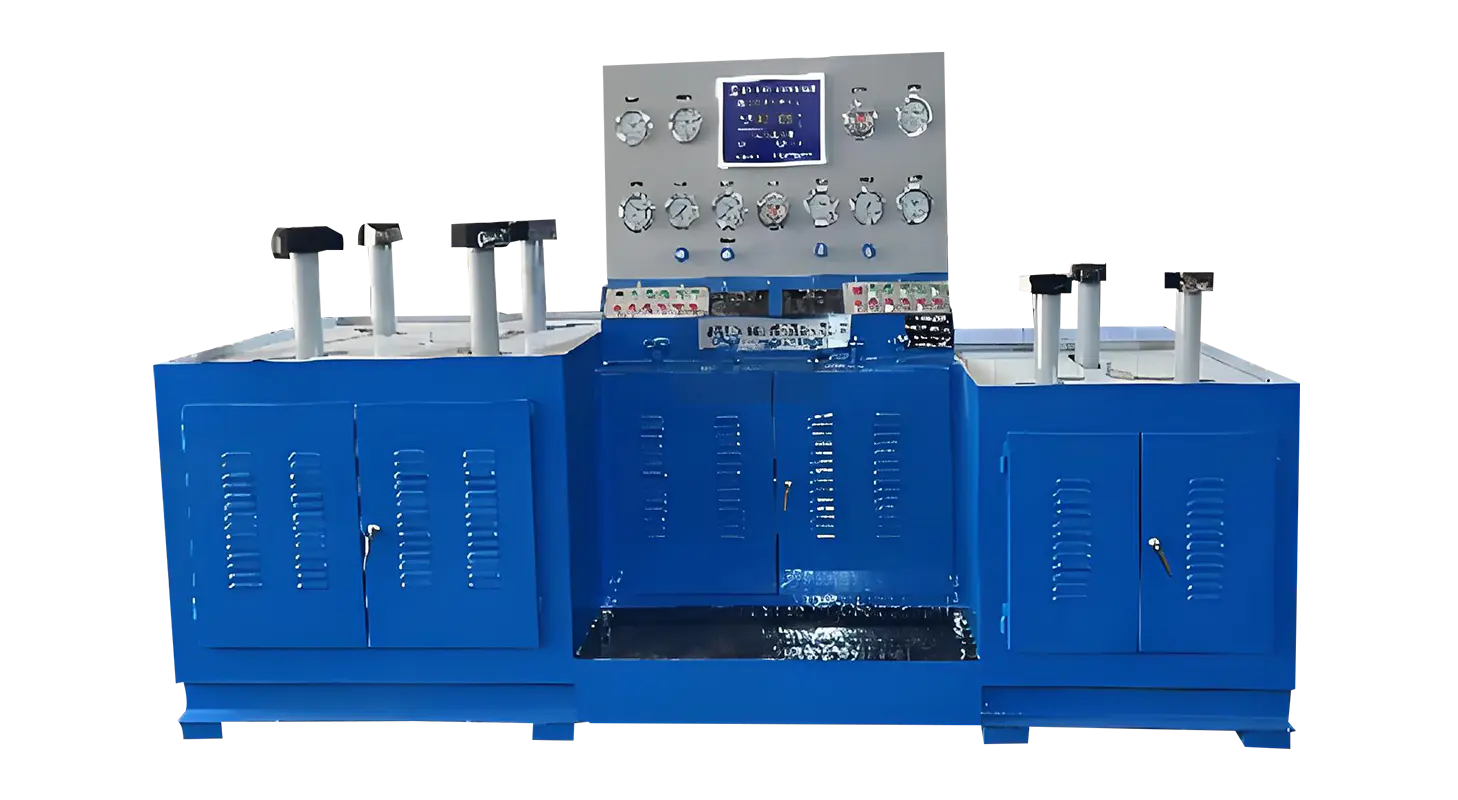
Repeated valve testing is a common challenge in industrial commissioning and maintenance. Retesting often occurs not because of valve failure, but due to inconsistent test conditions, unclear pressure control, or incomplete data from earlier checks. A Control Valve Test Bench, when designed around stable and well-managed Valve Test Pressure, addresses these issues by creating repeatable testing conditions and reducing unnecessary test cycles. Instead of relying on trial-and-error in the field, structured bench testing helps clarify valve behavior at an early stage, shortening the overall testing timeline.
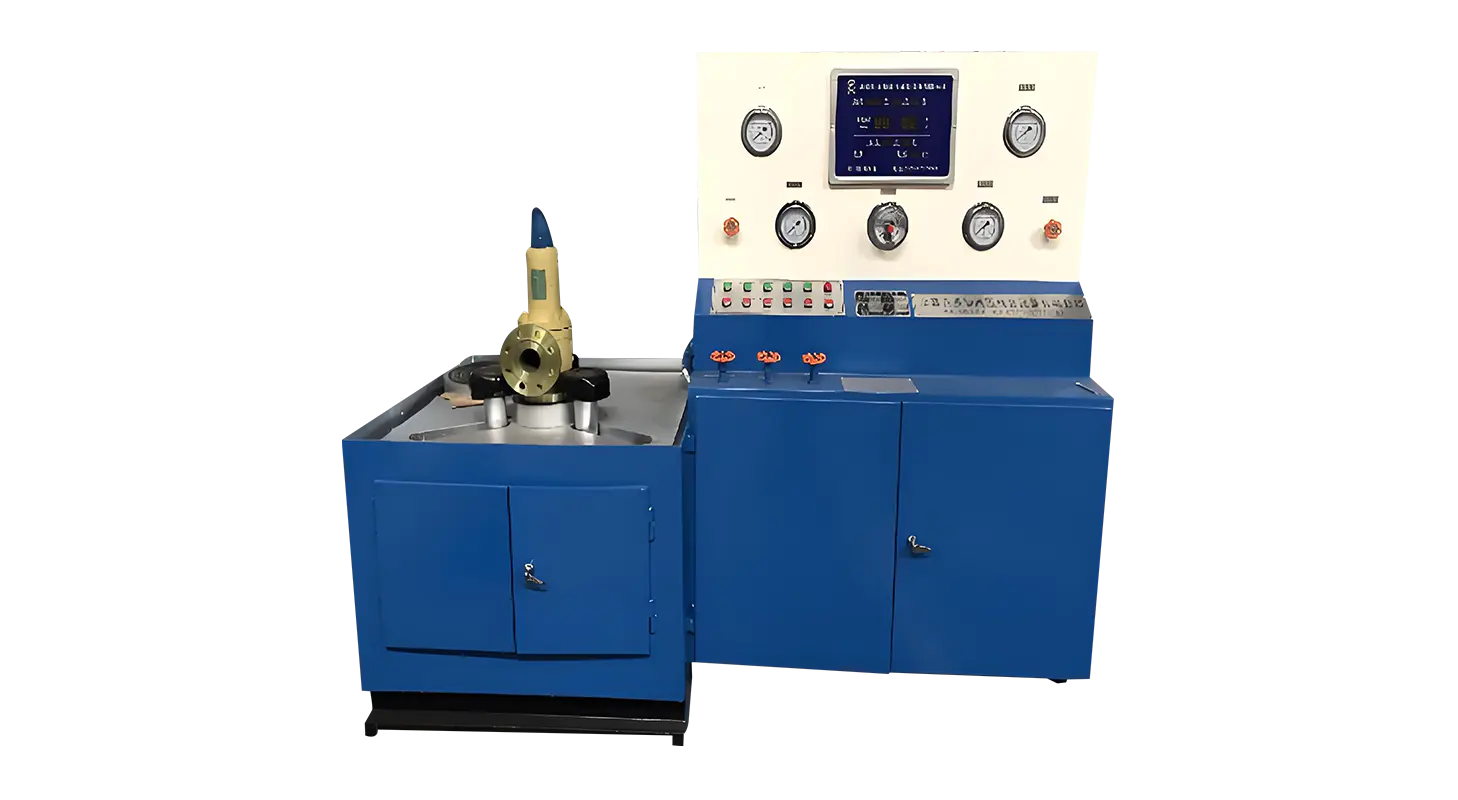
Retesting consumes more than time; it affects labor allocation, equipment availability, and delivery schedules. In many cases, retesting happens because initial test results cannot be confirmed or compared. Pressure may have been applied too quickly, held for too short a period, or influenced by external forces from improper clamping. Without a controlled environment, it becomes difficult to determine whether a valve truly meets requirements or whether the test itself introduced uncertainty.
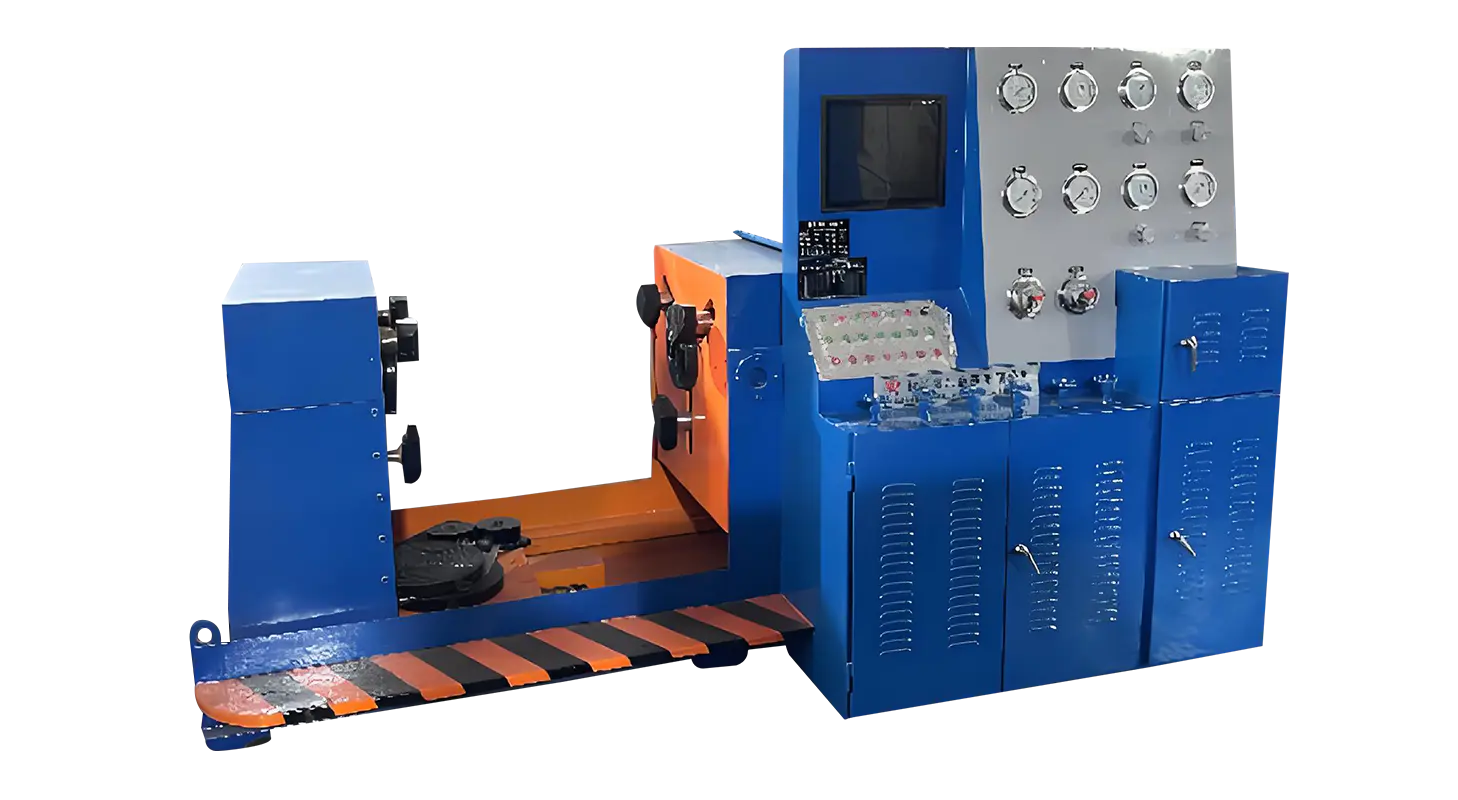
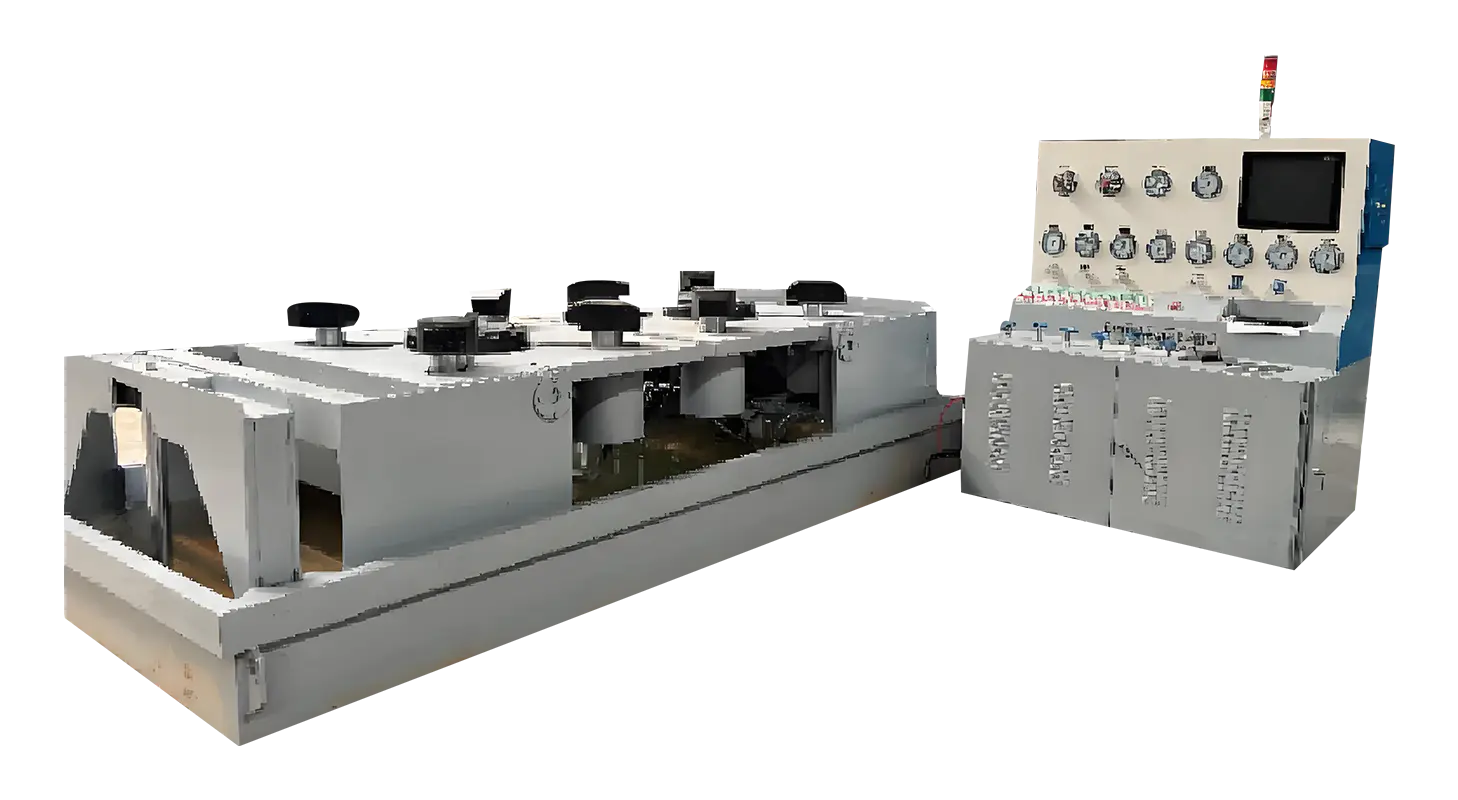
A Control Valve Test Bench provides a fixed reference environment. When valves are tested under known Valve Test Pressure ranges with standardized procedures, the need to repeat tests due to questionable results is reduced. Each test becomes more predictable, allowing engineers to focus on verification rather than repeated confirmation.
One of the main causes of retesting is inconsistent pressure buildup. Manual or improvised testing setups often apply pressure unevenly, causing fluctuating readings or unstable holding phases. When pressure cannot be raised and maintained in a controlled way, test outcomes may vary between attempts.
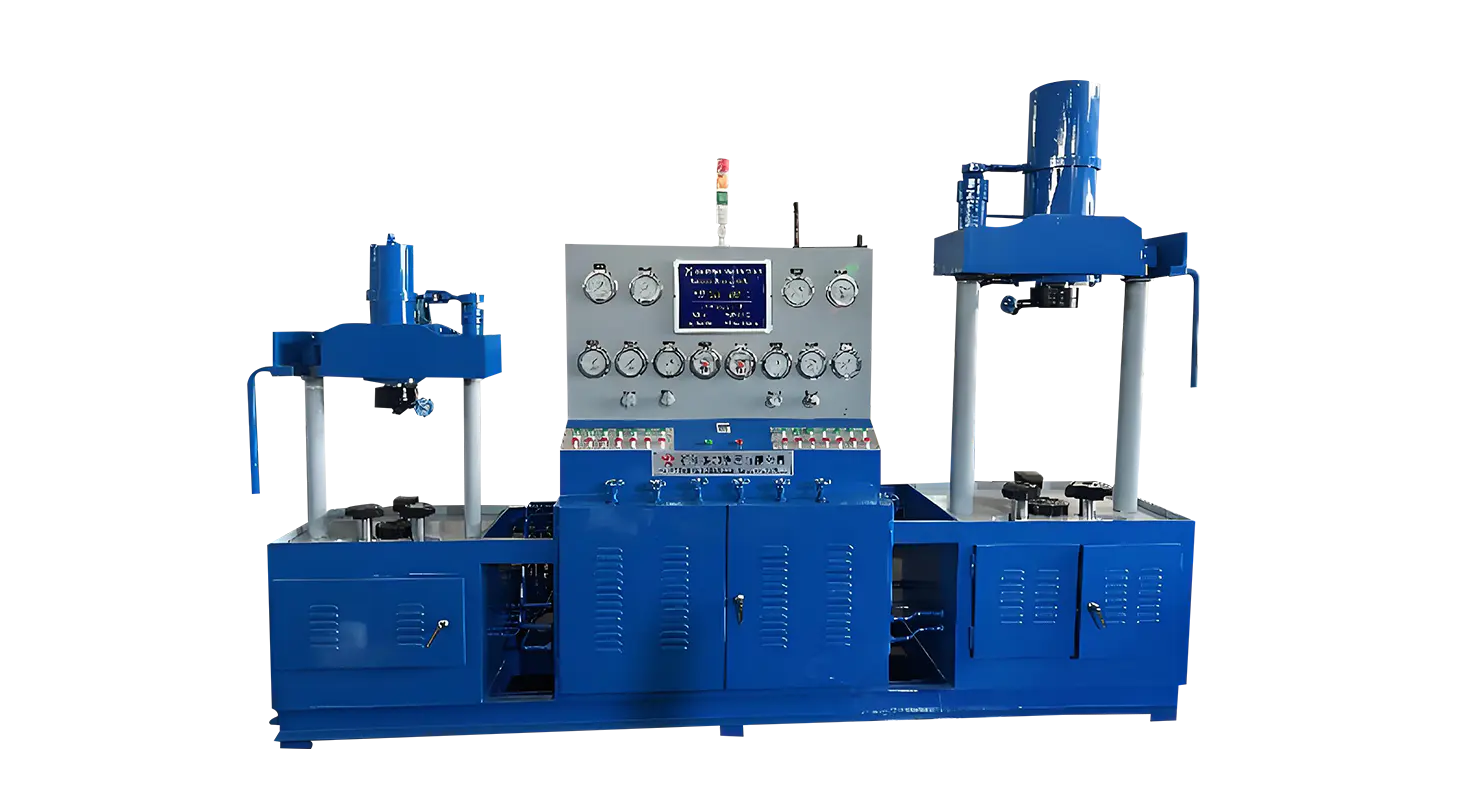
A test bench equipped with staged pumping systems allows pressure to increase in a controlled manner. Low-pressure rapid pumps handle initial filling, while high-pressure slow-increase pumps manage the final stages. Once the target Valve Test Pressure is reached, the system automatically enters a pressure-holding mode. This consistency ensures that each valve experiences the same pressure profile, making results easier to compare and less likely to trigger retesting due to uncertainty.
Another factor that contributes to retesting is improper valve fixation during testing. If a valve is clamped unevenly, external forces may affect sealing surfaces or distort the valve body slightly. Such conditions can cause leakage or pressure instability that would not occur in actual pipeline installation.
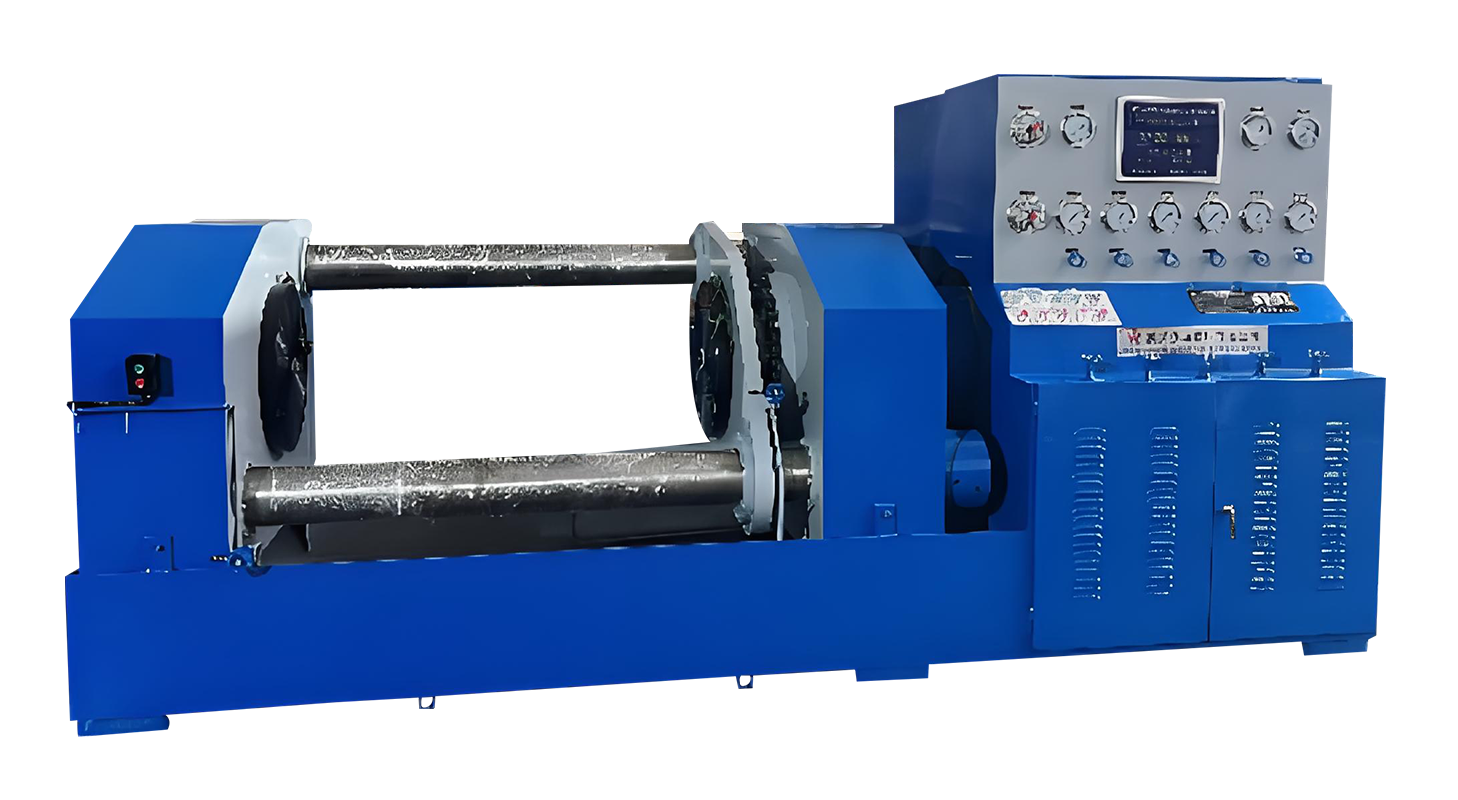
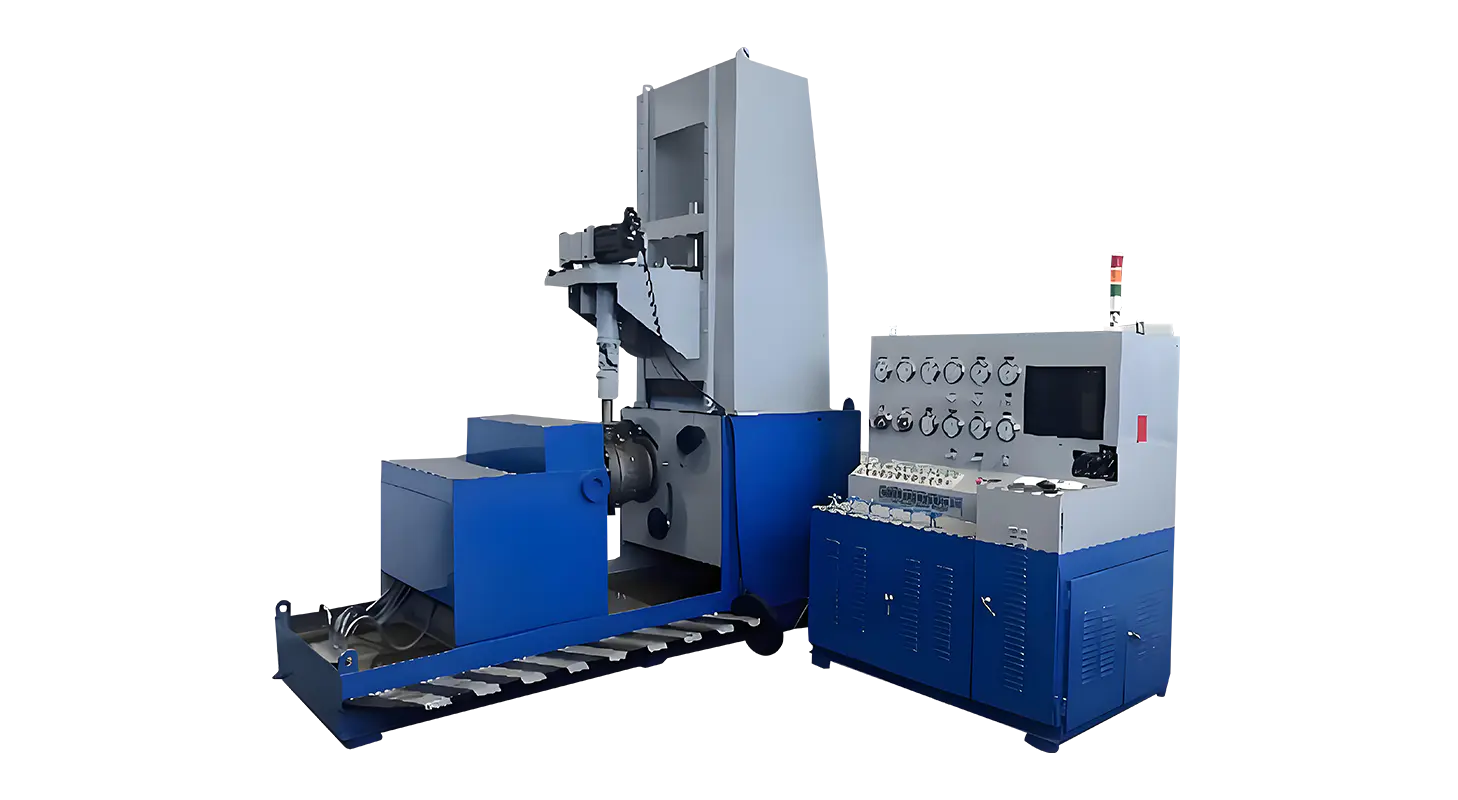
Hydraulic clamping systems on a Control Valve Test Bench apply force evenly in both radial and axial directions. By securing the valve flange without introducing additional stress, the bench ensures that any observed leakage or pressure loss is related to the valve itself. When test results clearly reflect valve performance rather than setup issues, decisions can be made with confidence, reducing the need to repeat tests under adjusted conditions.
Valves often behave differently under liquid and gas pressure. Retesting sometimes happens when a valve passes one medium test but produces unclear results under another. If switching between media is slow or poorly controlled, test conditions may change unintentionally.
A bench designed for dual media testing simplifies this process. Pipeline control valves allow operators to switch between water and gas without reconfiguring the entire setup. Water systems support pressure testing with recyclable media, while gas boosting systems handle higher-pressure requirements with controlled stabilization. When each medium test follows a defined sequence and pressure range, results are easier to interpret, reducing repeated tests caused by ambiguous transitions between water and gas testing.
Short pressure spikes may confirm that a valve can withstand a certain level, but they do not always reveal how it behaves over time. Retesting often occurs when valves show delayed leakage or pressure drop after initial approval.
On a Control Valve Test Bench, the pressure-holding phase is an integral part of the procedure. Once Valve Test Pressure is reached, the system maintains it automatically while gauges monitor stability across different ranges. This allows testers to observe gradual changes rather than relying on immediate readings. When holding time data is documented from the start, the likelihood of unexpected findings later is reduced, saving time that would otherwise be spent on retesting.
Retesting is also driven by measurement limitations. Single-gauge systems may not capture small pressure variations, especially at lower ranges. When pressure behavior cannot be clearly quantified, test reports may be questioned, prompting repeat checks.
Related Products
Contact us
Address
Sanqiao Industrial Zone, Oubei, Yongjia County, Zhejiang Province, China
Phone
+86-13676520568
Telephone number
+86-13676520568
Fax
products
Quick Links
QR CODE