English
 русский
 عربى
عربى
Get in touch
Get in touch
Feb 06, 2026
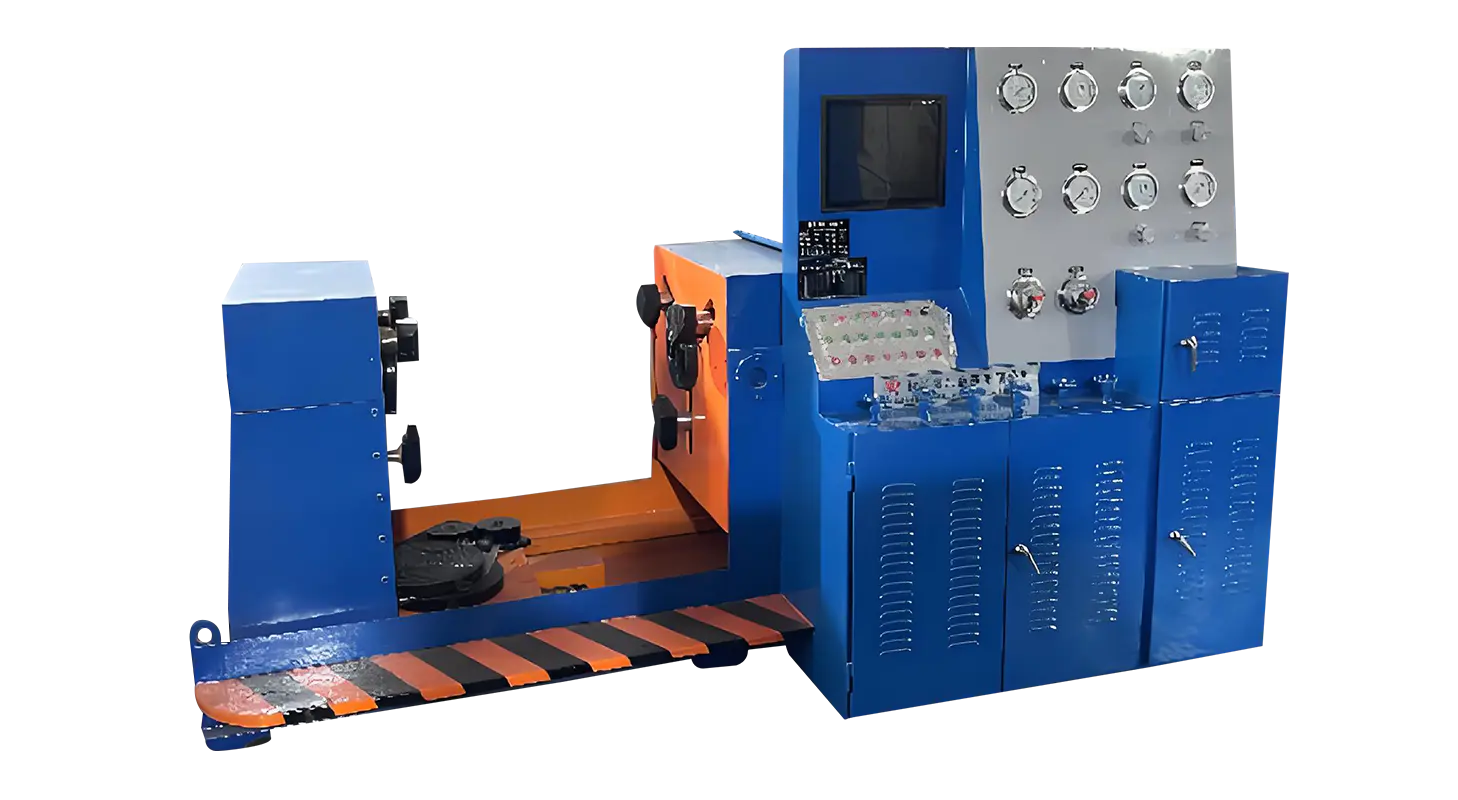
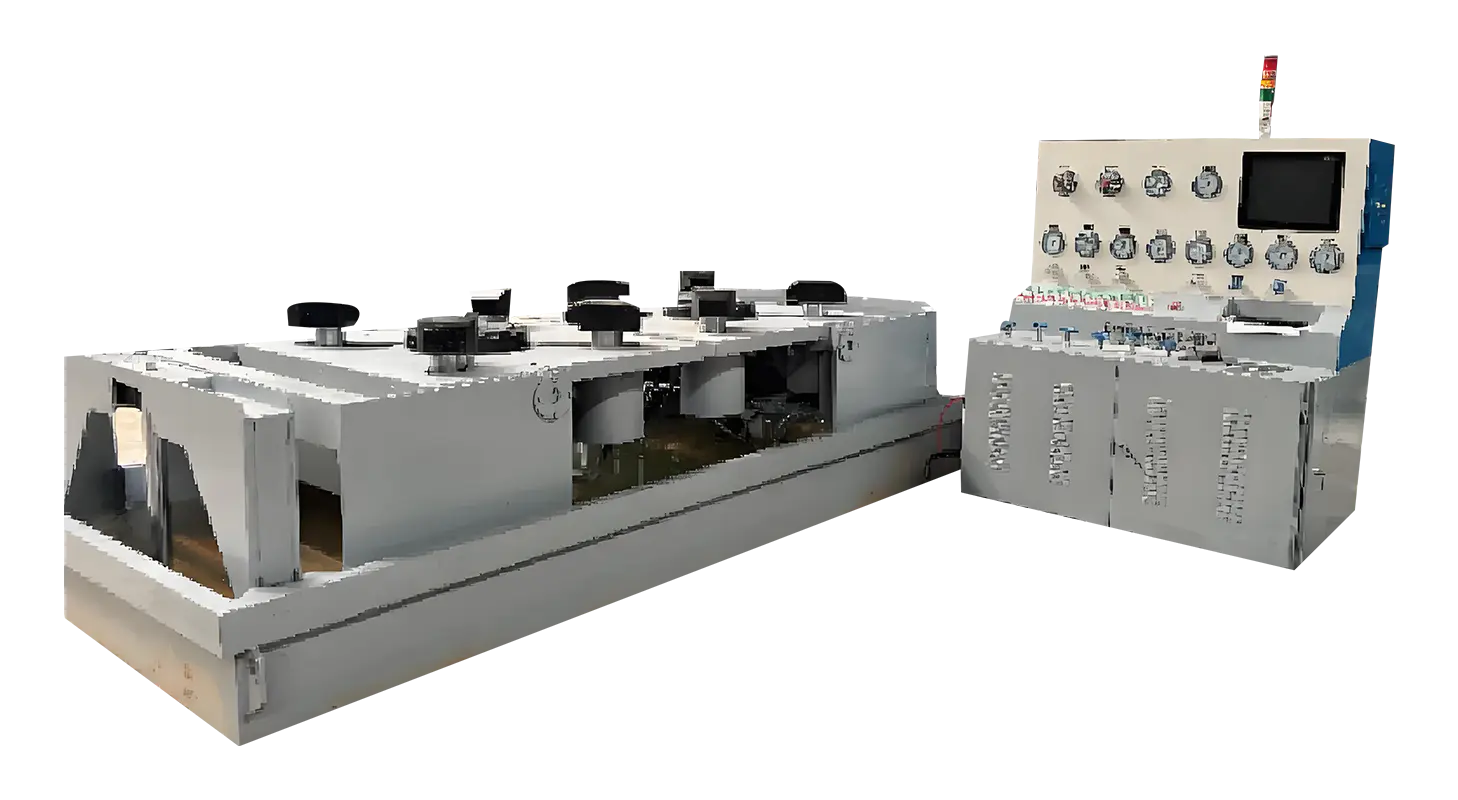
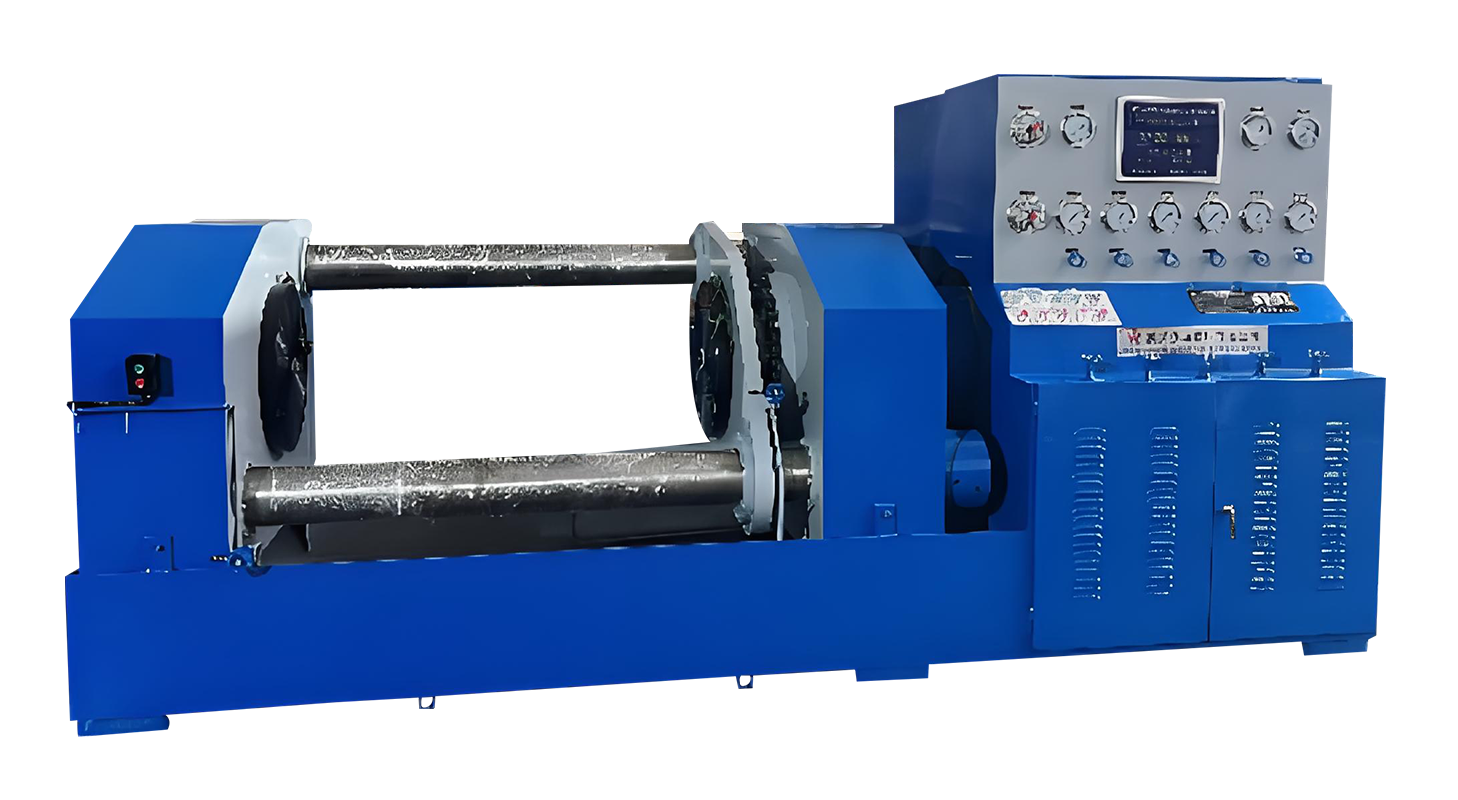
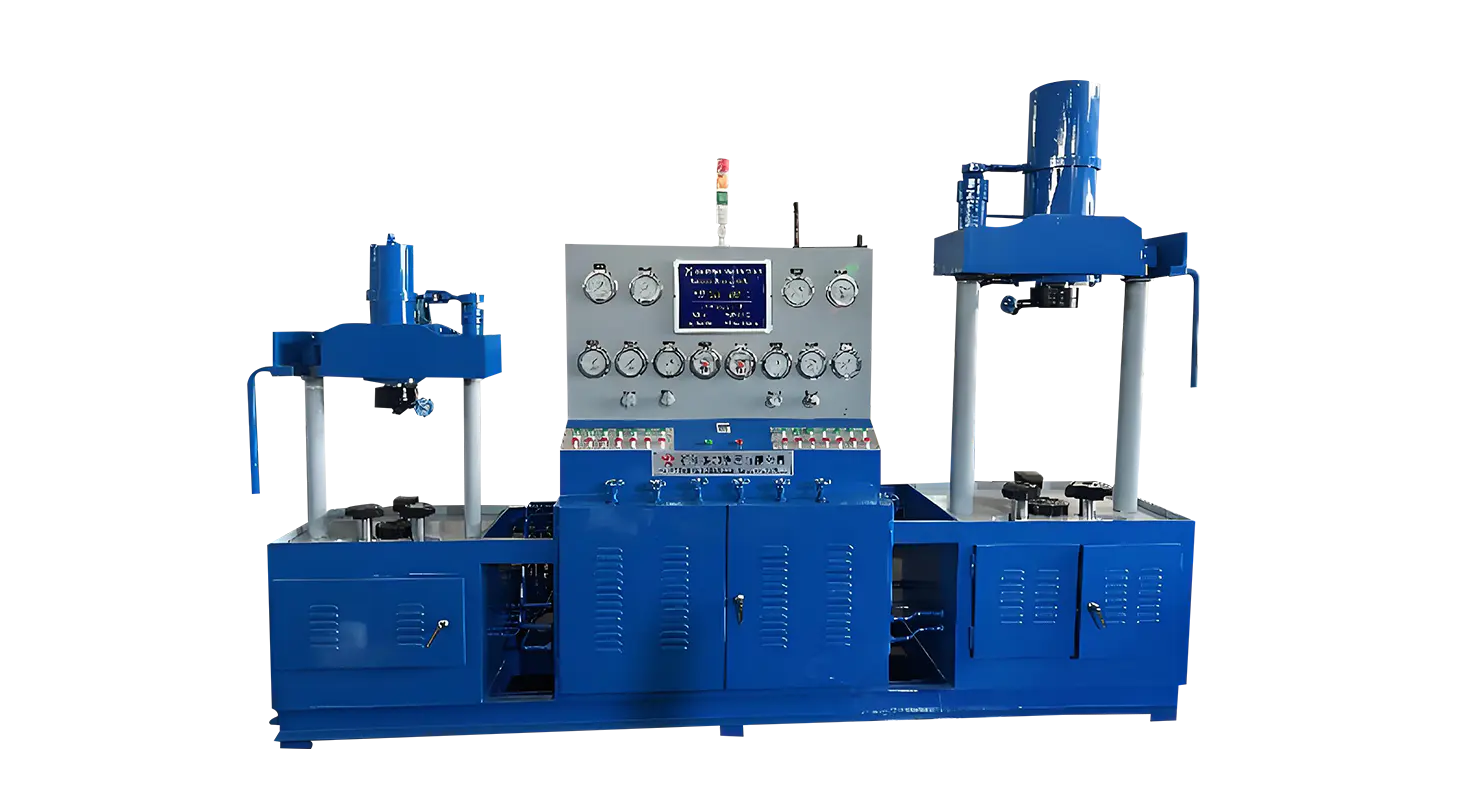
Before a control valve is installed in a pipeline or process system, its ability to withstand actual operating conditions is often assumed rather than fully verified. Pressure fluctuations, sealing behavior, and response under different media can vary significantly between laboratory assumptions and field reality. A Control Valve Test Bench, designed around controlled Valve Test Pressure conditions, provides a structured way to reduce this uncertainty. By recreating real pressure scenarios in a controlled environment, such equipment helps engineers understand how a valve will behave once it enters service, and where potential risks may exist before they turn into operational issues.
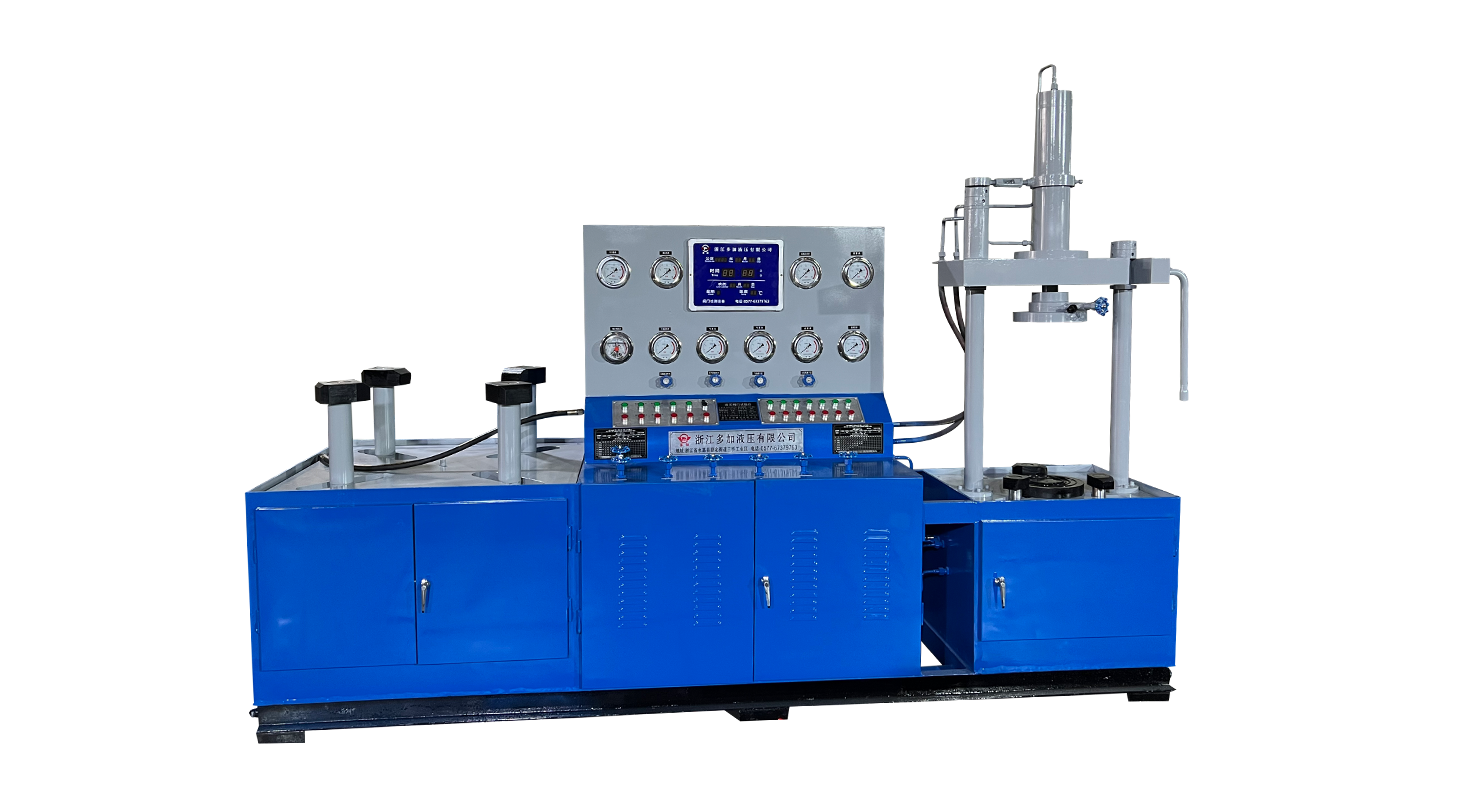
Field reliability depends largely on whether a control valve can handle the pressure ranges it will encounter during normal operation and abnormal events. A test bench allows valves to be tested under water or gas media, reflecting the different stresses encountered in liquid and compressible systems. Unlike simplified checks, the test bench applies pressure gradually and holds it at set values, making it possible to observe how the valve reacts as pressure builds and stabilizes.
This approach is especially useful for valves used in systems with frequent pressure changes. By testing under defined Valve Test Pressure ranges, engineers can verify whether sealing surfaces maintain contact, whether internal components remain stable, and whether any leakage develops over time rather than only at peak pressure. These observations provide insight that is difficult to obtain once the valve is already installed in the field.
One of the less visible but critical aspects of valve testing is how the valve is fixed during the test. Improper clamping can introduce external forces that distort results and hide real performance characteristics. A hydraulic clamping system that applies force evenly along the flange helps ensure that the test focuses on the valve itself rather than on mounting artifacts.
On a Control Valve Test Bench designed with radial and axial hydraulic movement, the clamping jaws adapt to different valve sizes and flange types while maintaining consistent force distribution. This uniformity allows the sealing surface to experience pressure conditions similar to those in actual pipelines. As a result, test data related to Valve Test Pressure becomes more representative of real operation, supporting better judgment about whether a valve is suitable for its intended application.
Control valves often face different challenges depending on whether they operate in liquid or gas systems. Water testing is commonly used to evaluate structural integrity and general sealing performance, while gas testing highlights small leaks that may not appear under liquid conditions. A test bench that supports both media allows users to examine these differences directly.
During water pressure testing, recyclable water systems and controlled discharge paths make it possible to repeat tests efficiently while monitoring pressure stability. Gas pressure testing, supported by a boosting system and stabilization tank, introduces a different set of conditions, including compressibility and rapid energy release. Testing under both media helps clarify how a valve will behave during startup, shutdown, or upset conditions in the field, contributing to more informed decisions about deployment.
Sudden pressure application can mask how a valve responds during gradual load changes. A well-designed test bench uses a combination of low-pressure rapid pumps and high-pressure slow-increase pumps. This configuration allows pressure to rise in stages, giving operators time to observe intermediate behavior rather than only end results.
Once the target Valve Test Pressure is reached, the system can automatically enter a pressure-holding phase. Holding pressure over a defined time period reveals whether sealing performance remains stable or degrades under sustained load. This information is particularly valuable for applications where valves remain under constant pressure for long durations. Field reliability improves when valves are selected based on demonstrated behavior under these sustained conditions rather than short-term tests alone.
Testing at elevated pressures involves inherent risks, especially during gas testing. A Control Valve Test Bench equipped with zero-pressure safety protection addresses this concern by ensuring that valves cannot be removed until internal pressure is fully released. This design reduces the likelihood of accidental discharge during handling and reinforces standardized testing procedures.
From a reliability perspective, safety features also contribute indirectly to better data quality. When operators are confident that the system enforces pressure release protocols, they are more likely to follow proper test sequences and avoid shortcuts. Consistent procedures lead to more consistent results, which in turn support more accurate assessments of valve performance before field installation.
Related Products
Contact us
Address
Sanqiao Industrial Zone, Oubei, Yongjia County, Zhejiang Province, China
Phone
+86-13676520568
Telephone number
+86-13676520568
Fax
products
Quick Links
QR CODE