English
 русский
 عربى
عربى
Get in touch
Get in touch
Jan 30, 2026
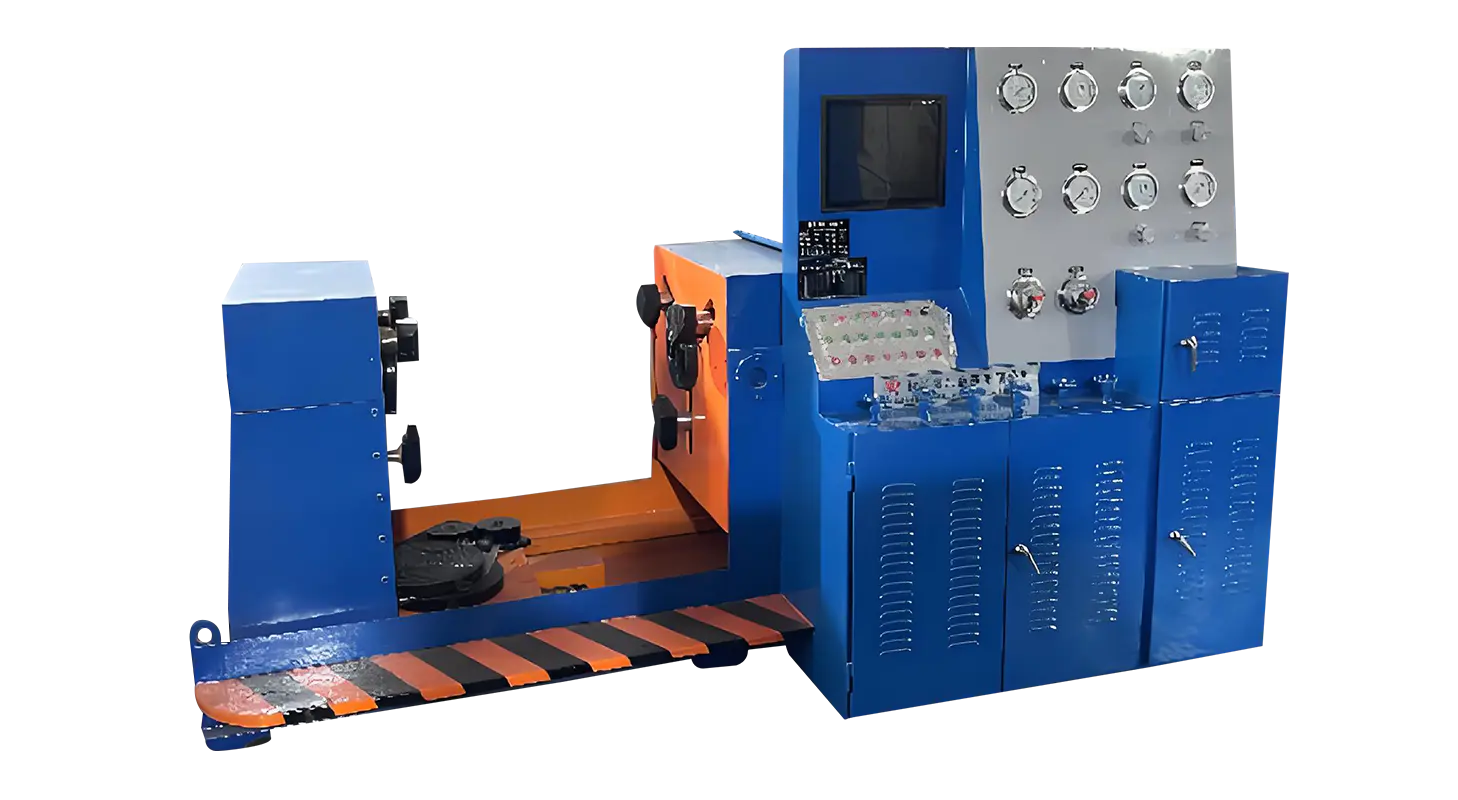
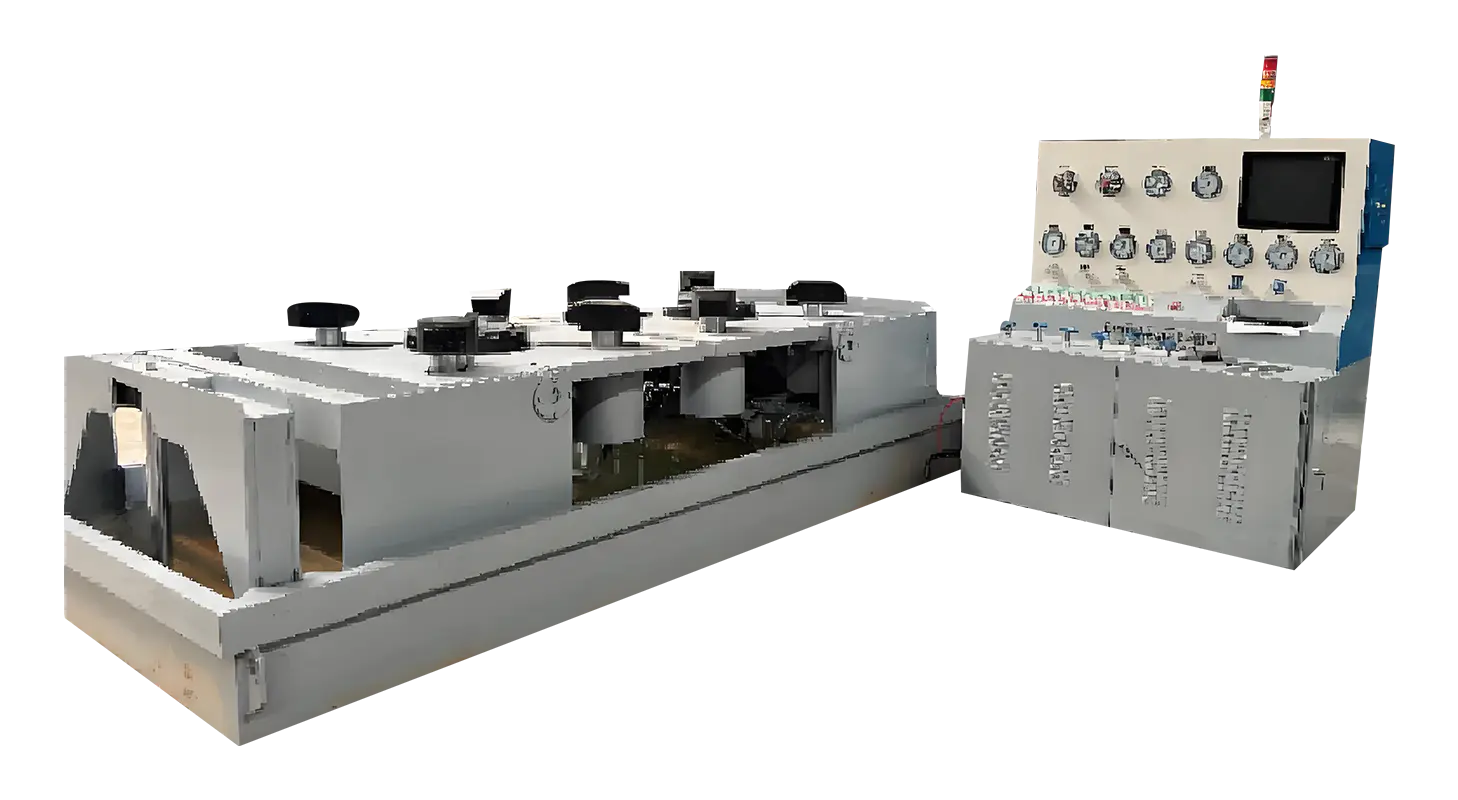
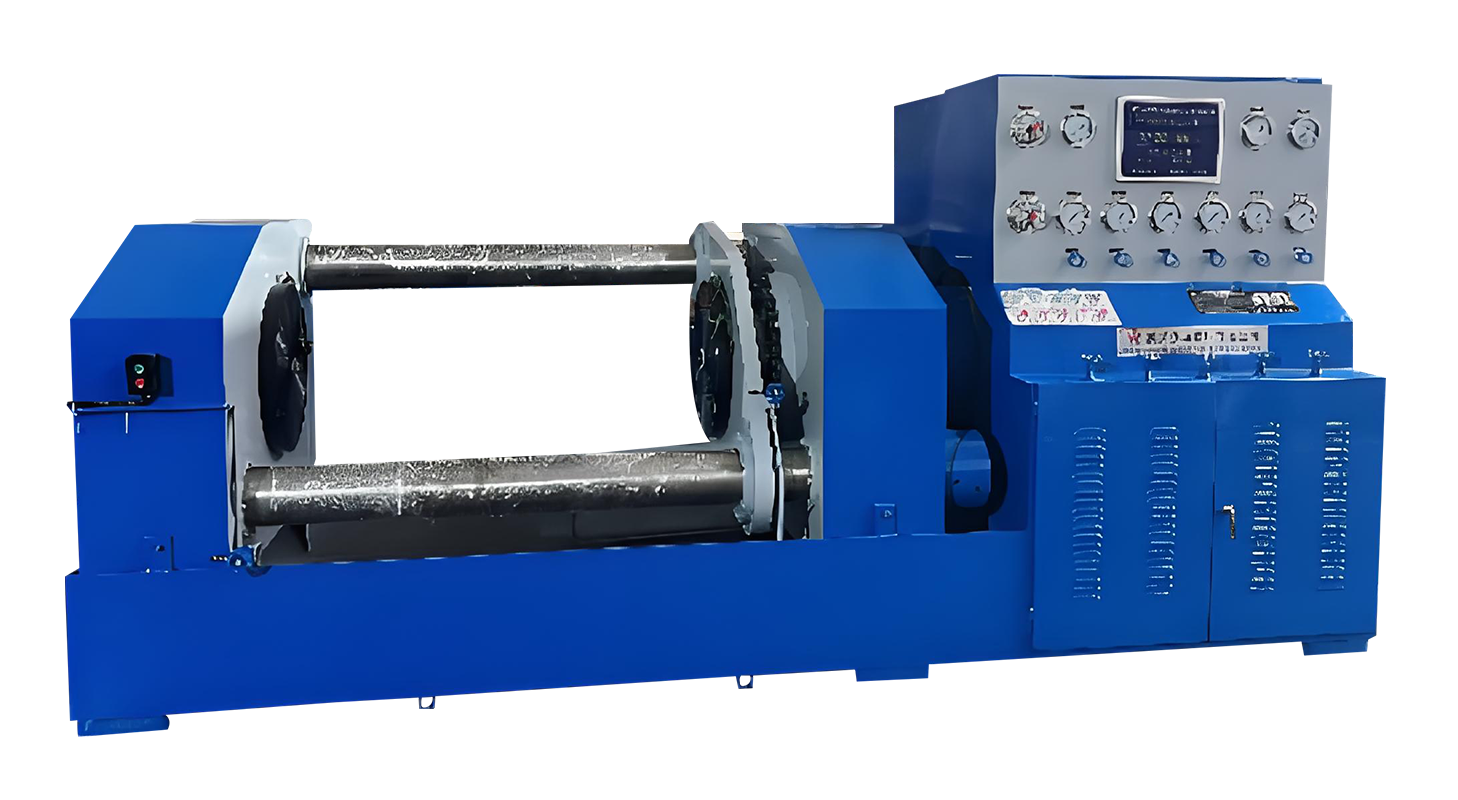
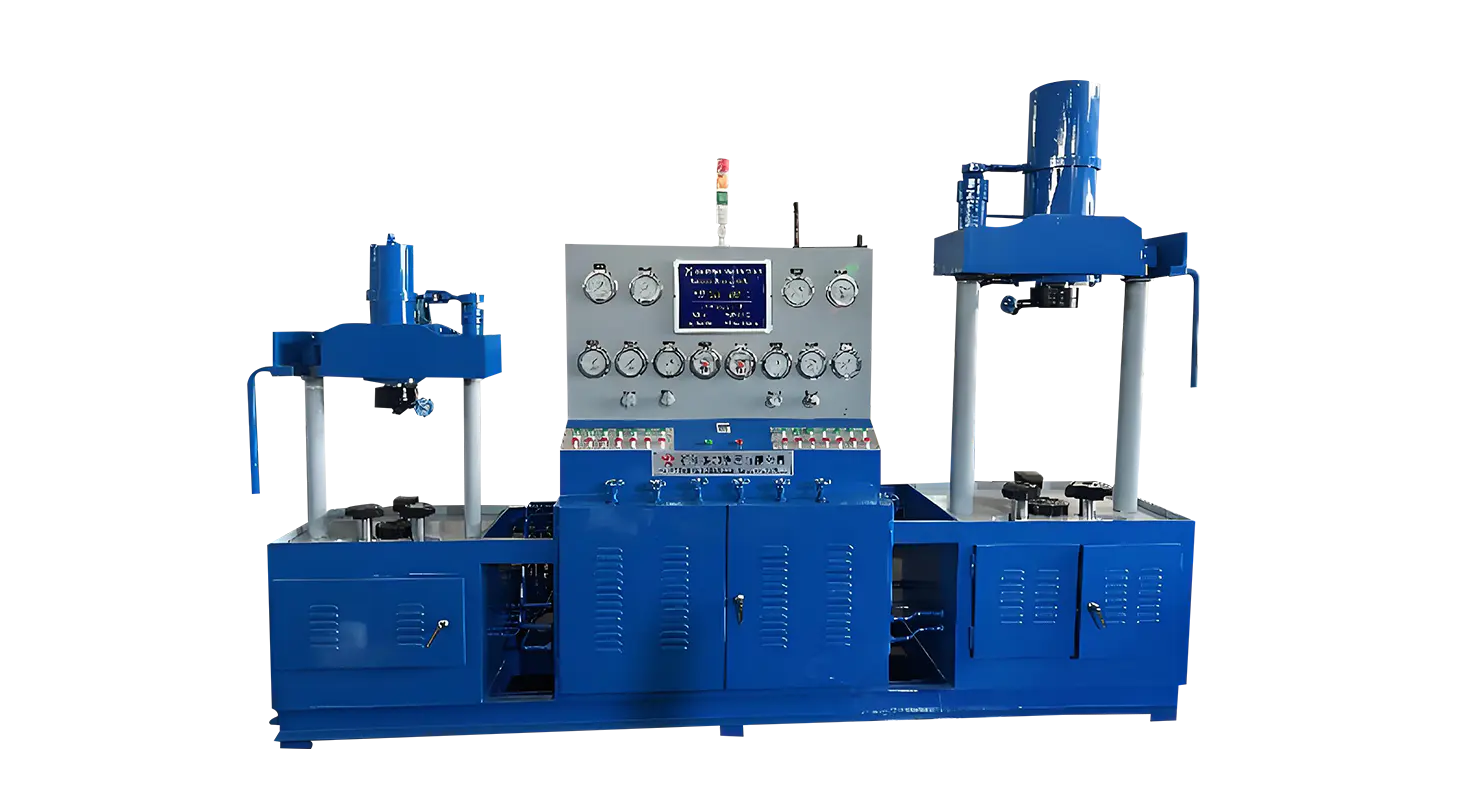
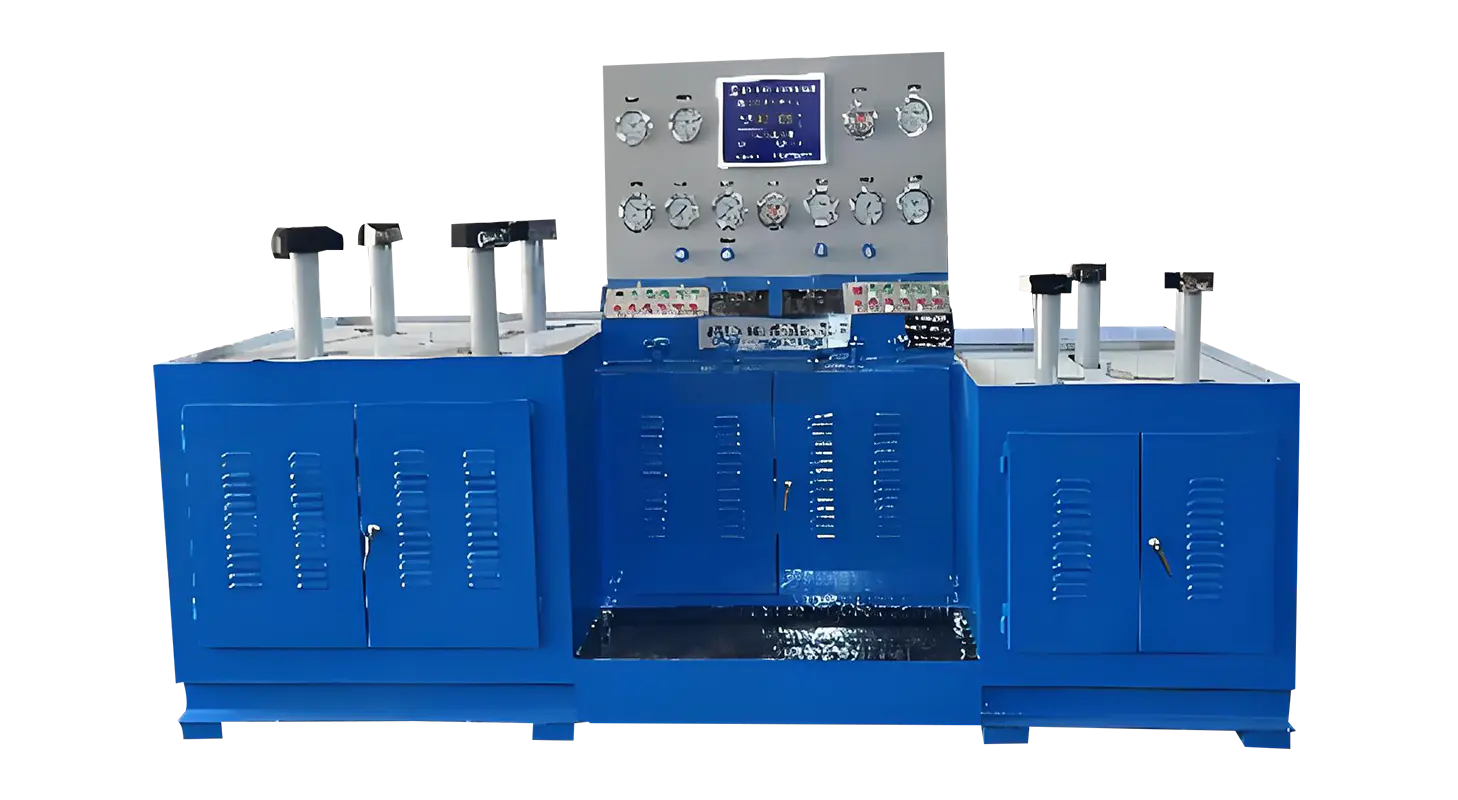
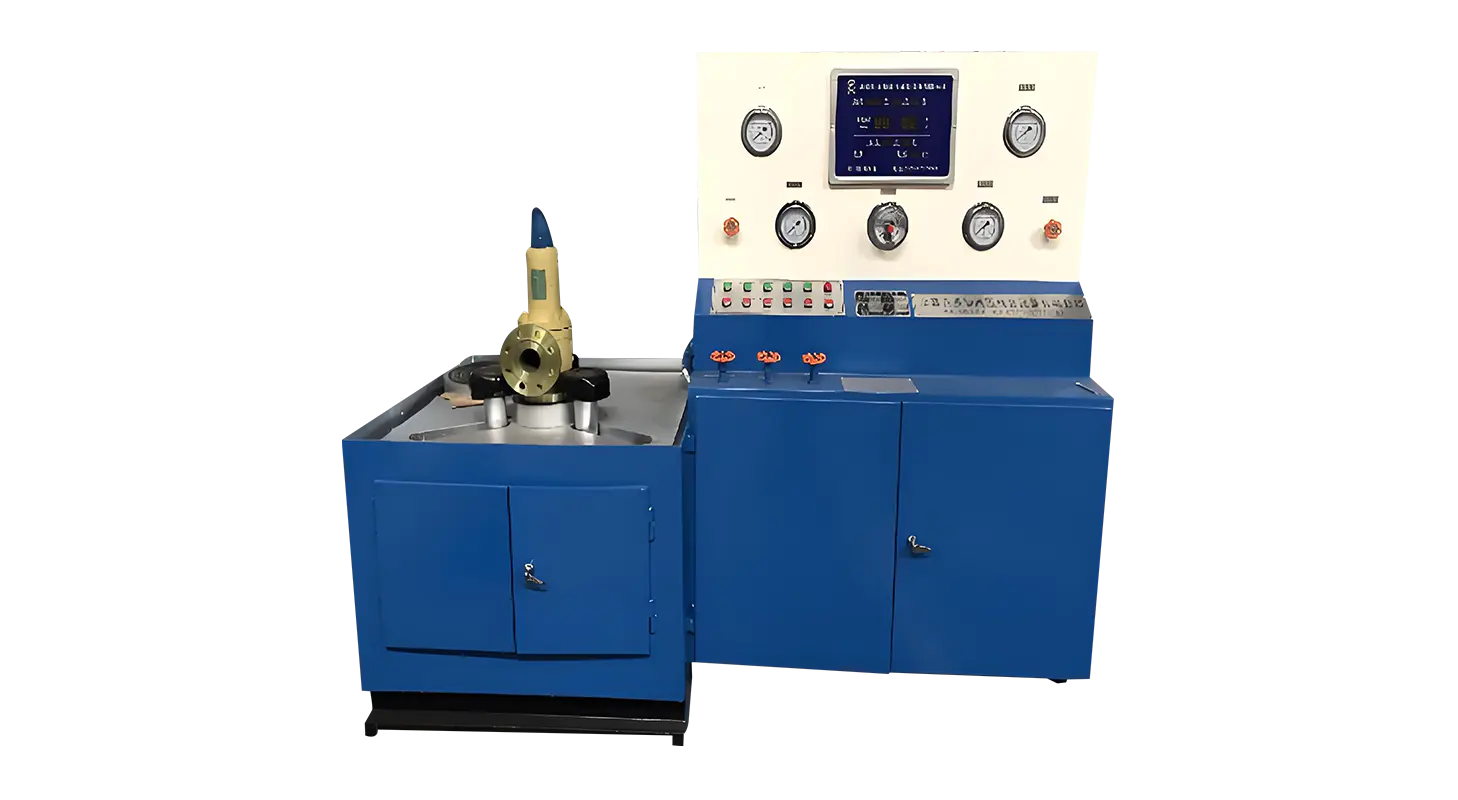
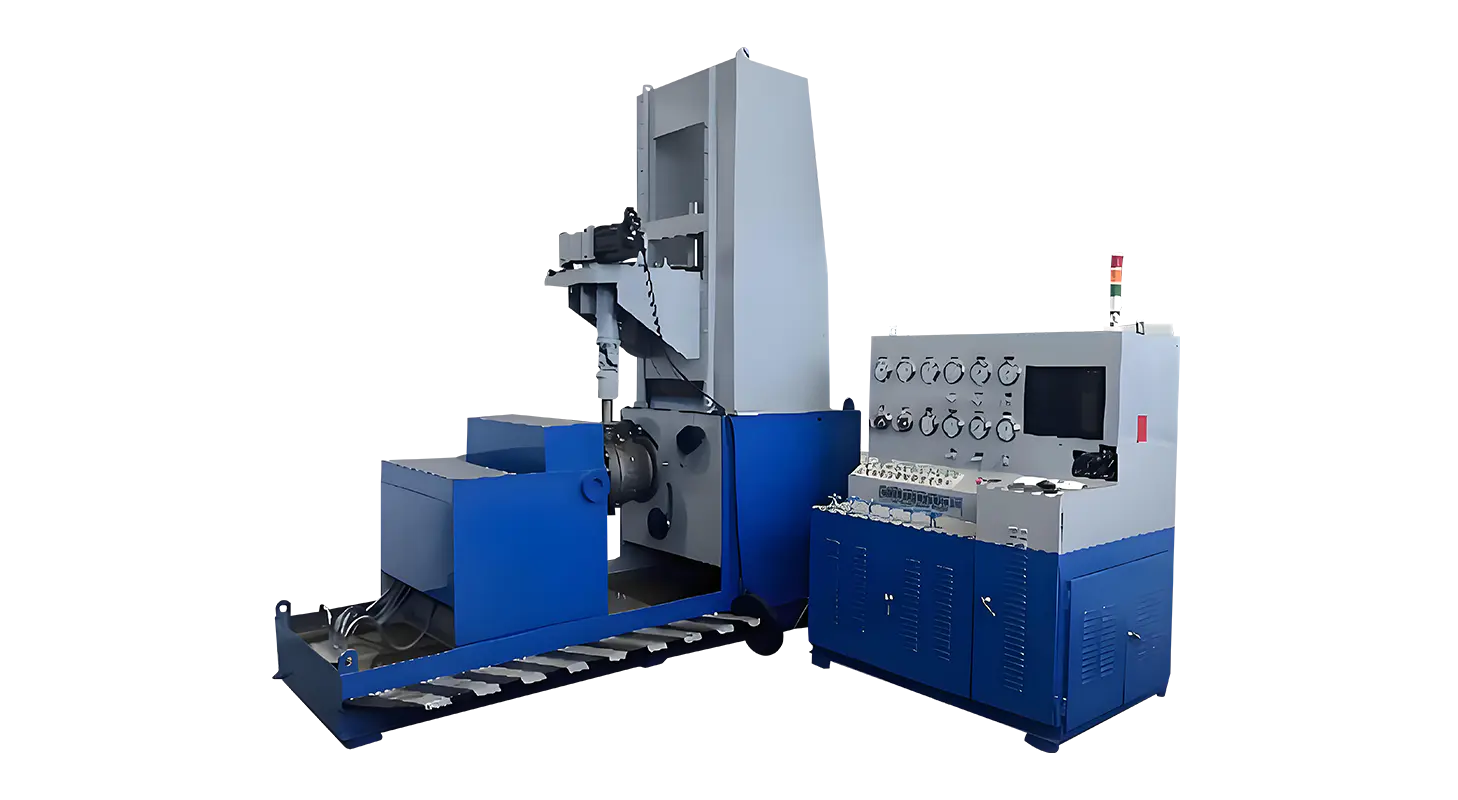
Pressure verification is a critical step in valve manufacturing and maintenance, ensuring that valves meet operational specifications before deployment. Valve Test Equipment and the Gate Valve Test Bench provide structured methods to assess pressure performance, allowing manufacturers and service providers to evaluate sealing, structural integrity, and functional reliability under controlled conditions. Understanding how a Gate Valve Test Bench supports pressure verification helps clarify its practical application within production and service workflows.
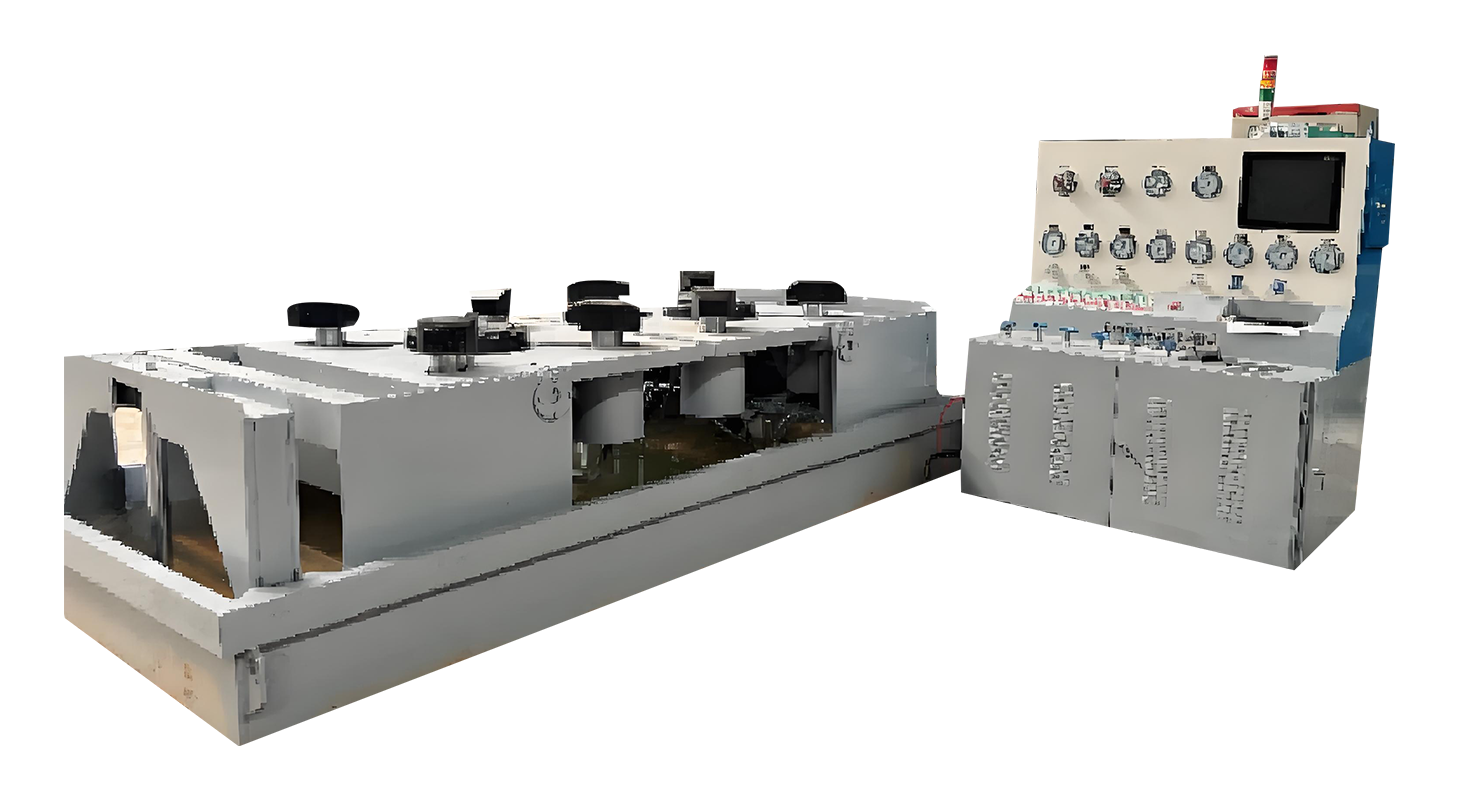
Pressure verification evaluates a valve’s ability to withstand designated pressures without leakage or deformation. This is important for gate valves used in water distribution, energy pipelines, and industrial systems where fluid containment and operational safety are required. Valve test equipment provides a controlled environment for hydrostatic, pneumatic, and functional tests, ensuring that pressure performance is assessed consistently across batches.
Gate Valve Test Benches are often integrated close to assembly or service lines, allowing pressure tests to be conducted immediately after assembly or maintenance. This placement reduces the risk of non-conforming valves progressing further in the production process and enables rapid identification of issues that might require adjustment or repair.
Gate valves come in various sizes, materials, and pressure ratings, and testing requirements can differ depending on regulatory standards or customer specifications. A Gate Valve Test Bench allows operators to adjust test parameters such as pressure levels, hold duration, and test medium to meet these requirements.
Valve Test Equipment can accommodate different operational scenarios, including hydrostatic testing with water, pneumatic testing with air or inert gases, and functional verification under simulated load conditions. Predefined test sequences or configurable programs help maintain consistency in execution, providing a uniform approach to pressure verification for multiple valve types.
Automated pressure control and data logging are common features in modern valve test systems. Automation reduces variability from manual handling and ensures that valves undergo consistent pressurization cycles. Sensors monitor pressure levels, detect leakage, and record real-time measurements throughout the testing process.
Data logging captures pressure curves, duration of hold, and any deviations from expected performance. This documentation is useful for internal quality audits, regulatory inspections, or project reporting. By providing a record of each test, the system supports traceability and helps operators interpret results with greater clarity.
A Gate Valve Test Bench can be positioned to align with assembly lines, repair stations, or inspection areas. Integrating testing at these points enables immediate verification after assembly or refurbishment, reducing downtime caused by delayed detection of pressure issues.
Flexible fixtures and adjustable connections allow a single test bench to accommodate different gate valve sizes and specifications without extensive mechanical modification. This adaptability supports workflow continuity and efficient use of production or service resources.
Accuracy in pressure verification depends on properly maintained and calibrated equipment. Pressure sensors, control valves, and connectors require routine calibration to ensure readings are within the expected range. Regular inspection of hoses, seals, and fittings also prevents unintended pressure loss or leakage that could influence test results.
By following maintenance routines and calibration schedules, operators can maintain consistent test conditions and obtain repeatable results. This consistency helps maintain uniformity in pressure verification across multiple valves and testing sessions.
Pressure verification is often tied to industry standards such as ISO, API, or ANSI, which define allowable pressure ranges, hold times, and leakage limits. Gate Valve Test Benches can be programmed to follow these specifications, ensuring that each valve is tested according to the required protocols.
Documentation generated by the test equipment provides evidence that valves have been evaluated according to applicable standards. This supports regulatory compliance, customer assurance, and internal quality control, offering clarity and transparency throughout production or service workflows.
When selecting and implementing a Gate Valve Test Bench, it is important to consider the types of valves being tested, the required pressure ranges, and workflow integration. Configurable systems with automated sequences, data logging, and adjustable fixtures allow operators to manage testing efficiently while maintaining consistent assessment criteria.
Valve Test Equipment and Gate Valve Test Benches provide structured methods for evaluating pressure performance, supporting consistent testing, documentation, and workflow alignment. Understanding these factors helps manufacturers and service providers implement testing processes that fit practical production and verification needs without adding unnecessary complexity.
Related Products
Contact us
Address
Sanqiao Industrial Zone, Oubei, Yongjia County, Zhejiang Province, China
Phone
+86-13676520568
Telephone number
+86-13676520568
Fax
products
Quick Links
QR CODE