English
 русский
 عربى
عربى
Get in touch
Get in touch
Jan 23, 2026
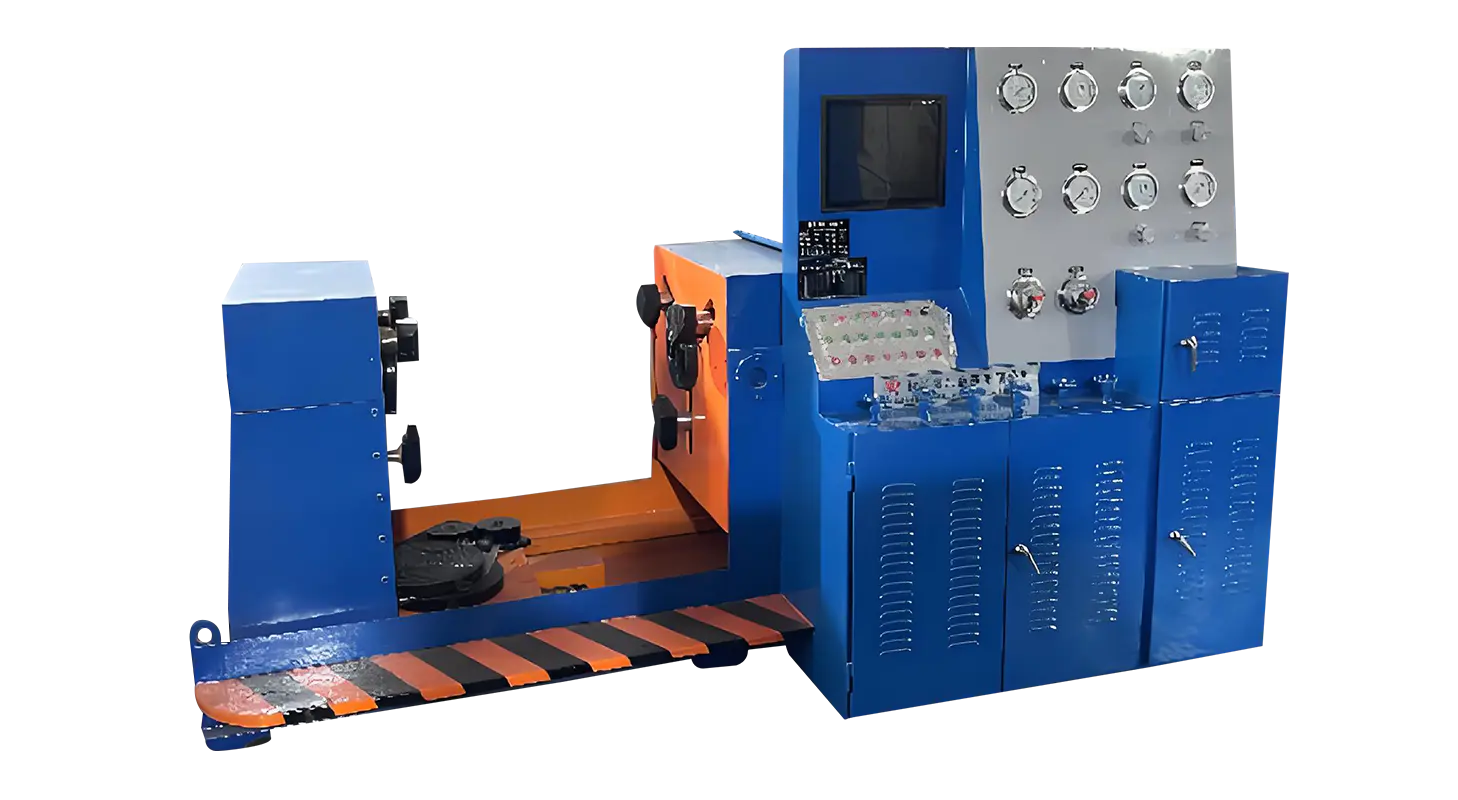
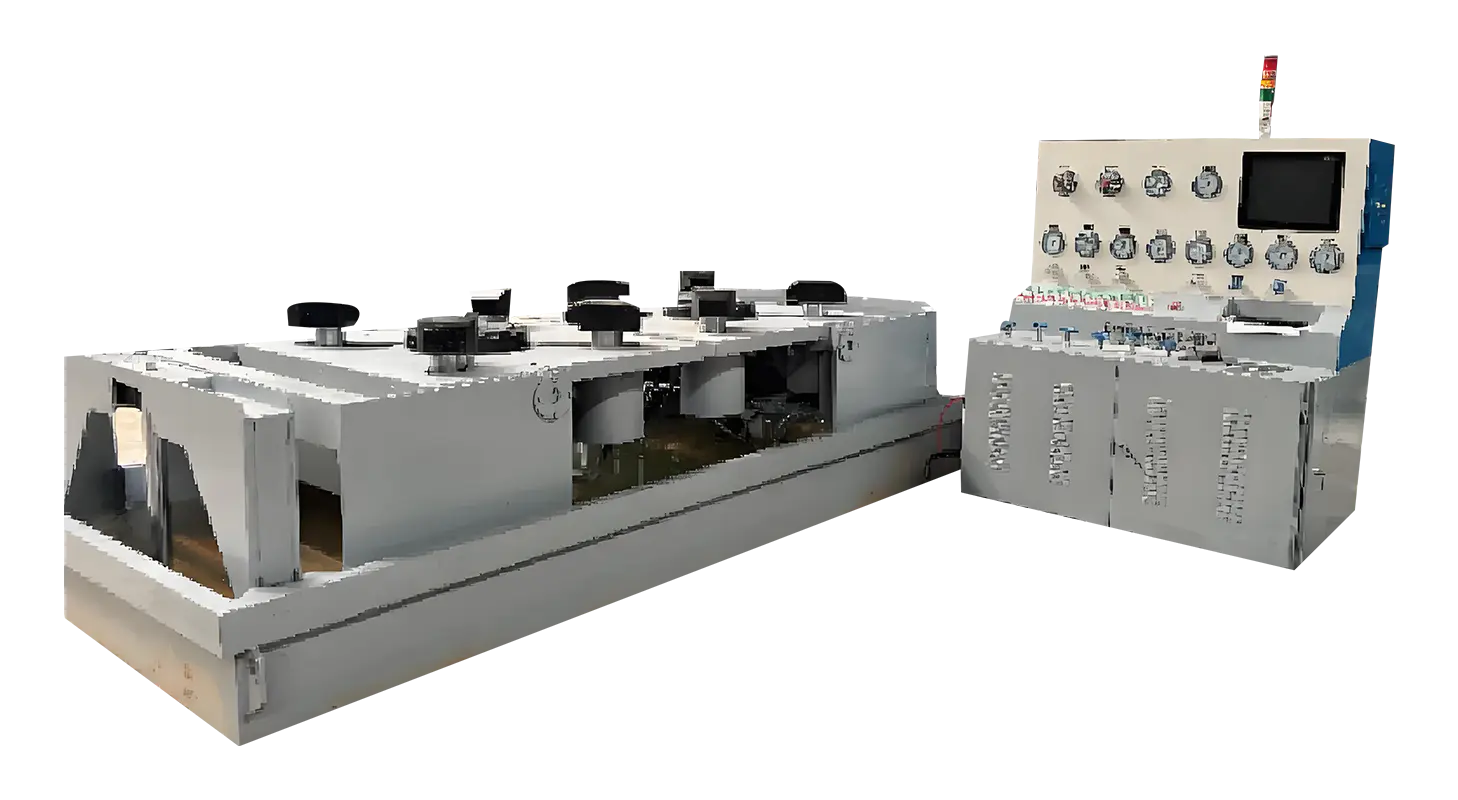
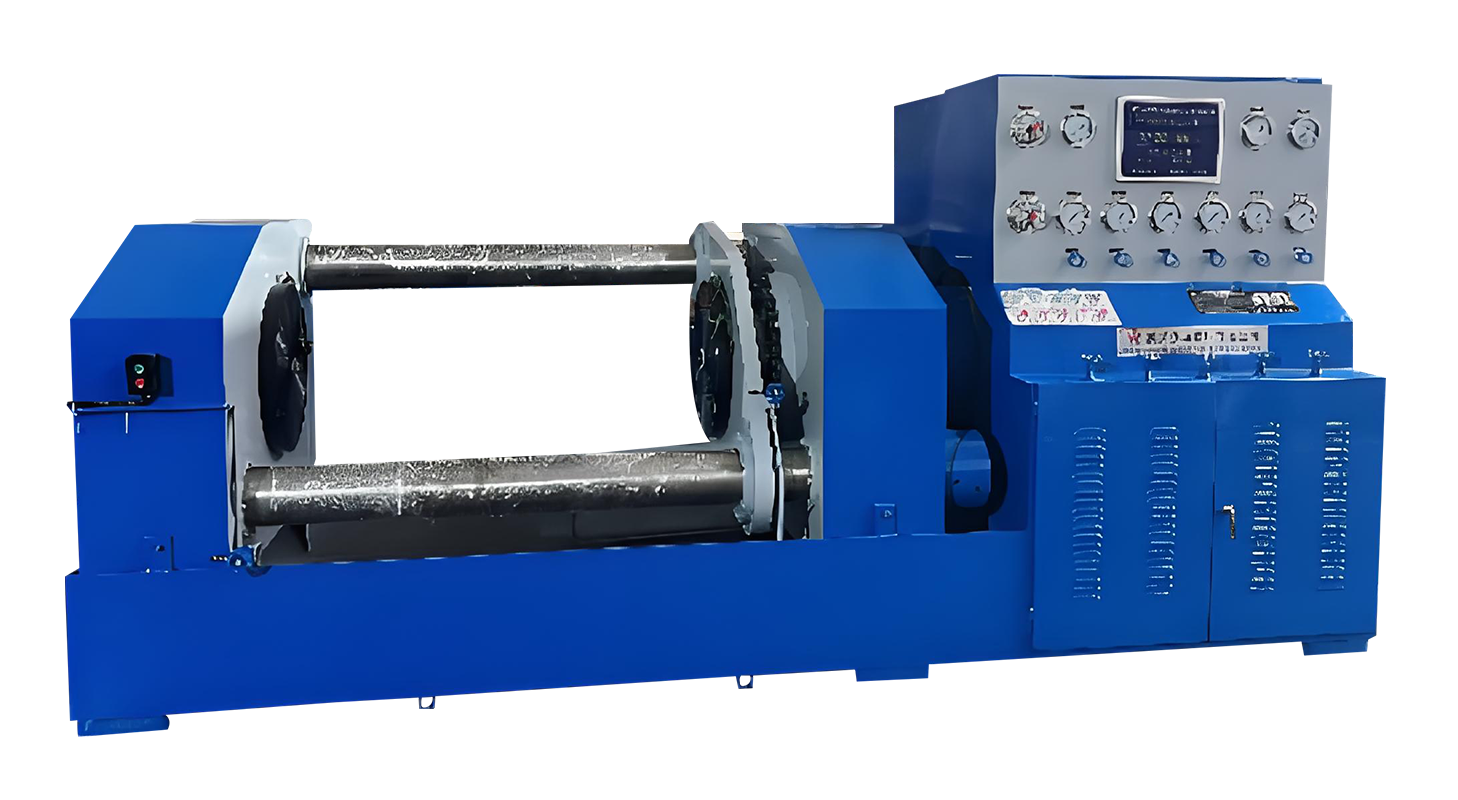
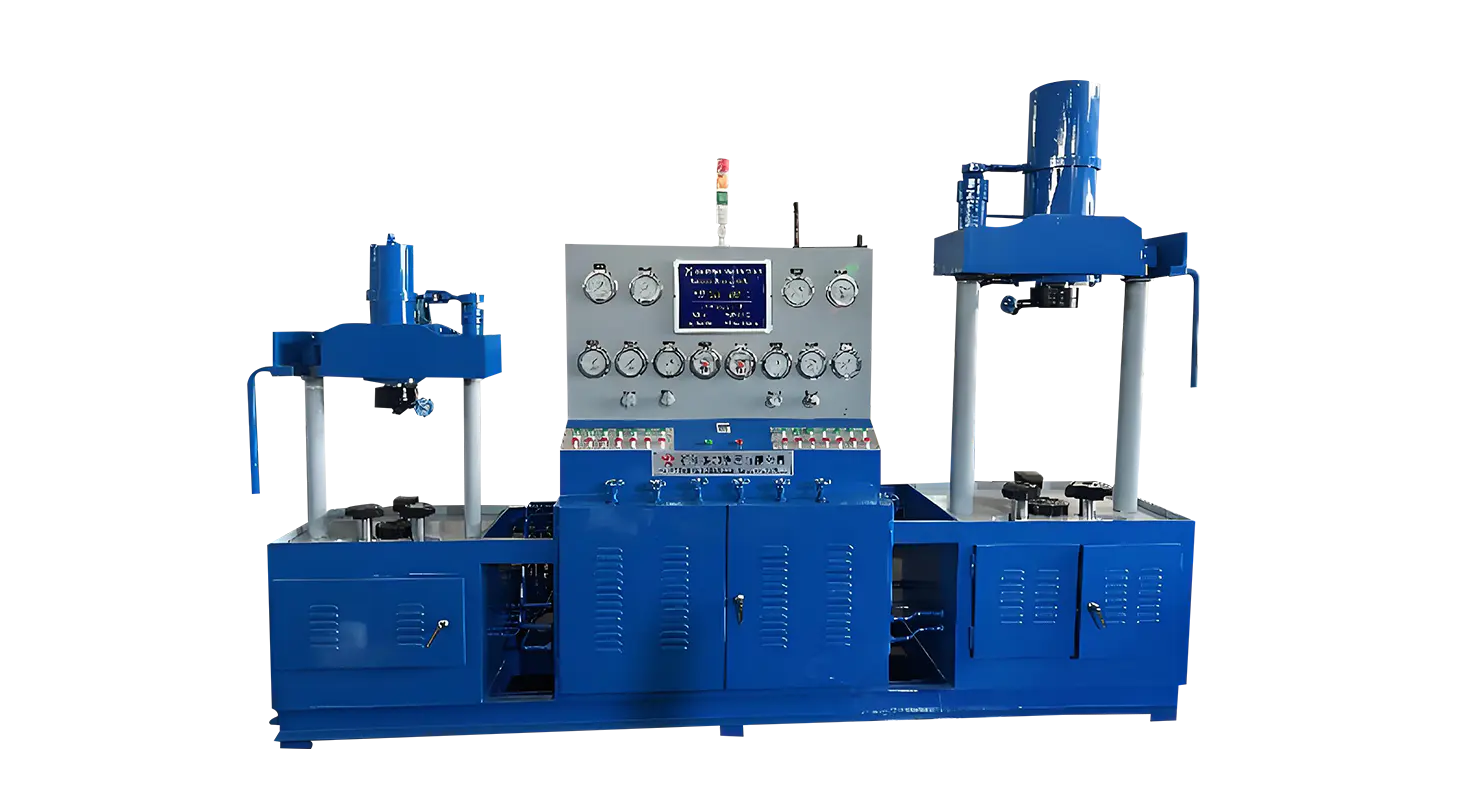
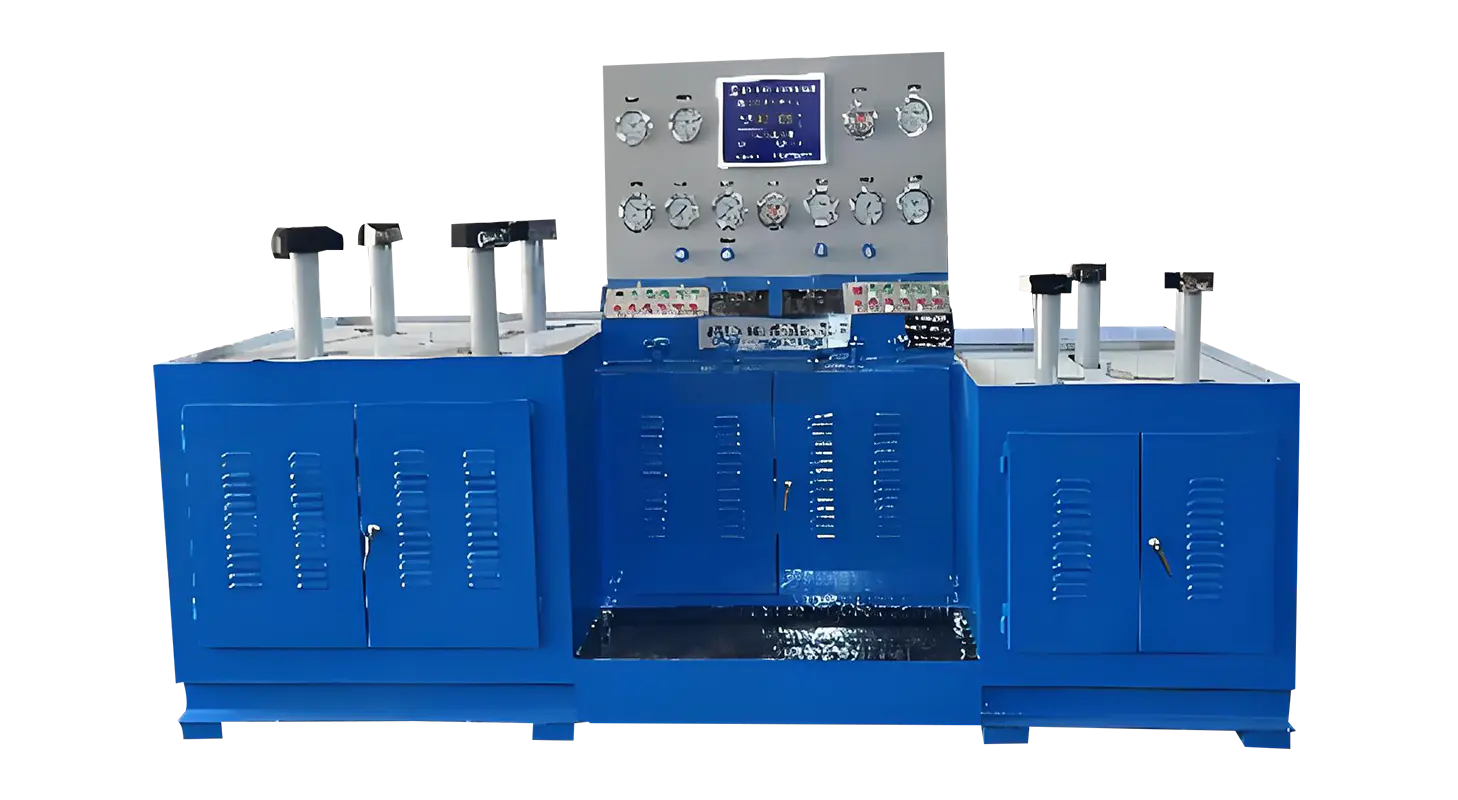
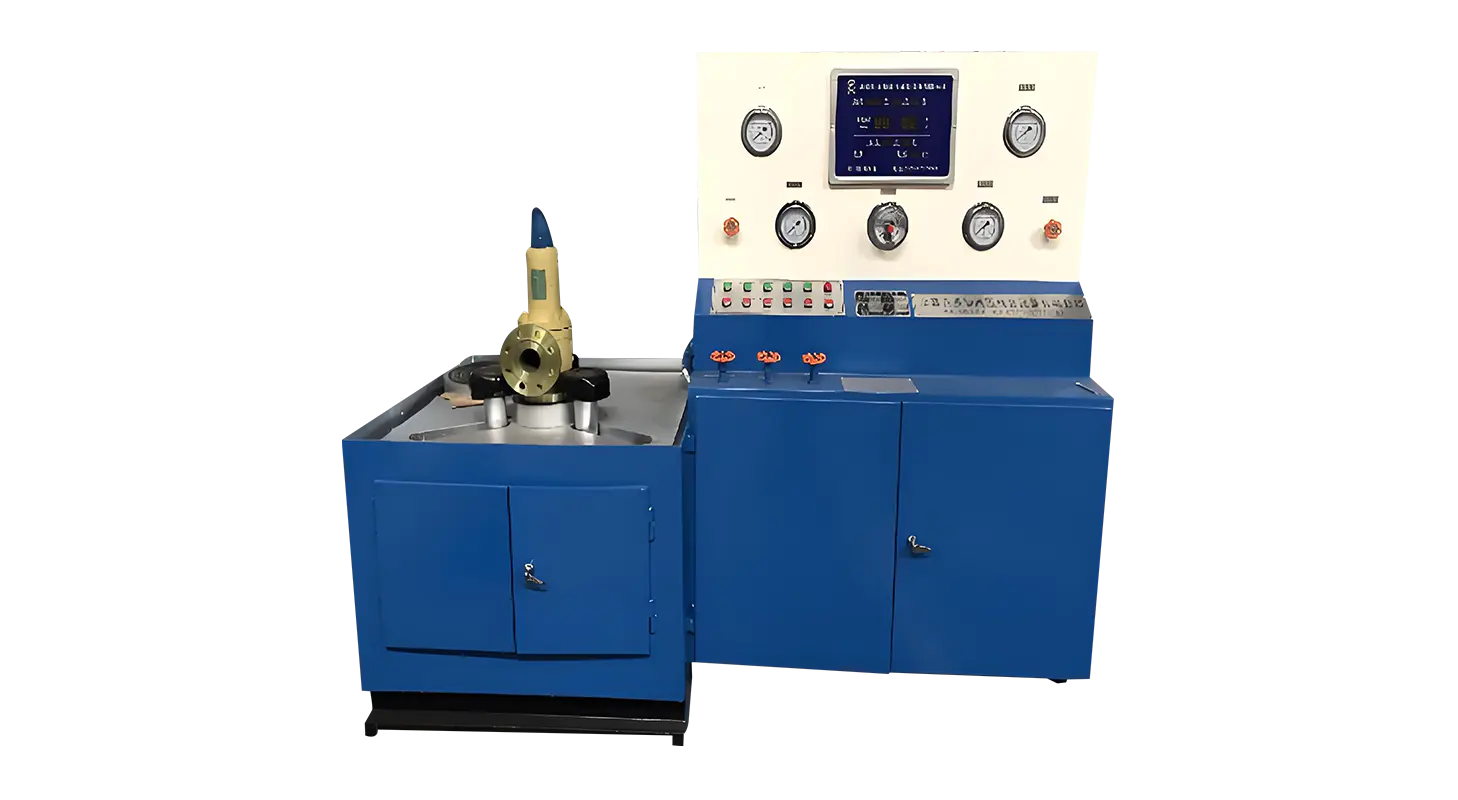
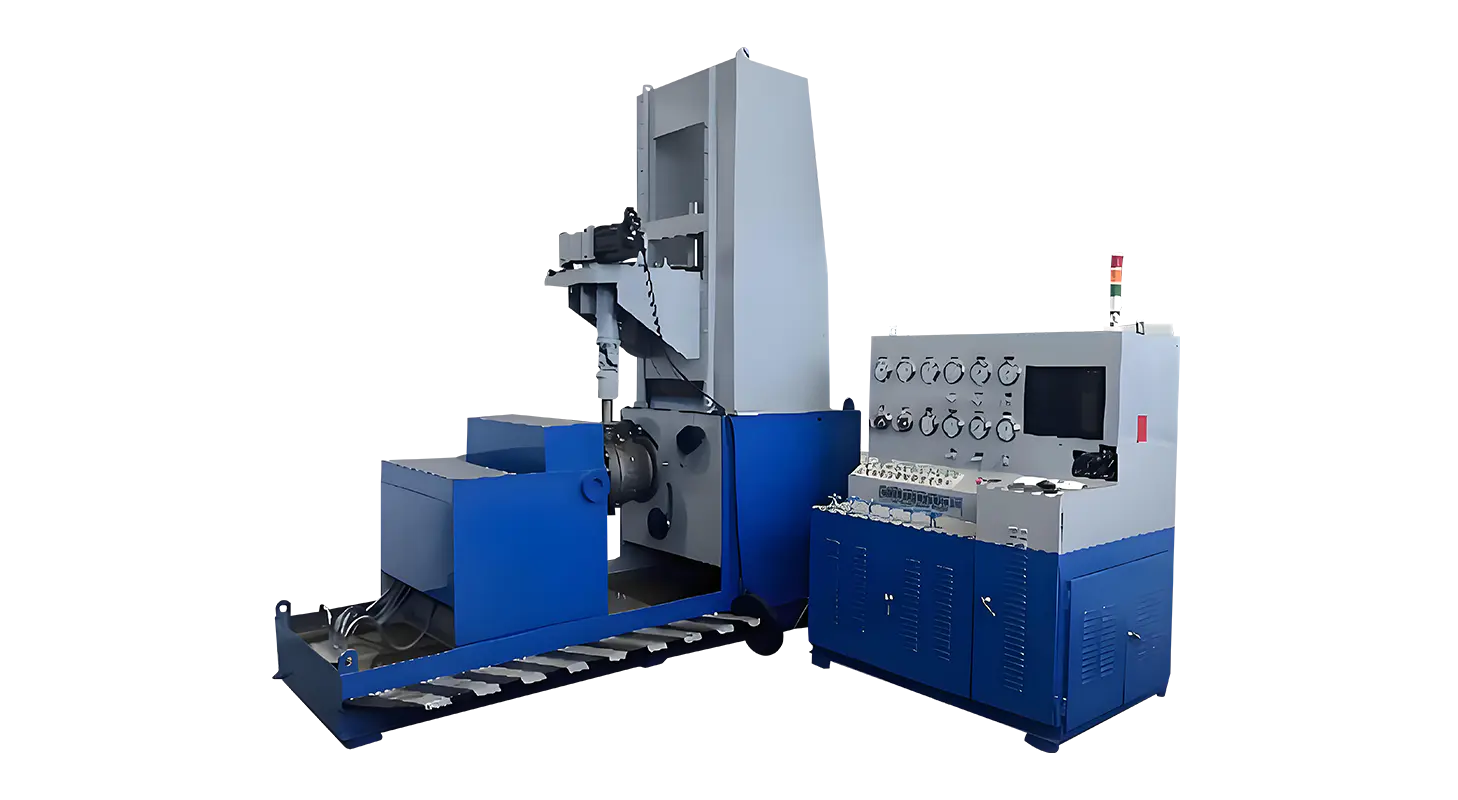
Accurate testing is a fundamental component of valve manufacturing and maintenance, particularly for critical applications in water management, energy, and industrial systems. Valve Test Equipment and the Gate Valve Test Bench provide structured methods to evaluate valve performance, helping confirm whether valves meet design specifications and operational requirements. Understanding the factors that influence testing accuracy can help manufacturers, service providers, and quality teams interpret results correctly and maintain consistent evaluation standards across production or service workflows.
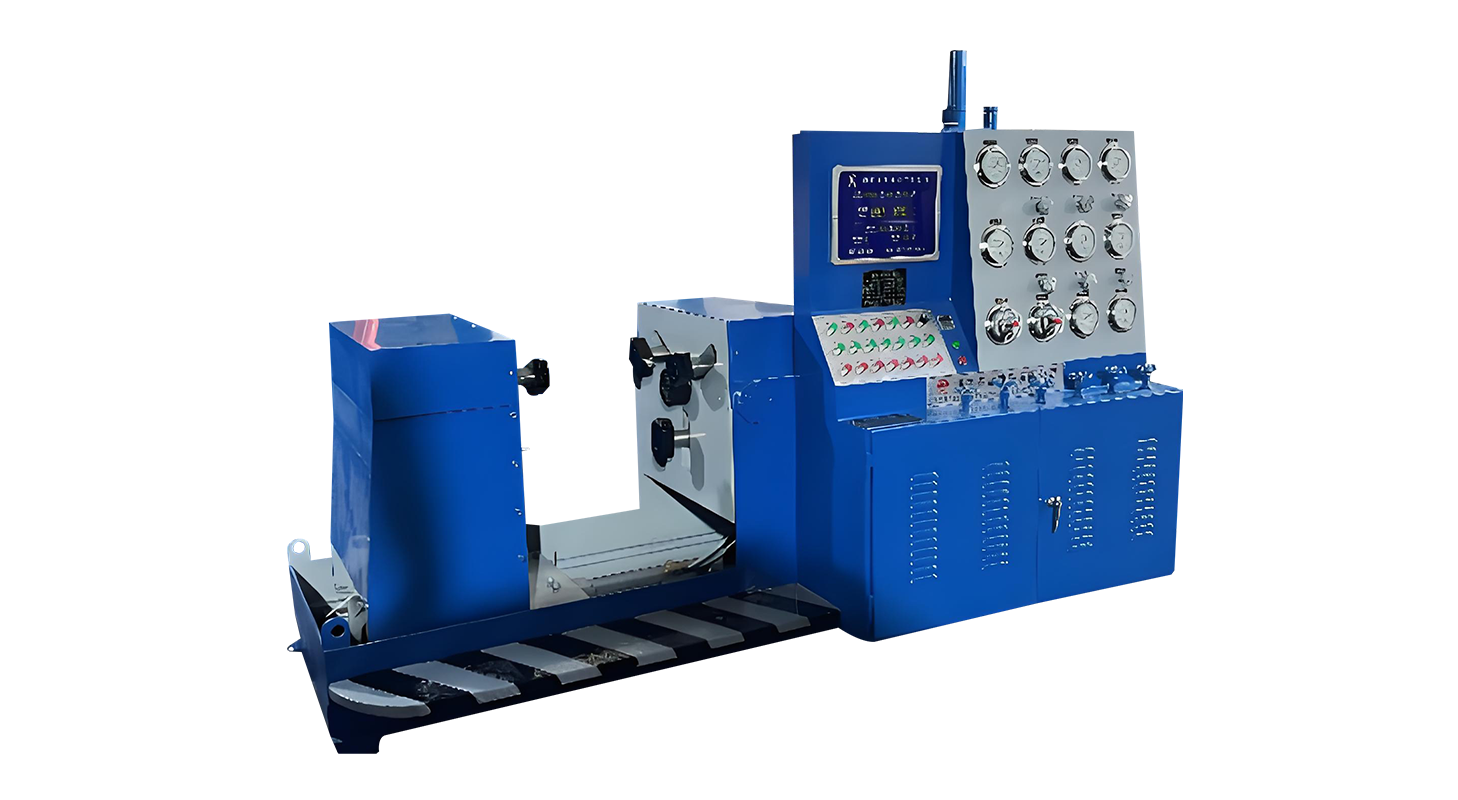
Testing accuracy is influenced by several factors including the calibration of measurement devices, the precision of pressure or flow control, and the condition of the valve being tested. Valve test equipment is designed to accommodate specific pressure ranges, sealing checks, and functional movements, and the sensitivity of sensors or measurement instruments plays a direct role in the consistency of results.
For gate valves, small variations in stem alignment or seat contact can affect pressure readings or leakage detection. A Gate Valve Test Bench equipped with adjustable fixtures ensures that valves are positioned consistently for testing, which reduces measurement discrepancies between units. Regular calibration of the system is also necessary to maintain repeatable test conditions over time.
The type of fluid or gas used in testing influences measurement precision. Hydrostatic tests with water and pneumatic tests with air or inert gases each have inherent differences in compressibility, temperature response, and viscosity. Valve test equipment accounts for these characteristics, but operators must understand how the test medium interacts with the valve to interpret readings correctly.
Environmental conditions such as temperature, humidity, and ambient vibration can also affect testing. Proper placement of the test bench within the production or service area, along with monitoring of environmental variables, helps reduce the impact of external factors on accuracy. For precise evaluation, adjustments may be needed to accommodate local conditions without altering the valve's performance assessment.
Modern valve test equipment often incorporates automated control sequences and digital sensors. Automation reduces variability introduced by manual handling, ensuring that each valve undergoes a consistent sequence of pressurization, holding, and functional cycling. High-resolution sensors detect pressure changes, leakage, or movement with fine granularity, supporting detailed performance evaluation.
Automated systems can also integrate data logging, capturing measurements continuously during a test cycle. This continuous monitoring allows technicians to analyze trends, detect deviations, and compare results between batches. Data documentation is particularly useful for quality assurance and regulatory reporting, providing a clear record of how each valve was evaluated.
Maintaining accuracy requires attention to calibration and periodic maintenance of the test equipment itself. Valves tested on a Gate Valve Test Bench rely on pressure transducers, flow meters, and control valves that must be calibrated to known standards. Regular maintenance ensures that these instruments maintain their specified measurement tolerances, reducing drift over time and maintaining consistency across production batches.
Valve test equipment may also require inspection of seals, hoses, and connections to prevent unintended leaks or pressure loss. Such maintenance contributes to accurate detection of valve performance rather than introducing errors from the testing system itself.
Even with well-designed test equipment, operator understanding plays a role in accuracy. Consistent procedures for connecting valves, setting pressure parameters, and interpreting sensor readouts help ensure that results are repeatable. Many systems include guided interfaces or pre-programmed sequences to support standardization, reducing variability due to human factors.
By aligning testing practices across operators and shifts, production teams can maintain consistent accuracy throughout a facility. This consistency is especially important when valves of different sizes or specifications are tested on the same equipment.
Testing accuracy has practical implications for both manufacturing and maintenance. Accurate evaluation helps identify valves that do not meet specified performance criteria, allowing corrective action before delivery or deployment. It also provides reliable documentation to satisfy internal quality control and regulatory requirements.
Gate Valve Test Benches and other valve test equipment can support a wide range of valve types and testing protocols while maintaining consistent measurement precision. Understanding the elements that influence accuracy—calibration, test medium, environmental factors, automation, and operator practice—allows manufacturers and service providers to interpret results effectively and maintain confidence in the evaluation process.
Related Products
Contact us
Address
Sanqiao Industrial Zone, Oubei, Yongjia County, Zhejiang Province, China
Phone
+86-13676520568
Telephone number
+86-13676520568
Fax
products
Quick Links
QR CODE