English
 русский
 عربى
عربى
Get in touch
Get in touch
Jan 16, 2026
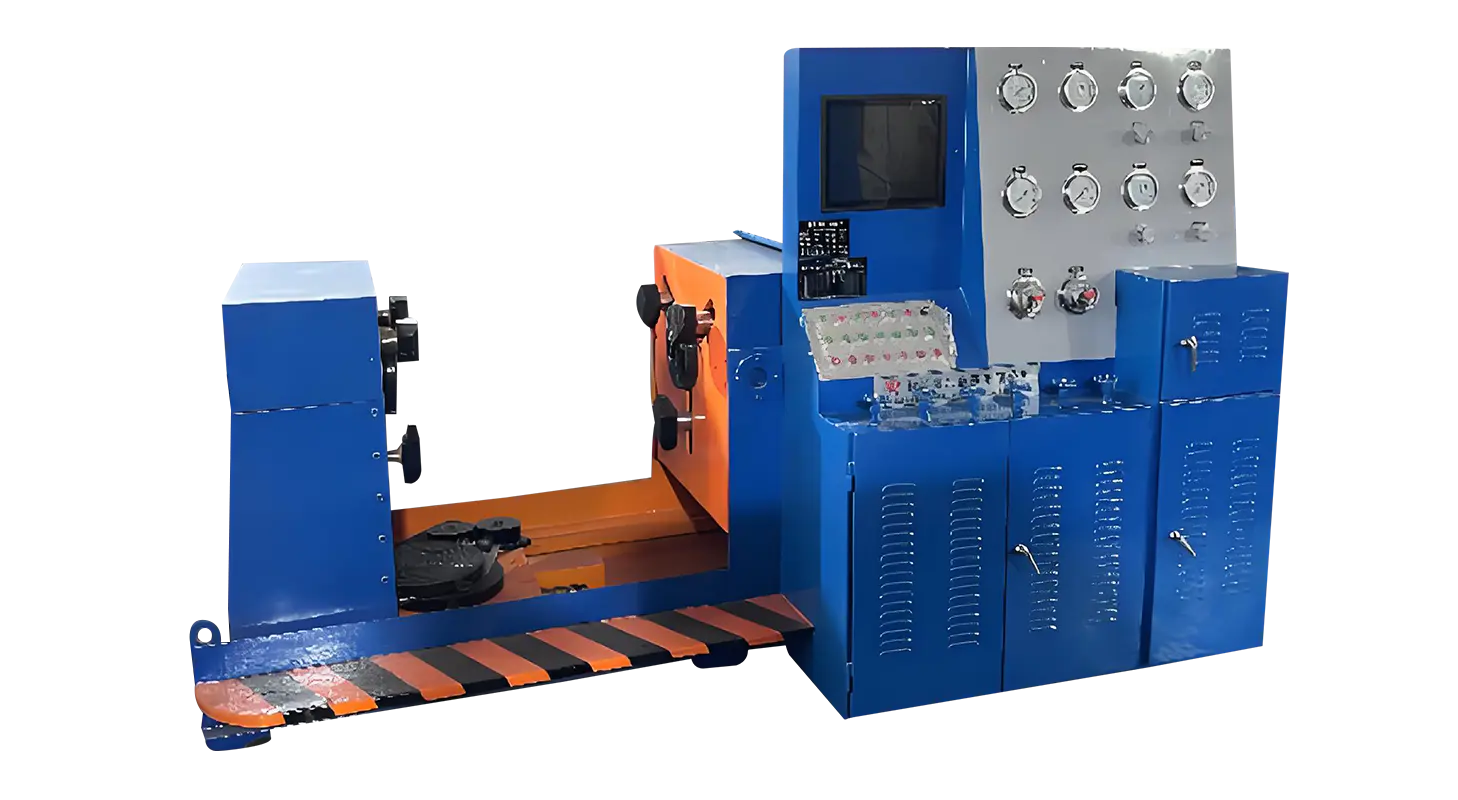
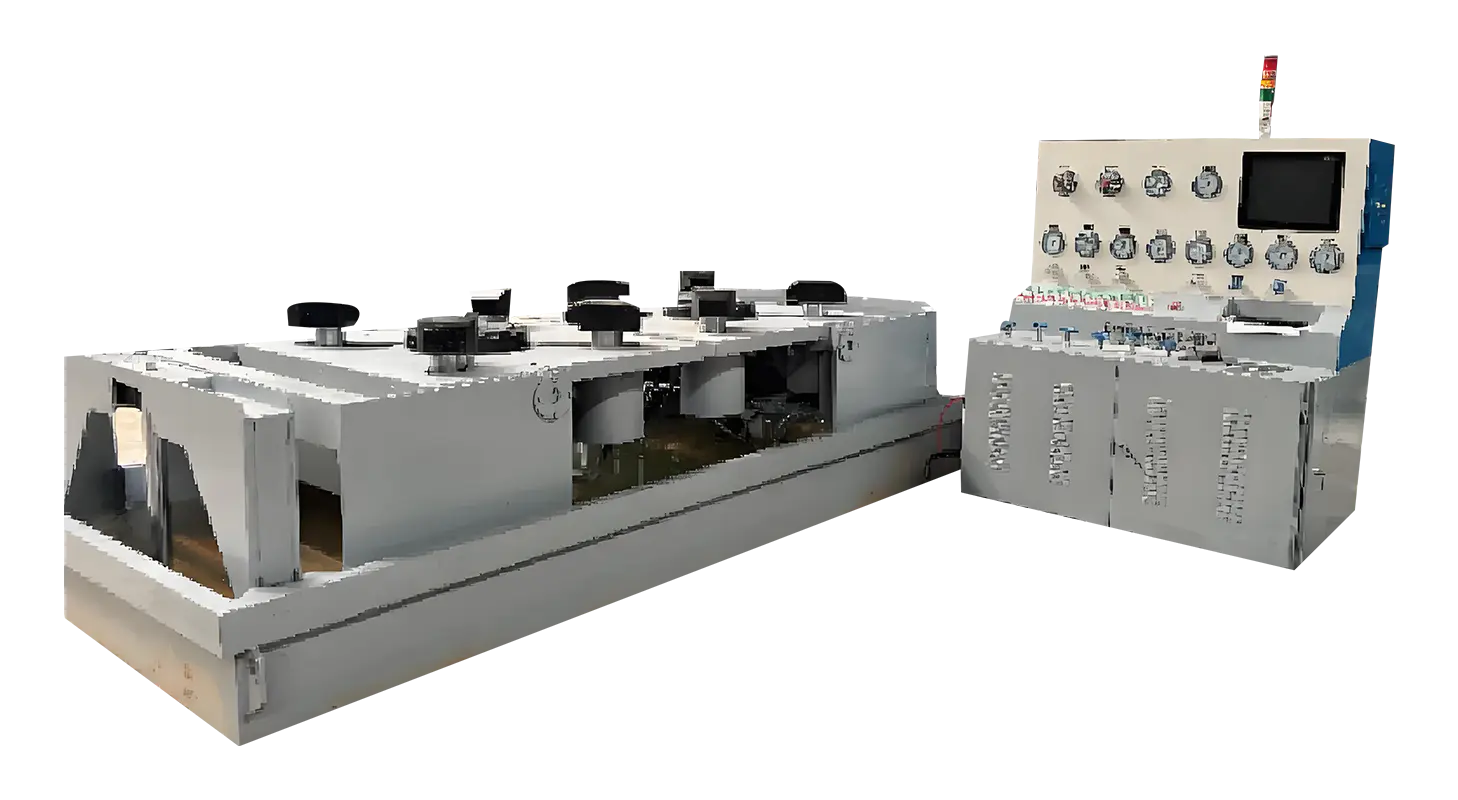
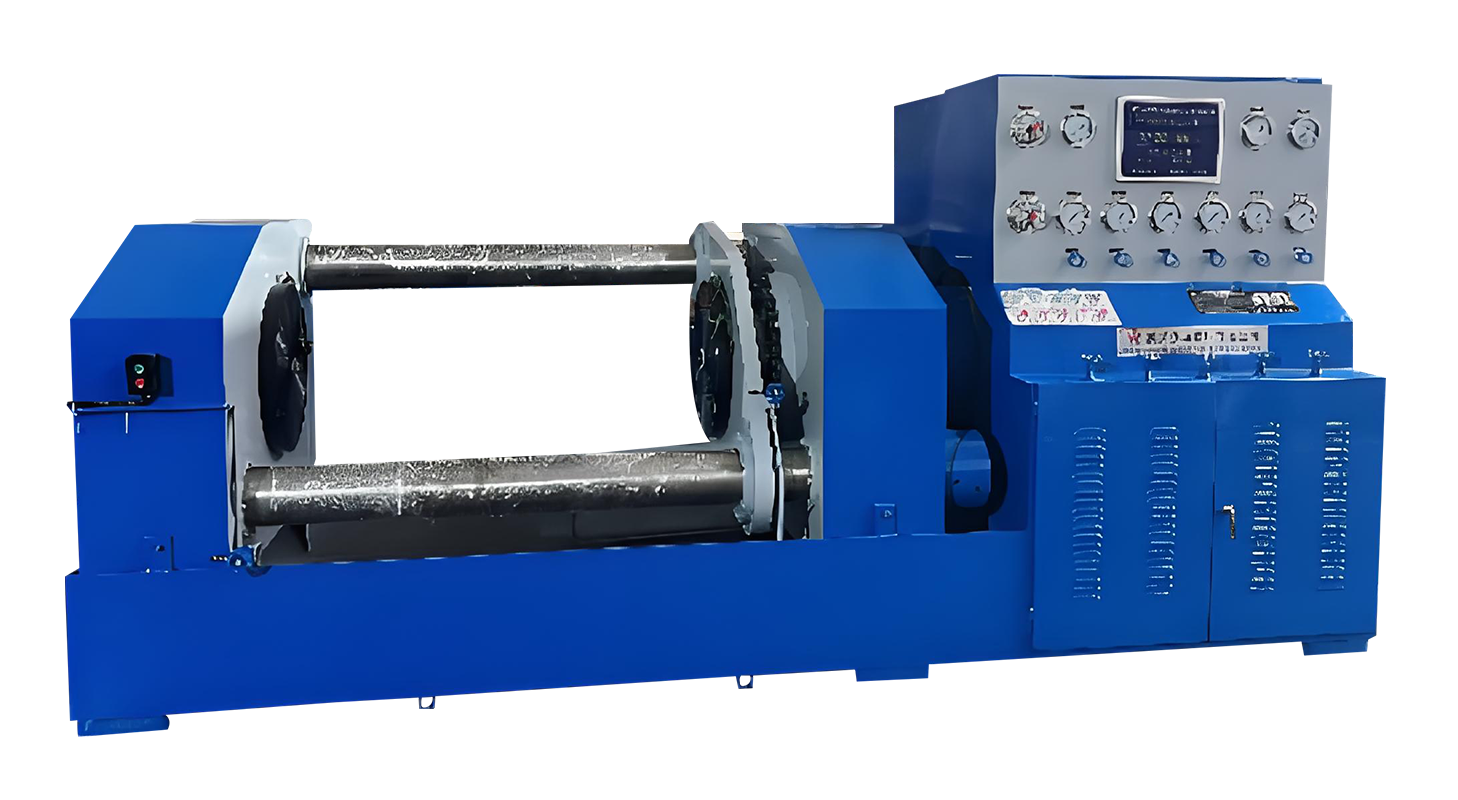
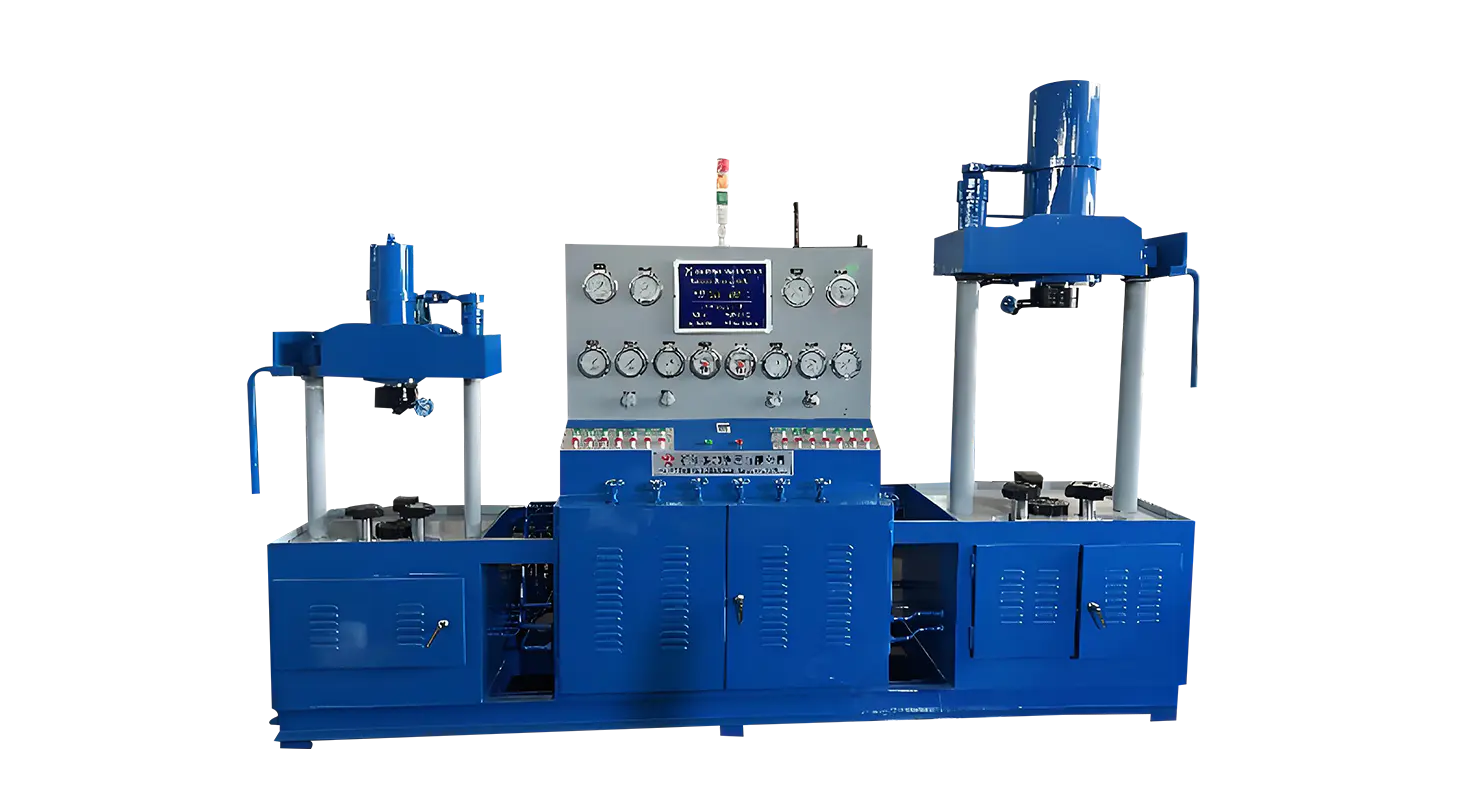
Valves used across industrial processes, water management, and energy applications must comply with a range of standards to ensure safe and consistent operation. Valve Test Equipment and the Gate Valve Test Bench play a key role in verifying whether a valve meets these regulatory or project-specific requirements. By integrating testing systems into manufacturing or service workflows, companies can confirm that valves conform to the applicable specifications, while documenting performance data for internal quality assurance or external audits.
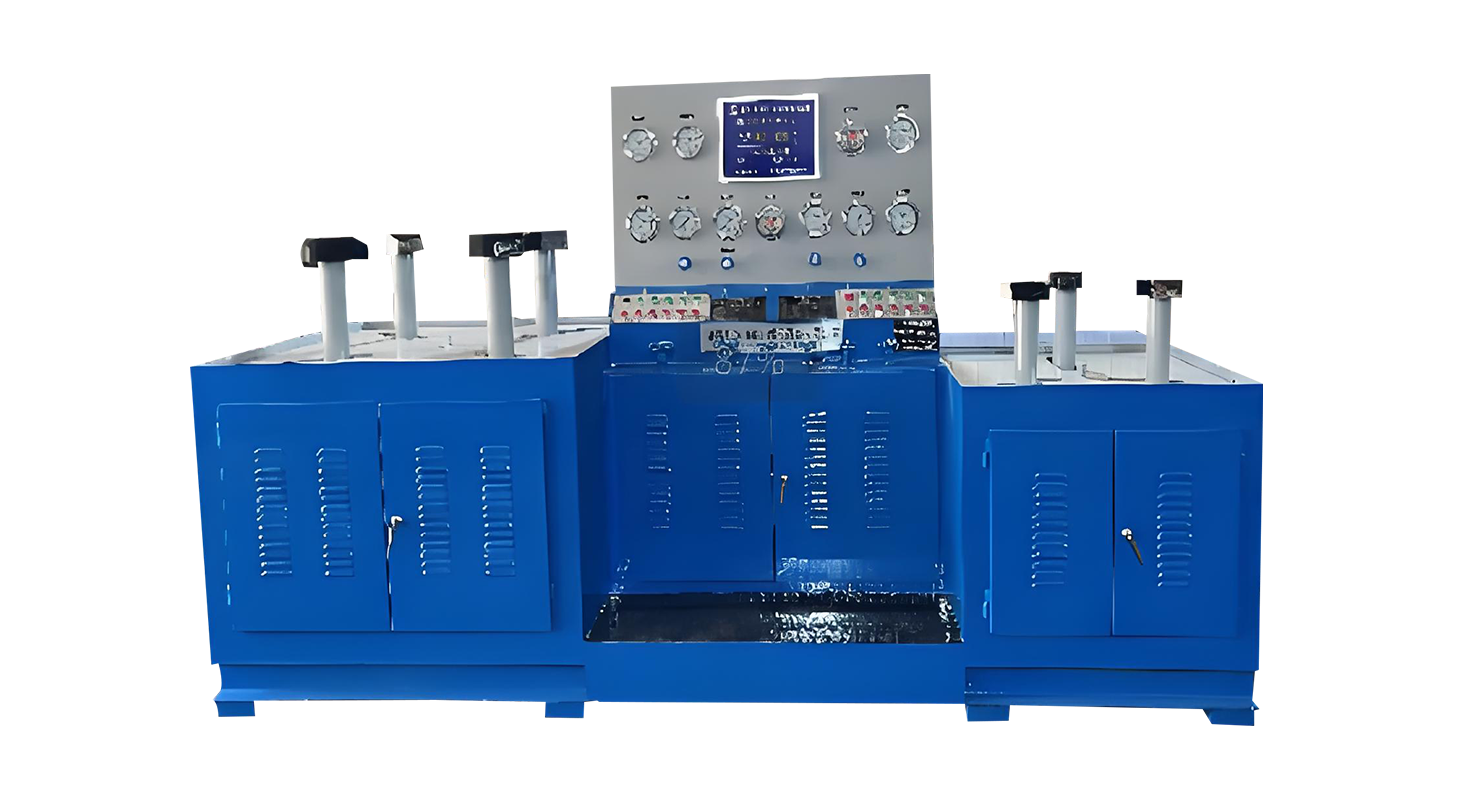
Valve standards cover multiple aspects, including pressure handling, sealing integrity, material compatibility, and operational reliability. For example, hydrostatic pressure tests assess the valve body’s ability to withstand specified pressures without leakage, while functional tests simulate operational cycles under controlled conditions. Pneumatic tests verify air-tightness or gas containment performance. Valve test equipment is configured to conduct these tests according to the tolerances and parameters outlined in industry standards, ensuring uniformity in execution.
Different regions or applications may reference various standards, such as ISO, API, or ANSI specifications. For gate valves, standards often specify test pressures, duration, and acceptable leakage limits. By using a Gate Valve Test Bench, manufacturers and service providers can align testing procedures with these requirements, confirming compliance across production batches.
Valve test equipment is designed with adaptability in mind. Test pressure, hold times, and fluid type can be adjusted to match the parameters defined by different standards. This capability allows a single system to accommodate multiple valve types or sizes without extensive modification. Operators can set up predefined test sequences that correspond to standard protocols, ensuring consistent test execution each time a valve is examined.
Some standards also require documentation of test results. Modern valve test equipment includes real-time data logging features that record pressure curves, leakage measurements, and operational cycles. These records support verification during internal audits or third-party inspections, providing clear evidence that testing was conducted according to the specified standard.
Hydrostatic testing is a common requirement for many gate valves, particularly those used in water, oil, and gas industries. A Gate Valve Test Bench can simulate the operating pressure conditions specified in standards, helping confirm that valves do not exhibit structural weaknesses or leakage under load. Pneumatic tests, often conducted using air or inert gas, assess sealing and functional performance under different pressure conditions. Both types of tests are supported by configurable valve test equipment, allowing manufacturers to follow the relevant protocols.
Functional testing, where valves are cycled through opening and closing motions, can also be aligned with standard requirements. By controlling speed, force, and number of cycles, the test bench reproduces operational conditions that a valve may encounter in service. This approach helps identify potential operational issues early, while maintaining adherence to defined testing criteria.
Valve testing systems are commonly positioned near assembly areas or service stations, enabling tests to be performed immediately after assembly or maintenance. This integration reduces the risk of non-compliant valves reaching customers and facilitates quick corrective action if issues are detected. For companies that handle multiple valve designs, a flexible test bench allows operators to switch between testing programs for different standards efficiently.
Remote monitoring and automated sequences further support compliance in production environments. Operators can follow predefined test protocols without manual intervention for each cycle, maintaining consistency while collecting data for regulatory verification. The ability to trace test results to specific valve serial numbers adds a layer of accountability and transparency.
Regulatory authorities and end users often require documented confirmation that valves meet applicable standards. Using valve test equipment ensures that testing procedures are repeatable and traceable, providing confidence that each valve has been evaluated according to the defined criteria. This is particularly important for industries with strict safety or environmental considerations, where documented test evidence can be critical for project approvals or certifications.
For manufacturers and service providers, integrating a Gate Valve Test Bench into workflow planning helps maintain alignment with industry standards without interrupting production. The equipment can accommodate both routine production testing and specialized testing required for specific projects, providing a consistent approach to standard compliance.
Selecting and configuring valve test equipment involves understanding the relevant standards and operational requirements of the valves being handled. Test benches can be tailored to support multiple valve sizes, different pressure ranges, and varied test media. By integrating data collection, automation, and flexible fixture design, the system can fit seamlessly within production or service lines, supporting routine testing and standard verification tasks efficiently.
Using valve test equipment as part of the production or service process ensures that standard requirements are consistently addressed. The combination of adjustable testing parameters, data documentation, and process integration allows organizations to demonstrate that valves are evaluated systematically and according to the specified criteria. This approach maintains alignment with regulatory and customer expectations throughout the valve’s lifecycle.
Related Products
Contact us
Address
Sanqiao Industrial Zone, Oubei, Yongjia County, Zhejiang Province, China
Phone
+86-13676520568
Telephone number
+86-13676520568
Fax
products
Quick Links
QR CODE