English
 русский
 عربى
عربى
Get in touch
Get in touch
Jan 09, 2026
Modern valve manufacturing is no longer limited to machining and assembly alone. Quality control has become an integral part of the production flow, and this is where Valve Test Equipment and the Gate Valve Test Bench play a practical role. Rather than being an isolated inspection tool used only at the end of manufacturing, valve testing systems are increasingly embedded at multiple stages of production to support consistency, compliance, and traceability. Understanding where and how this equipment fits into a production line helps manufacturers make informed decisions about layout planning, testing scope, and process coordination.
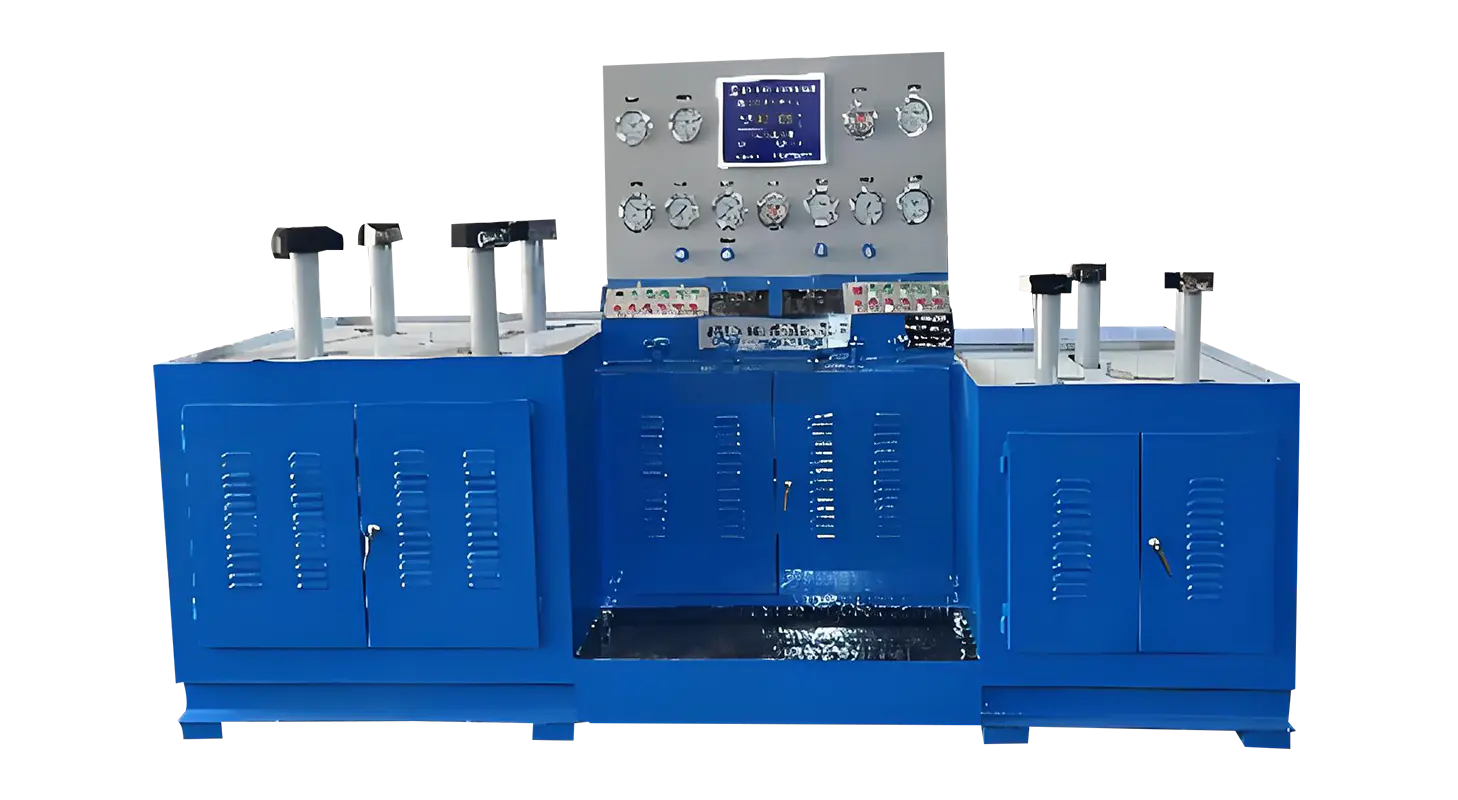
Valve testing equipment is positioned at the intersection of production and quality assurance. After raw materials are processed and components are machined, valves go through assembly, sealing, and surface treatment. At this point, testing systems verify whether the assembled valve meets design and regulatory requirements before it moves further downstream.
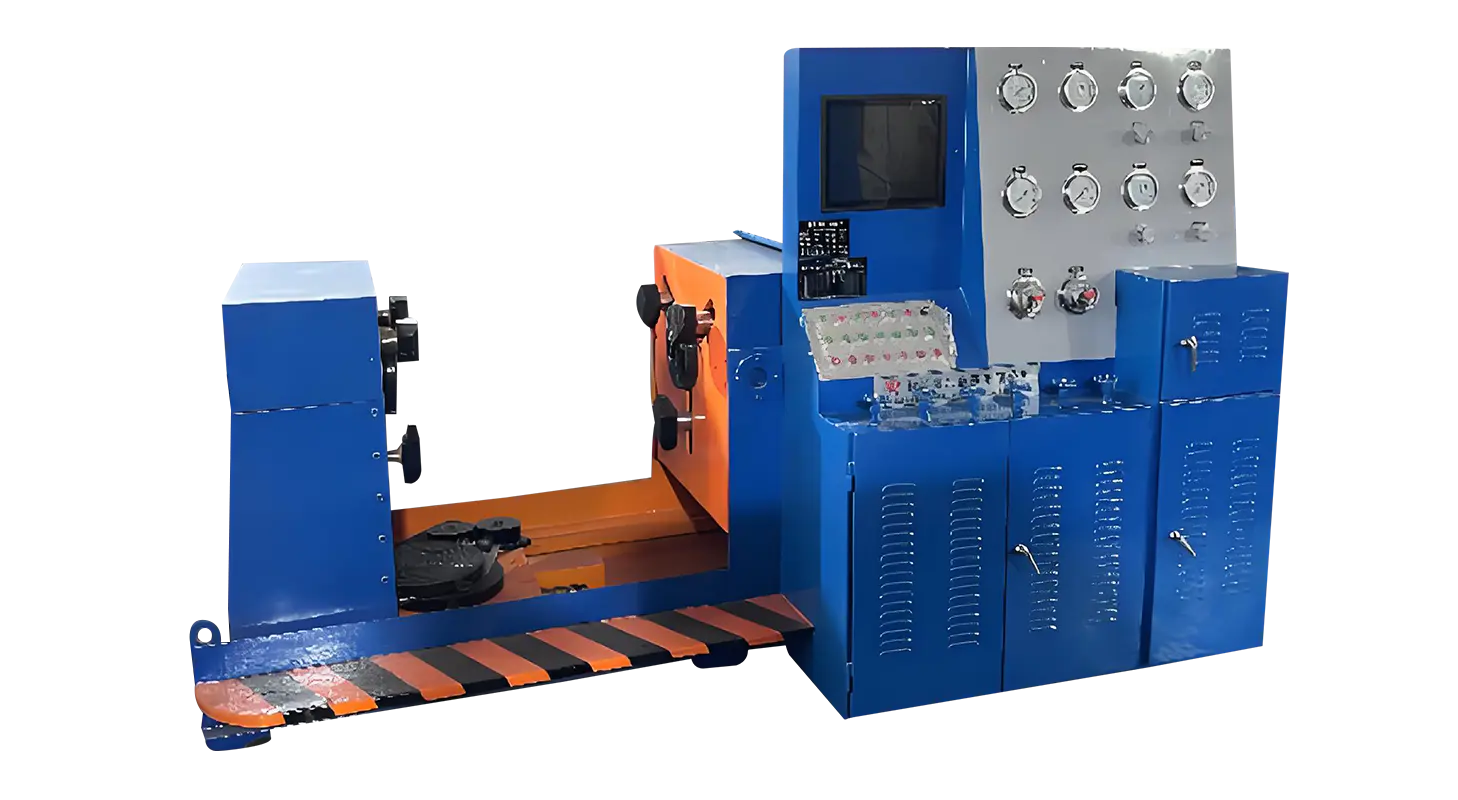
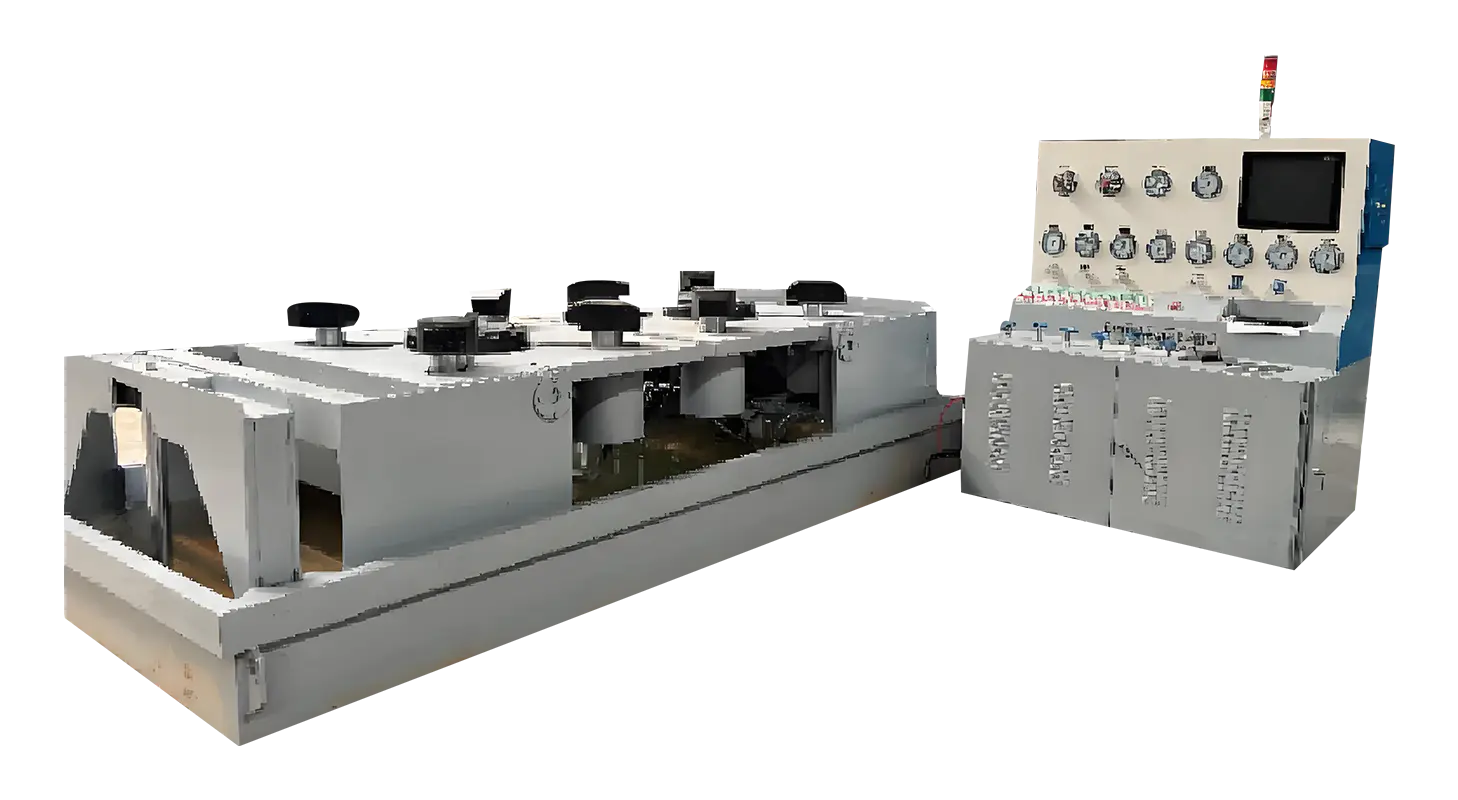
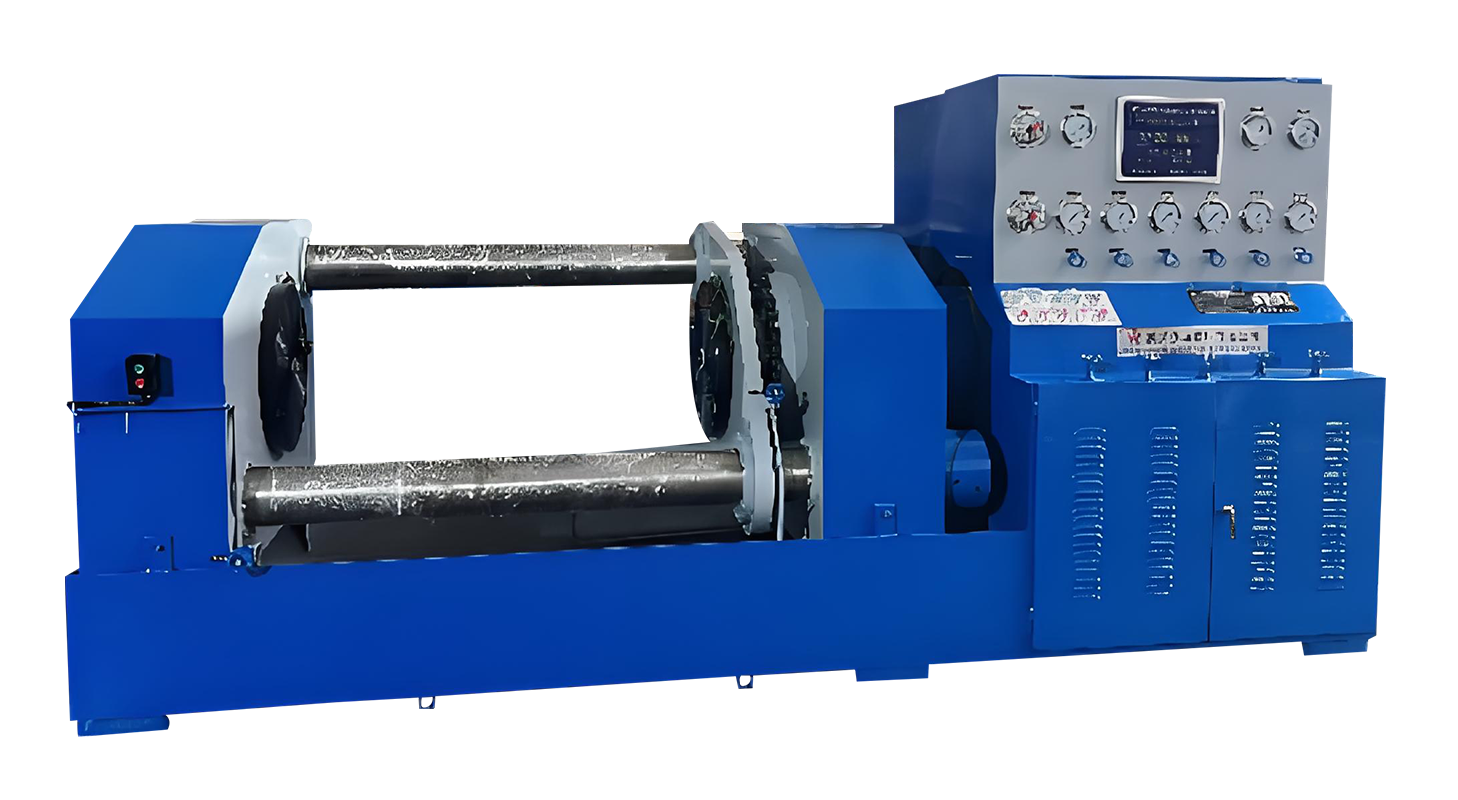
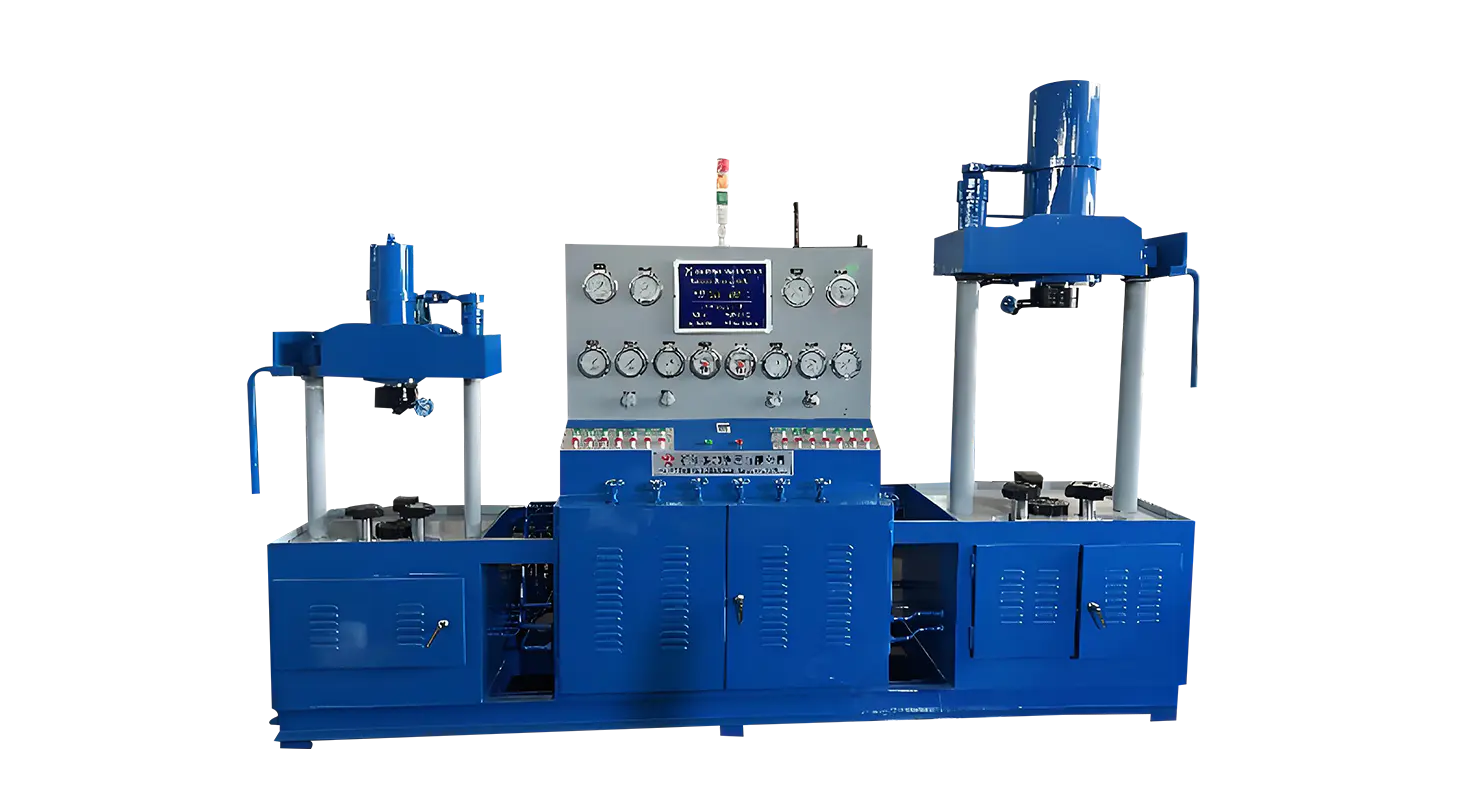
In many production environments, a Gate Valve Test Bench is installed near the assembly line rather than in a separate laboratory. This placement allows technicians to test gate valves shortly after assembly, reducing delays caused by rework or disassembly if issues are detected. By identifying pressure integrity or functional problems early, manufacturers can avoid carrying defects into later packaging or delivery stages.
Valve test equipment commonly supports both intermediate and pre-final inspection stages. During intermediate checks, testing may focus on basic sealing performance, body strength, or stem movement. These checks confirm that machining tolerances and assembly steps have been completed correctly before additional components are added.
Before final inspection, a more comprehensive testing sequence is typically applied. A Gate Valve Test Bench can be configured to perform hydrostatic pressure tests on the valve body and seat, pneumatic tests for air tightness, and functional tests that simulate opening and closing under defined conditions. Integrating these tests into the production line helps maintain a steady workflow without interrupting throughput.
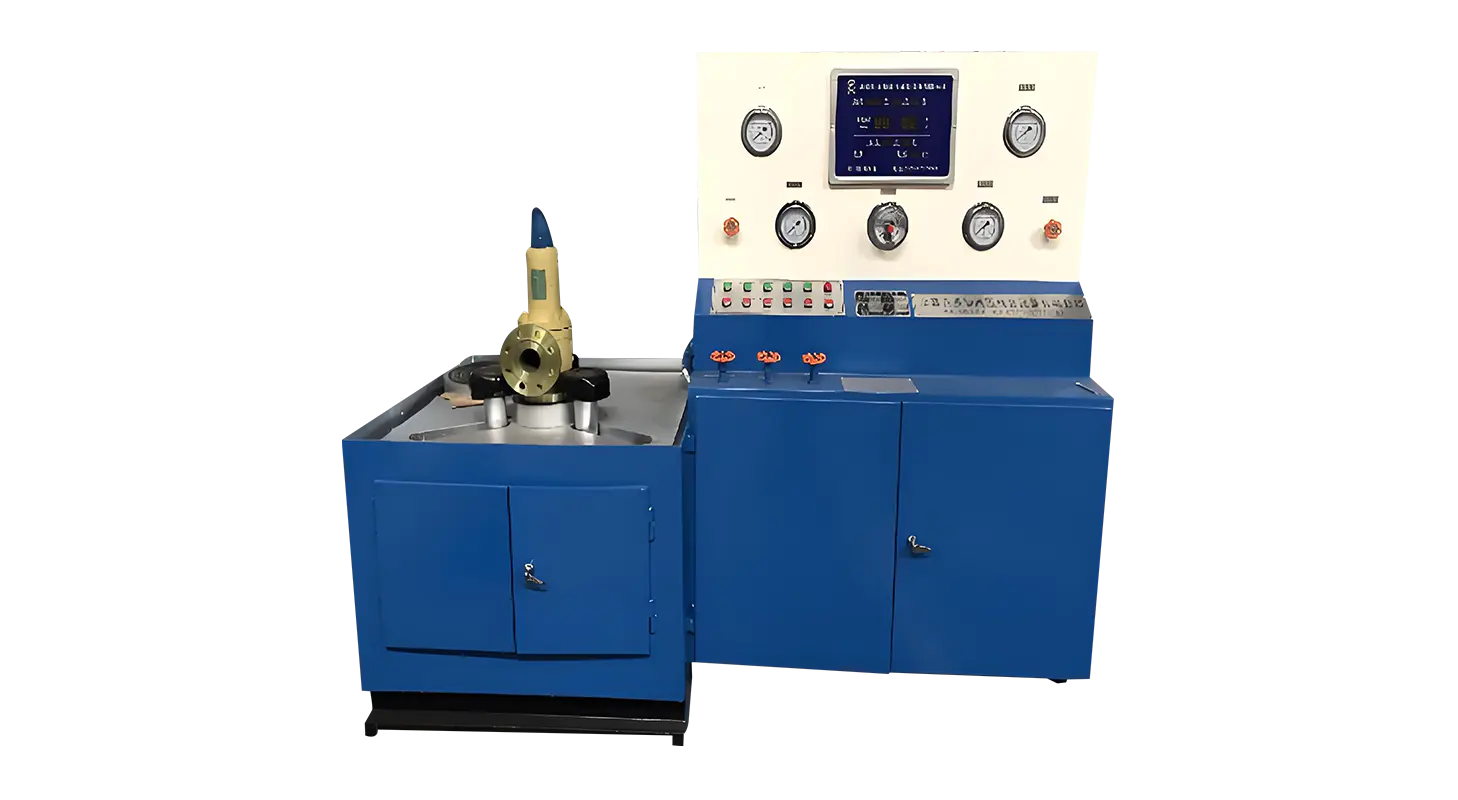
Production lines often handle more than one valve specification, especially for manufacturers offering customized or small-batch products. Customized Valve Test Equipment supports this variability by allowing adjustments in test pressure, holding time, connection size, and control logic. This flexibility enables the same test bench to be used for different gate valve designs without extensive mechanical changes.
Testing standards may also vary depending on market requirements. Some valves must comply with international pressure testing standards, while others follow project-specific technical specifications. Valve test equipment integrated into production lines can be configured to follow these standards through preset test programs, ensuring consistent execution regardless of operator experience.
As production volumes increase, manual testing becomes less practical. Automated valve test equipment supports repeatable test sequences that reduce operator intervention. In a production line setting, automation ensures that each valve undergoes the same test conditions, improving comparability between batches.
Real-time data logging is another functional aspect that aligns valve testing with modern production management. Test results such as pressure curves, leakage values, and cycle counts can be recorded automatically. This data supports internal quality audits and provides documentation for customers or third-party inspectors. When integrated properly, testing data can be linked to serial numbers, allowing traceability throughout the valve’s lifecycle.
Remote monitoring features also support production oversight, especially in facilities operating multiple test benches. Supervisors can review test progress and results without interrupting ongoing operations, helping maintain smooth coordination across departments.
In lean manufacturing environments, space efficiency and workflow continuity are key considerations. Valve test equipment must fit within these constraints without creating bottlenecks. Compact test benches and modular system designs allow manufacturers to position testing stations close to assembly or packaging areas.
For production lines that handle both standard and non-standard valves, movable or reconfigurable test benches provide additional flexibility. A Gate Valve Test Bench designed with adaptable fixtures can support quick changeovers, helping production teams respond to changing order requirements without extensive downtime.
Valve manufacturers that also provide repair or refurbishment services often integrate testing equipment into service-oriented production lines. In these cases, valve test equipment verifies performance both before and after maintenance. This ensures that serviced valves meet functional expectations before returning to the field.
Customized test systems are particularly useful in service environments, where valves may come from different sources with varying specifications. The ability to adjust test parameters allows service teams to handle a wider range of products within a single testing setup.
Regulatory compliance remains a driving factor behind integrating valve testing into production lines. Valve test equipment supports internal quality assurance programs by providing objective test results rather than relying solely on visual inspection. For industries such as water supply, energy, and industrial processing, documented testing is often a contractual requirement.
A Gate Valve Test Bench used consistently throughout production helps manufacturers demonstrate process control and adherence to applicable standards. This alignment reduces the risk of disputes during inspections and supports smoother certification processes.
Rather than serving as a standalone quality checkpoint, valve test equipment functions as a supporting system that connects production, inspection, and documentation. Its presence within the production line helps identify issues earlier, maintain consistent output, and provide verifiable test records.
Related Products
Contact us
Address
Sanqiao Industrial Zone, Oubei, Yongjia County, Zhejiang Province, China
Phone
+86-13676520568
Telephone number
+86-13676520568
Fax
products
Quick Links
QR CODE