English
 русский
 عربى
عربى
Get in touch
Get in touch
Sep 04, 2026
For valve manufacturers, testing equipment needs to do more than withstand pressure. Different valve designs, flange configurations, testing media, and production processes can create very different requirements for one testing station. As a Control Valve Test Bench manufacturer, we focus on engineering the equipment around these practical differences, combining reliable testing functions with a structure that can be adapted to the customer's production environment.
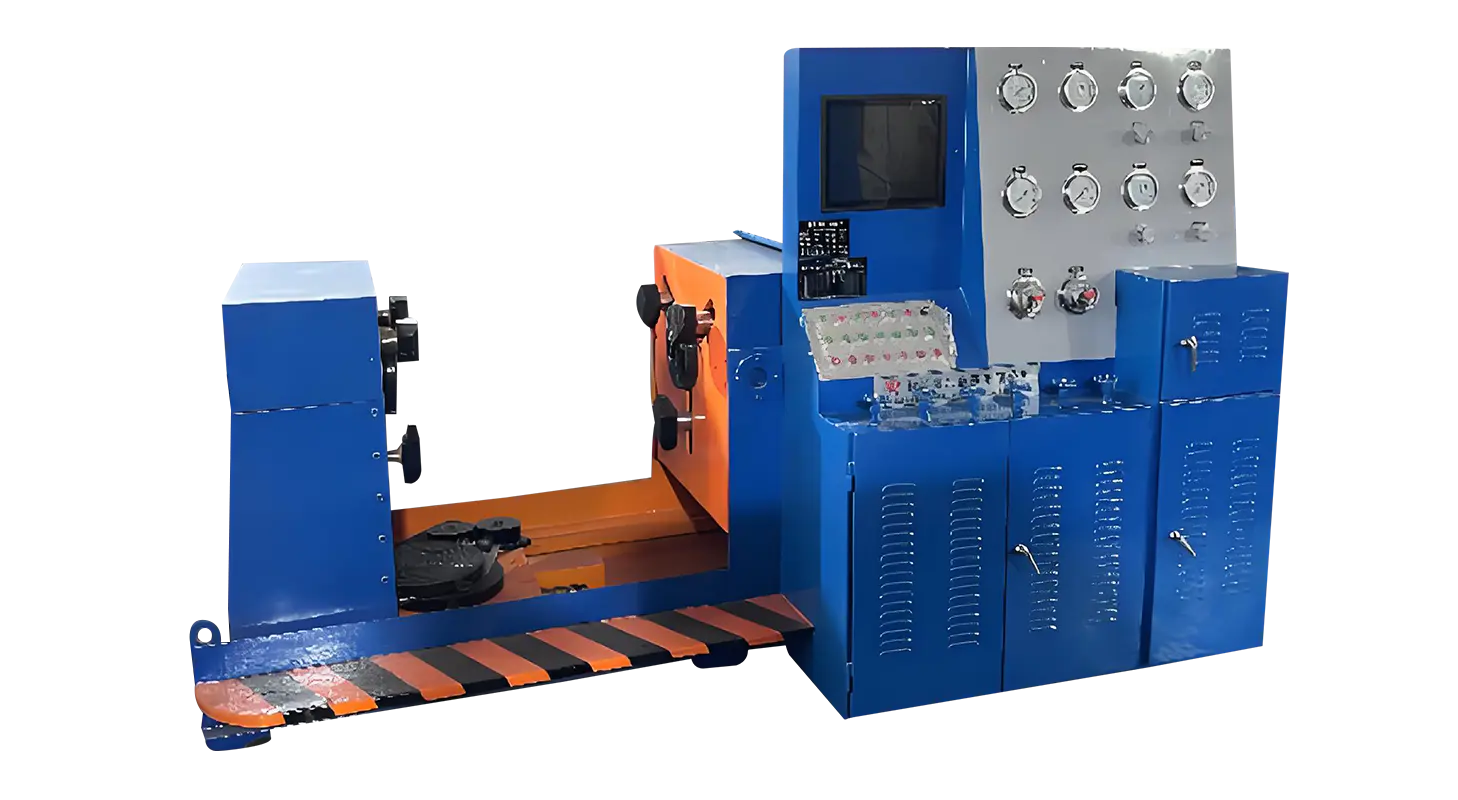
A test bench used in a valve factory may need to handle several product families rather than a single model. Ball valves, gate valves, globe valves, check valves, and control valves can have different structural characteristics and testing requirements.
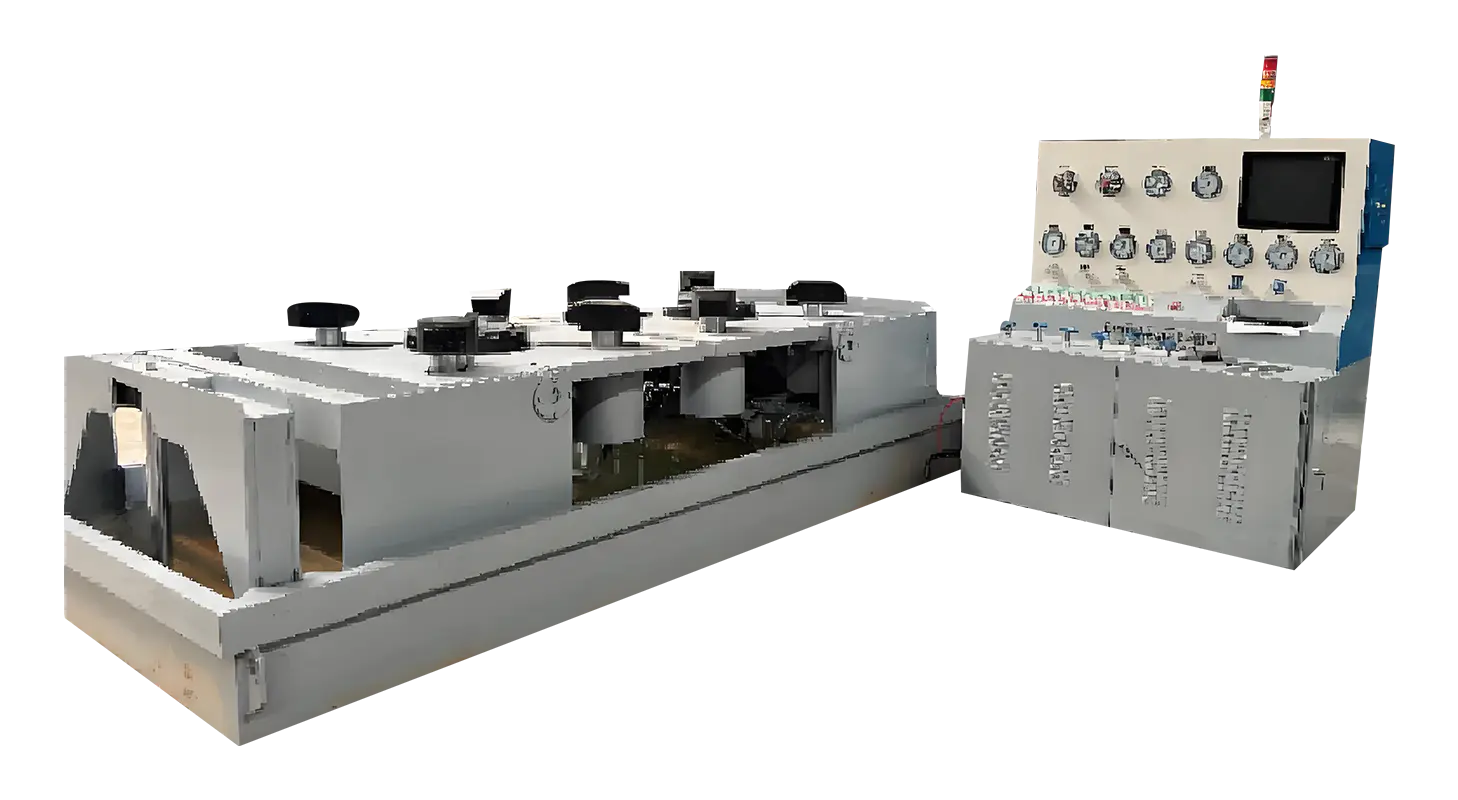
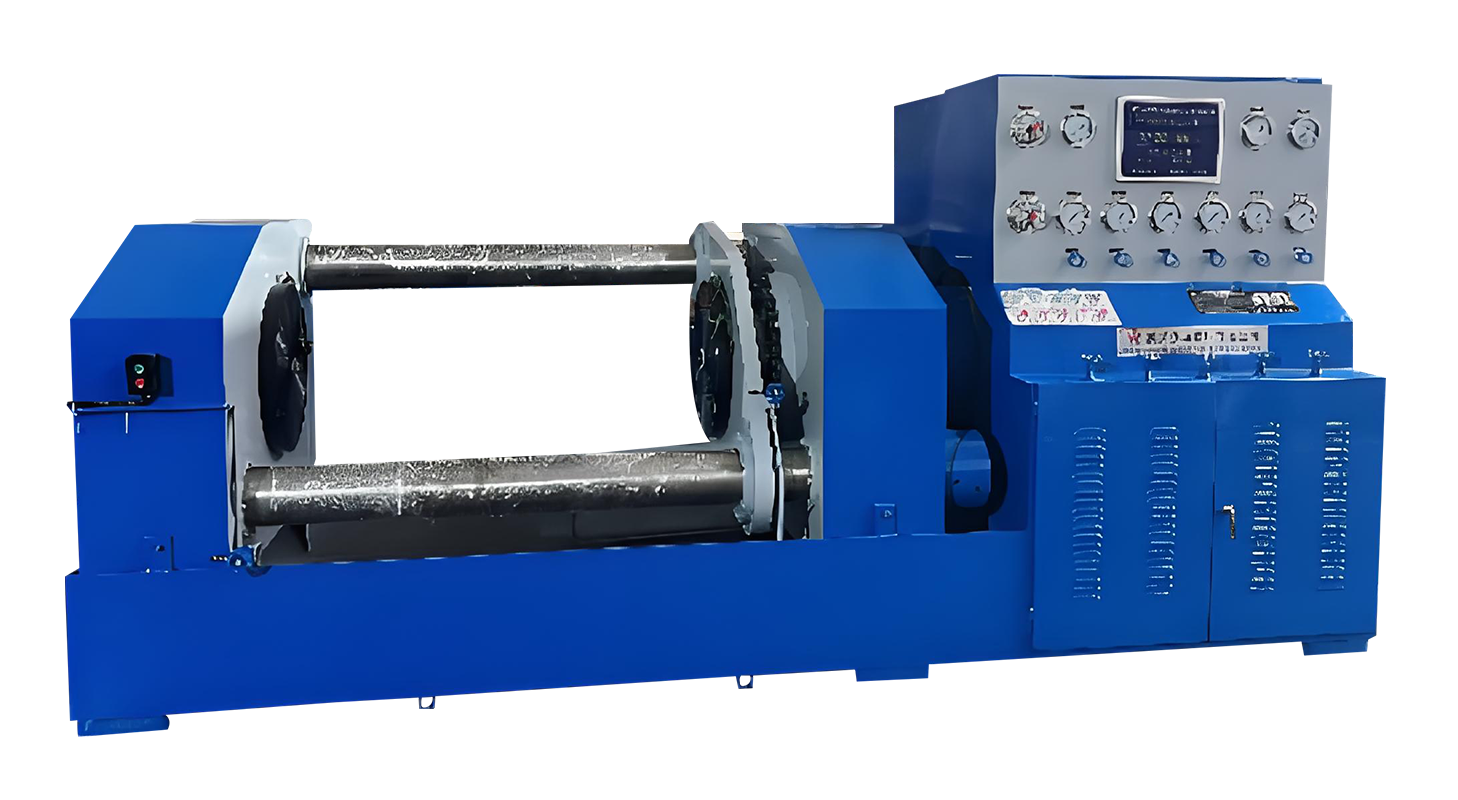
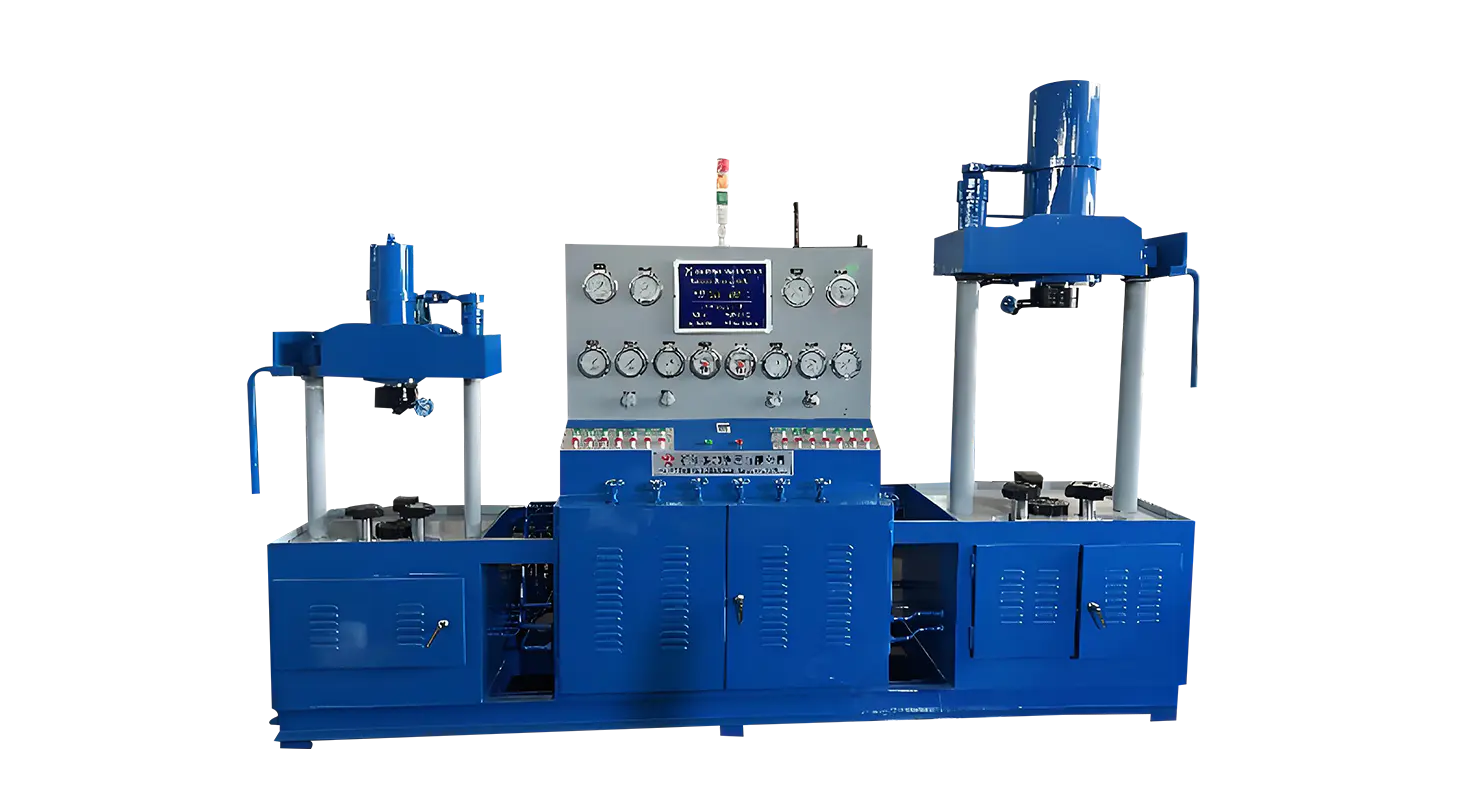
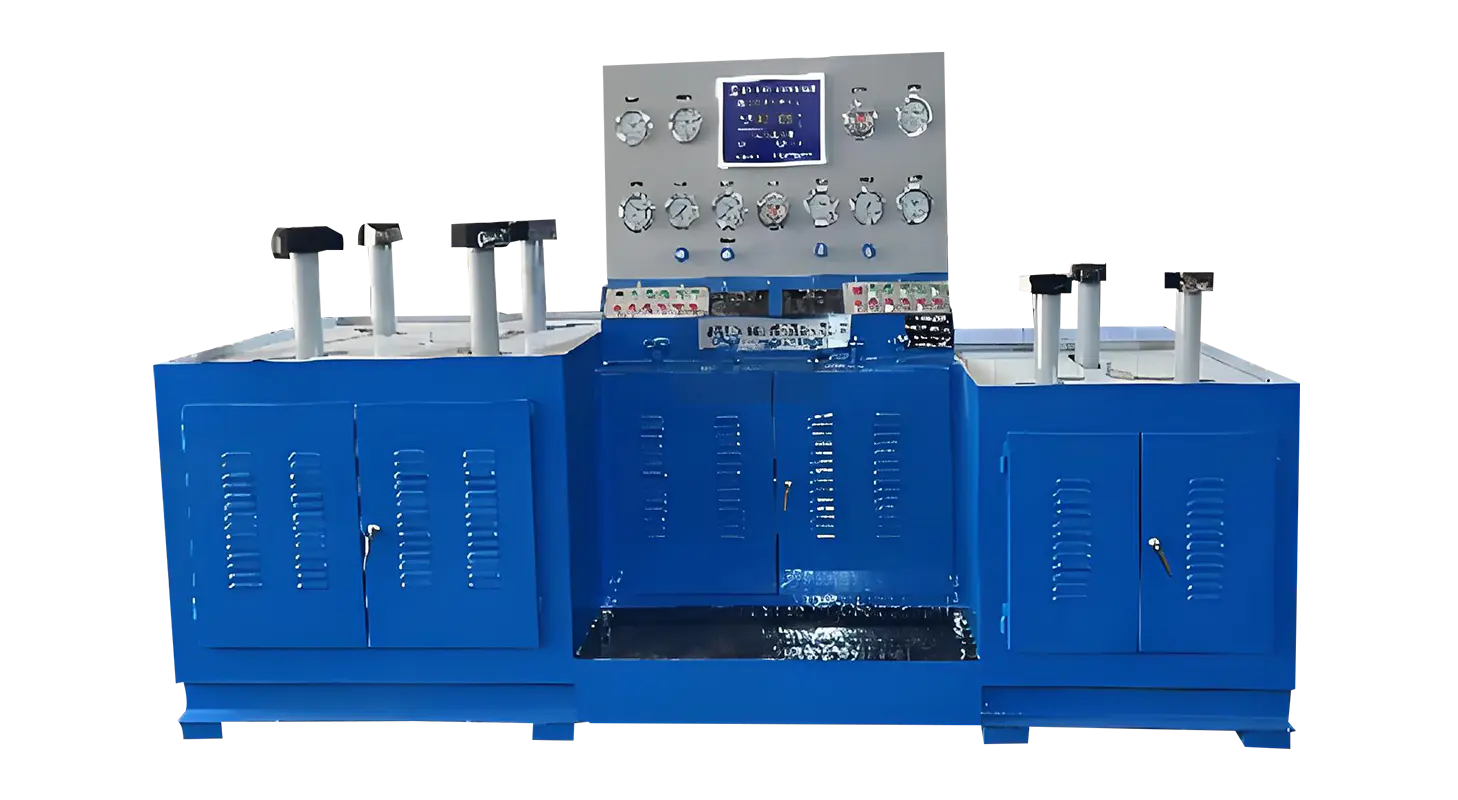
The DYFJ-A Horizontal Clamping Valve Test Bench is developed for flange-connected valves across these categories. From the manufacturer's perspective, this versatility starts with the overall machine structure. The horizontal layout, hydraulic clamping system, testing pipelines, and rotation mechanism are designed together so the equipment can serve a broader range of production applications.
Water and gas are both used in industrial valve testing, but they create different operating requirements for the test equipment. Instead of treating the testing medium as an independent accessory, we integrate it into the machine's pipeline design.
The DYFJ-A supports both water and gas testing, with pipeline control valves used to manage the selected medium. Water can also be recycled during suitable testing operations. This design gives manufacturers a practical way to manage different test procedures from one integrated system.
Flexibility should be considered during equipment engineering rather than added after manufacturing. When a customer produces different valve configurations, the test bench needs to accommodate those requirements without compromising the basic testing workflow.
Our engineering approach considers:
This information allows the machine configuration to be developed around the actual production process instead of relying solely on a standard equipment layout.
The physical orientation of a valve affects how operators load the test piece, connect the system, and carry out inspections. For flange-connected valves, horizontal testing can provide a practical arrangement for positioning the valve between the hydraulic clamping components.
The DYFJ-A also provides 90-degree rotation capability. An optional dual-end rotation configuration can be selected when the customer's testing procedure requires additional positioning flexibility. These functions are incorporated at the engineering stage so that mechanical movement and testing operations work as one system.
For a manufacturer, safety cannot depend only on operator habits. It needs to be considered in the hydraulic and mechanical design of the test bench.
The DYFJ-A incorporates zero-pressure safety protection. The hydraulic claws can only release when pressure has been removed from the valve cavity, preventing the tested valve from being removed while internal pressure remains. Safety protection doors are also available as an option for customers with additional workshop protection requirements.
Not every valve factory works with standard dimensions or identical production conditions. Non-standard valve specifications, specialized connection designs, and unique testing procedures may require changes to the machine structure.
This is where our role as a test bench manufacturer becomes important. We can develop customized configurations for specific testing requirements, including dual-end 90-degree rotation, PLC data acquisition, automated testing systems, safety protection doors, and non-standard machine designs. The objective is to make the equipment compatible with the customer's products and workflow from the beginning.
A reliable test bench is ultimately the result of coordinated mechanical, hydraulic, electrical, and control-system engineering. For overseas valve manufacturers looking for equipment that can accommodate multiple flange-connected valve types while supporting water and gas testing, the DYFJ-A offers a flexible platform that can be configured around specific production needs. As an experienced Control Valve Test Bench manufacturer, we focus on converting individual testing requirements into a practical, production-ready machine rather than simply supplying a standard piece of equipment.
Related Products
Contact us
Address
Sanqiao Industrial Zone, Oubei, Yongjia County, Zhejiang Province, China
Phone
+86-13676520568
Telephone number
+86-13676520568
Fax
products
Quick Links
QR CODE