English
 русский
 عربى
عربى
Get in touch
Get in touch
Sep 11, 2026
For valve manufacturers, a testing station often needs to accommodate more than one product specification. Flange dimensions, valve structures, testing media, operating procedures, and workshop conditions can vary from one production project to another. As a Control Valve Test Bench manufacturer, we approach these differences as engineering requirements rather than limitations, developing equipment configurations that can be adapted to the customer's actual valve testing process.
A ball valve and a globe valve may share a flange connection, but their structures and testing procedures are not necessarily identical. Gate valves, check valves, and control valves can also place different demands on positioning, sealing, and operator access.
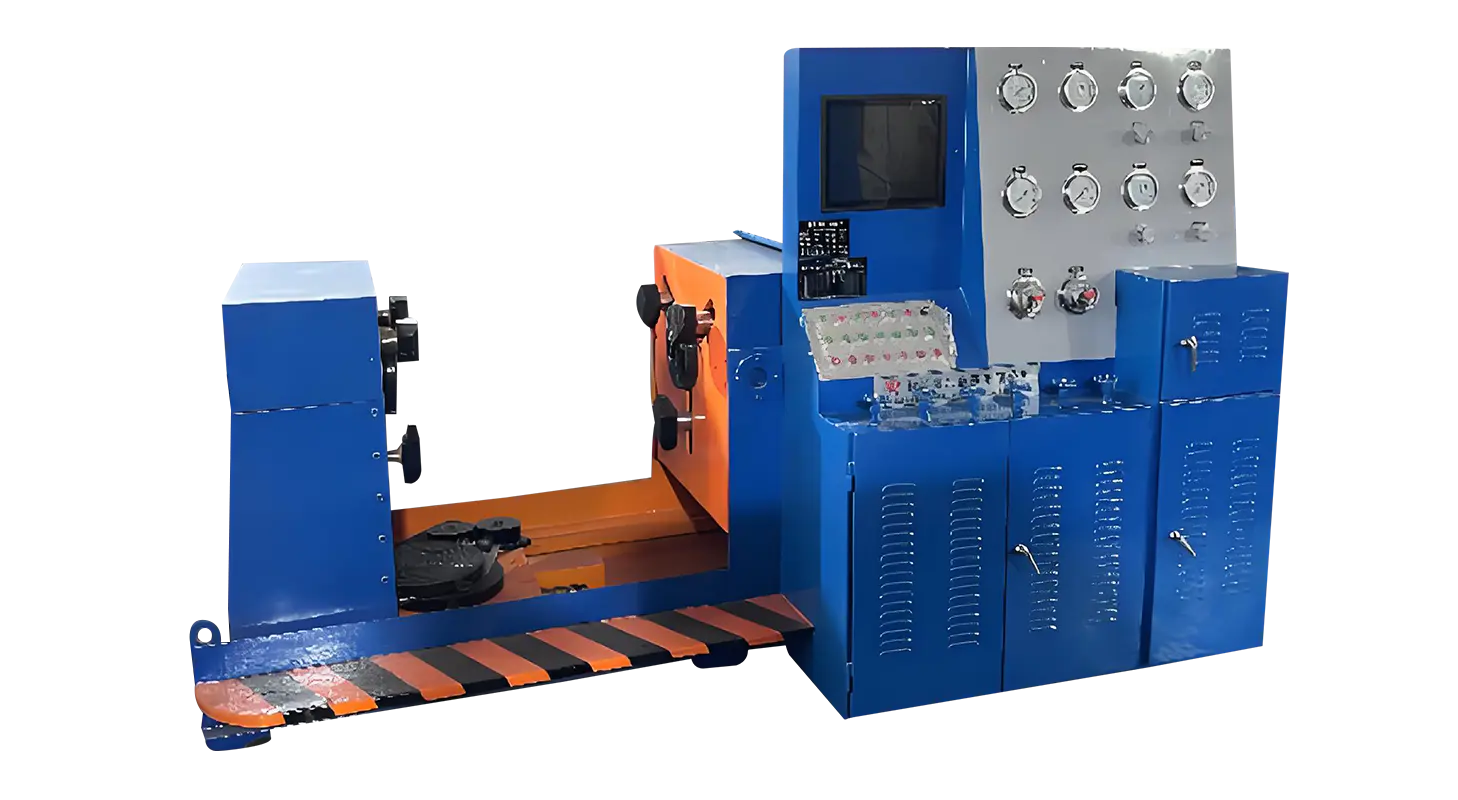
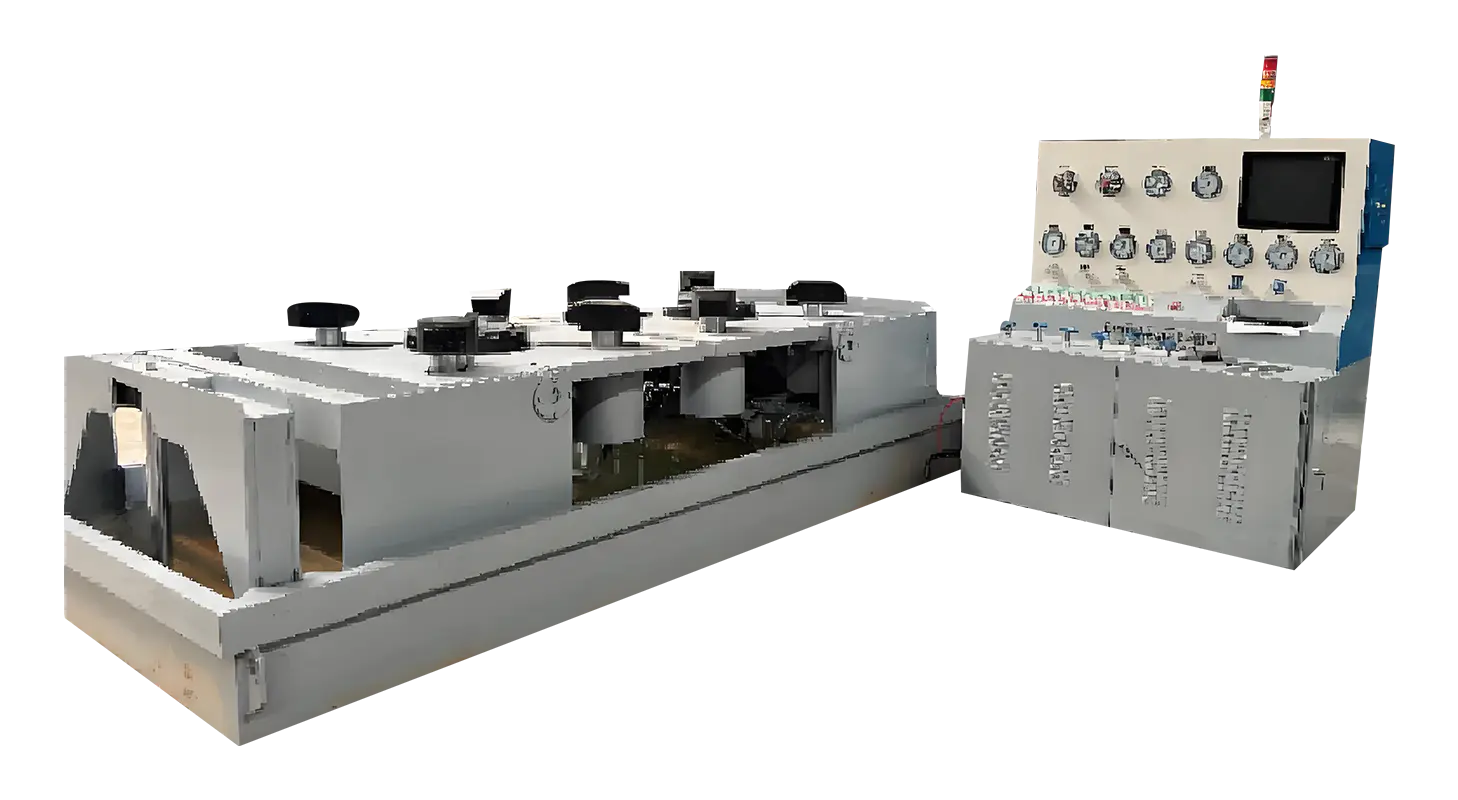
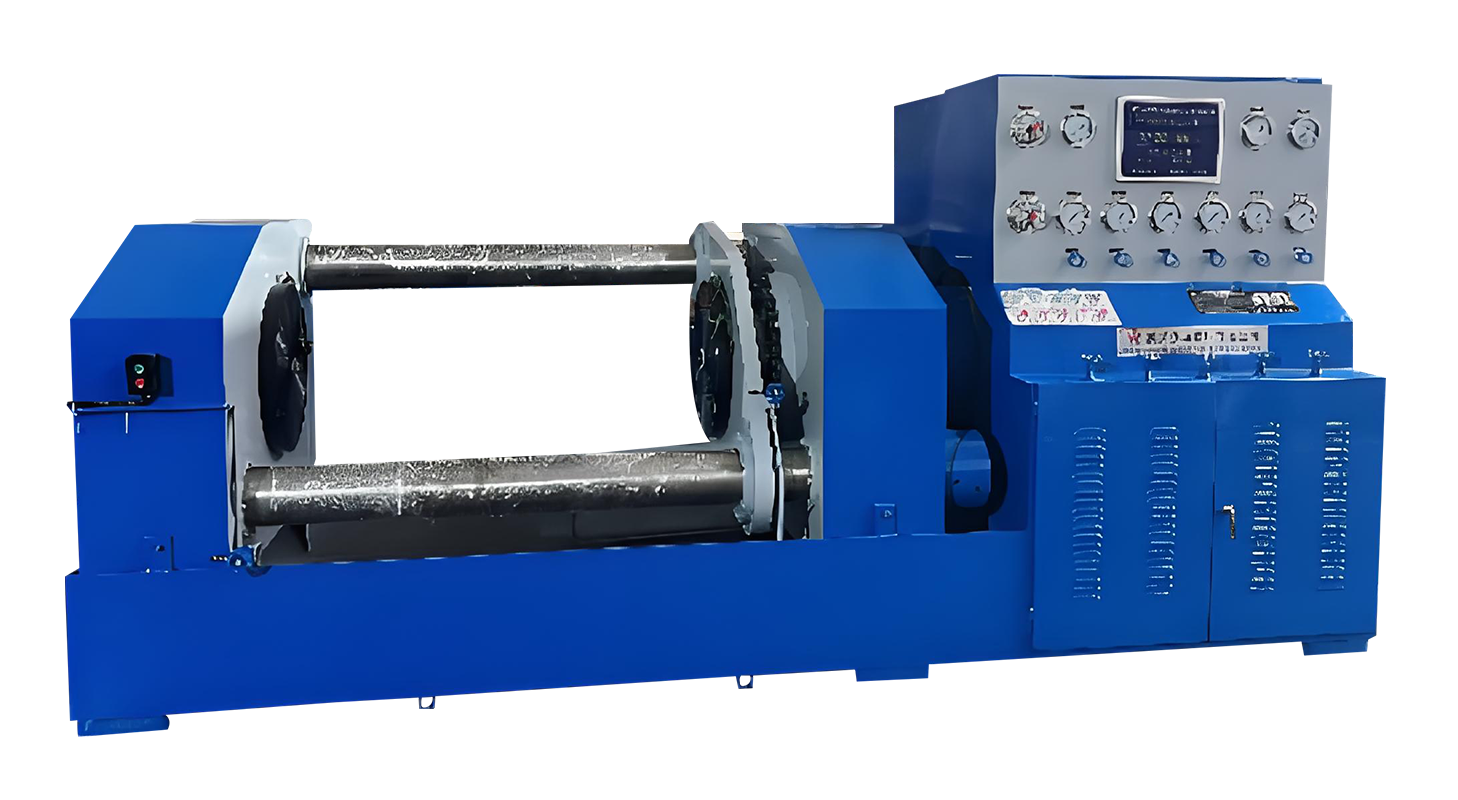
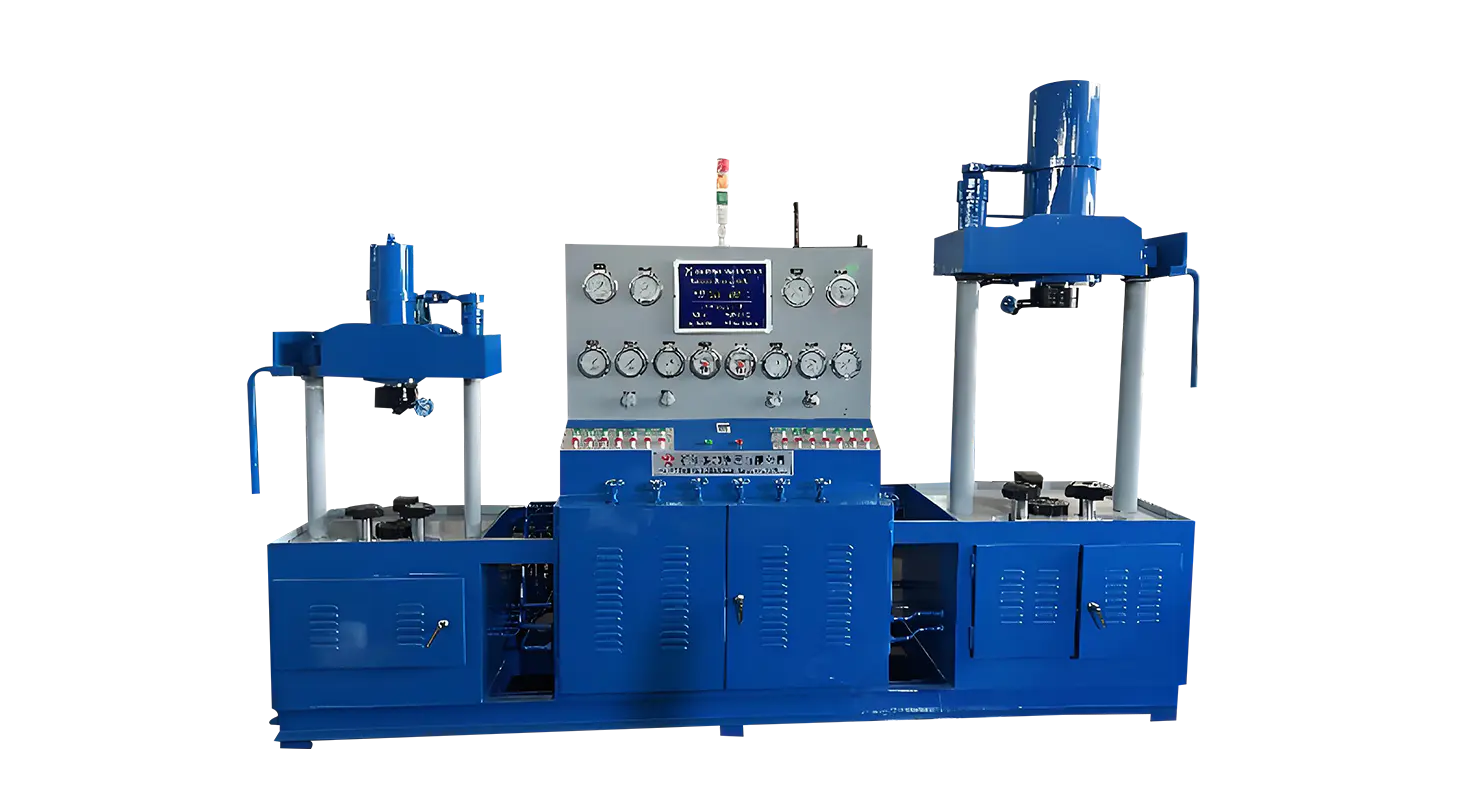
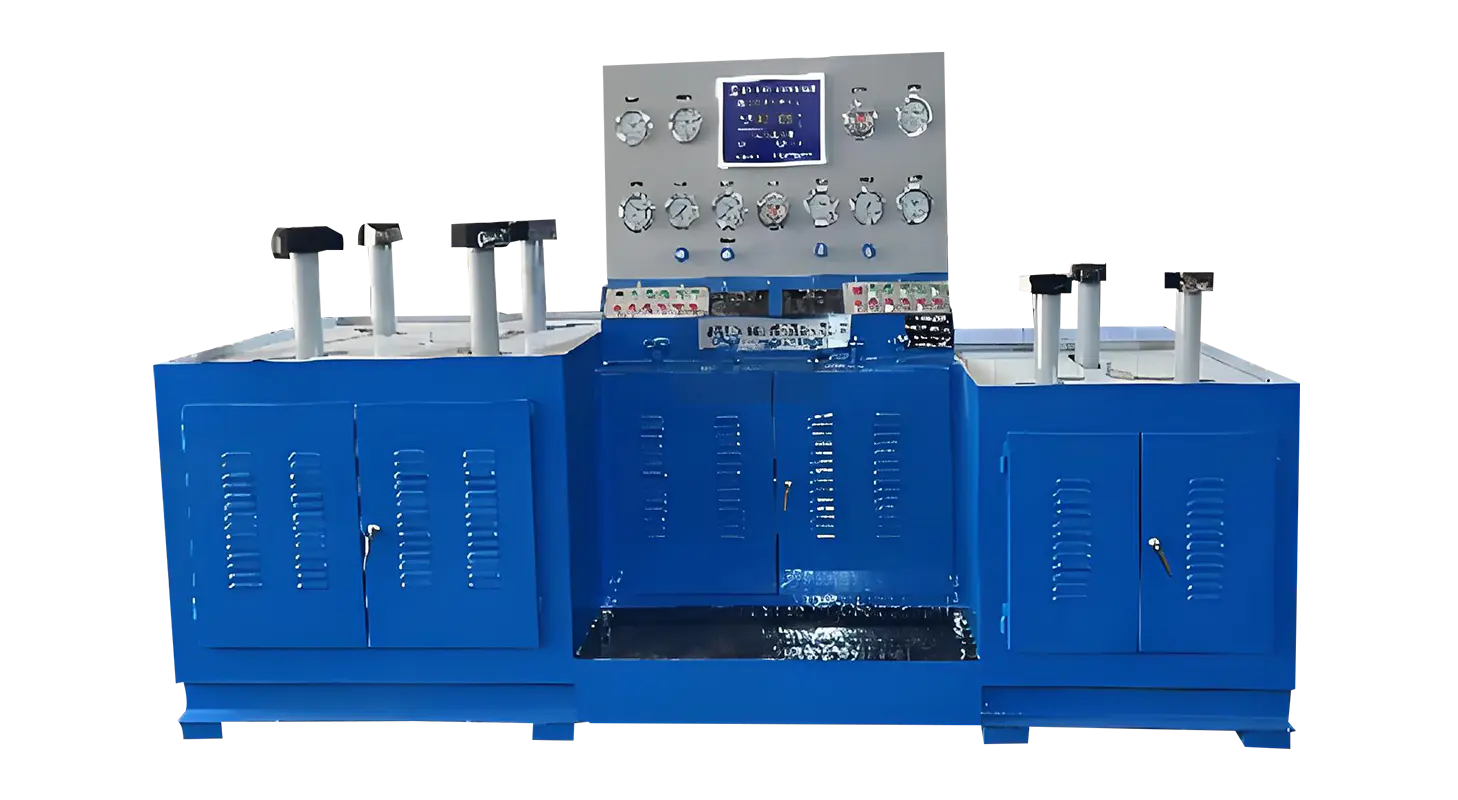
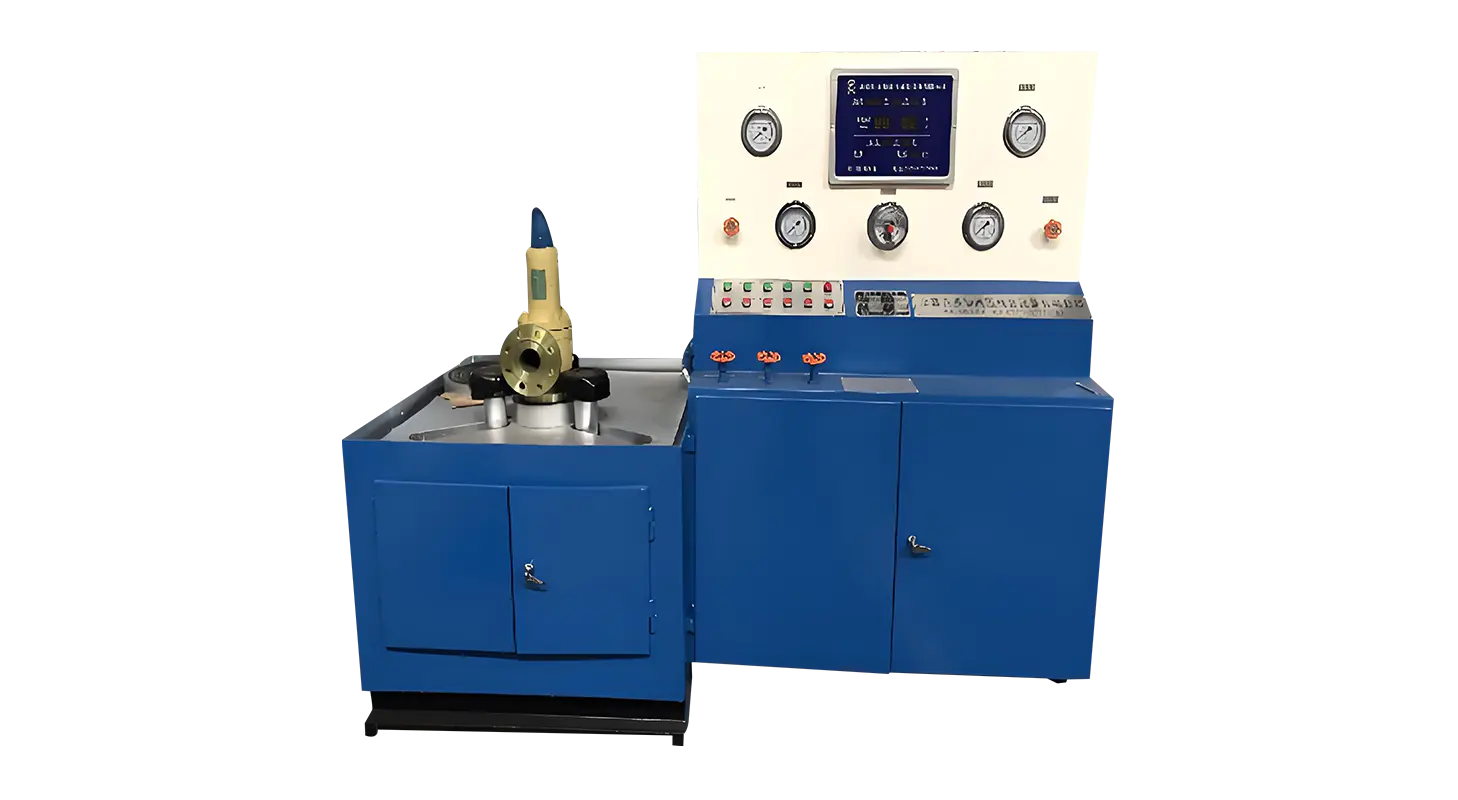
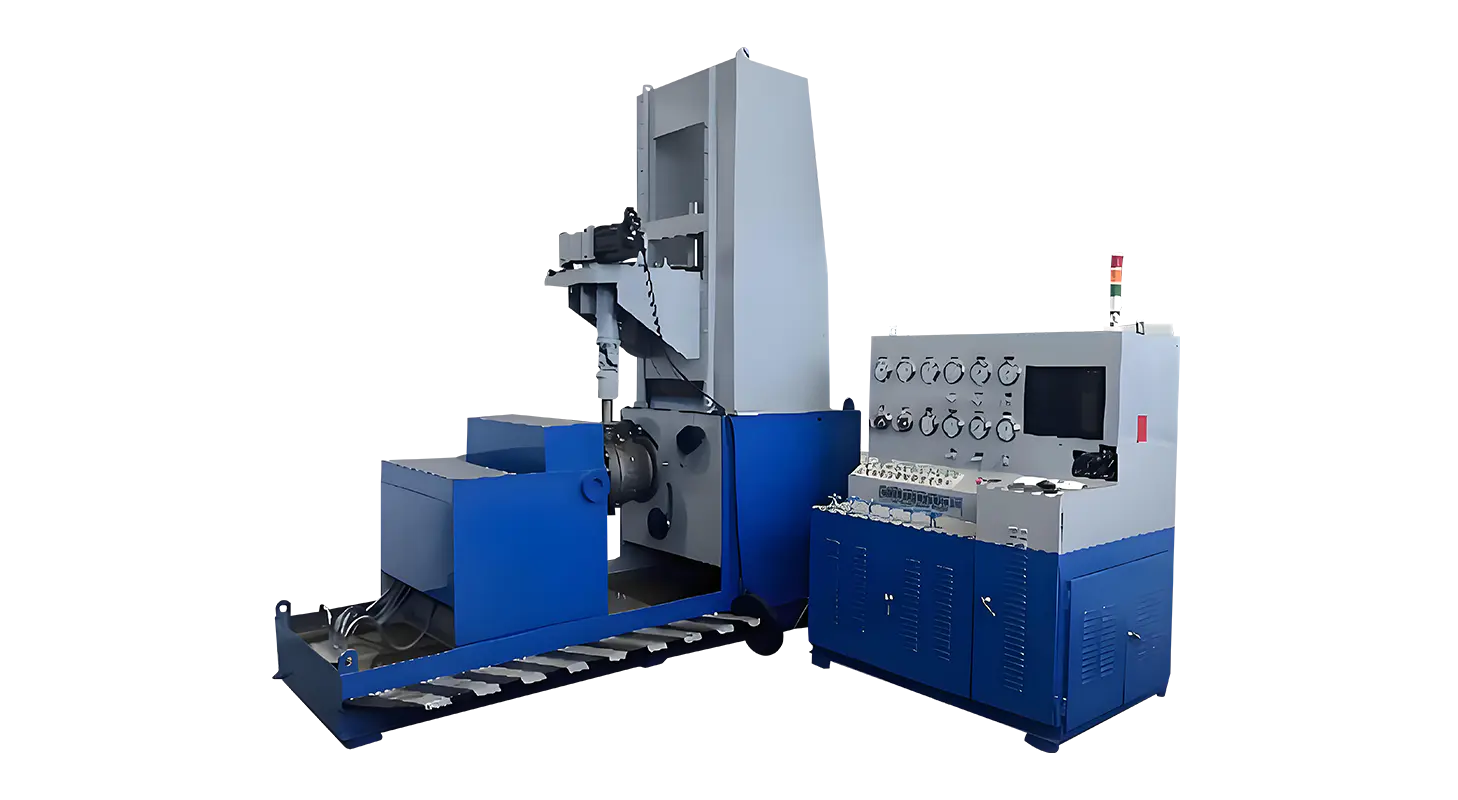
For this reason, our engineering process begins with the test specimen itself. The DYFJ-A Horizontal Clamping Valve Test Bench is designed for flange-connected ball valves, gate valves, globe valves, check valves, and control valves. Instead of designing the machine around only one valve model, we build its configuration around the range of products the customer needs to test.
The connection between the valve and test bench directly affects how the testing process can be carried out. If the interface does not match the customer's valve configuration, even a capable pressure system may become difficult to use efficiently.
The DYFJ-A uses a hydraulic clamping structure designed around flange-connected valves. This allows the test bench to establish the required sealing connection while keeping the valve positioned horizontally. For projects involving non-standard valve specifications, we can further modify the machine configuration according to the customer's technical requirements.
Valve orientation is another factor that should be considered during equipment design. Some testing procedures require the valve to be repositioned rather than remaining fixed in one direction.
The DYFJ-A incorporates a 90-degree rotation function, while dual-end rotation can be selected for applications requiring additional positioning flexibility. From a manufacturing perspective, integrating this movement into the machine structure at the design stage is more practical than treating rotation as a separate add-on.
This can be particularly useful when the same test station needs to accommodate different valve structures or inspection procedures.
Pressure generation is only one part of hydraulic test bench engineering. The complete system needs to coordinate pressure generation, media routing, clamping, pressure holding, and safe release.
Our DYFJ-A configuration combines a low-pressure rapid water pump with a high-pressure slow-increase water pump. The two-stage approach supports efficient filling followed by controlled pressure increase. Once the required pressure is reached, the system can enter the pressure-holding stage automatically.
For different projects, the hydraulic configuration can be developed according to the customer's required testing conditions rather than applying one fixed setup to every application.
A manufacturer may also need more than one testing medium depending on its valve products and inspection procedures. The DYFJ-A supports both water and gas testing, with pipeline control valves used to manage the selected medium.
The integrated arrangement can help manufacturers organize different testing procedures within one machine:
This flexibility can be valuable for production facilities that manufacture several valve categories instead of specializing in only one product.
Customization should not focus only on productivity or valve compatibility. Safety requirements also need to be considered during equipment design.
The DYFJ-A incorporates zero-pressure safety protection. The hydraulic claws can only release, and the tested valve can only be removed, after pressure inside the valve cavity has been released. Safety protection doors are also available when additional physical separation is required by the customer's workshop arrangement.
These functions are designed as part of the equipment system, helping reduce reliance on manual operating judgment during pressure testing.
As a manufacturer, we understand that a test bench project usually starts with a list of valve specifications rather than a ready-made equipment model. Our engineering team can develop non-standard configurations around valve dimensions, connection requirements, testing media, rotation functions, safety requirements, and automation needs. Optional PLC data acquisition and automated testing systems can also be integrated when required.
The DYFJ-A therefore serves as more than a standard testing platform. It provides a foundation that can be adapted to different manufacturing environments and valve testing processes. For overseas valve manufacturers looking for equipment that can evolve with their product range, working directly with a Control Valve Test Bench manufacturer with customization capability can turn individual testing requirements into a practical, production-ready solution.
Related Products
Contact us
Address
Sanqiao Industrial Zone, Oubei, Yongjia County, Zhejiang Province, China
Phone
+86-13676520568
Telephone number
+86-13676520568
Fax
products
Quick Links
QR CODE