English
 русский
 عربى
عربى
Get in touch
Get in touch
Sep 18, 2026
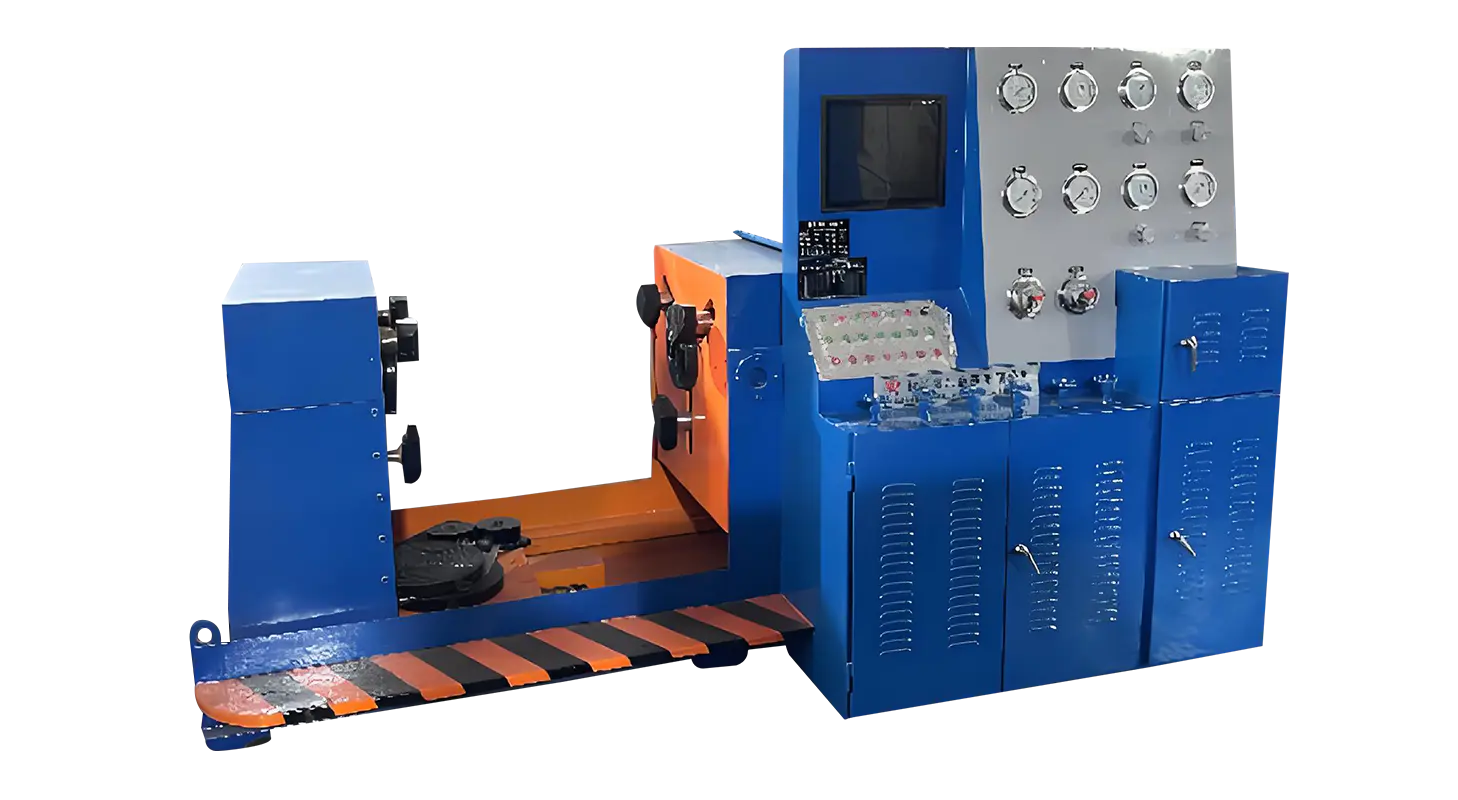
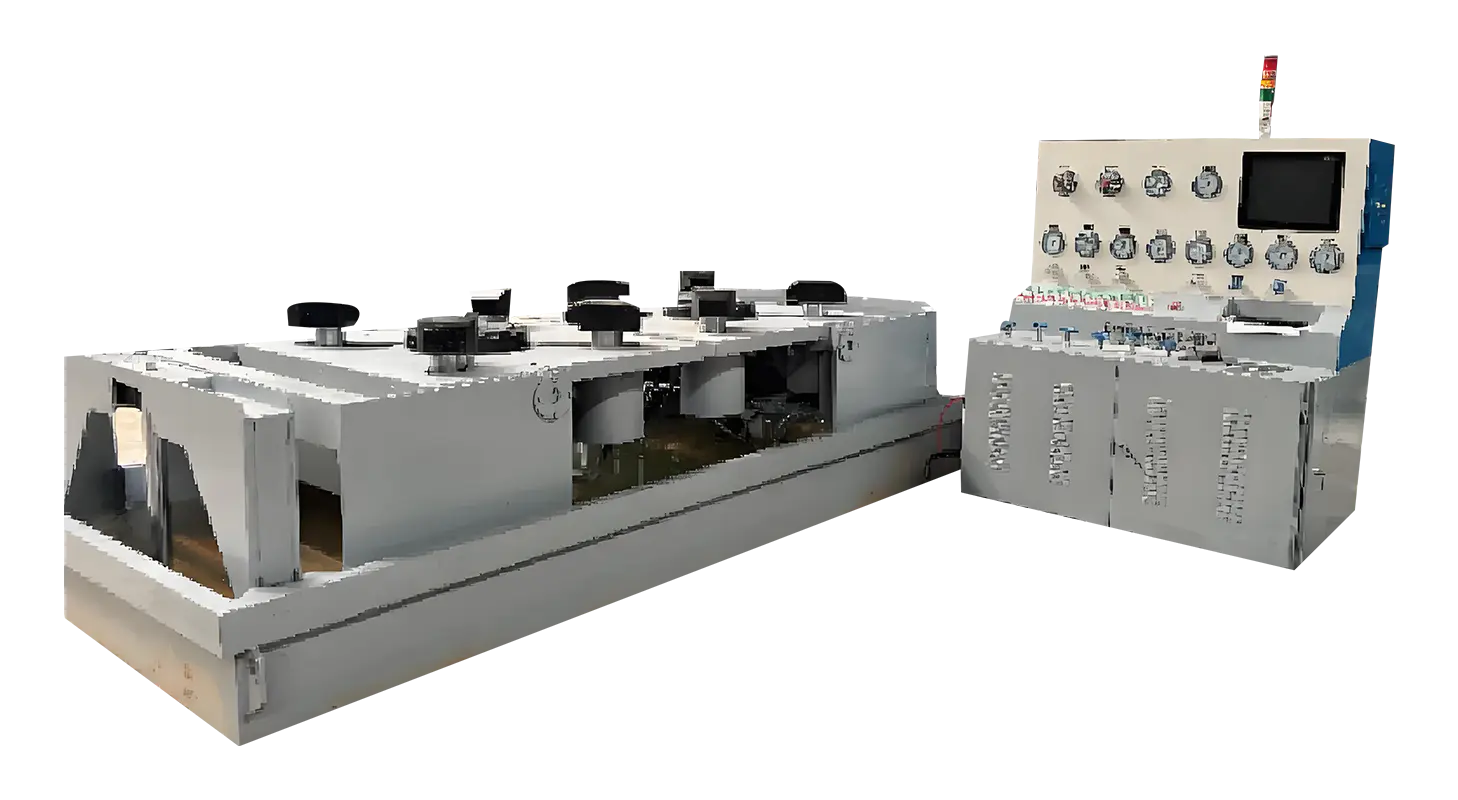
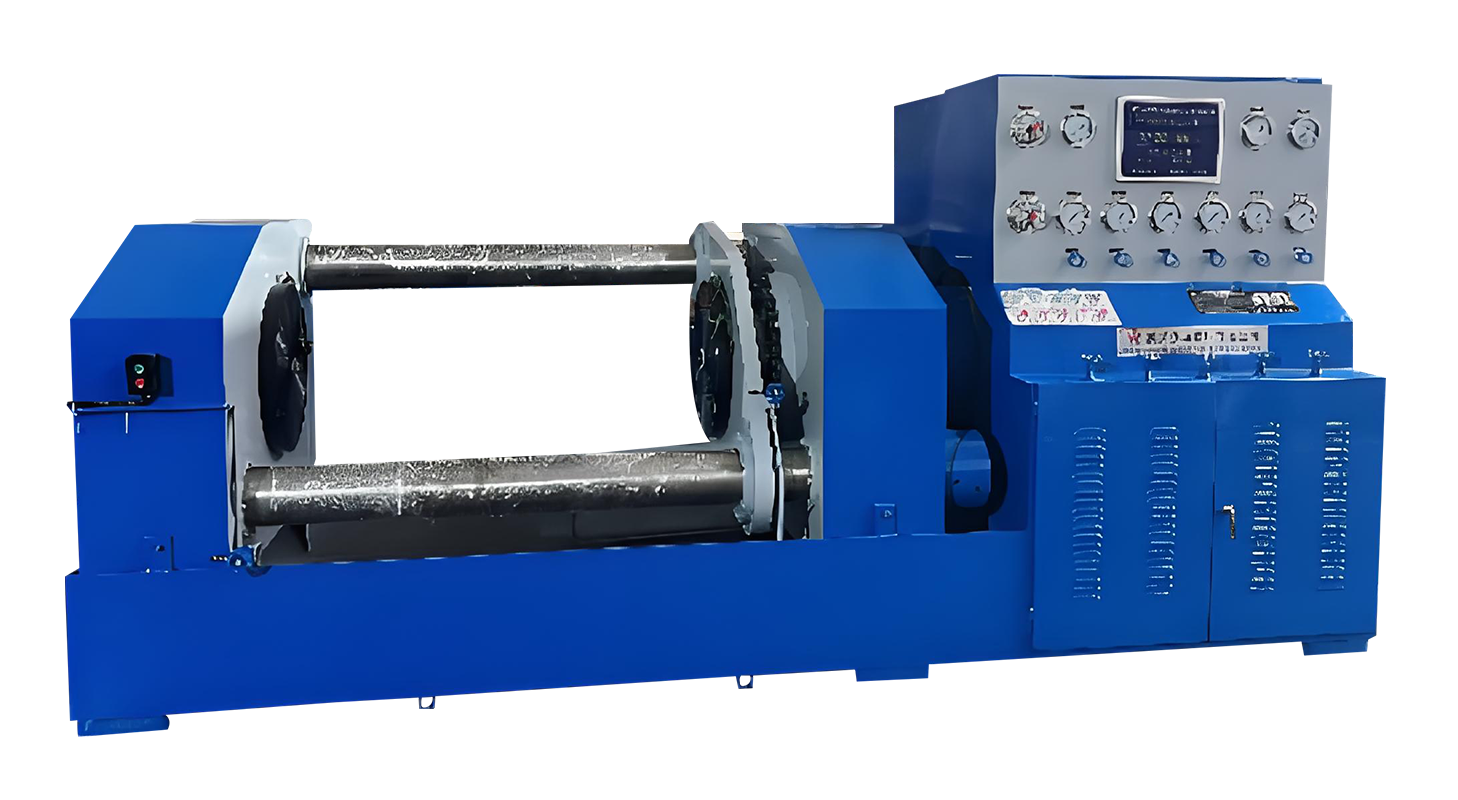
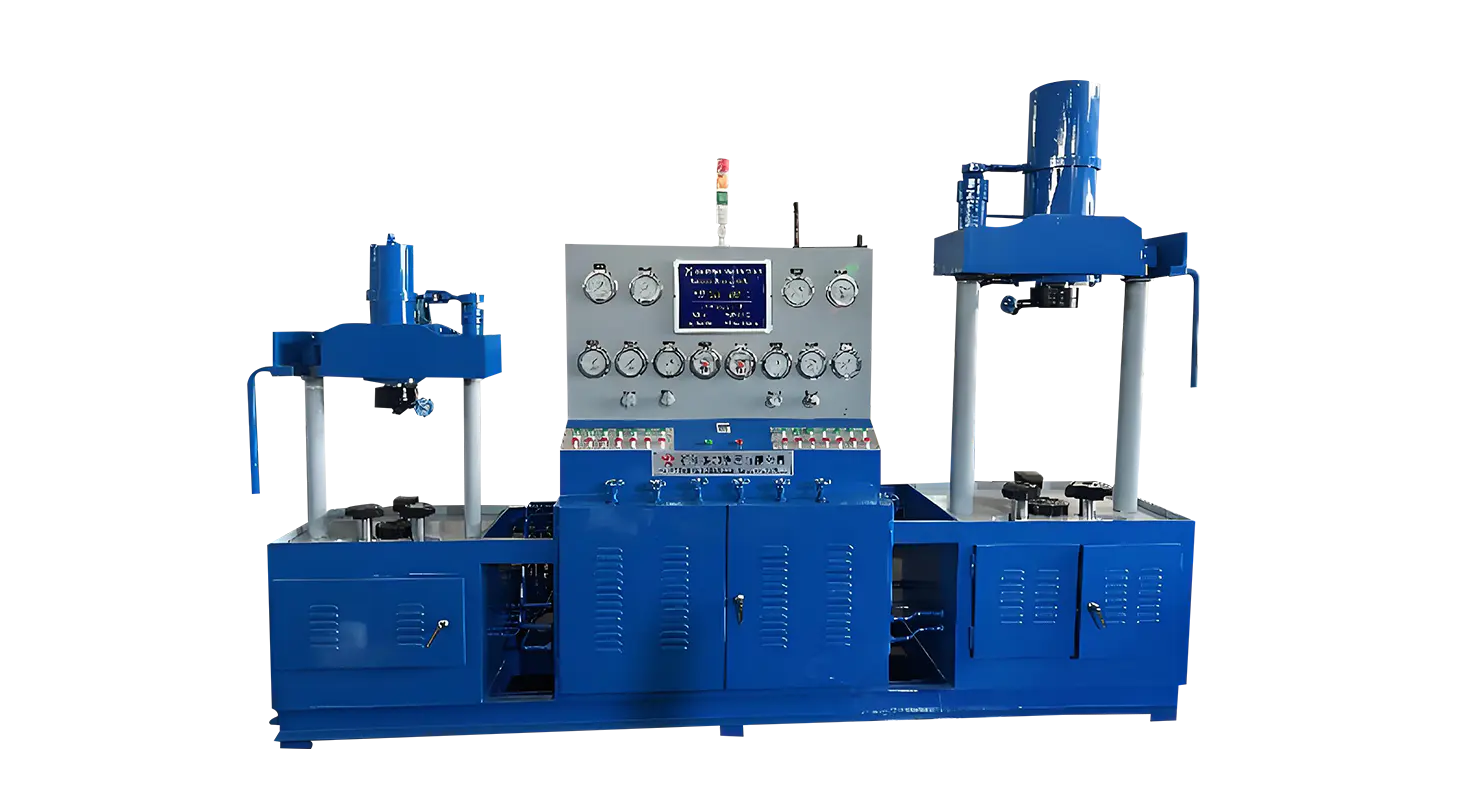
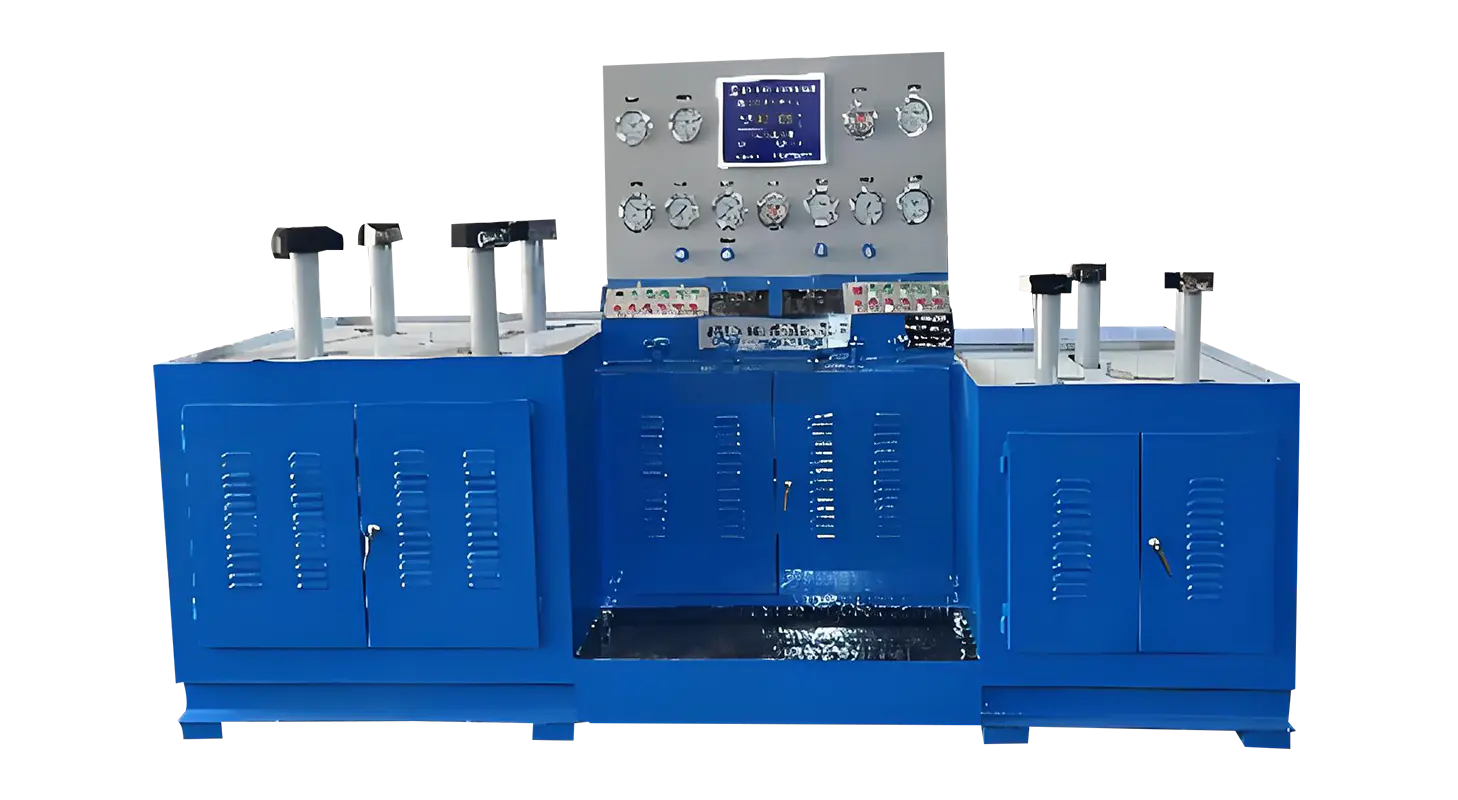
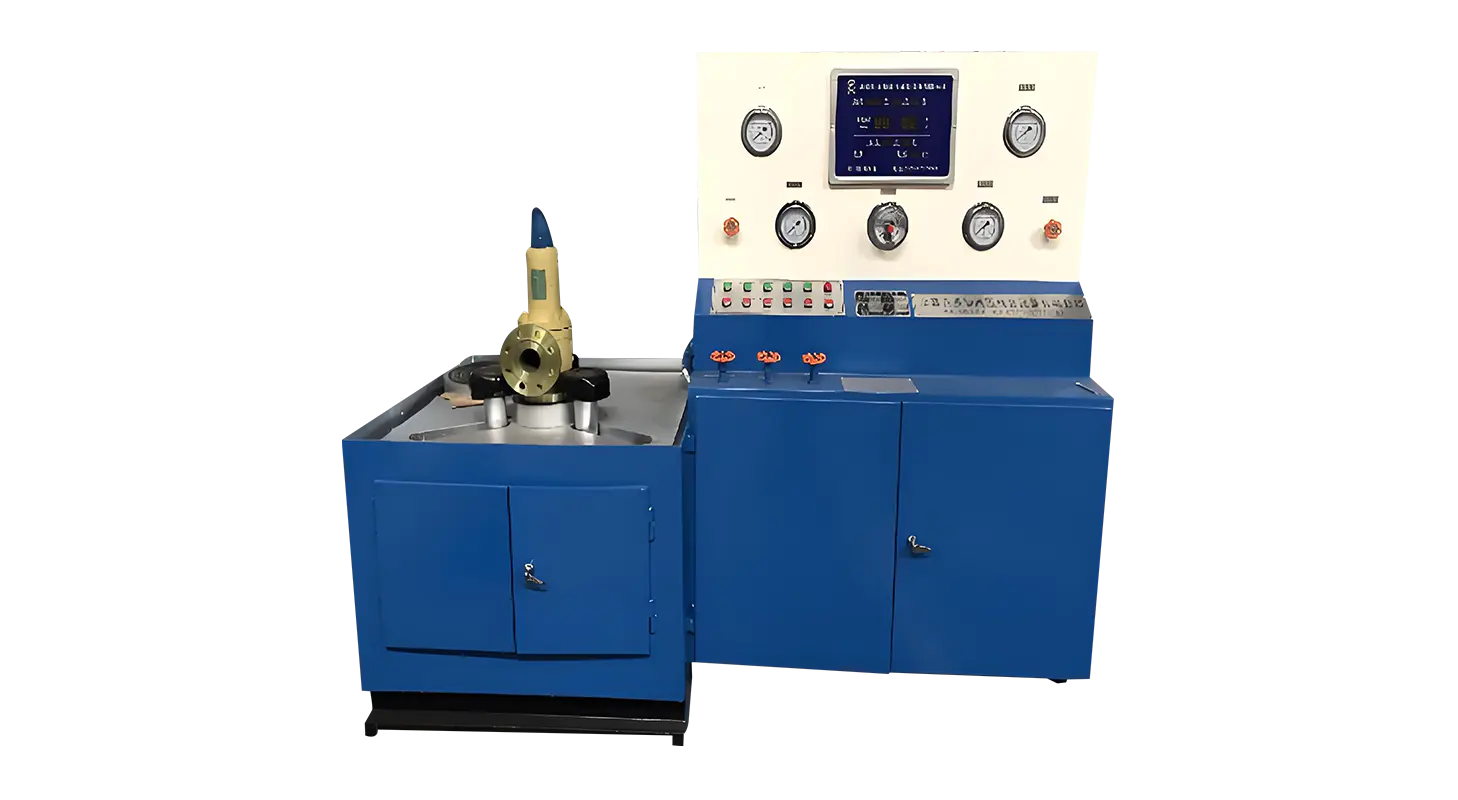
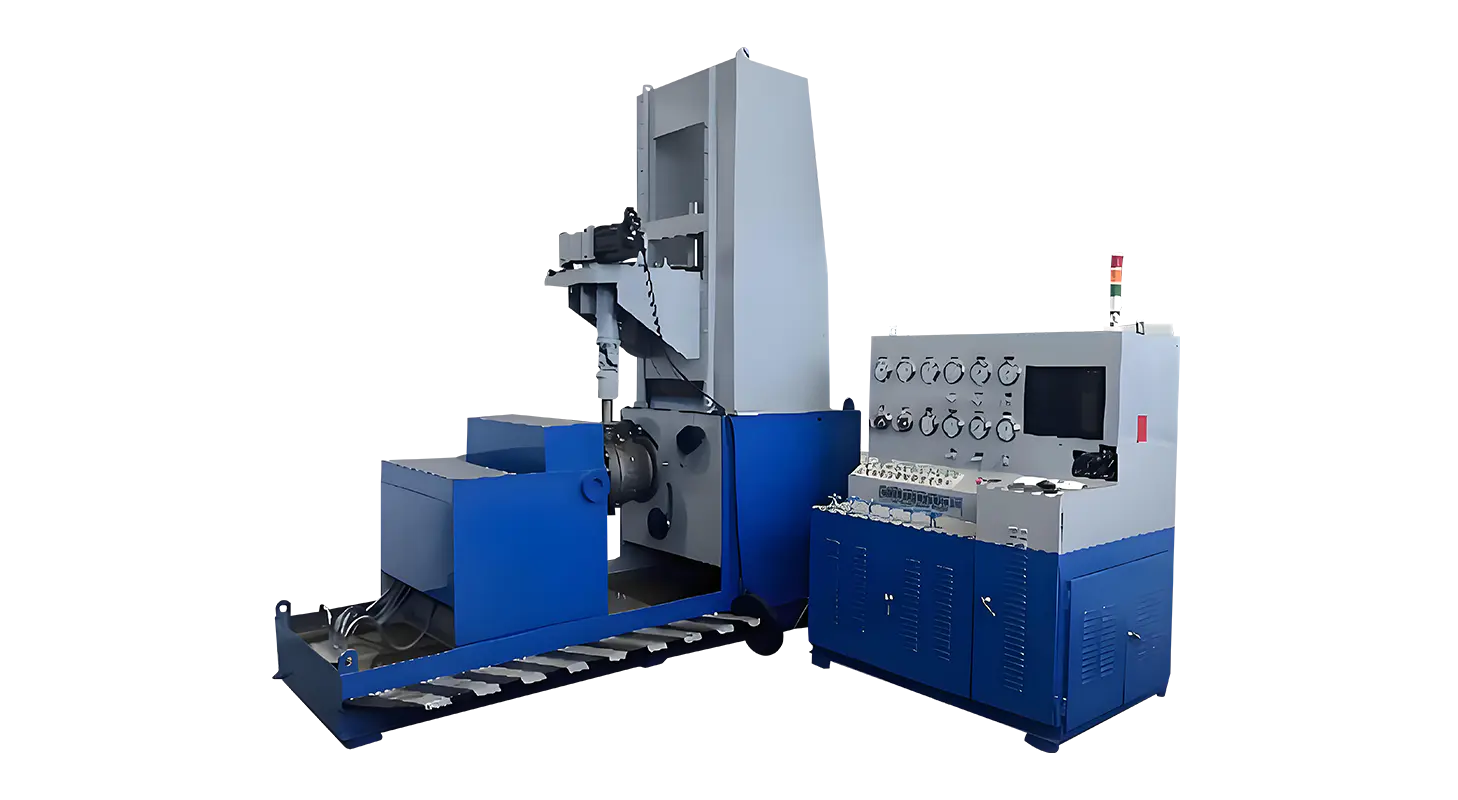
Control valve manufacturers rarely work with only one valve configuration. Different nominal sizes, connection types, body structures, actuator arrangements, and testing requirements can make a fixed testing setup difficult to apply across an entire production range. For a Control Valve Test Bench manufacturer, the engineering challenge is therefore not simply to generate test pressure, but to design a testing platform that can accommodate the actual valve range while maintaining stable connections, safe operation, and repeatable test conditions.
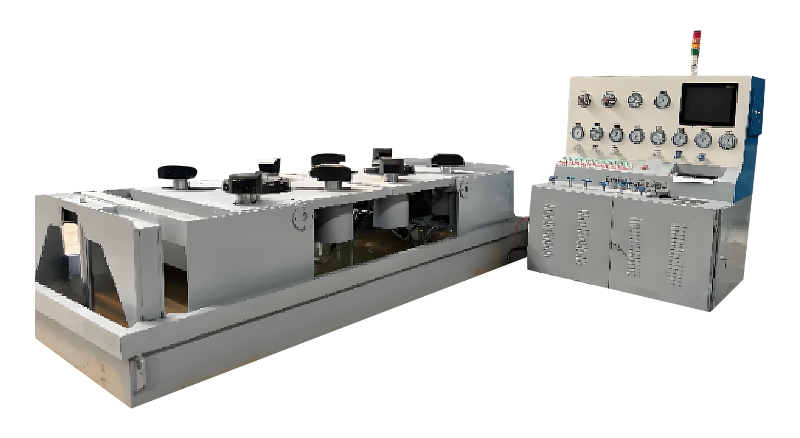
A test bench designed around one valve specification may become inefficient when production includes several sizes or body configurations. Changing valves can require different supports, connection arrangements, sealing components, or fixture positions.
If these changes are handled through improvised adaptations, setup time can increase and the consistency of the testing process may become harder to maintain. Manufacturers therefore need to consider the expected valve range during the initial equipment design rather than modifying the system after installation.
The fixture is one of the most important mechanical elements of a valve testing system. It needs to hold the valve securely while allowing the required test connections to be established without placing unnecessary loads on the component.
For customized equipment, engineers can evaluate:
A properly engineered fixture can make different valve configurations easier to accommodate while keeping the testing platform organized.
When a manufacturer tests multiple valve models, the connection system needs to balance flexibility with sealing reliability. A single permanent connection arrangement may not suit every product, while excessive manual modification can complicate operation.
Modular adapters provide one possible approach. Different connection components can be developed around a common test circuit, allowing selected interfaces to be changed according to the valve specification.
From the equipment manufacturer's perspective, these components need to be designed together with the pressure circuit, sealing method, fixture structure, and operating procedure. Compatibility cannot be determined from flange dimensions alone.
A flexible fixture is only useful when the supporting test circuit can accommodate the required testing conditions. Pressure generation, control valves, pipelines, measurement points, drainage, and safety functions all need to be coordinated.
During equipment development, engineers can determine which parts of the circuit should remain common and which functions require adjustment for different valve models. This helps avoid building an unnecessarily complicated system while retaining the flexibility required for the production range.
Automation can also be designed around product variation rather than assuming that every valve follows exactly the same test sequence. Different valve models may require different pressure levels, stabilization periods, actuator operations, or inspection steps.
A configurable control system can store approved procedures for different products. Once the appropriate test program is selected, the equipment can guide the operator through the required sequence and record the relevant results.
This approach can reduce dependence on manual operating habits while allowing one testing platform to support multiple production requirements.
Customizing a test bench is not only about making the equipment fit more valve types. The increased flexibility also needs to be considered from a safety perspective.
Fixture locking, pressure isolation, protective structures, emergency controls, pressure release, and operating access should be incorporated into the equipment design. The specific safety configuration depends on the test medium, pressure range, valve structure, and operating environment.
As a manufacturer, we therefore evaluate the complete mechanical and control system rather than treating safety components as separate additions.
A versatile testing platform should reflect the manufacturer's actual valve production range. Understanding valve dimensions, connection standards, test procedures, expected changeovers, workshop conditions, and future product development allows the equipment structure to be planned before fabrication begins.
As a Control Valve Test Bench manufacturer, we develop customized systems by coordinating fixtures, adapters, pressure circuits, instrumentation, control logic, safety functions, and operator access. This engineering approach allows the test bench to be configured around different valve models instead of forcing the production process to adapt to a rigid equipment structure, providing a practical foundation for repeatable testing as product requirements evolve.
Related Products
Contact us
Address
Sanqiao Industrial Zone, Oubei, Yongjia County, Zhejiang Province, China
Phone
+86-13676520568
Telephone number
+86-13676520568
Fax
products
Quick Links
QR CODE