English
 русский
 عربى
عربى
Get in touch
Get in touch
Sep 25, 2026
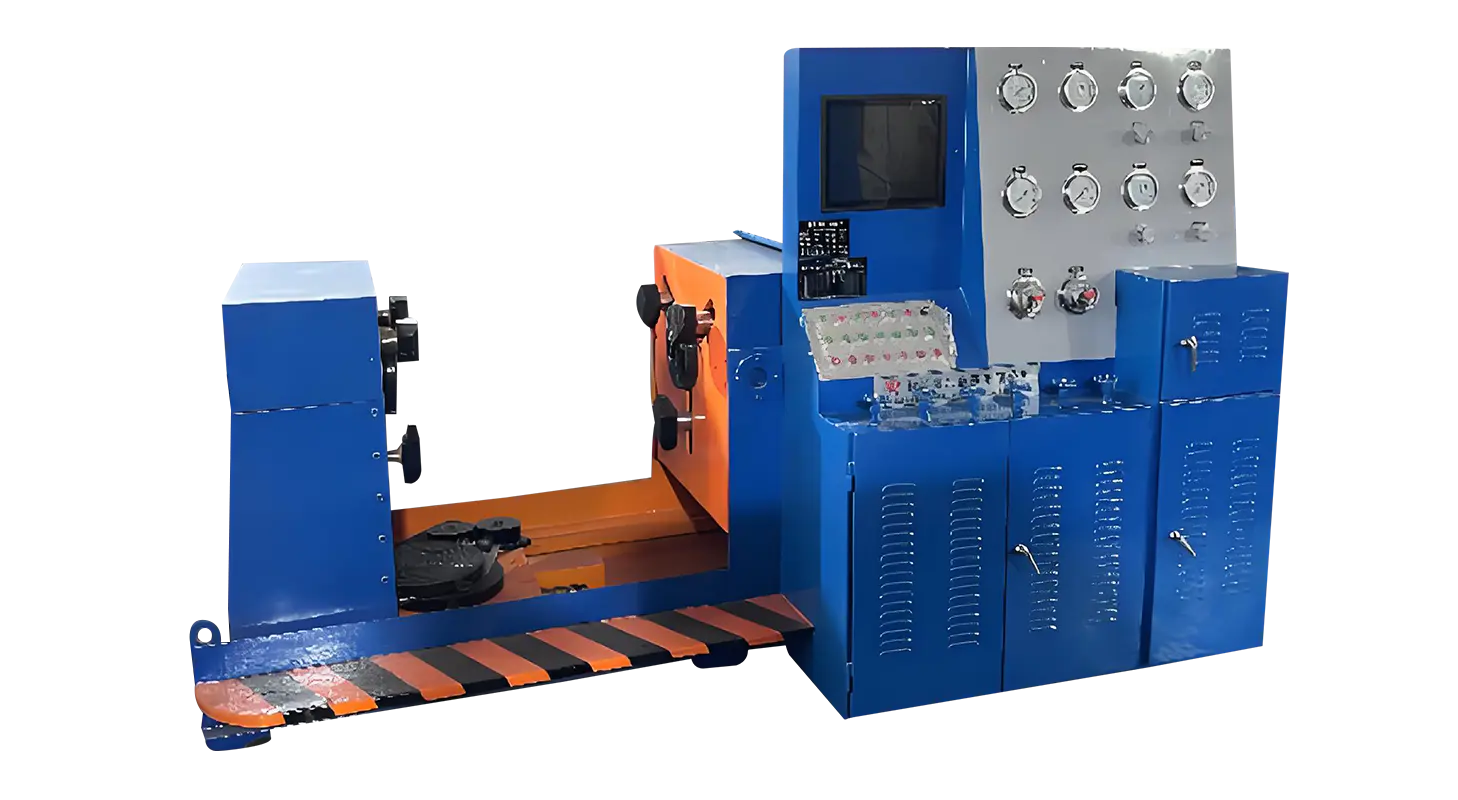
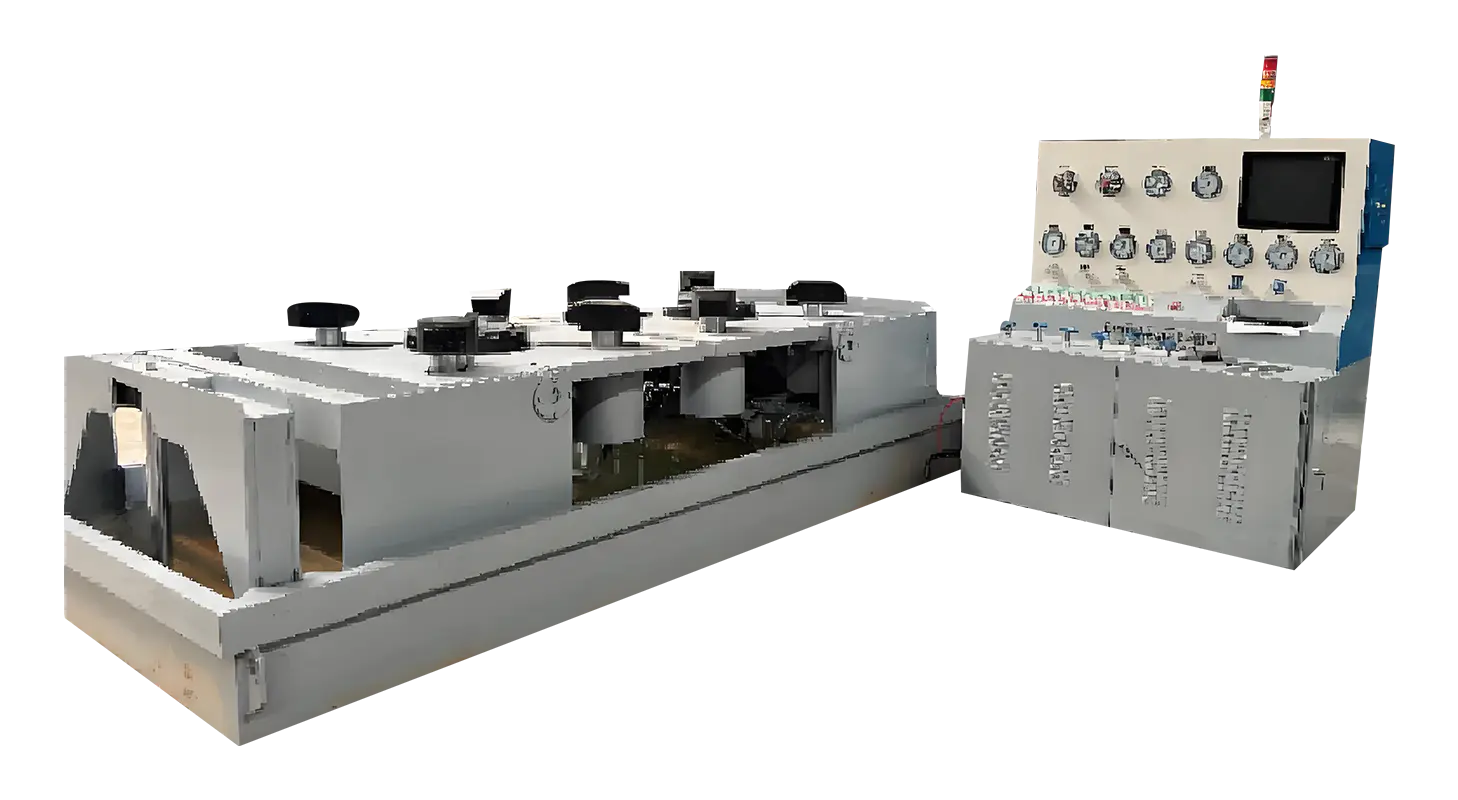
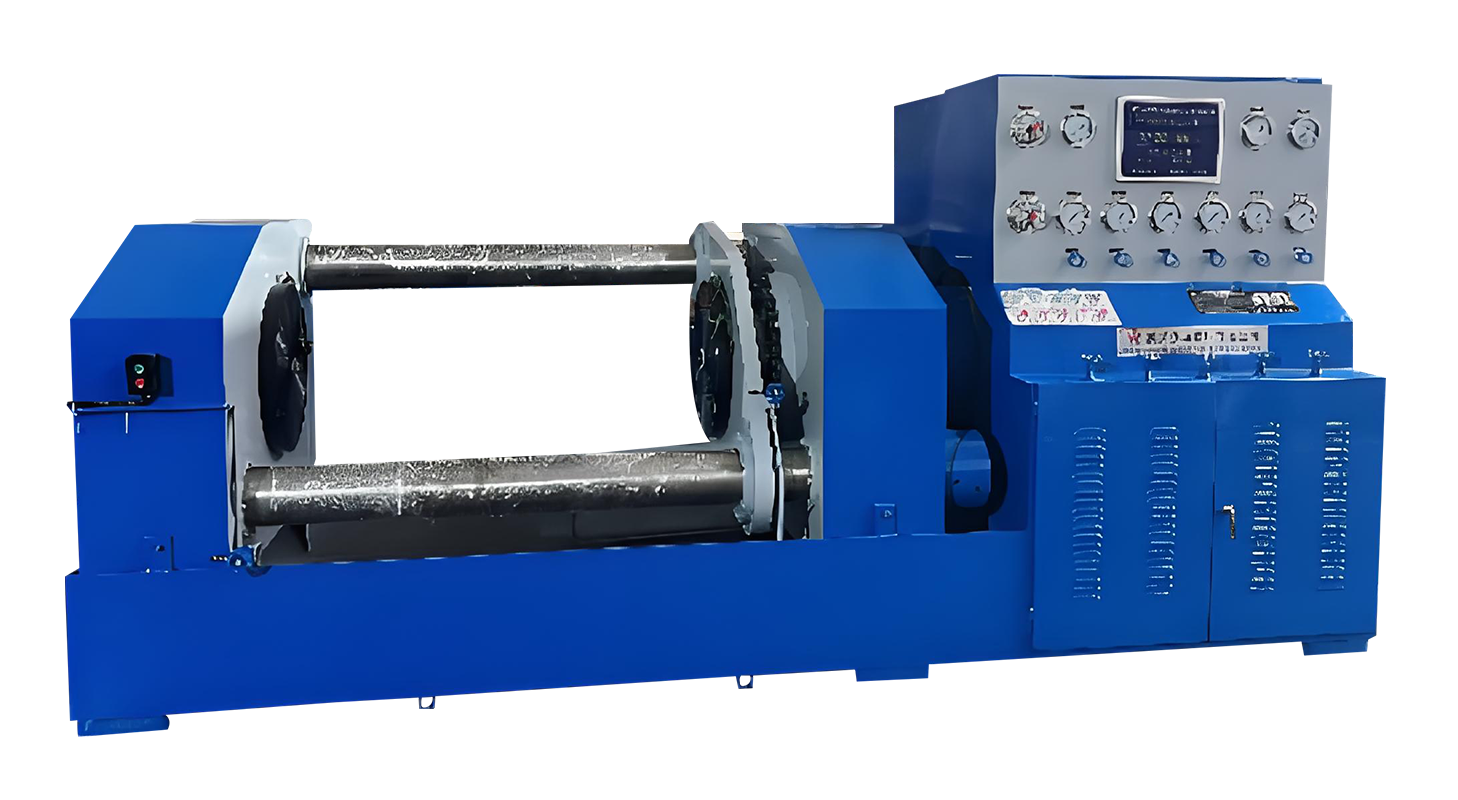
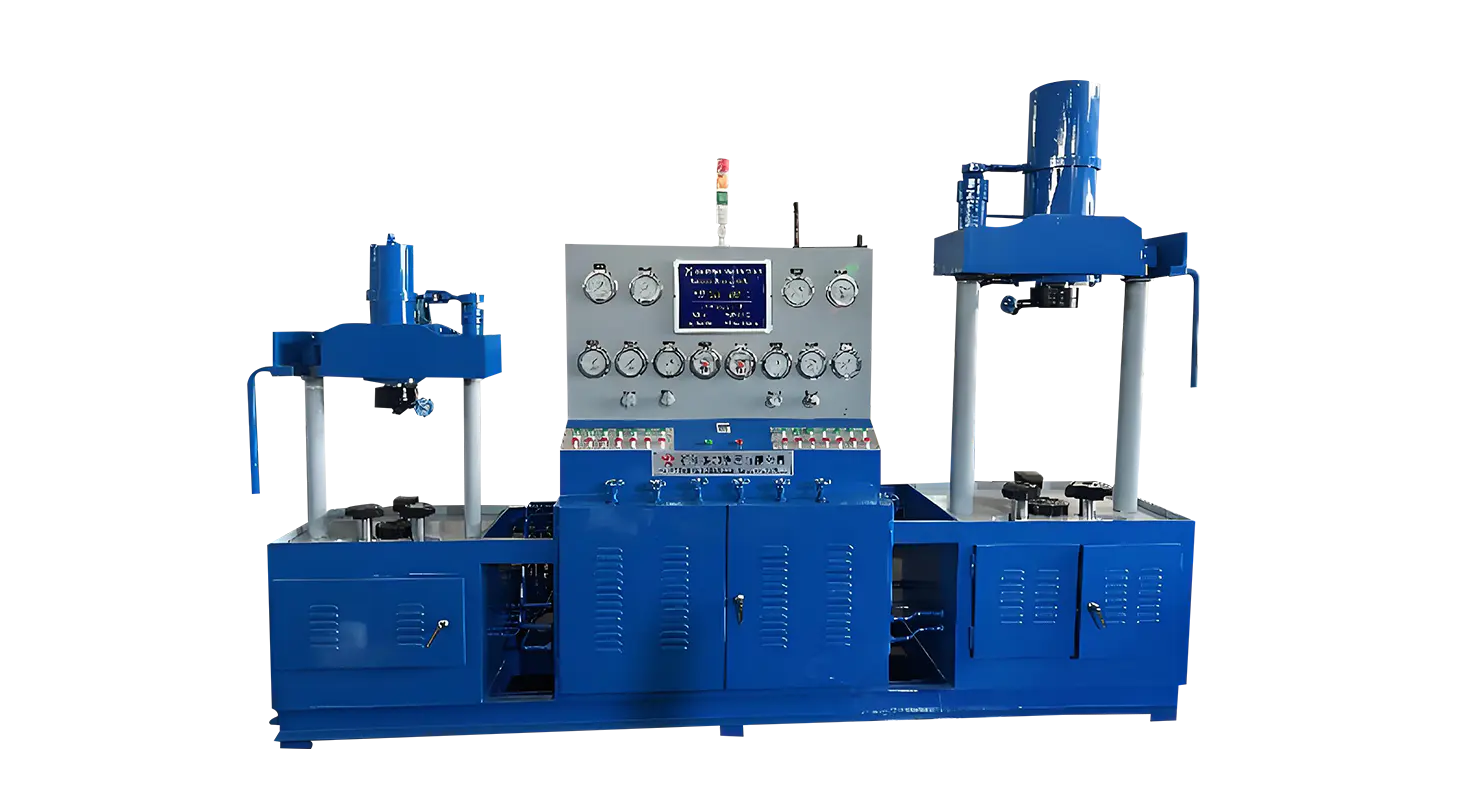
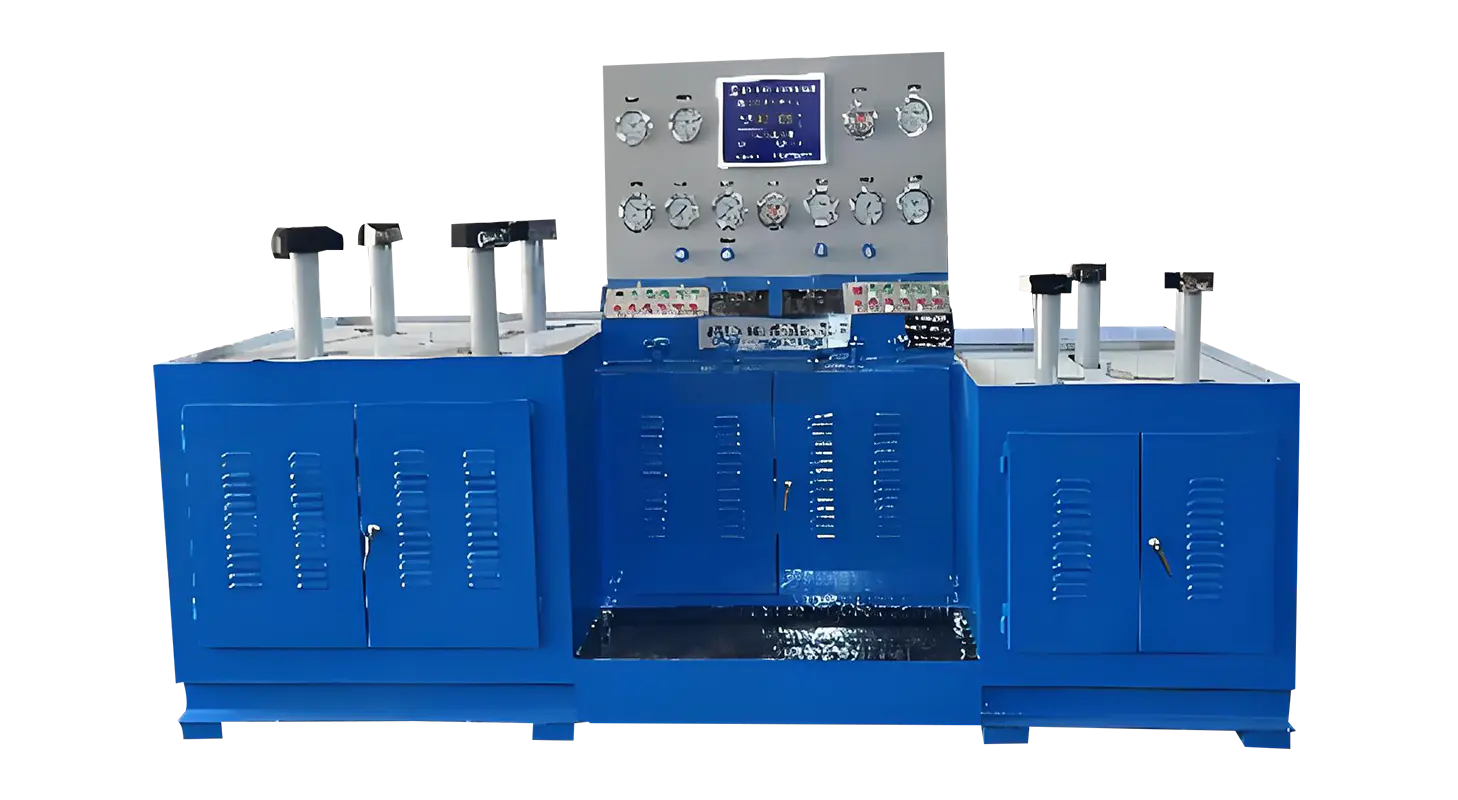
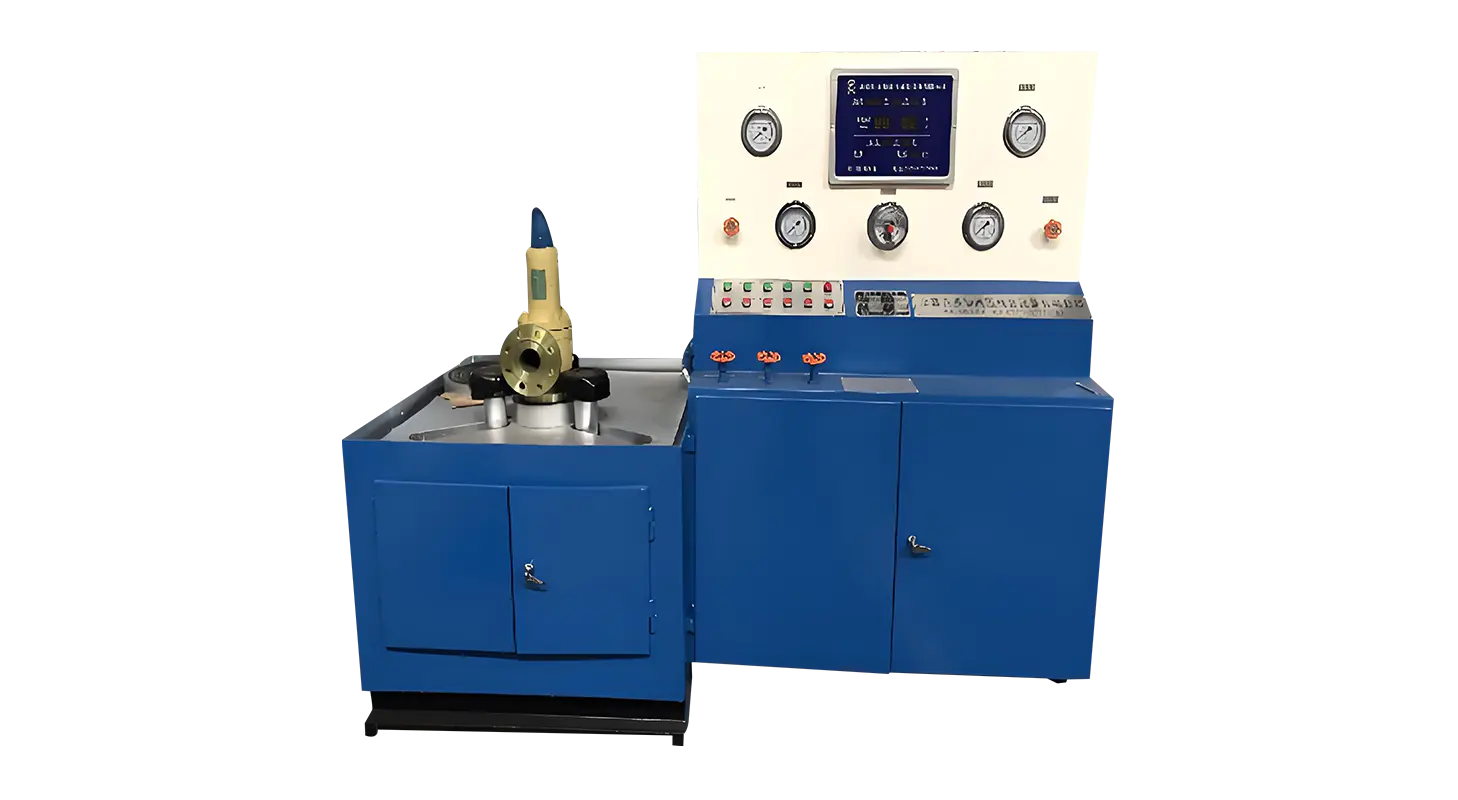
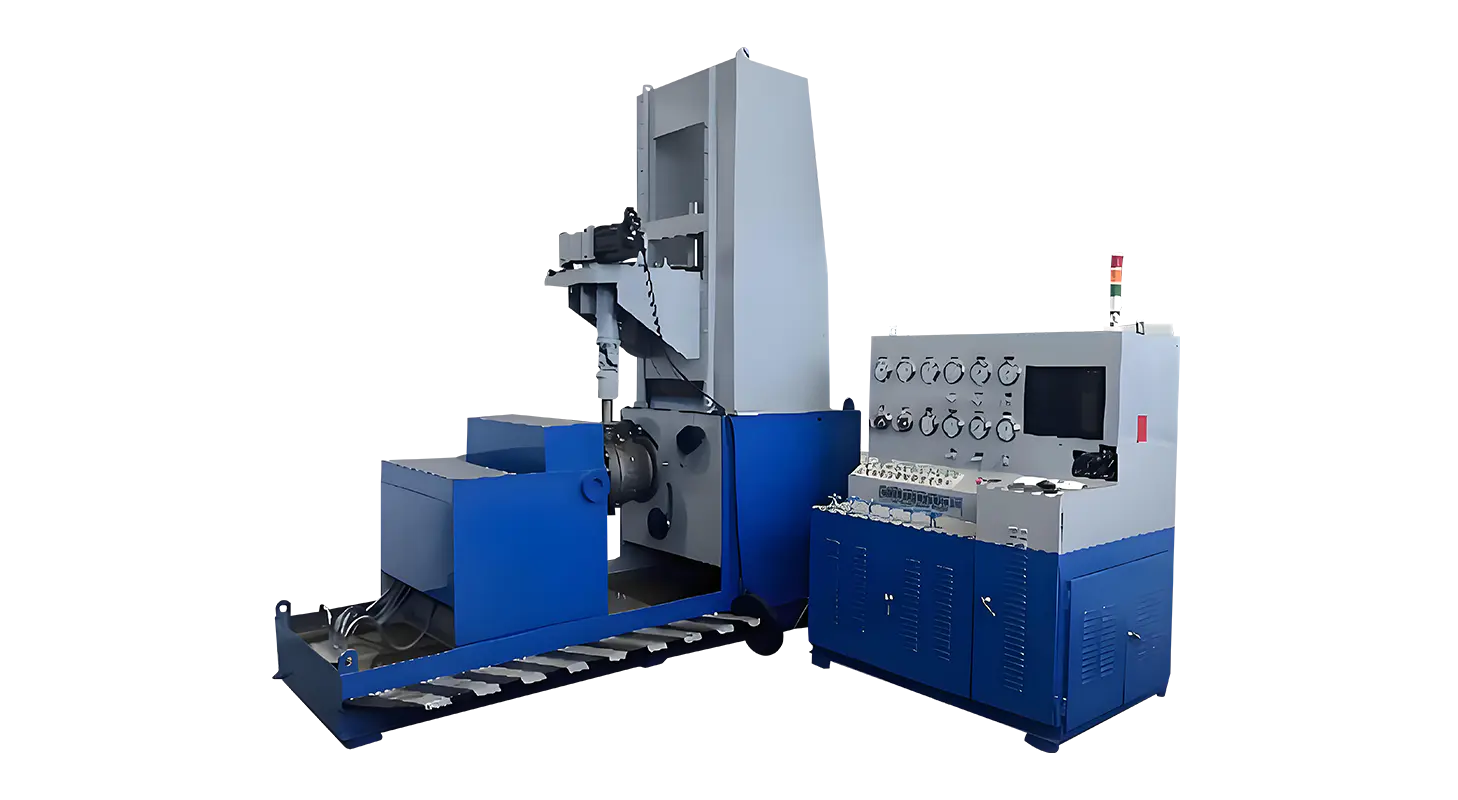
A control valve may pass a static pressure check and still behave differently when flow, pressure, actuator movement, and operating conditions change. This is why manufacturers of valves and industrial equipment increasingly need testing systems that can evaluate more than a single fixed condition. For a Control Valve Test Bench manufacturer, the engineering challenge is to reproduce relevant operating scenarios while keeping pressure, flow, measurement, and control functions coordinated. A well-designed test platform can therefore become part of product development and process verification rather than serving only as a final inspection station.
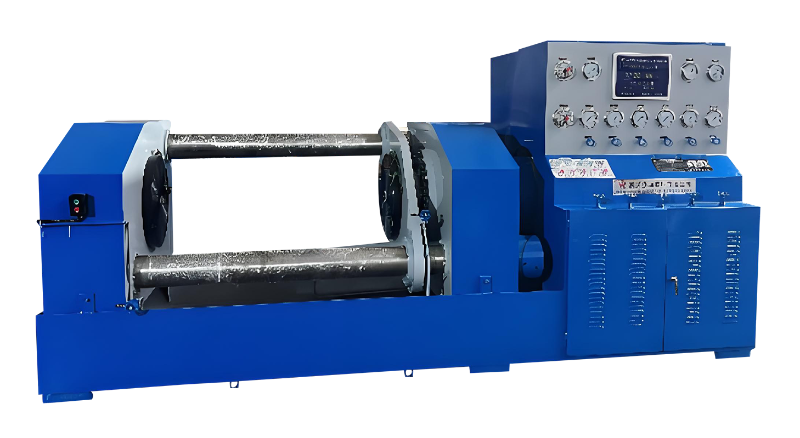
Static pressure testing can confirm important characteristics such as sealing performance and pressure resistance, but it does not necessarily show how a valve behaves while operating.
A control valve may experience changing flow demand, different pressure conditions, repeated actuator movement, or transitions between operating positions. These situations can reveal response characteristics that are not visible during a simple stationary test.
For equipment manufacturers, this means the test method should be connected to the actual function of the valve instead of being selected only because it is easy to perform.
The test system needs to create controlled conditions that correspond with the valve's intended application. Depending on the project, engineers may need to coordinate hydraulic or pneumatic supply, downstream resistance, flow measurement, pressure measurement, and actuator signals.
The relationship between these parameters matters. Changing flow can affect pressure drop, while actuator movement can change the valve's effective opening and response. A test bench therefore needs a coordinated control architecture rather than several independent instruments.
This is where customized equipment design becomes particularly valuable.
A manufacturer's test strategy may involve several measurements during one sequence. Instead of collecting isolated readings, the system can monitor related parameters simultaneously.
Typical considerations include:
The actual configuration should be determined by the valve type and the required test procedure. The purpose is to create a meaningful relationship between operating input and valve response.
Dynamic behavior can provide information that a static test cannot. A valve may respond slowly, show inconsistent movement, or behave differently during changing pressure conditions even when its basic sealing performance appears acceptable.
A programmable test sequence allows manufacturers to introduce controlled changes and record the resulting response. Time-based data can then help engineers compare samples, investigate unusual behavior, and identify whether a problem is related to the valve itself or to another part of the test setup.
For R&D applications, this information can also support design adjustments before a product moves into larger-scale production.
The test bench itself can influence the results. Pump selection, piping arrangement, filtration, reservoirs, regulators, valves, sensors, and cooling requirements all need to be matched to the intended test range.
An oversized or poorly configured circuit may create unnecessary control difficulties, while an undersized system may not reproduce the required operating conditions.
As a manufacturer, we begin equipment development by reviewing the valve characteristics, test requirements, available utilities, operating environment, and expected production workflow. This provides a basis for designing the circuit around the application instead of adapting a standard system afterward.
Hardware creates the test conditions, but the control system determines how those conditions are applied. A programmable platform can coordinate pressure targets, flow settings, actuator commands, stabilization periods, measurement points, and test sequences.
This also allows different valve models to use different approved procedures within the same equipment platform when the system has been designed with sufficient flexibility.
For production environments, repeatable automated sequences can reduce differences caused by manual operation while giving engineers a clearer record of how each test was performed.
A useful test bench should reflect the engineering questions that manufacturers need to answer. Static pressure and leakage tests remain important, but they may represent only part of the valve's actual operating behavior. Flow response, pressure differential, actuator movement, and dynamic characteristics can require additional testing when they are relevant to the application.
As a Control Valve Test Bench manufacturer, we develop equipment by coordinating hydraulic or pneumatic circuits, fixtures, sensors, actuators, control systems, data acquisition, and safety functions around the customer's actual testing requirements. This engineering approach allows the test platform to move beyond basic pressure verification and provide a more practical environment for development testing, production validation, and performance evaluation.
Related Products
Contact us
Address
Sanqiao Industrial Zone, Oubei, Yongjia County, Zhejiang Province, China
Phone
+86-13676520568
Telephone number
+86-13676520568
Fax
products
Quick Links
QR CODE