English
 русский
 عربى
عربى
Get in touch
Get in touch
Oct 02, 2026
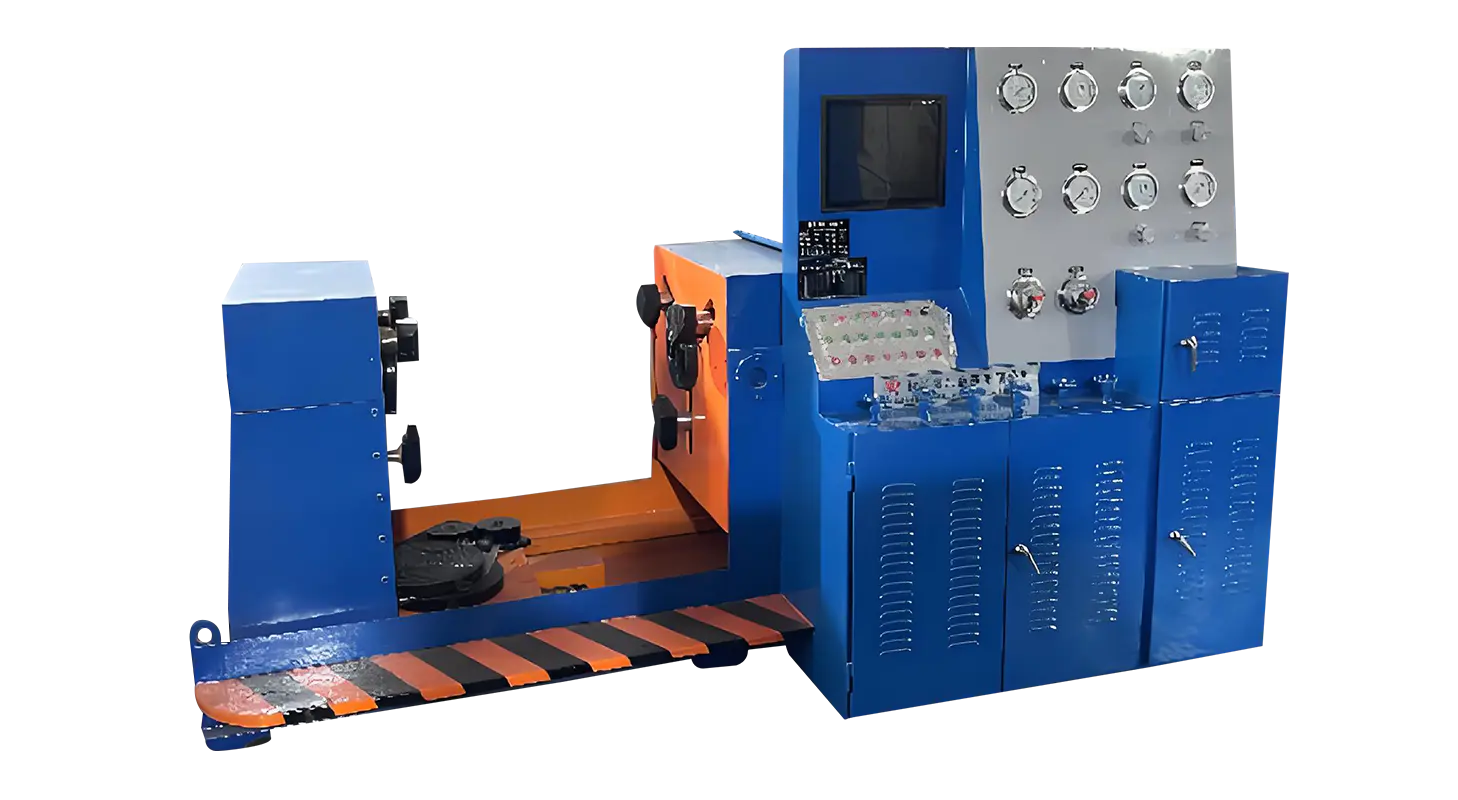
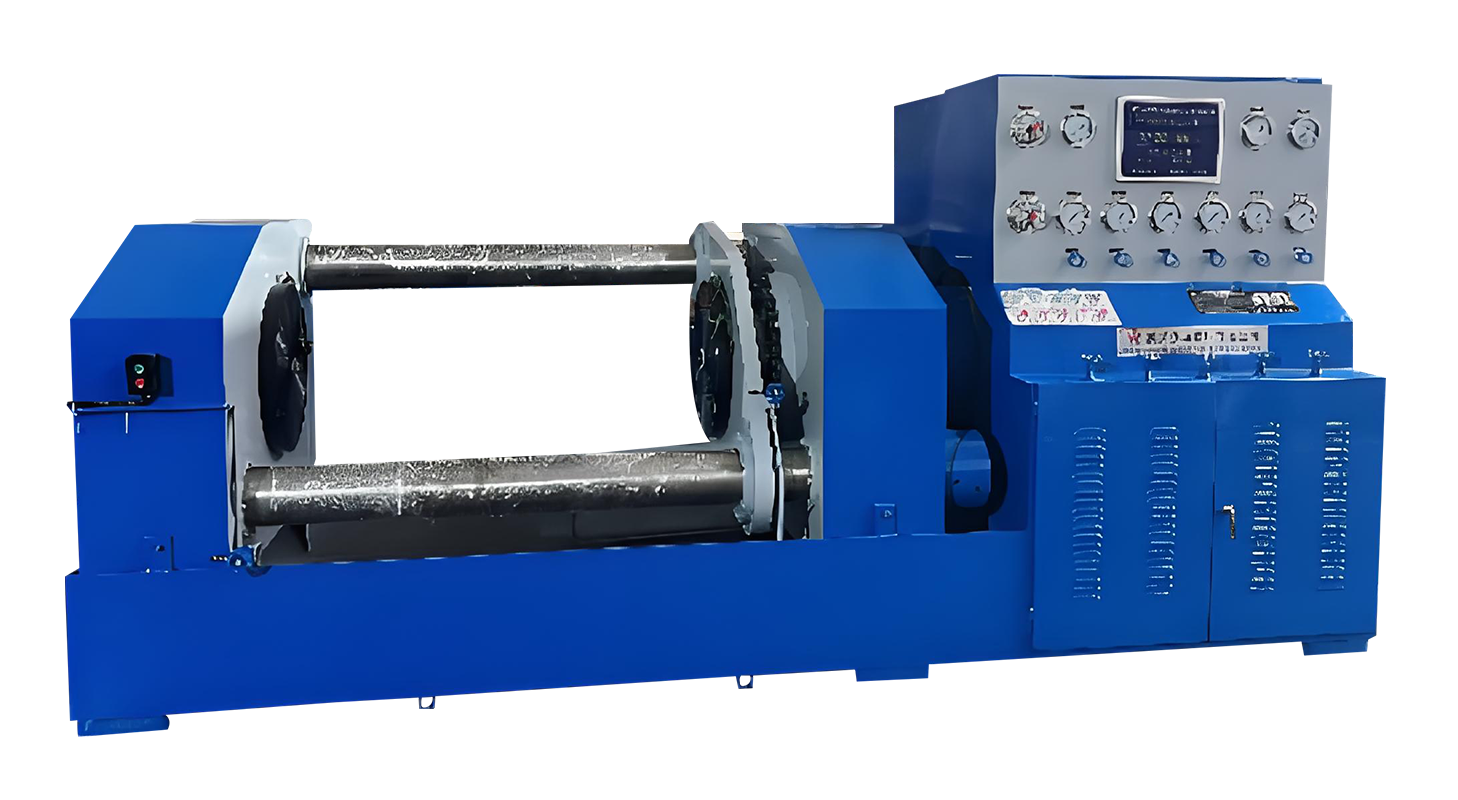
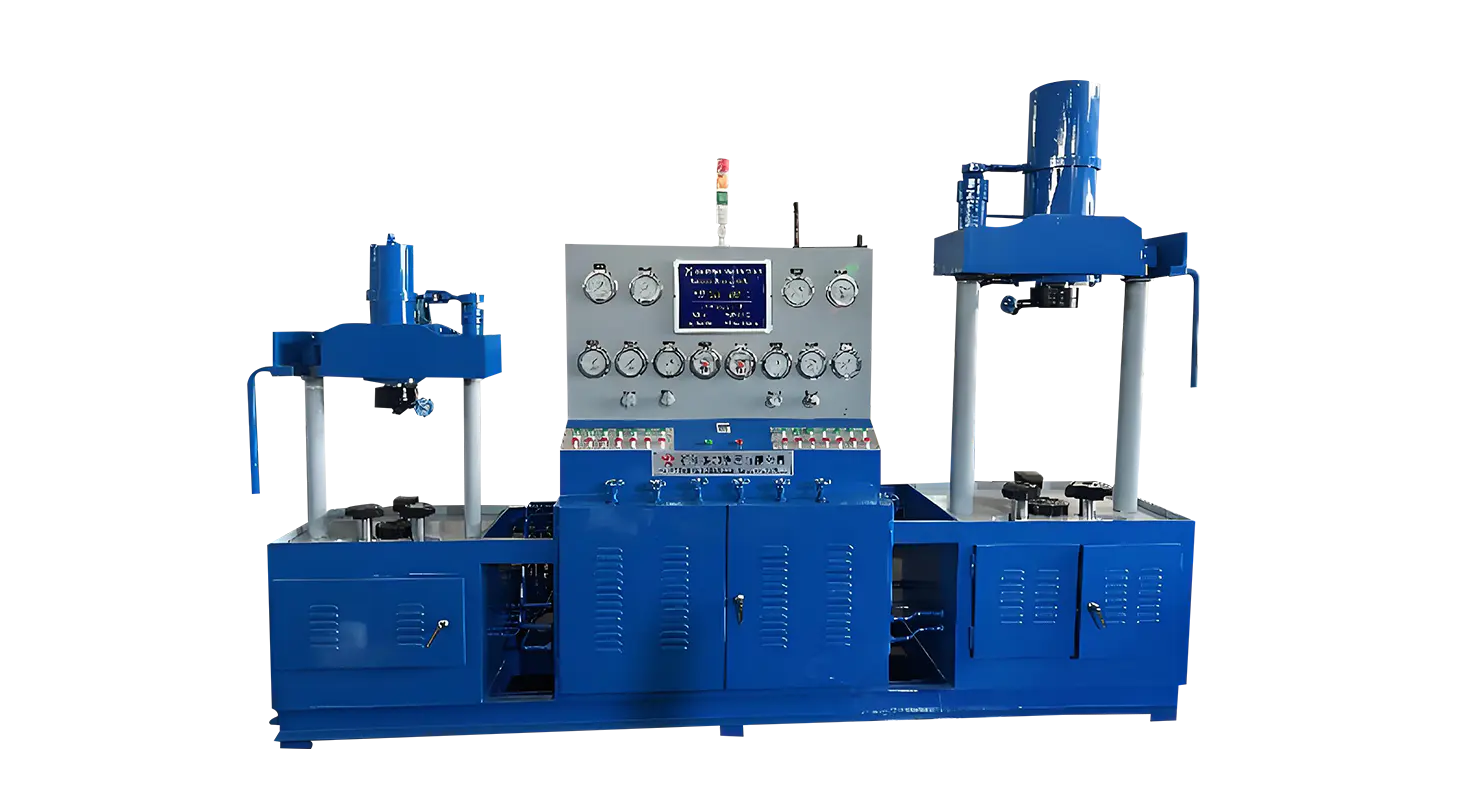
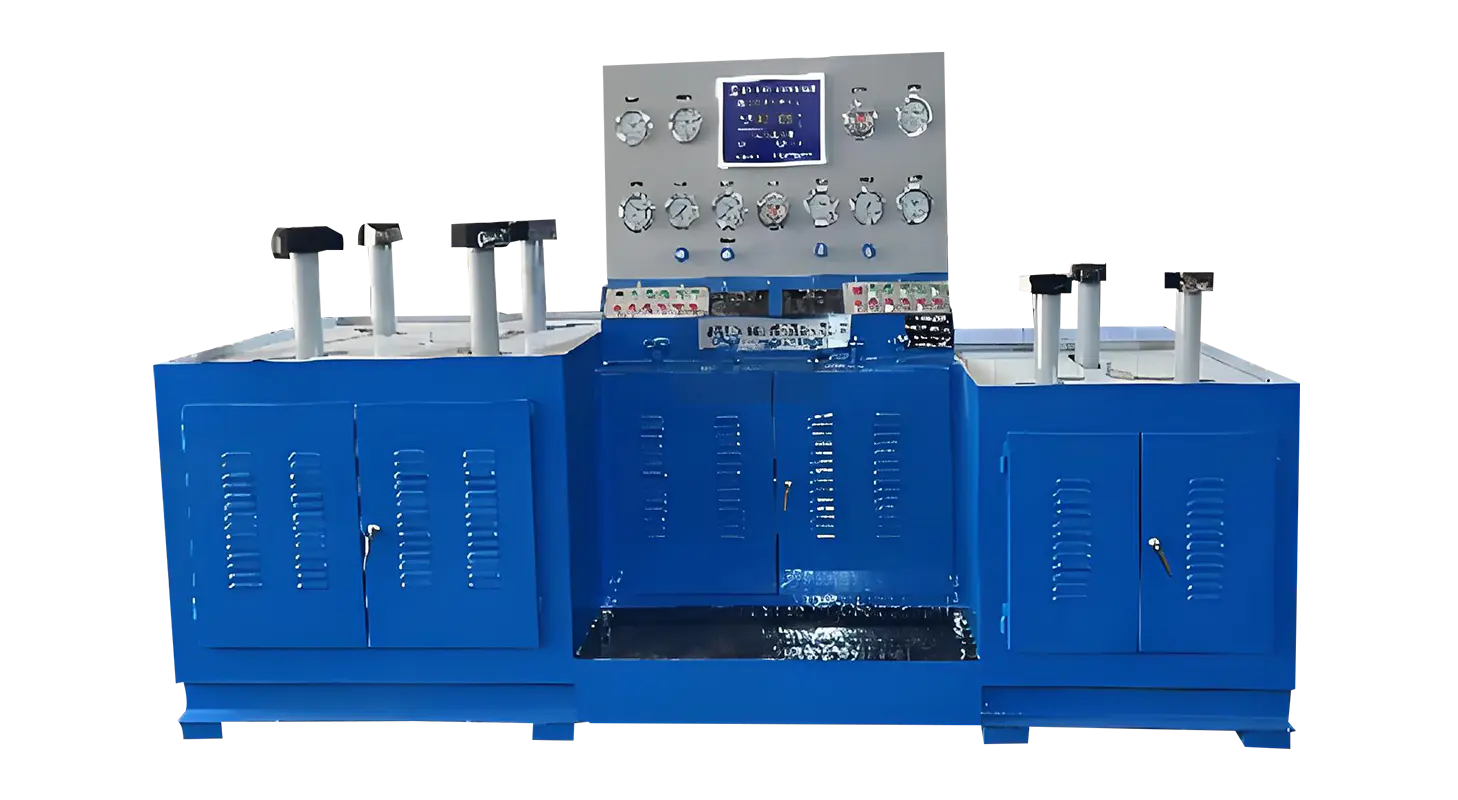
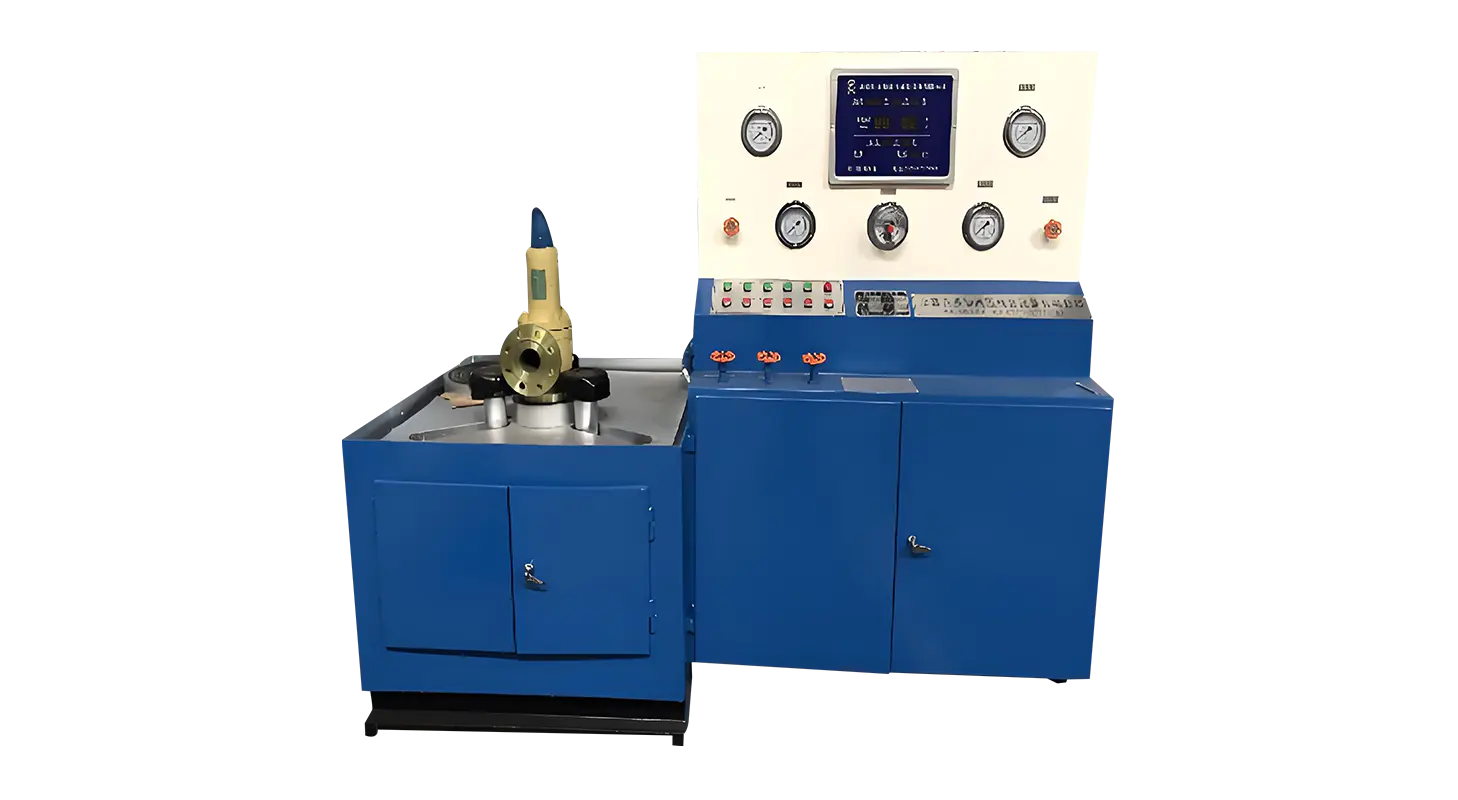
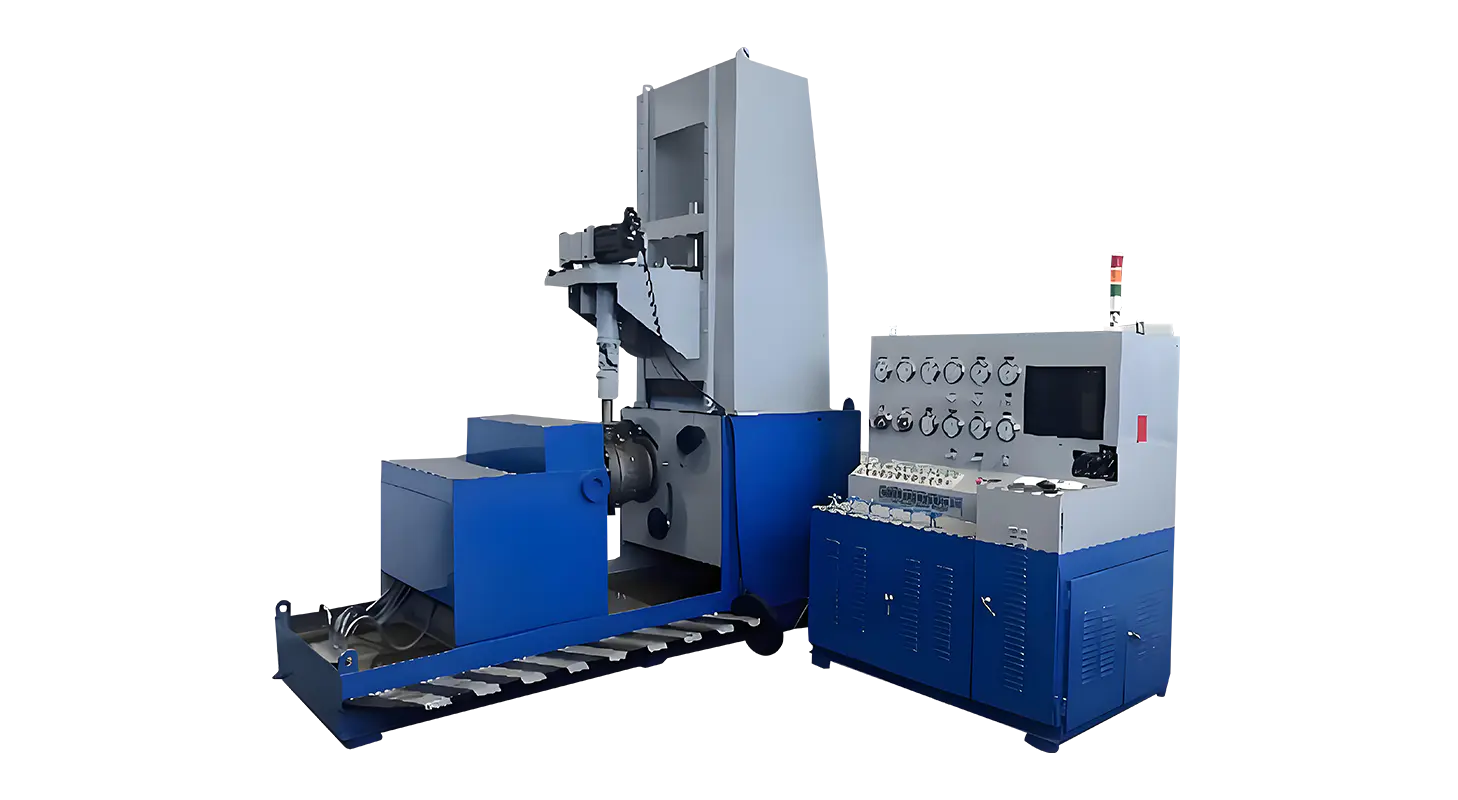
Pressure testing is one of the most important quality-control steps in valve manufacturing, but the process can become difficult to manage when different valve sizes, pressure classes, sealing designs, and customer requirements are handled on the same production floor. For manufacturers and procurement teams, a Valve Test Bench is therefore not simply a pressure-generating device. It is part of a testing system that should help engineers perform repeatable tests, identify leakage, record results, and connect inspection with the wider production process. Current industry discussions are also putting more attention on automated pressure testing and documented test results.
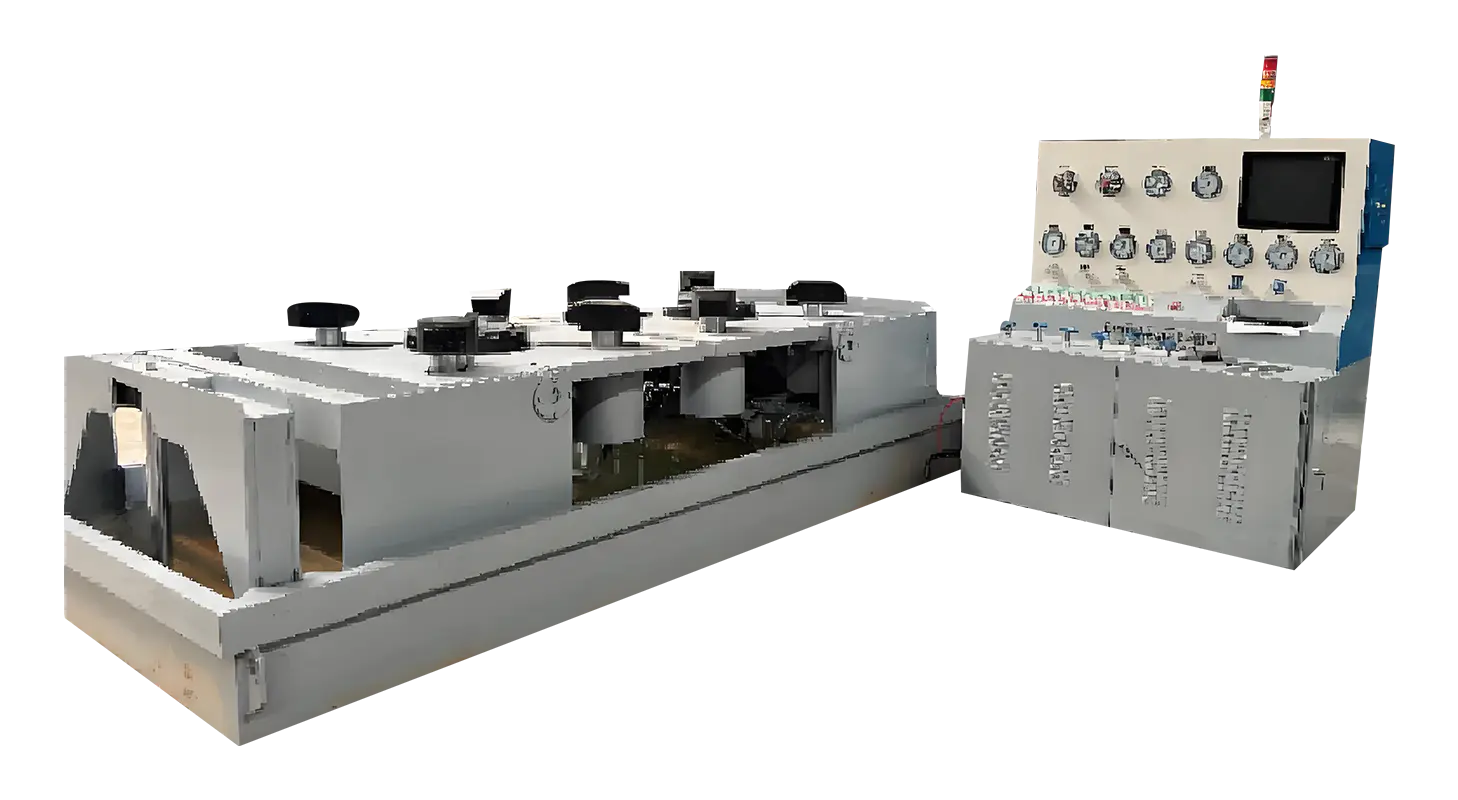
Before selecting equipment, engineers should determine what the valve actually needs to be tested for. Pressure boundary integrity, closure tightness, and functional performance may involve different procedures depending on the valve design and applicable product standard. ISO 5208, for example, addresses pressure testing of metallic industrial valves and the verification of pressure-boundary integrity and closure tightness.
A test bench should therefore be selected around the required testing procedure rather than pressure capacity alone. This helps avoid a common purchasing problem: buying equipment that can generate sufficient pressure but does not fit the factory's actual inspection workflow.
A suitable valve pressure testing machine needs to work with the valve sizes, pressure classes, connection arrangements, and test media used by the manufacturer. Fixture design is particularly important because the valve must be positioned and secured correctly before pressurization.
For procurement teams, the specification discussion should cover:
This approach gives engineers a clearer basis for comparing different equipment configurations.
Leakage testing can be affected by operator procedures, pressure stabilization, measurement methods, and equipment condition. When testing is performed repeatedly across a production batch, small differences in the process can make results more difficult to compare.
Industry automation discussions increasingly identify automated leak measurement as a way to improve repeatability while reducing operator fatigue and procedural variation. A properly configured test bench can help standardize pressure application, test timing, measurement, and result recording.
Automation does not necessarily mean removing the operator from the process. For many valve manufacturers, practical automation can mean controlling a defined test sequence while allowing skilled personnel to supervise setup, sealing, and abnormal conditions.
This is especially useful when a factory handles repeated orders. Automated pressure regulation, test sequencing, alarm functions, and data recording can reduce unnecessary manual steps while keeping the testing procedure visible to the operator.
Testing becomes more useful when the result can be connected to a specific valve and production record. As valve manufacturing moves toward greater digital process control, manufacturers are increasingly considering how inspection data can be collected and used alongside production information.
For buyers, useful questions include whether the system can record pressure values, test duration, leakage results, and other required inspection information. The exact data structure should be matched to the factory's quality-management process rather than added simply for the sake of digitalization.
Valve dimensions and configurations can vary considerably between product families. A test bench therefore needs an appropriate fixture strategy rather than a one-size-fits-all approach.
Manufacturers should discuss the actual valve drawings, sizes, end connections, pressure requirements, and production frequency with the equipment supplier. This allows the clamping and testing arrangement to be considered during equipment design, reducing the risk of compatibility problems after installation.
For valve manufacturers, a Valve Test Bench should support both present inspection requirements and practical changes in production. A well-planned system can bring pressure control, leakage testing, operator procedures, and quality records into a more consistent workflow. As pressure-testing automation receives greater attention across the valve industry, buyers can benefit from evaluating not only the machine's pressure capability but also its testing method, fixture design, data handling, and manufacturer support.
Related Products
Contact us
Address
Sanqiao Industrial Zone, Oubei, Yongjia County, Zhejiang Province, China
Phone
+86-13676520568
Telephone number
+86-13676520568
Fax
products
Quick Links
QR CODE