English
 русский
 عربى
عربى
Get in touch
Get in touch
Oct 09, 2026
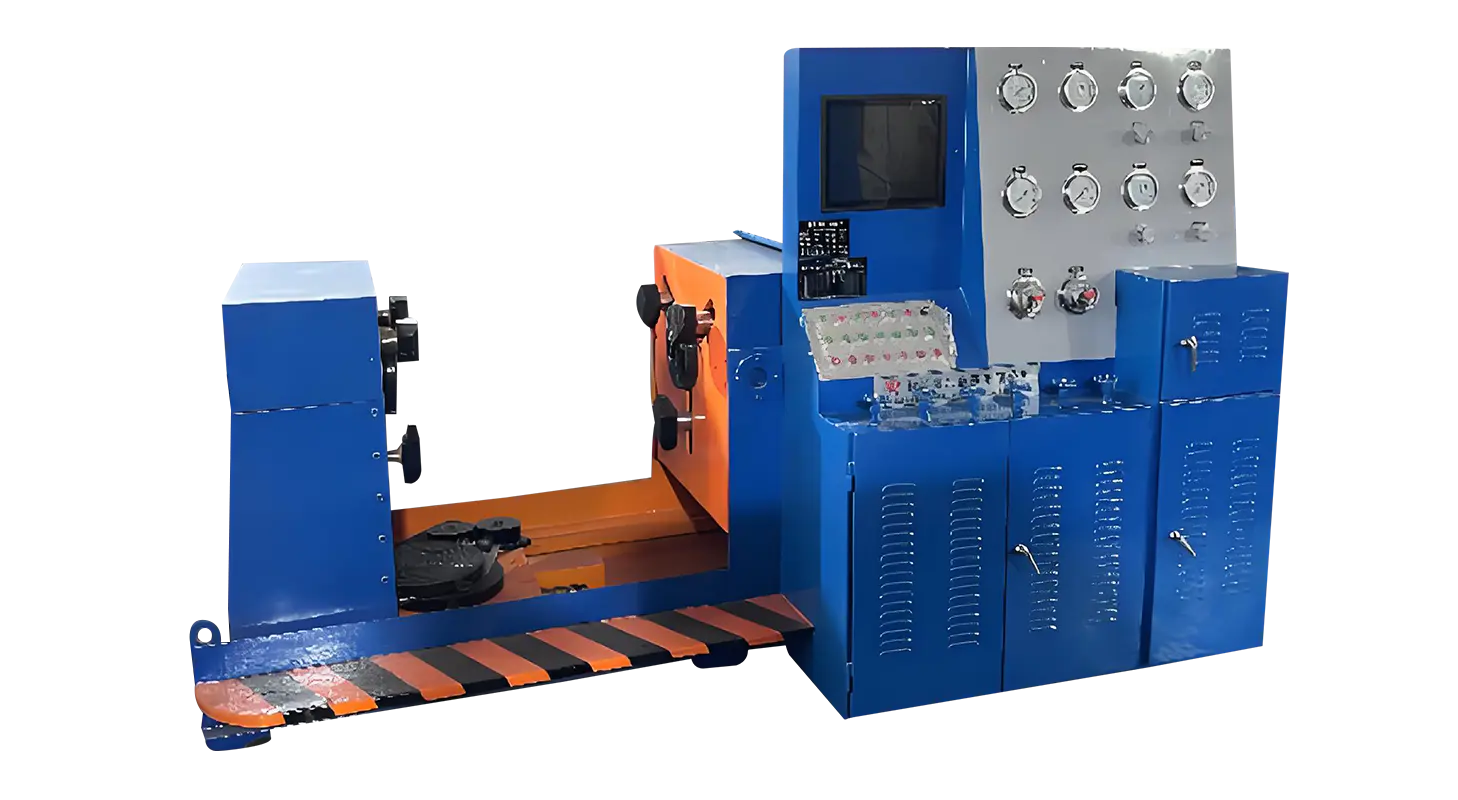
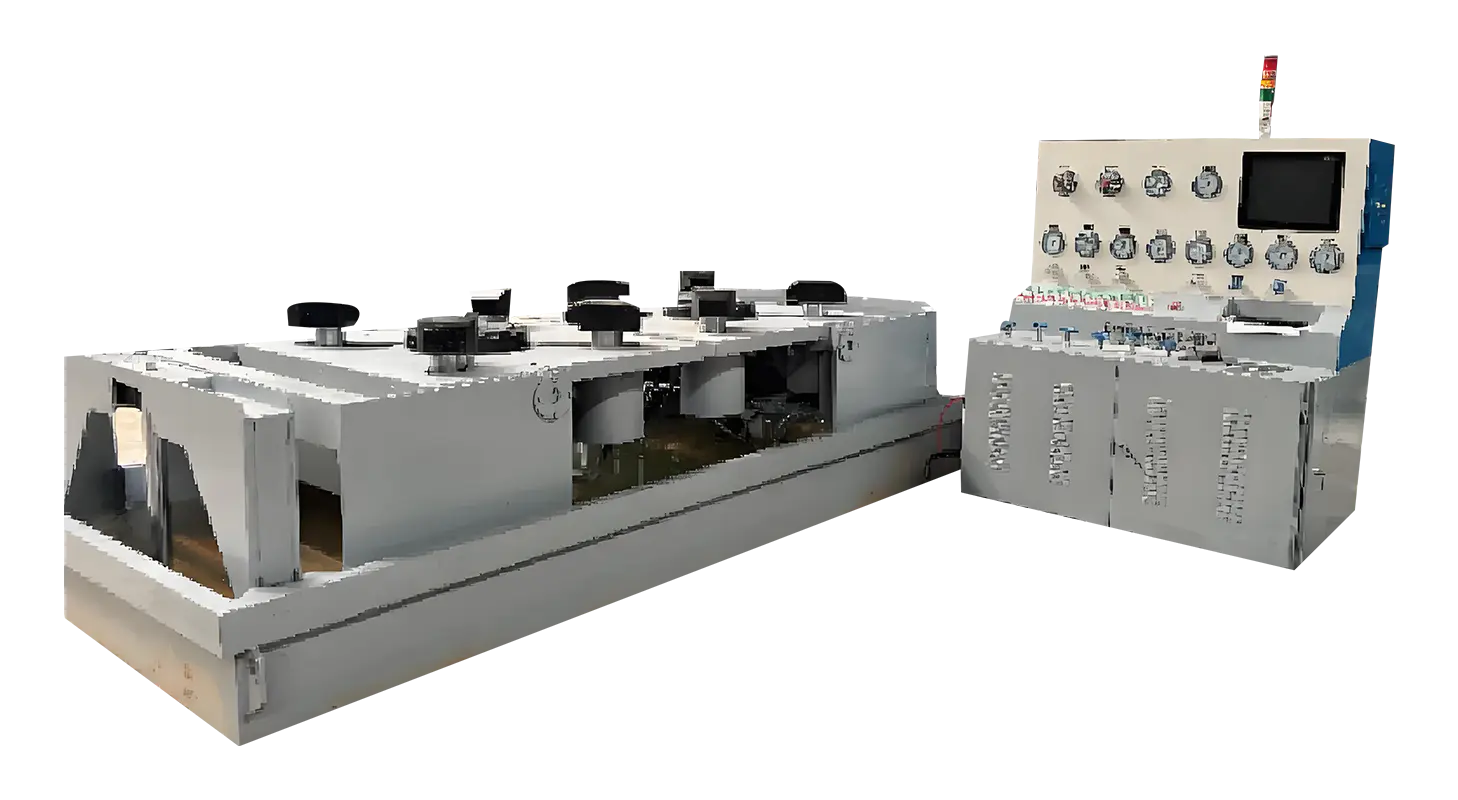
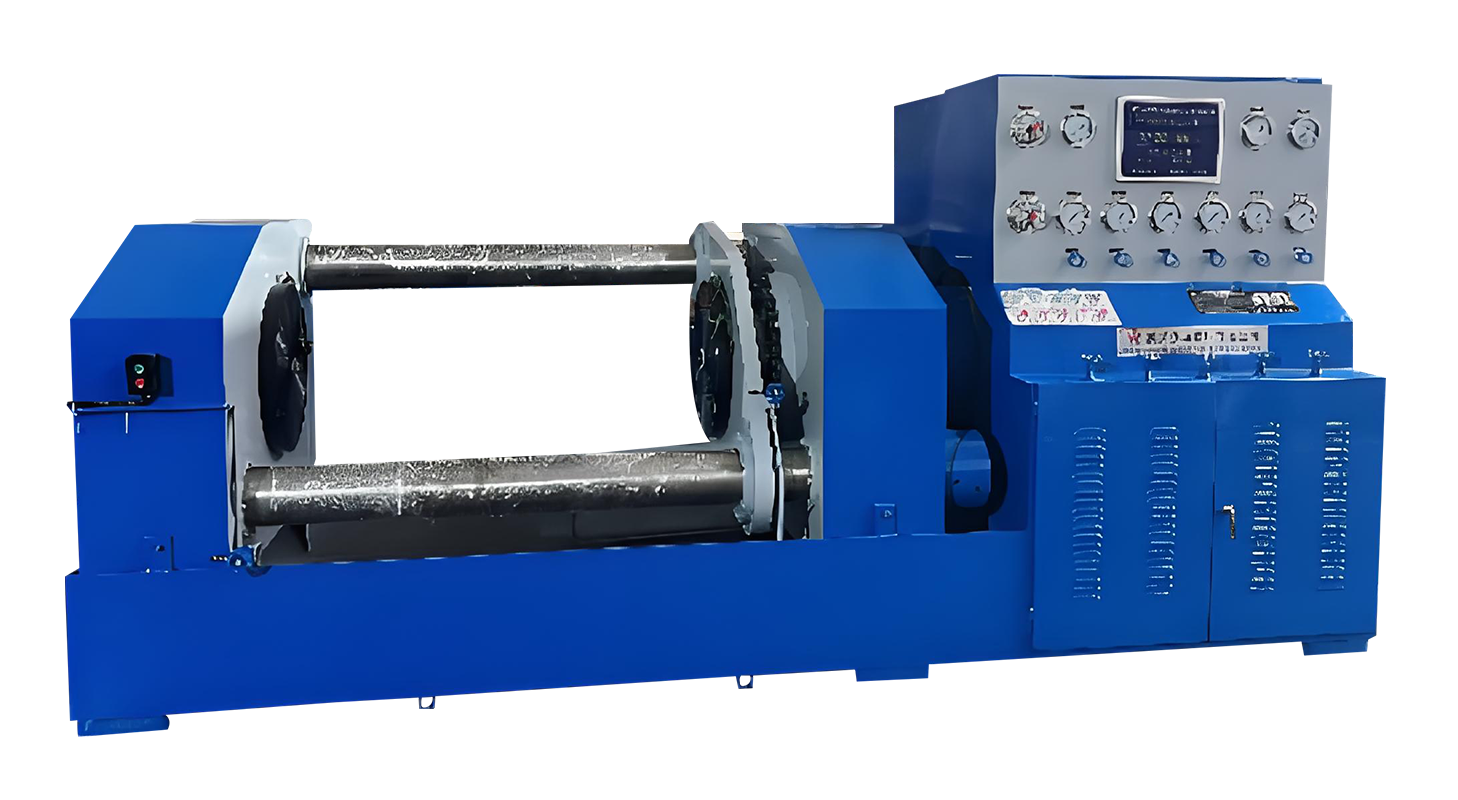
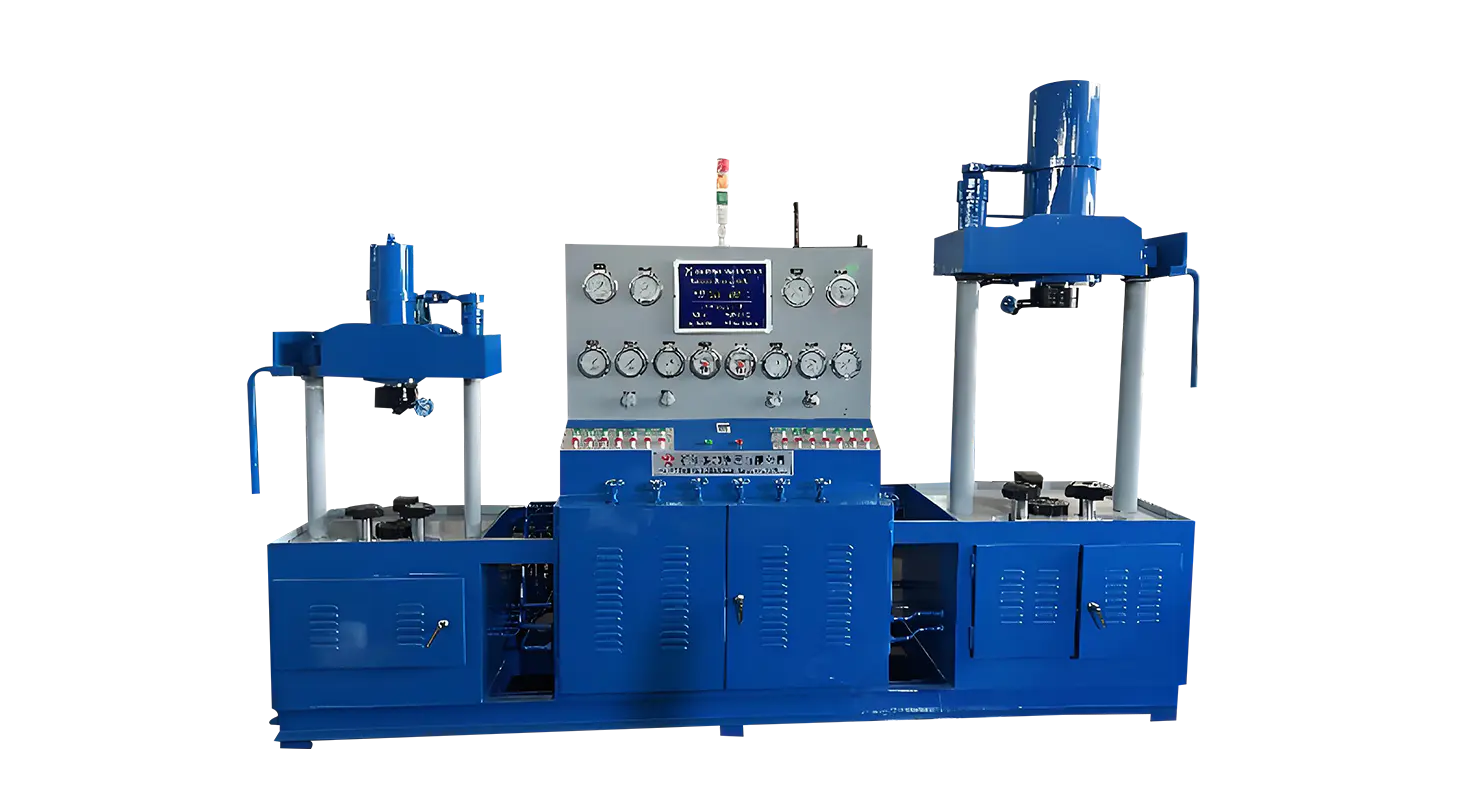
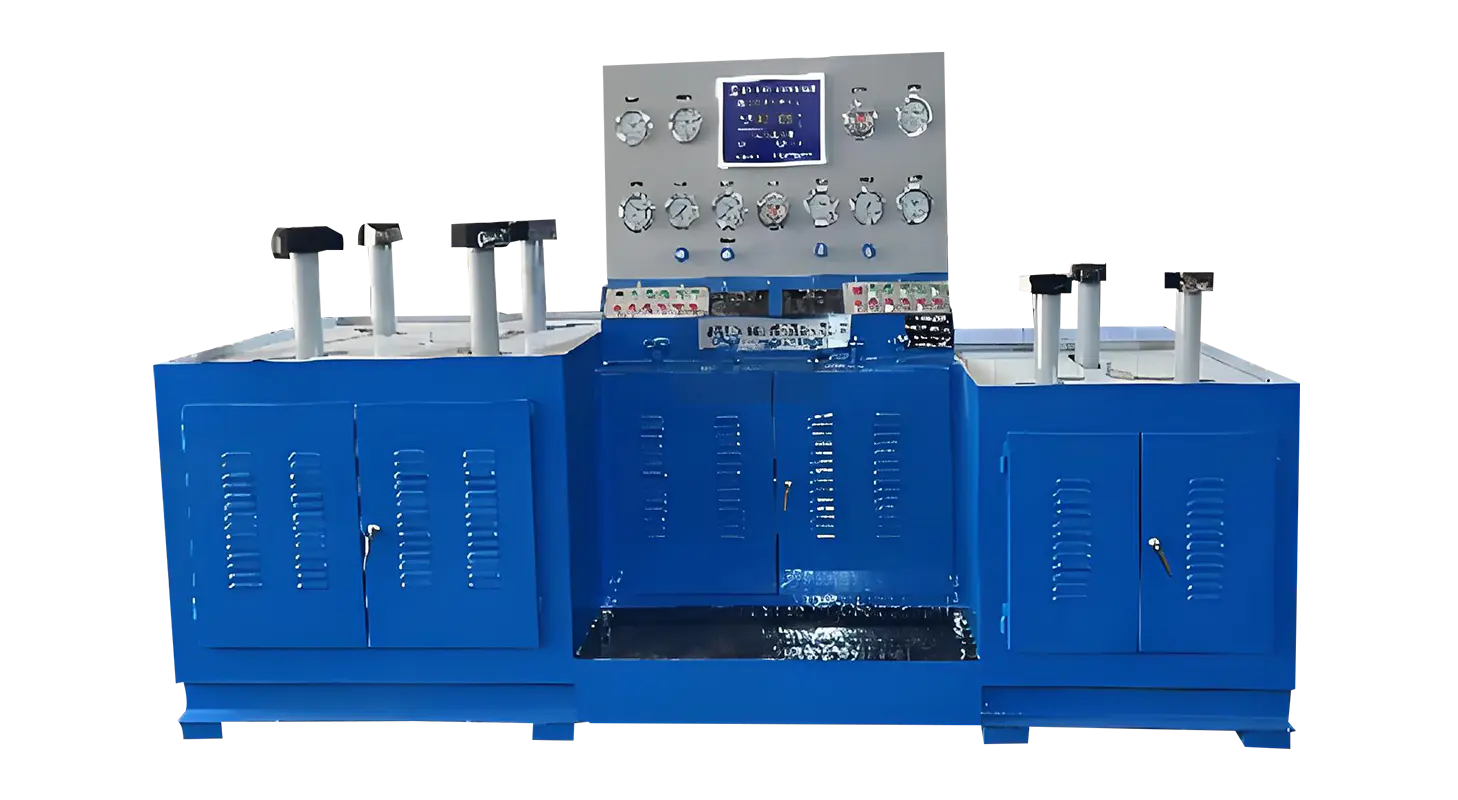
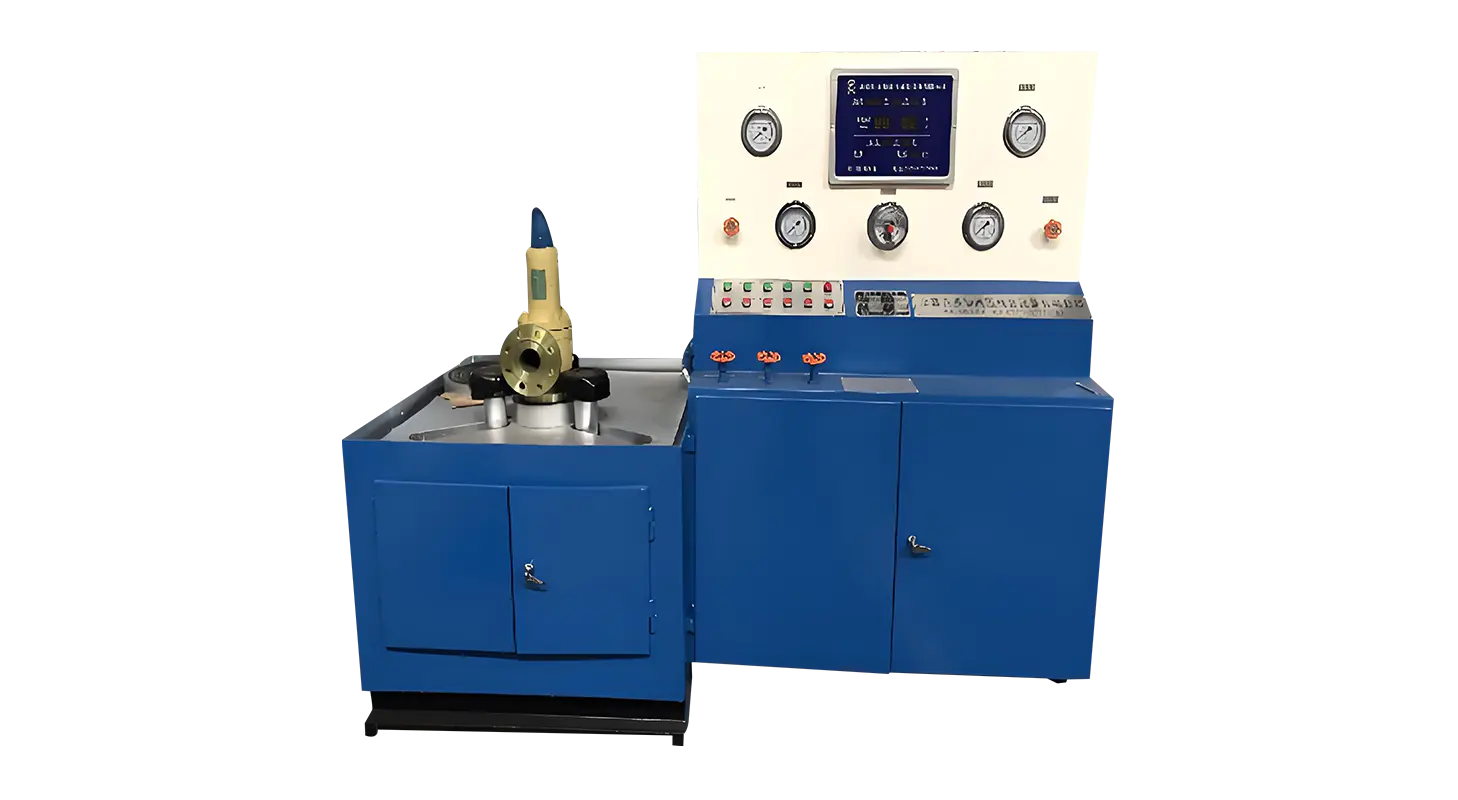
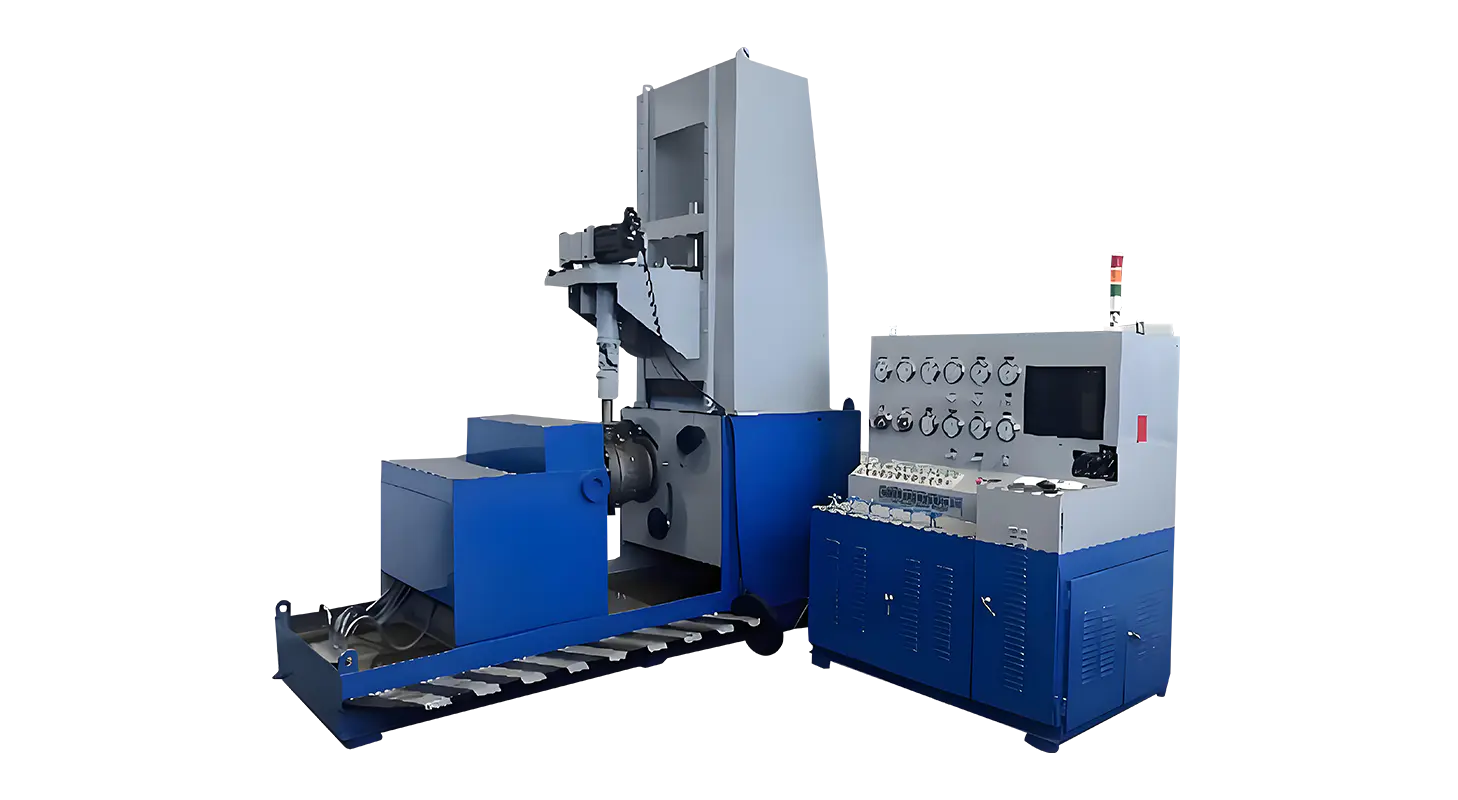
Valve manufacturers often need to inspect products with different diameters, connection types, and structural designs. Using separate testing equipment for every product range can increase equipment investment and occupy valuable workshop space. However, using one machine for every application without considering its limitations can create setup difficulties and inconsistent testing conditions. For manufacturers and overseas buyers, choosing a suitable Valve Test Bench involves balancing product compatibility, changeover convenience, testing requirements, and production workload.
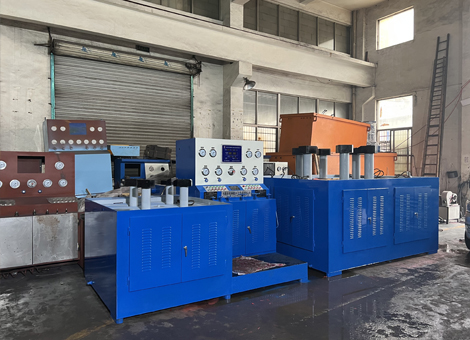
The first step is to identify the valves that will be tested on the bench. Diameter alone does not determine compatibility. Valve length, end connections, body shape, pressure rating, and clamping requirements can also influence the equipment configuration.
Buyers should prepare a product list covering the smallest and largest workpieces, common valve designs, and expected testing procedures. Drawings or representative samples can help the manufacturer evaluate the required fixtures and working space.
This information is particularly important when a production line handles both standard products and customized valve designs. A clearly defined product range makes it easier to determine whether one configuration is sufficient or whether additional fixtures are needed.
Frequent changes between valve models can interrupt inspection work if operators must repeatedly remove components, reposition fixtures, and adjust the test setup. The time required for these tasks can influence the overall workflow, especially when many product types are processed in small batches.
A practical Valve Test Bench should allow the necessary adjustments to be performed in a clear and manageable sequence. Accessible connection points, organized controls, and suitable fixture arrangements can help simplify preparation for the next product.
Manufacturers should consider the most common changeovers during equipment design. Buyers can also provide information about production order patterns so the proposed configuration reflects actual workshop conditions rather than an assumed standard workflow.
Different valve structures may require different contact points and holding arrangements. A fixture suitable for one body shape may not support another valve securely or align its connections correctly.
When evaluating customized equipment, buyers should confirm the permitted workpiece dimensions, clamping range, and available fixture options. The design must accommodate the intended valve geometry without compromising the integrity of the test setup.
For manufacturers, fixture planning should begin alongside the main machine configuration. This helps ensure that the working area, clamping mechanism, and test connections function together as a complete system.
When several valve models share one test bench, operators need clear instructions for preparing each product. Differences in test pressure, holding time, connection arrangement, and acceptance criteria should be defined by the applicable procedure rather than left to individual judgment.
A standardized workflow can identify the required fixture, connection method, test settings, and inspection steps for each valve category. This is especially useful when different operators use the same equipment across multiple shifts.
Manufacturers can support this approach by providing understandable operating instructions and clearly identifying adjustment points. Buyers should confirm that the equipment can accommodate their documented procedures before approving the final configuration.
The ability to accommodate different valve sizes does not automatically mean that the bench can perform every required test. Pressure instruments, test connections, sealing components, and control arrangements must remain suitable for each application.
Procurement teams should verify the specified pressure range, measurement accuracy, connection requirements, and compatible test methods. Where multiple configurations are required, the changeover process should include the checks necessary to confirm that the correct setup is in place.
Clear identification of fixtures and connections can reduce confusion during repeated product changes and support more orderly inspection work.
Equipment selection should reflect both the variety of valves and the number of units requiring inspection. A bench may offer broad product compatibility but still be unsuitable if loading, setup, and testing take longer than the production process can accommodate.
Buyers should consider typical batch sizes, product change frequency, operator availability, and the time needed for inspection documentation. These factors help determine whether a flexible single-station configuration or a different testing arrangement is more appropriate.
Manufacturers can use this information to recommend a configuration that balances versatility with practical throughput.
A suitable Valve Test Bench should support the required valve range while maintaining appropriate clamping, measurement, and testing conditions for each product. For overseas buyers, sharing valve drawings, size ranges, test procedures, and expected production volumes helps the manufacturer assess the right configuration. By planning for product variety and changeovers before ordering, businesses can select testing equipment that fits their actual inspection workflow and future product requirements.
Related Products
Contact us
Address
Sanqiao Industrial Zone, Oubei, Yongjia County, Zhejiang Province, China
Phone
+86-13676520568
Telephone number
+86-13676520568
Fax
products
Quick Links
QR CODE