English
 русский
 عربى
عربى
Get in touch
Get in touch
Oct 16, 2026
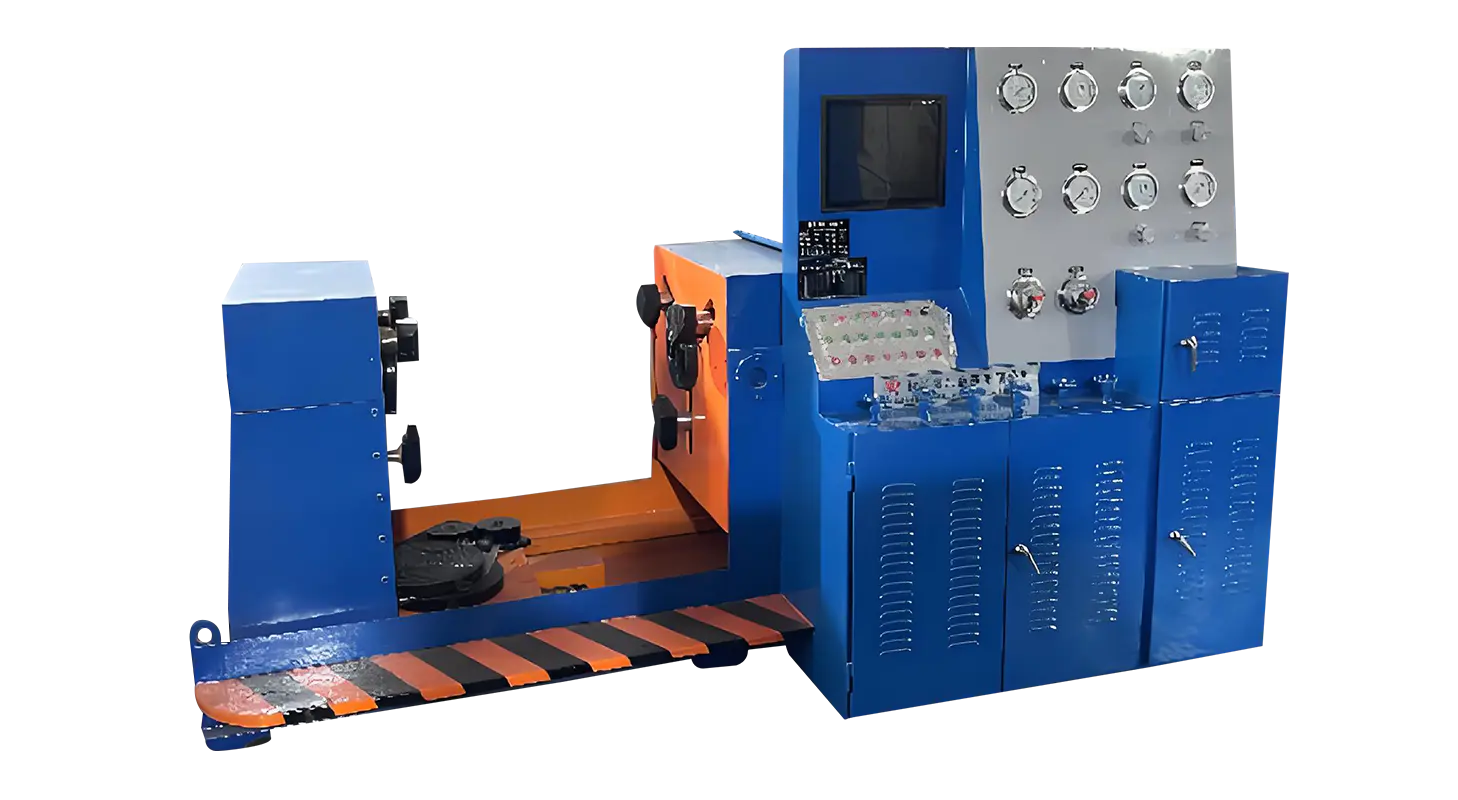
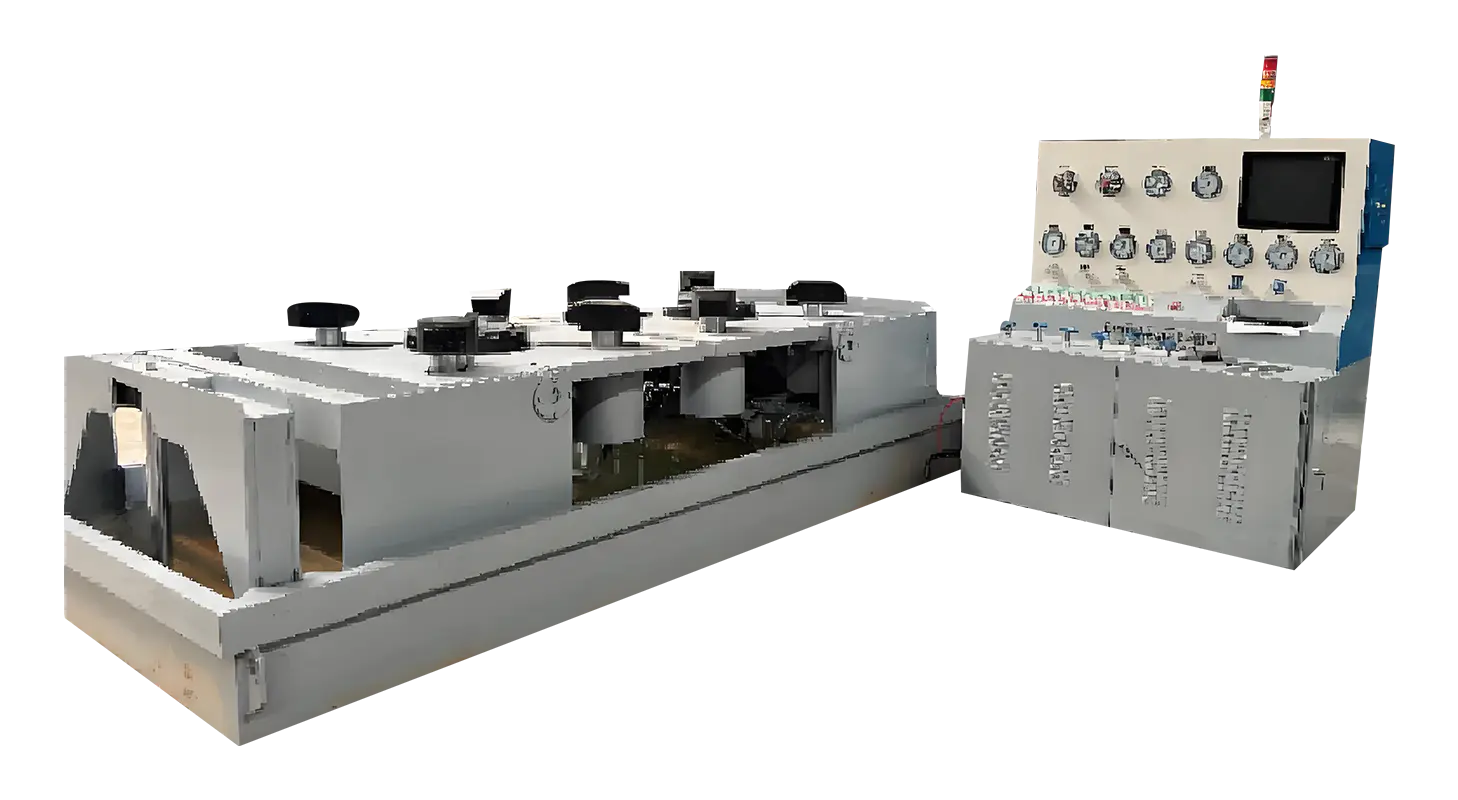
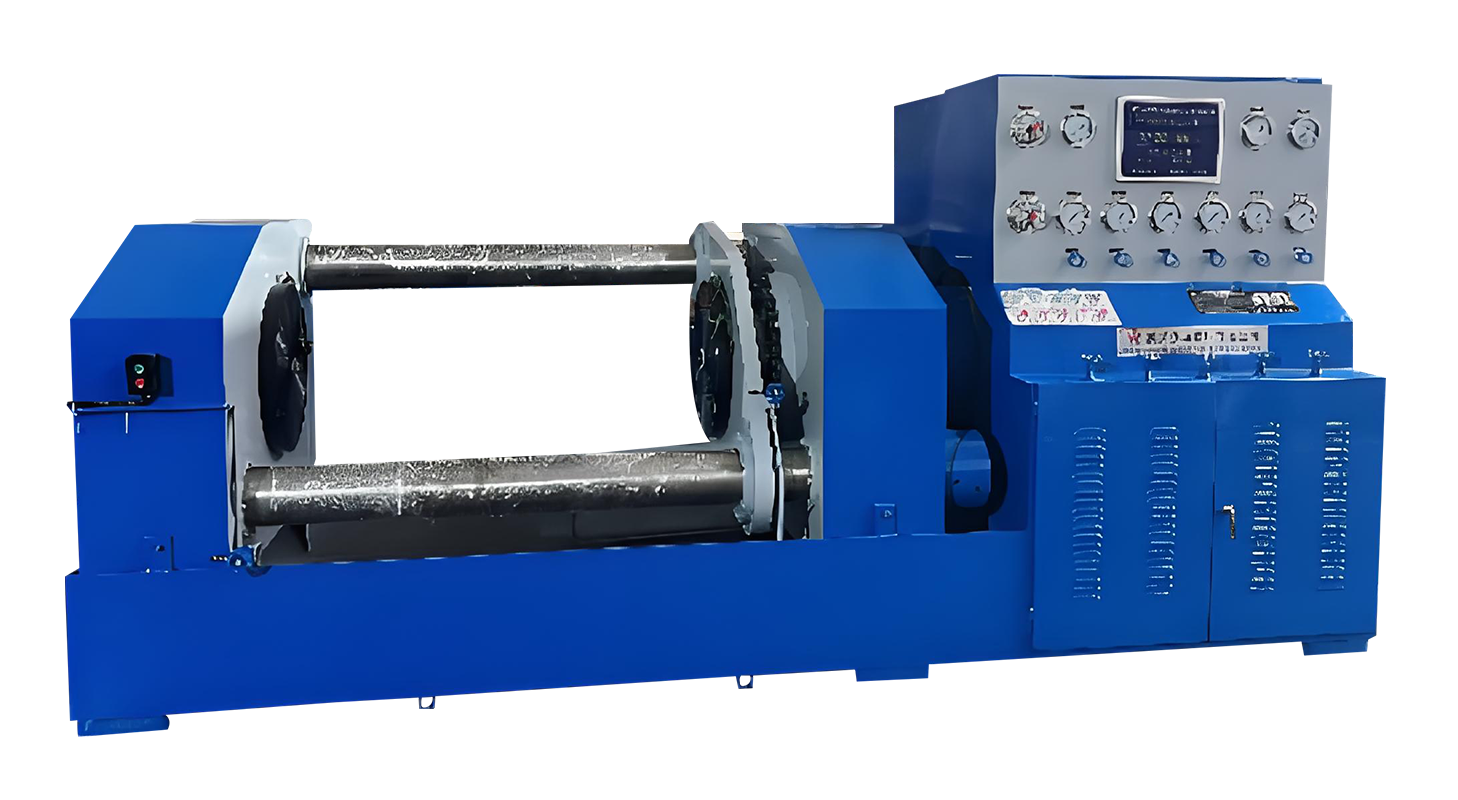
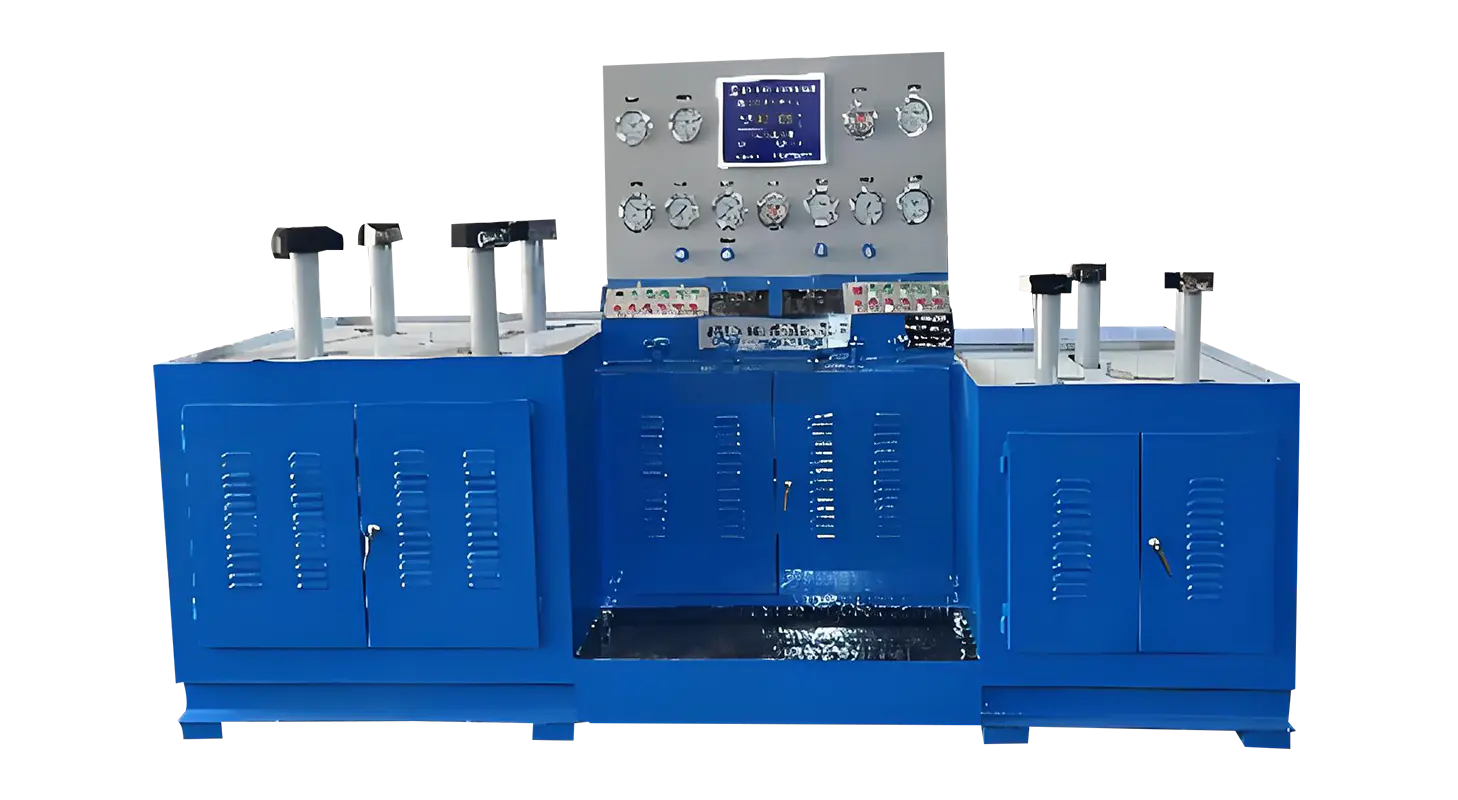
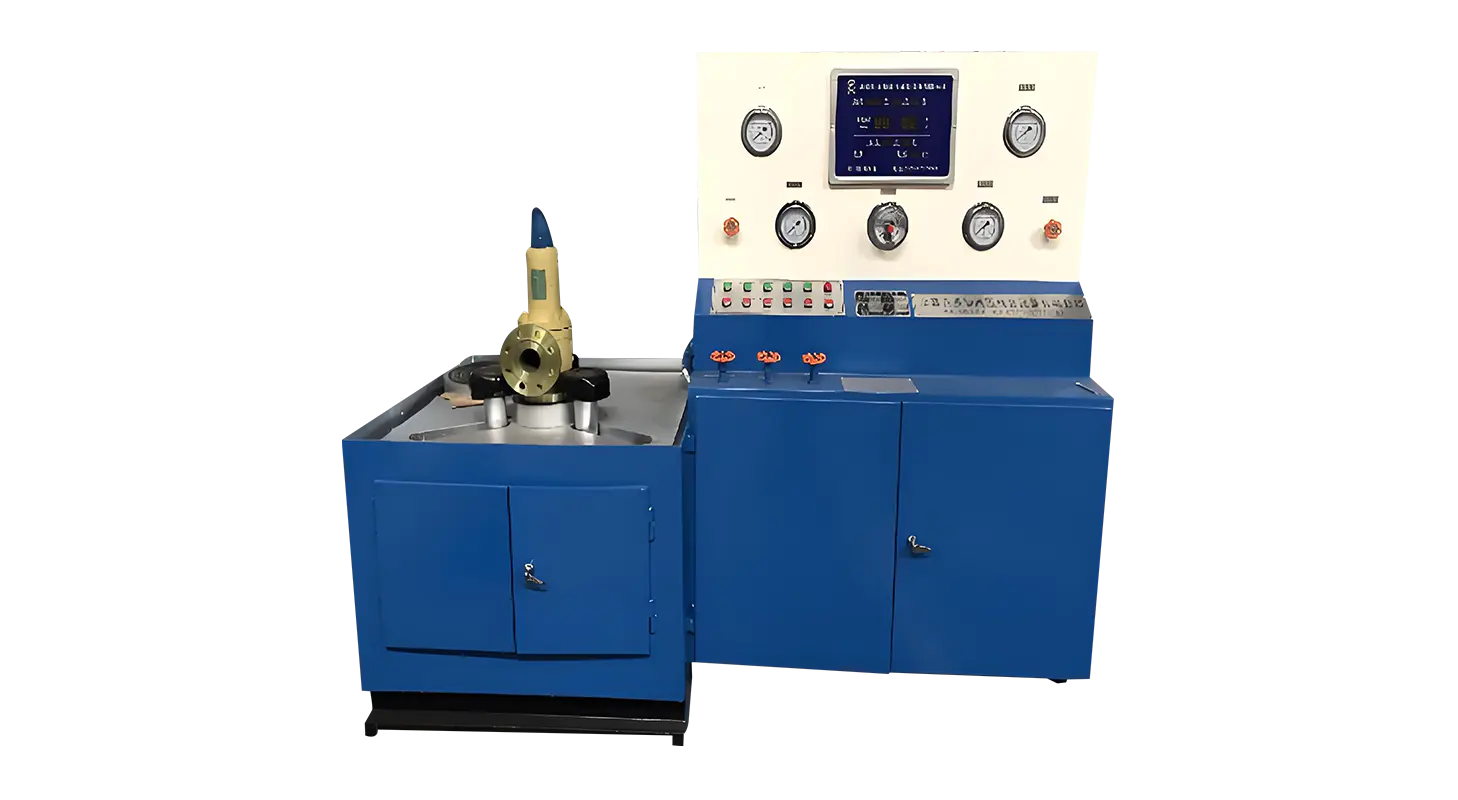
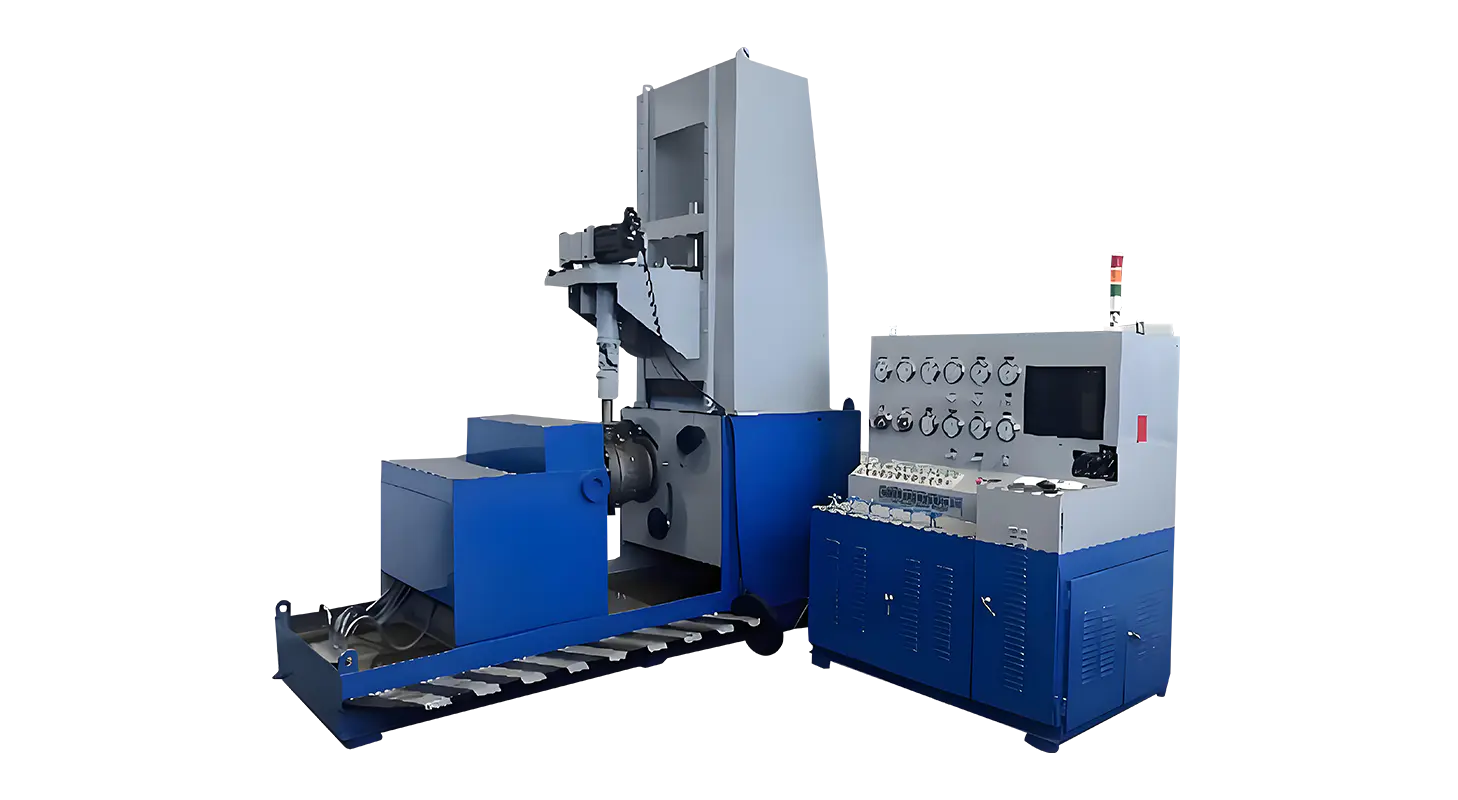
Valve testing plays an important role in verifying product performance before shipment, installation, or maintenance. However, reliable results depend on more than applying pressure and checking for leakage. Valve type, test medium, pressure range, clamping method, and measurement accuracy all influence the testing process. For manufacturers and industrial procurement teams, selecting a suitable Valve Test Bench means understanding how the equipment will be used and which acceptance requirements it must support. A well-matched testing system can make inspections more consistent and help operators identify problems before valves enter service.
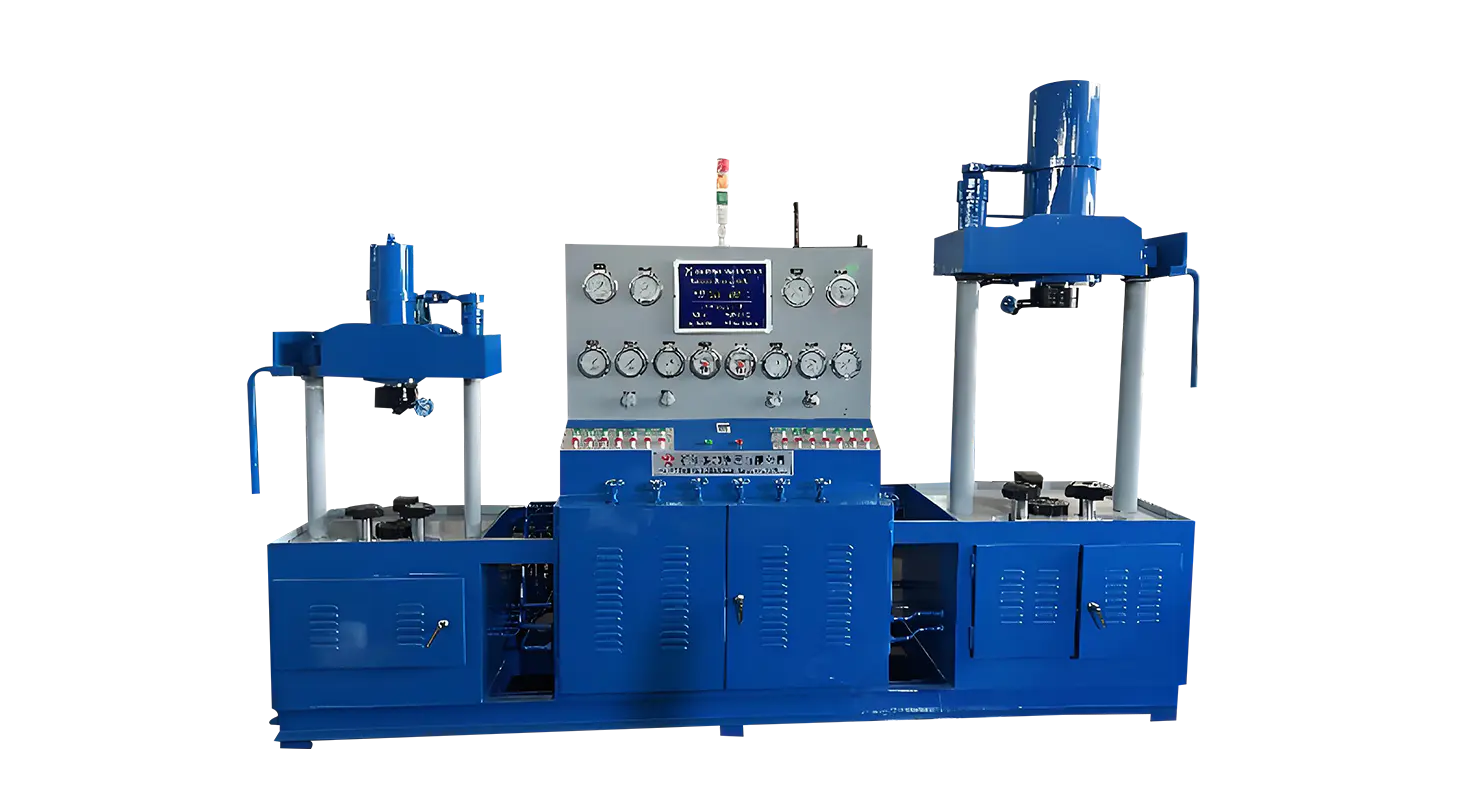
Different valves have different structures, connection methods, and testing requirements. Ball valves, gate valves, butterfly valves, and other designs may require different fixtures, sealing arrangements, or clamping approaches.
Before purchasing a test bench, buyers should identify the valve types, size range, pressure ratings, and expected testing frequency. These details help determine whether a standard configuration is appropriate or whether customized clamping components are necessary.
As a manufacturer, evaluating actual workpieces early in the selection process helps avoid choosing equipment based only on its maximum rated capacity. The goal is to ensure that the bench can accommodate the intended valve range while providing practical access for loading, testing, and unloading.
Pressure control is central to valve testing. If pressure rises too quickly or fluctuates during a test, operators may find it difficult to interpret the results consistently. The required pressure and holding period must follow the applicable test procedure and the valve's specified requirements.
A suitable Valve Test Bench should provide an appropriate pressure-control arrangement, clearly displayed readings, and a method for monitoring the test cycle. Buyers should confirm the working pressure range, pressure regulation method, and measurement specifications before ordering.
Manufacturers also need to consider how the pressure source, control valves, piping, and instruments work together. Matching these components helps create a more controlled testing process without assuming that one pressure setting suits every valve.
Water and gas are used in different valve-testing procedures, depending on the test purpose and applicable requirements. The choice of medium affects the equipment configuration, operating procedure, and safety precautions.
Buyers should specify whether the bench will perform shell tests, seat leakage tests, or other required checks. They should also confirm the compatible test medium and whether the equipment supports the necessary pressure range and test method.
Gas testing requires particular attention to stored energy and the potential consequences of leakage or component failure. Manufacturers should design and configure the system for its intended test conditions, while users must follow the prescribed operating procedures and protective measures.
The clamping system must hold the valve in position and support the intended test conditions. An unsuitable fixture can create alignment problems, complicate sealing, or limit the range of valves that can be tested.
When evaluating a bench, buyers should examine the clamping range, fixture compatibility, adjustment method, and accessibility of the work area. Valve dimensions and end connections should be provided accurately so the manufacturer can assess the required configuration.
For facilities testing multiple valve designs, adaptable fixtures may reduce changeover difficulties. However, the clamping arrangement must remain appropriate for each application rather than relying on a universal setup without verification.
Test results are more useful when operators can clearly identify the pressure applied, the test duration, and the observed outcome. Depending on the system configuration, digital displays, data recording, and report-generation functions may support inspection documentation.
Procurement teams should confirm which data functions are included and whether the available records meet their internal quality procedures. They should also consider instrument calibration and the process for checking measurement accuracy.
Manufacturers can support reliable operation by providing clear instrument specifications, operating instructions, and maintenance guidance. Consistent records make it easier to review test outcomes and investigate unexpected results.
A test bench should fit the daily inspection process, not simply meet a technical specification. Loading heavy valves, changing fixtures, connecting test lines, and accessing controls all affect how conveniently operators can complete a test cycle.
Buyers should assess the layout of the working area, the location of controls, and the accessibility of components requiring routine inspection. Maintenance requirements for seals, connections, pressure instruments, and other serviceable parts should also be understood before purchase.
Discussing the expected workload with the manufacturer can help determine which configuration offers a practical balance between testing capability, operator access, and maintenance needs.
A reliable Valve Test Bench should match the valve types, test medium, pressure range, clamping requirements, and documentation needs of the facility. For overseas buyers, providing representative valve specifications and clearly defined test procedures helps the manufacturer recommend an appropriate configuration. Evaluating these factors before purchasing supports more consistent inspections and gives quality teams a clearer basis for verifying valve performance before products move to the next stage.
Related Products
Contact us
Address
Sanqiao Industrial Zone, Oubei, Yongjia County, Zhejiang Province, China
Phone
+86-13676520568
Telephone number
+86-13676520568
Fax
products
Quick Links
QR CODE