English
 русский
 عربى
Get in touch
Get in touch
Oct 30, 2026
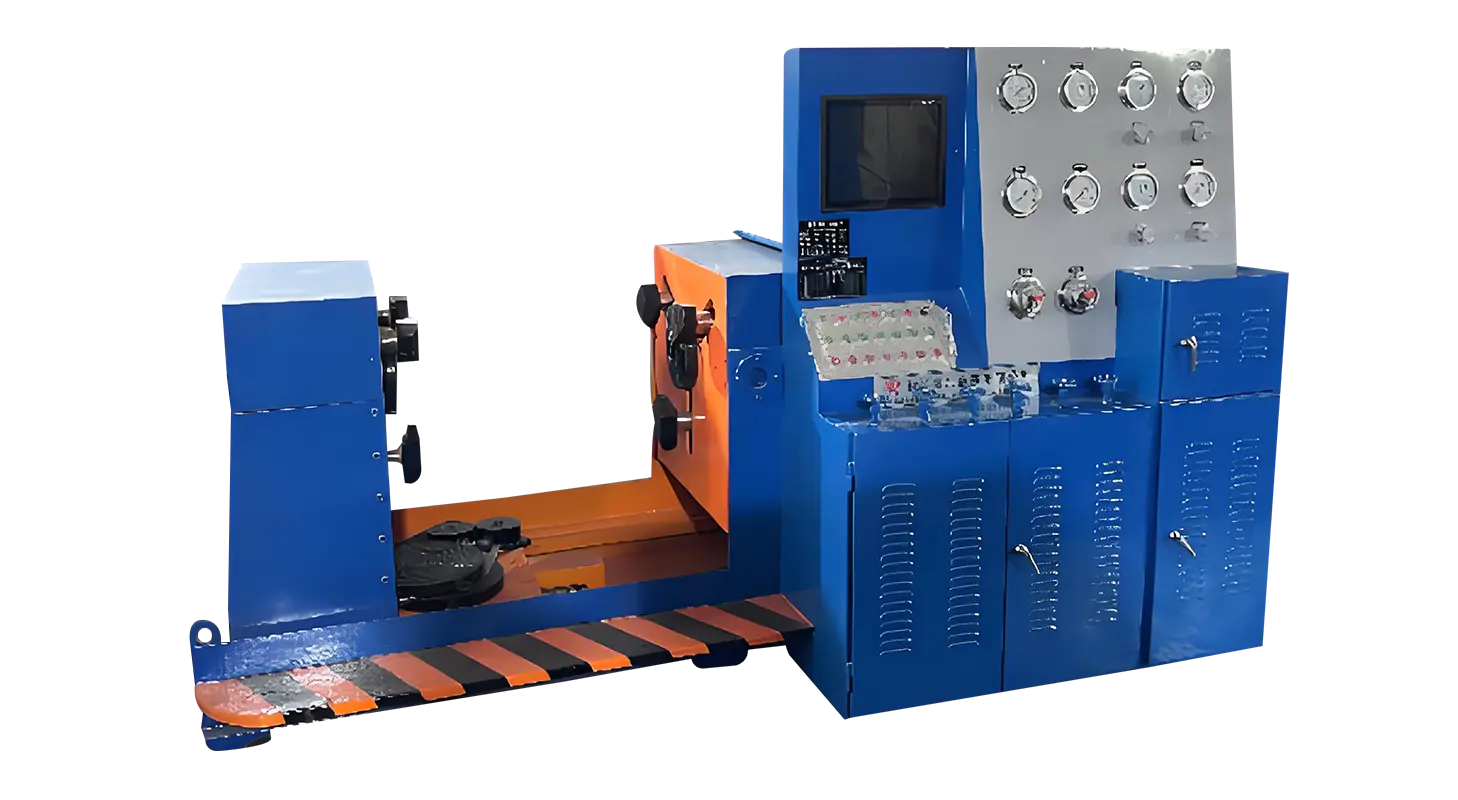
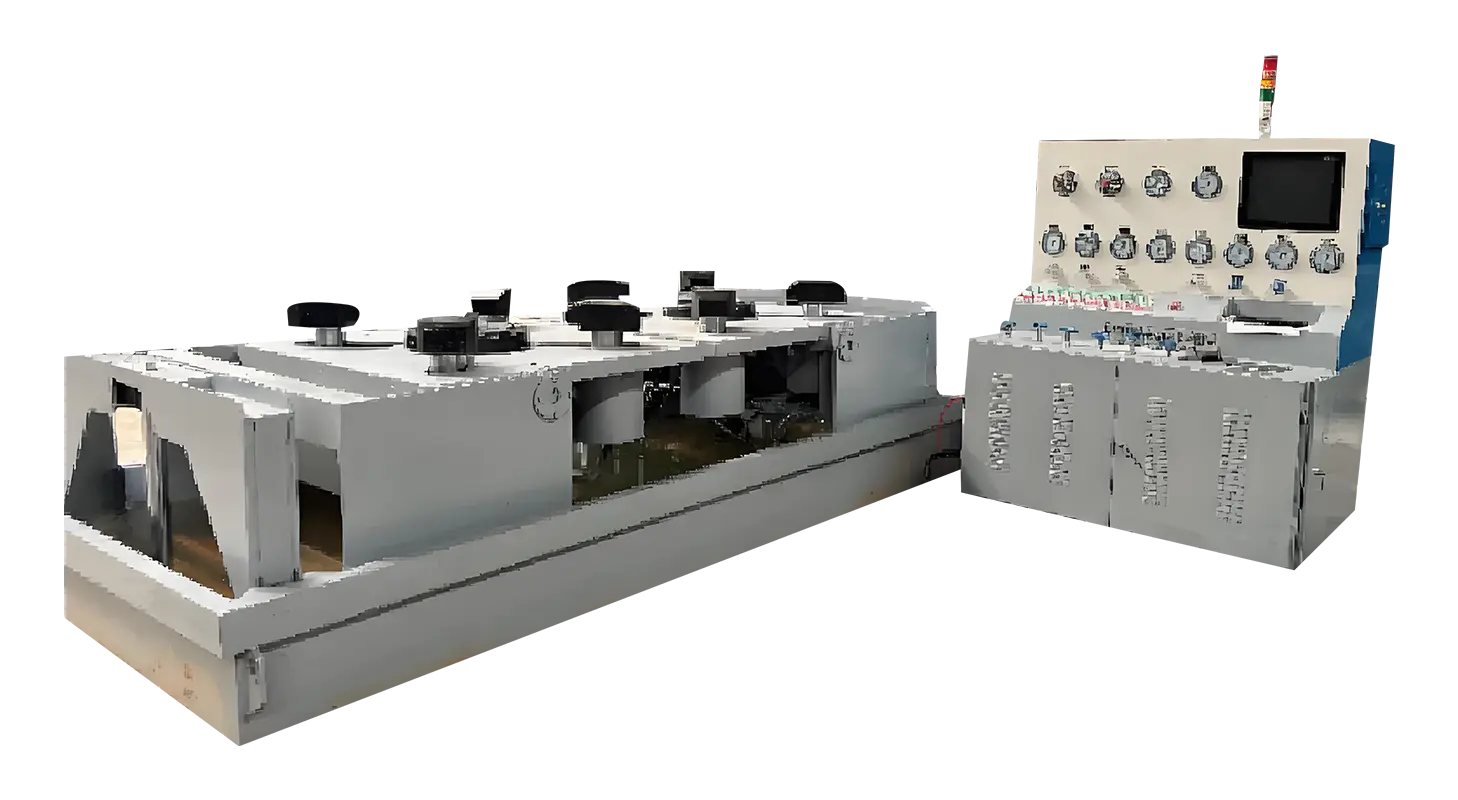
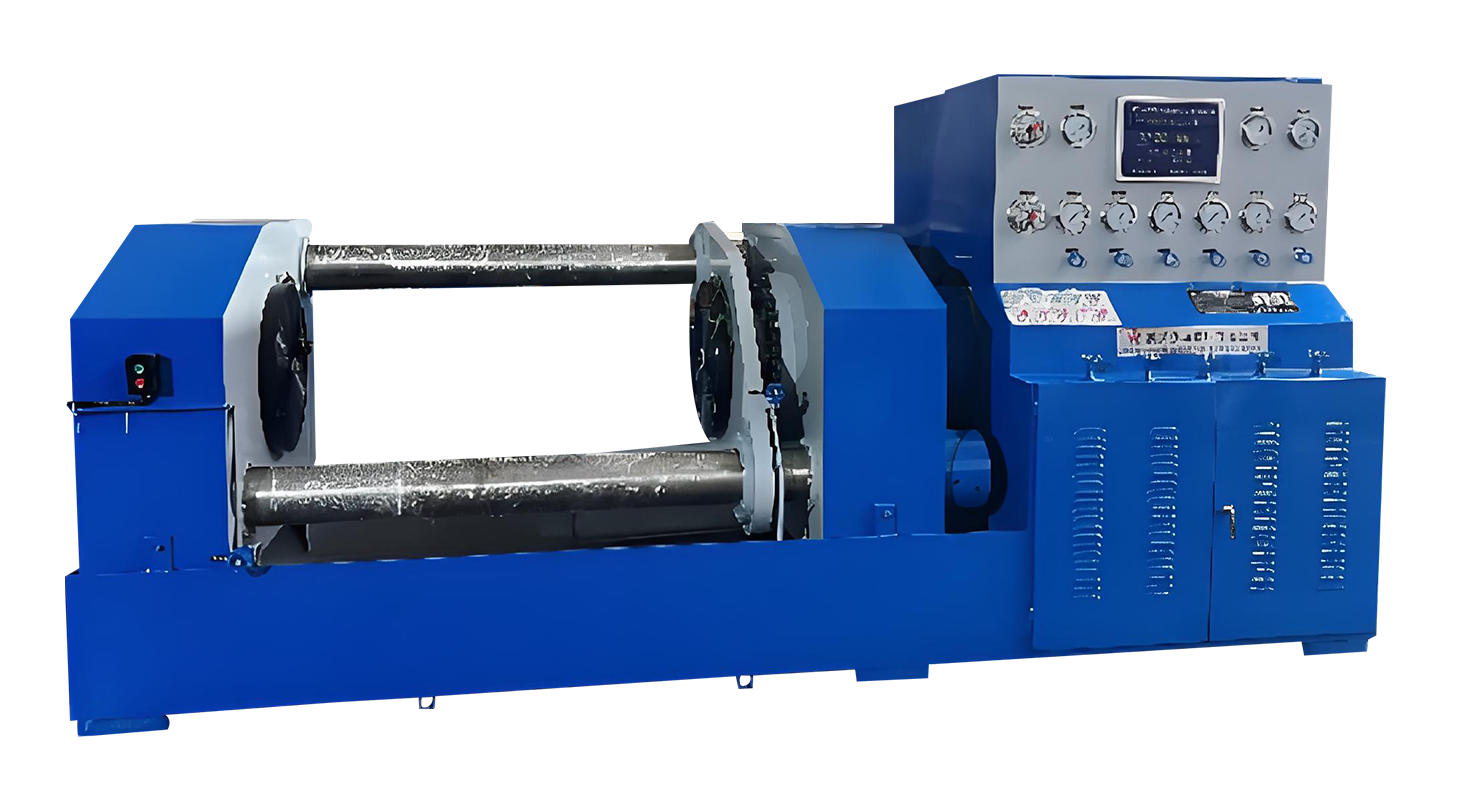
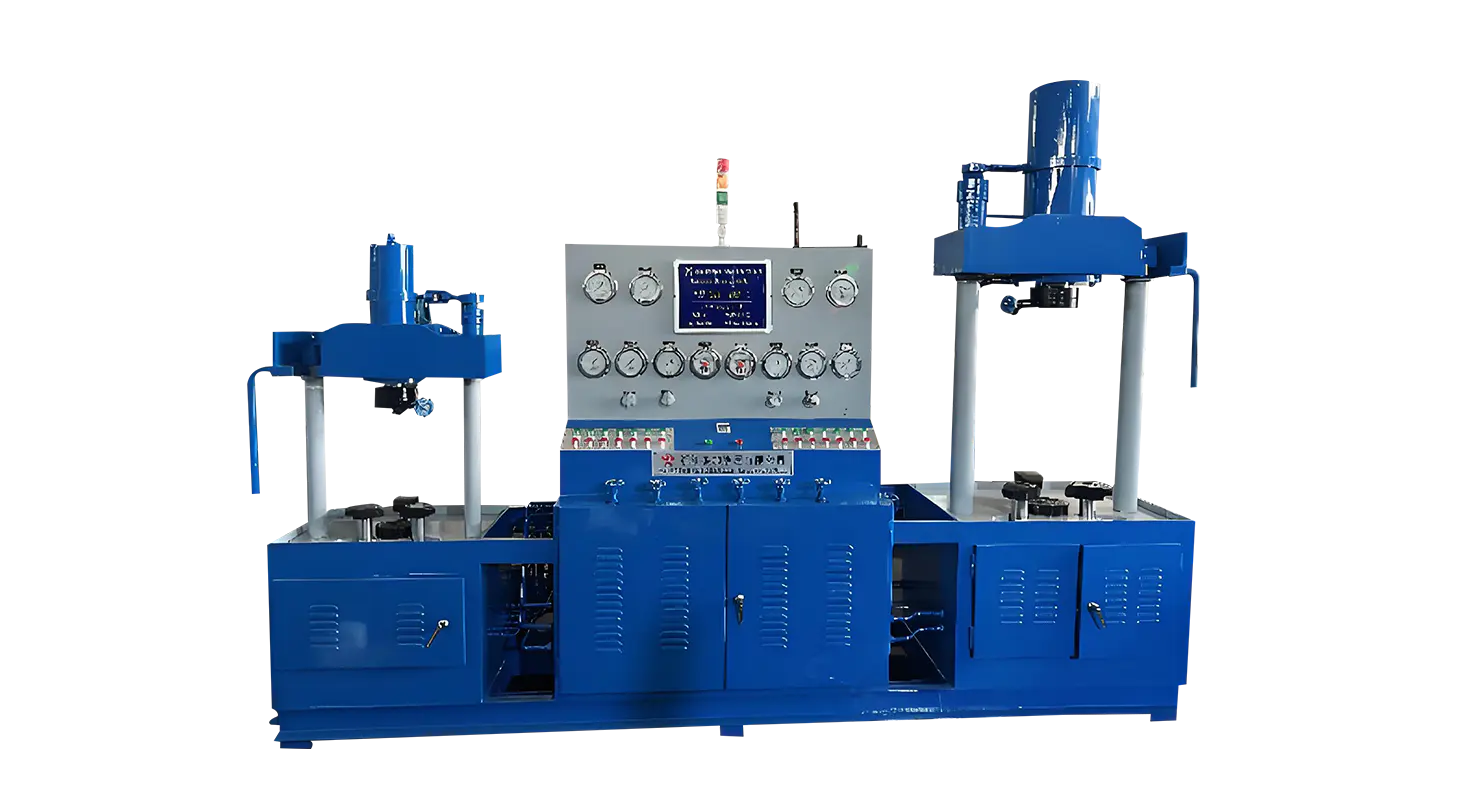
Valve testing often involves pressurized liquids or gases, secure workpiece clamping, and repeated connection changes. If operators overlook a setup step or use an unsuitable fixture, the testing process may become unreliable and create avoidable hazards. For valve manufacturers and industrial equipment buyers, evaluating a Valve Test Bench should therefore involve more than pressure capacity and testing functions. Equipment layout, protective measures, control accessibility, and operating procedures all influence how safely and consistently testing tasks can be completed.
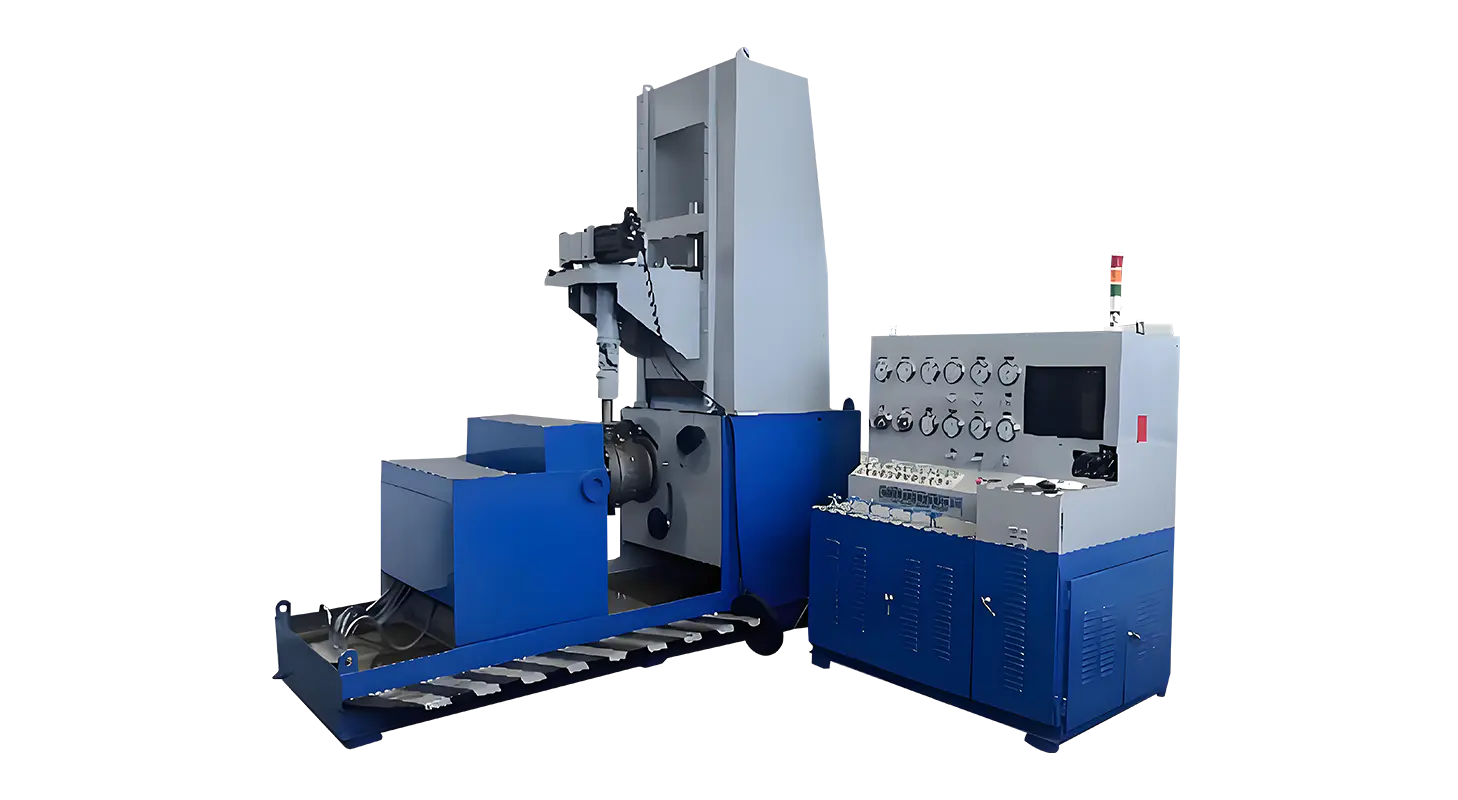
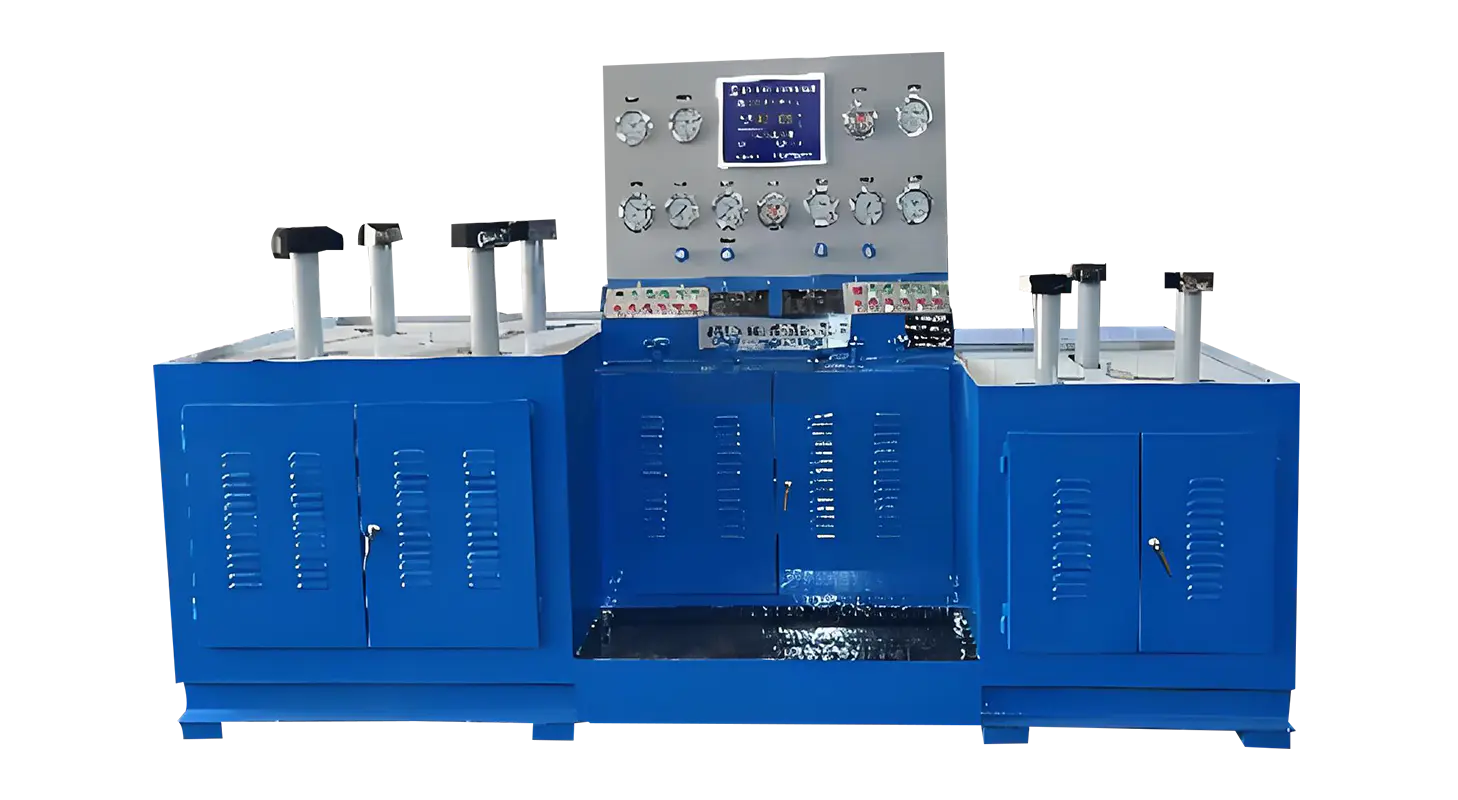
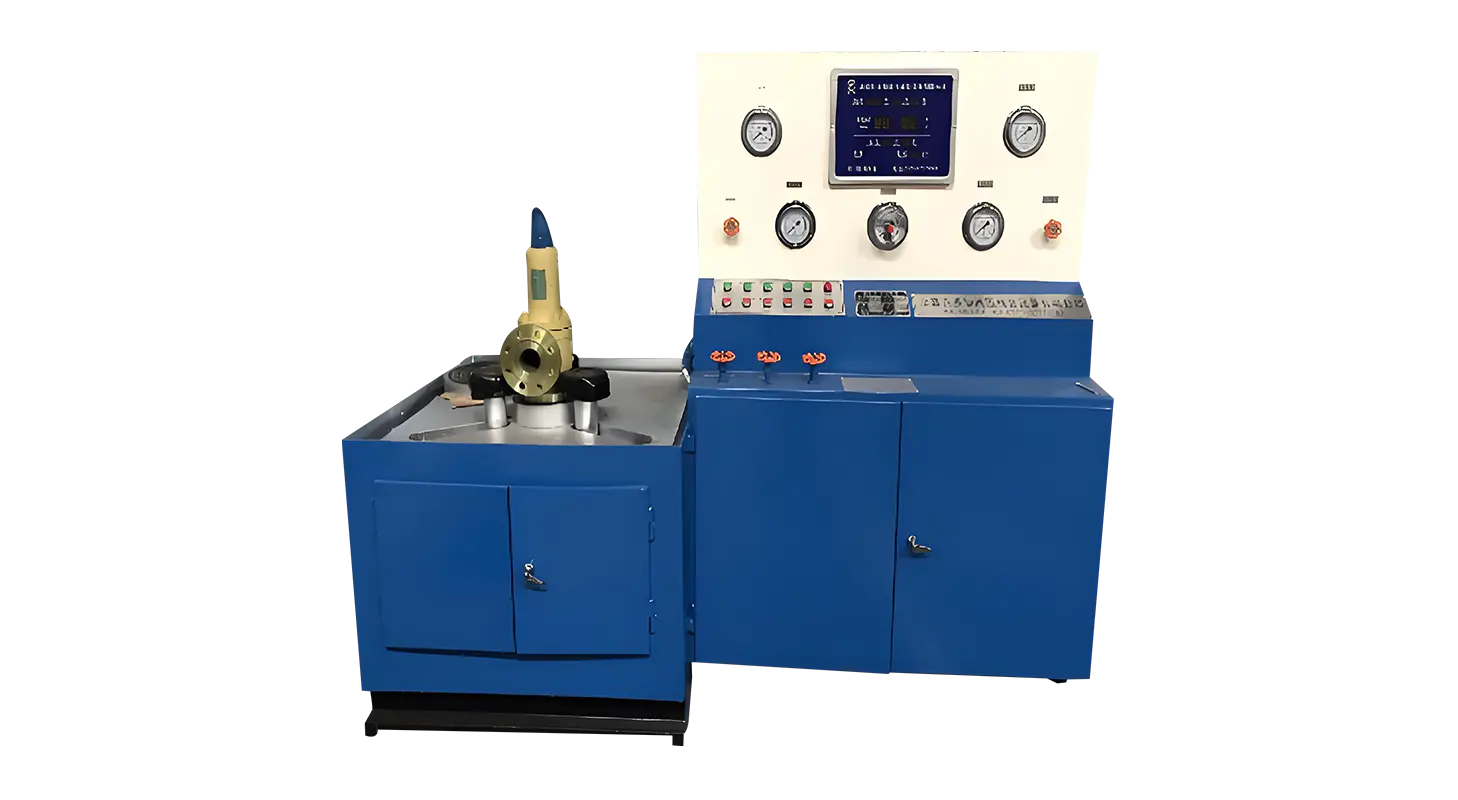
A well-organized test area helps operators identify where to position a valve, connect test lines, adjust settings, and observe the results. Poorly arranged controls or crowded working areas can make routine operations unnecessarily complicated.
During equipment selection, buyers should review the position of control panels, connection points, clamping mechanisms, and observation areas. The arrangement should suit the types of valves being tested and the way operators move through each test cycle.
As a manufacturer, considering these details during design can help create a more practical working environment. Clear labeling and understandable controls also make it easier to train new operators and reduce confusion when production requirements change.
Before pressure is applied, the valve must be positioned and secured according to the equipment's specified procedure. An unsuitable fixture, incorrect alignment, or incomplete clamping can compromise the test setup.
The clamping system should match the valve dimensions, connection design, and intended testing conditions. Buyers should confirm the supported workpiece range and understand how the equipment indicates or verifies that the required setup has been completed.
Manufacturers should provide clear instructions for positioning and securing different valve types. Where multiple fixtures are used, each configuration should be identified so operators can confirm that the correct arrangement is installed before testing begins.
Pressure testing can involve stored energy, making suitable protective measures essential. The appropriate safeguards depend on the test medium, maximum operating pressure, equipment configuration, and intended application.
When evaluating a Valve Test Bench, buyers should ask how the design addresses exposure to pressurized components, potential leakage, and unexpected equipment behavior. Depending on the system, protective enclosures, barriers, pressure-relief arrangements, and interlocks may be relevant.
Manufacturers should specify which protective functions are included and explain their intended use. Equipment should not be operated beyond its rated conditions, and safeguards must not be bypassed to speed up production.
A repeatable preparation sequence helps operators verify the test setup before starting a cycle. The process should cover the valve, fixture, connections, selected test parameters, and required protective measures.
A pre-test checklist may include:
The checklist should reflect the specific machine configuration and the manufacturer's instructions. It should not replace formal training or the facility's established safety procedures.
Operators need to understand how to start, pause, and stop a test cycle, as well as what to do when an abnormal condition occurs. Controls should be clearly identified, and their functions should be documented.
Buyers should review how the equipment handles pressure adjustment, cycle initiation, alarms, and emergency stopping where applicable. They should also confirm whether different operating modes require specific authorization or setup steps.
From a manufacturing perspective, control design should support deliberate operation and reduce the chance of accidental activation during preparation or maintenance.
A testing procedure should explain how operators respond to leakage, unstable pressure, instrument faults, or an incomplete cycle. The correct response depends on the equipment and test method, but personnel should never attempt to adjust pressurized connections.
Manufacturers should document the appropriate shutdown, depressurization, and isolation procedures. Training should cover how to recognize abnormal behavior and when testing must stop for inspection by qualified personnel.
Clear procedures help ensure that production targets do not take priority over proper handling of unexpected conditions.
A suitable Valve Test Bench should combine appropriate testing capacity with secure clamping, clear controls, relevant protective measures, and documented operating procedures. For overseas buyers, discussing valve specifications, test media, working pressure, operator routines, and safety requirements with the manufacturer helps establish an appropriate configuration. Evaluating these factors before purchase supports a more controlled testing process and helps integrate the equipment into everyday production operations.
Related Products
Contact us
Address
Sanqiao Industrial Zone, Oubei, Yongjia County, Zhejiang Province, China
Phone
+86-13676520568
Telephone number
+86-13676520568
Fax
products
Quick Links
QR CODE