English
 русский
 عربى
Get in touch
Get in touch
Oct 23, 2026
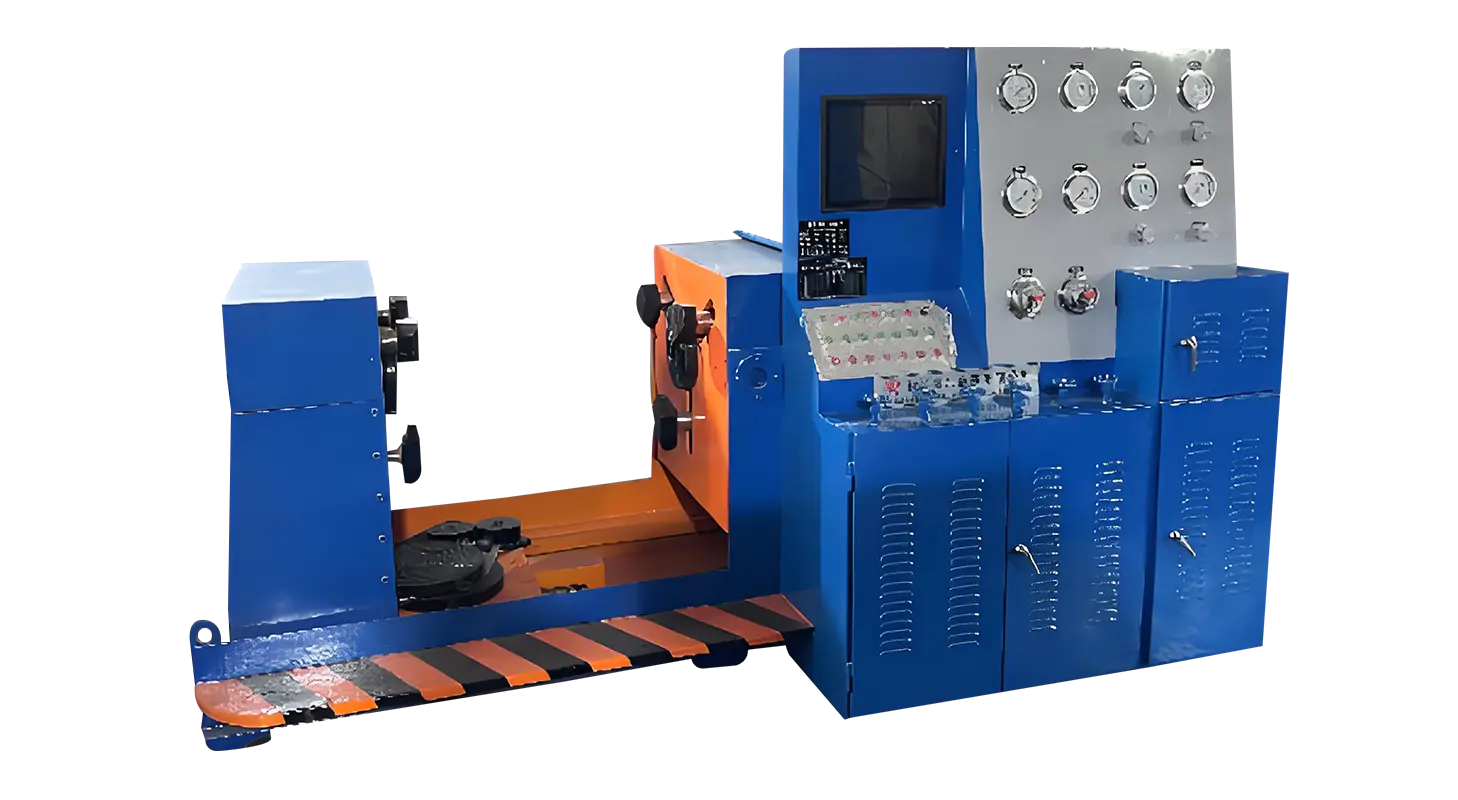
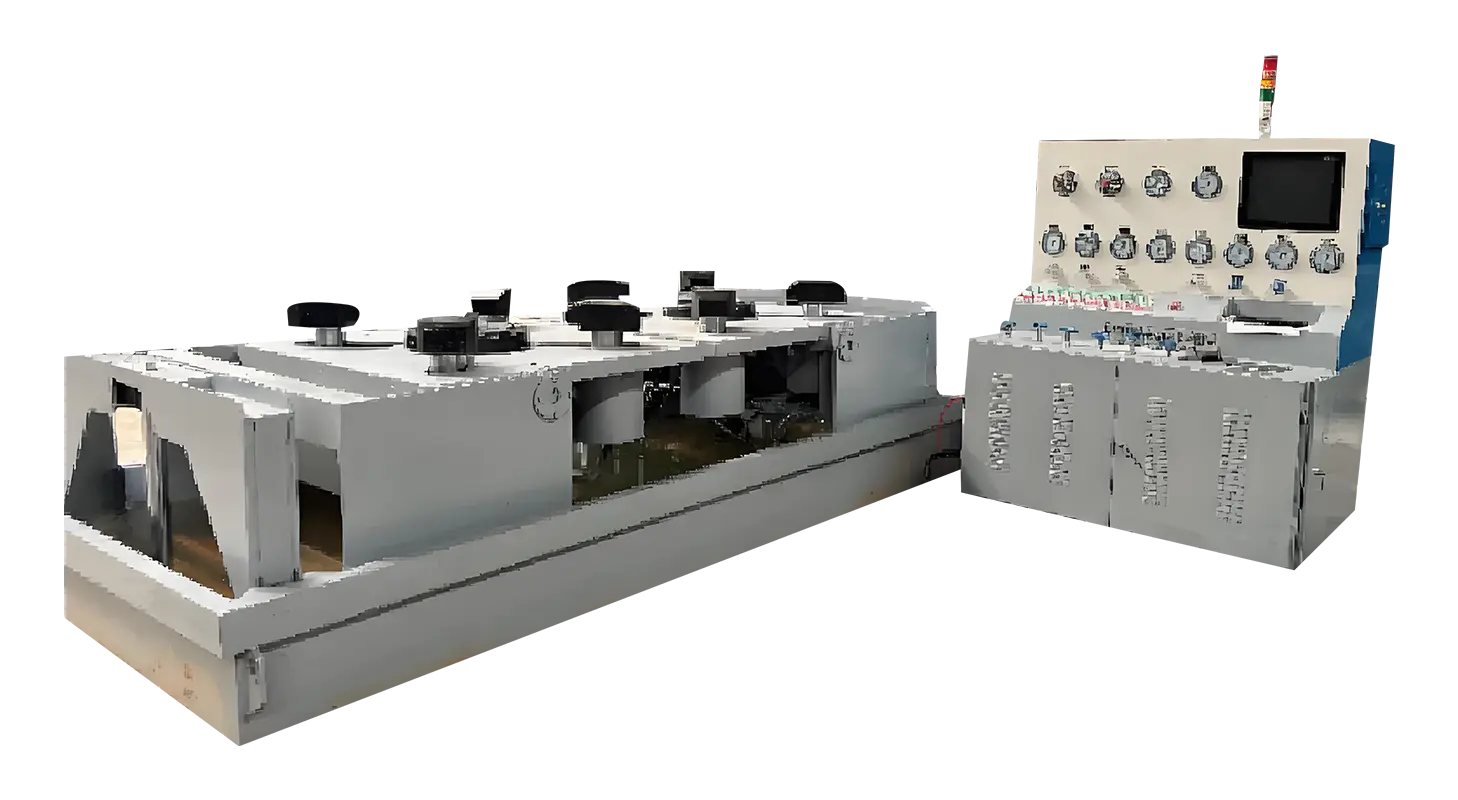
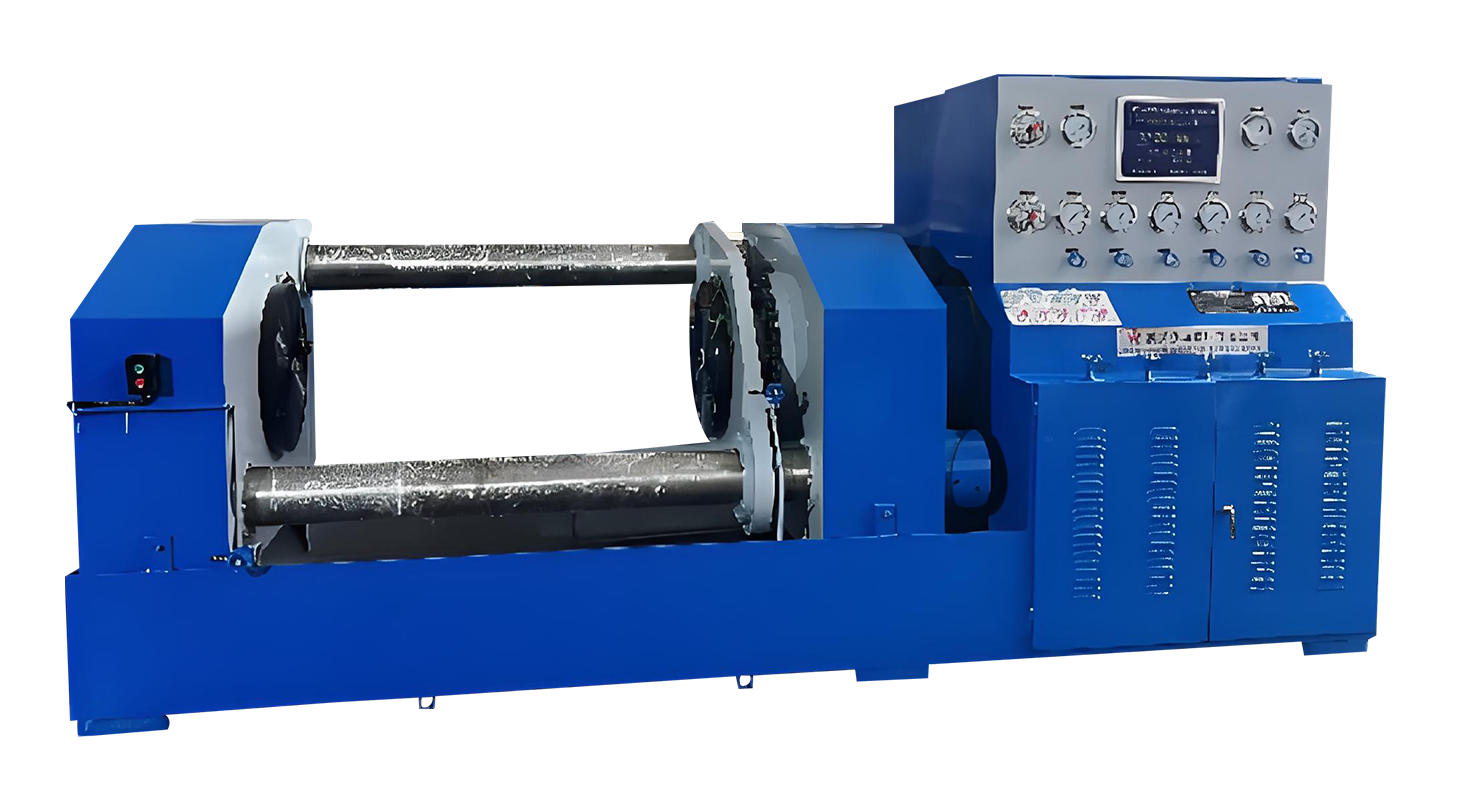
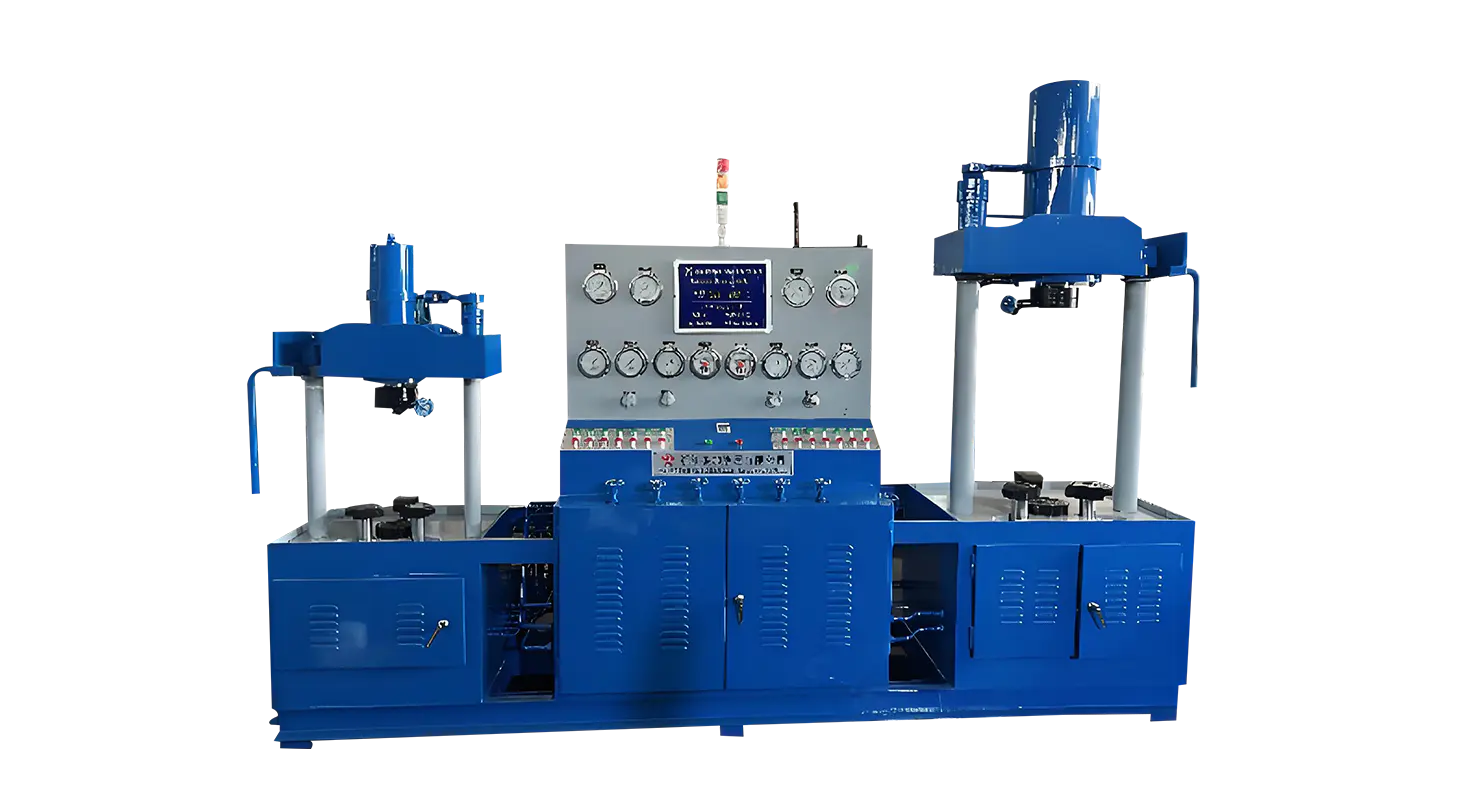
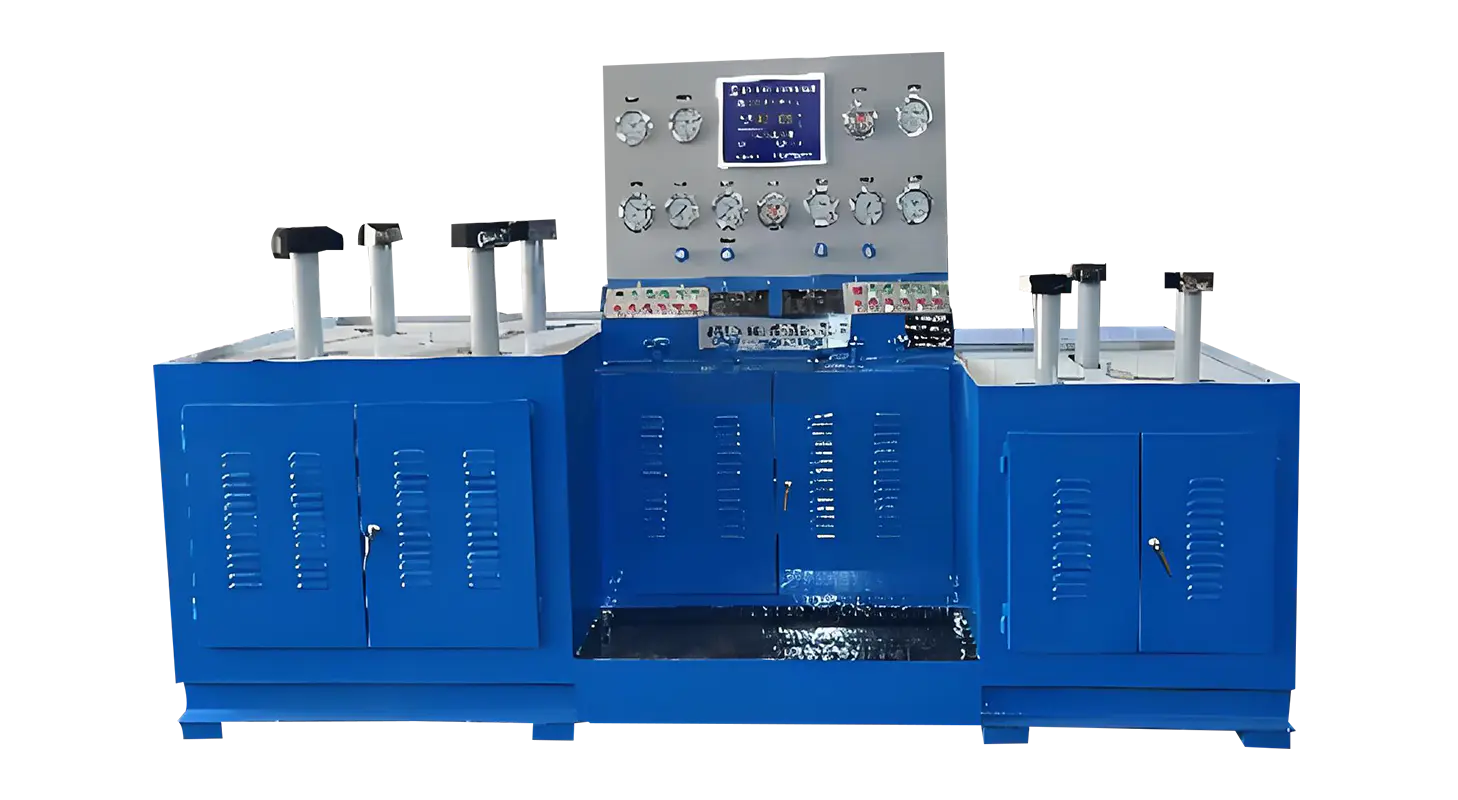
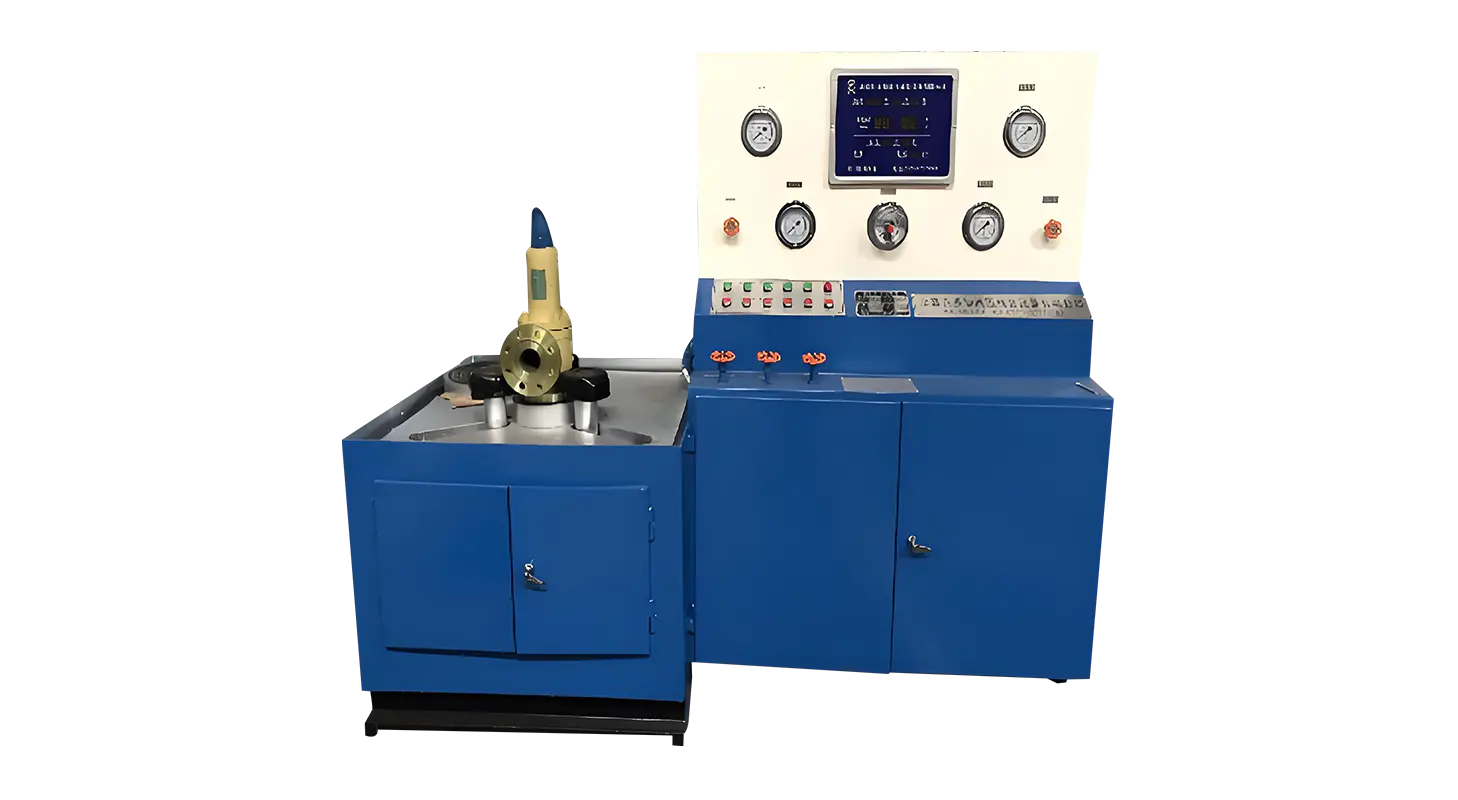
A valve testing process may become less reliable when pressure readings fluctuate, connections leak, or the equipment takes longer than expected to complete a test cycle. These symptoms do not always indicate a major machine failure, but they should not be ignored. For valve manufacturers and industrial equipment buyers, understanding common performance problems can help reduce unnecessary downtime and maintain a consistent inspection process. A well-designed Valve Test Bench should also allow routine checks to be carried out without making maintenance unnecessarily complicated.
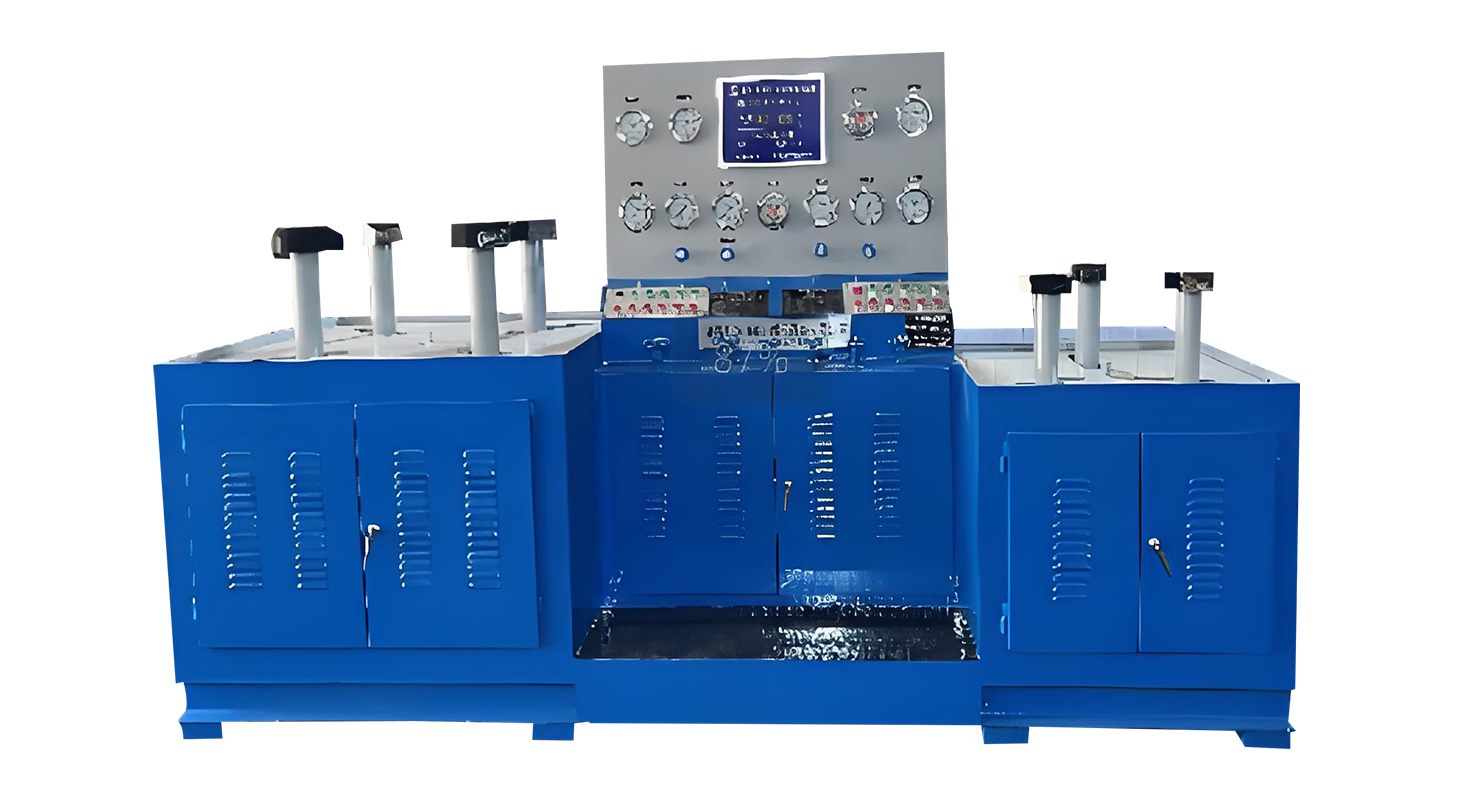
Unexpected differences between test cycles can be an early indication that the equipment needs inspection. For example, pressure may take longer to stabilize, readings may fluctuate, or a previously repeatable test may produce inconsistent results.
Operators should first confirm that the correct test procedure, pressure setting, fixture, and connection arrangement are being used. Differences in valve condition or preparation can also influence the observed result, so the machine should not automatically be treated as the source of every problem.
Manufacturers can help users identify these possibilities through clear operating instructions and defined inspection procedures. Recording abnormal behavior also makes it easier to determine whether a problem is recurring or limited to a particular test setup.
Connections and seals are exposed to repeated use during valve testing. Wear, contamination, incorrect installation, or damaged sealing surfaces can lead to leakage and interrupt the test process.
A routine inspection should include accessible hoses, fittings, sealing components, and connection interfaces. Any damaged parts should be addressed according to the equipment manufacturer's instructions before testing continues.
For buyers evaluating a Valve Test Bench, the accessibility of these components is an important design consideration. If routine inspection requires excessive disassembly, maintenance may become more difficult to manage during busy production periods.
Pressure readings provide essential information during a test cycle. If the display behaves unexpectedly, operators should check the instrument status, connection conditions, and relevant control settings before drawing conclusions about the valve being tested.
Measurement instruments should be maintained and calibrated according to the specified schedule and applicable requirements. Buyers should confirm the available measurement range, accuracy specifications, and procedures for checking instrument condition.
Manufacturers should also consider whether controls and displays make abnormal readings easy to recognize. Clear indications and accessible adjustment points can help operators investigate problems more systematically.
Unstable pressure can have several possible causes, including leakage, changes in the pressure supply, incorrect settings, or problems with control components. Changing multiple settings at once can make the underlying cause harder to identify.
A more practical troubleshooting sequence is to:
High-pressure systems require particular care. Inspection and repair should be performed by qualified personnel in accordance with the equipment instructions, without loosening pressurized connections.
Maintenance planning is easier when routine tasks are identified before equipment problems occur. Inspection frequency should reflect operating conditions, testing frequency, and the manufacturer's recommendations.
A maintenance record can document component replacement, instrument checks, recurring leakage, and unusual operating behavior. These records help maintenance personnel identify patterns and plan service before minor issues develop into longer interruptions.
For production managers, it is also useful to understand which components require regular attention and whether appropriate replacement parts can be obtained for the selected configuration.
Maintenance convenience should be considered during equipment selection, not only after installation. Buyers can review access to serviceable components, clarity of the operating manual, instrument replacement procedures, and the availability of technical documentation.
Manufacturers should explain routine maintenance requirements and identify tasks that require specialist attention. This helps purchasing teams assess the ongoing responsibilities associated with operating the equipment.
A practical design balances testing capability with service access, helping users maintain the machine without unnecessary disruption to their inspection schedule.
A dependable Valve Test Bench requires appropriate operating procedures, regular inspection, accurate measurement, and timely attention to abnormal behavior. For overseas buyers, discussing testing frequency, pressure requirements, maintenance access, and service expectations with the manufacturer can help identify a suitable machine configuration. Establishing a clear maintenance routine from the beginning supports more consistent testing and helps keep valve inspection activities aligned with production needs.
Related Products
Contact us
Address
Sanqiao Industrial Zone, Oubei, Yongjia County, Zhejiang Province, China
Phone
+86-13676520568
Telephone number
+86-13676520568
Fax
products
Quick Links
QR CODE