English
 русский
 عربى
عربى
Get in touch
Get in touch
Feb 20, 2026
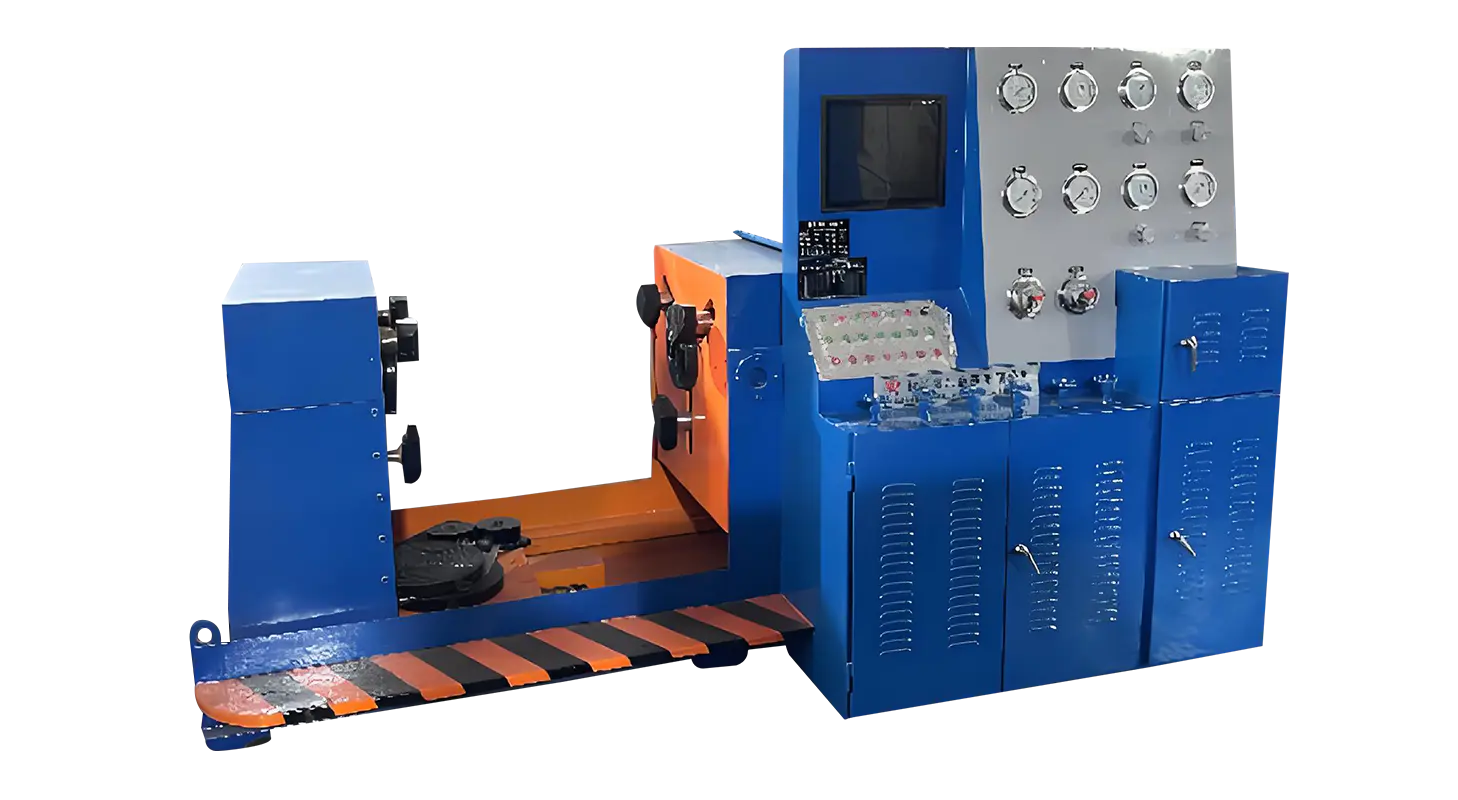
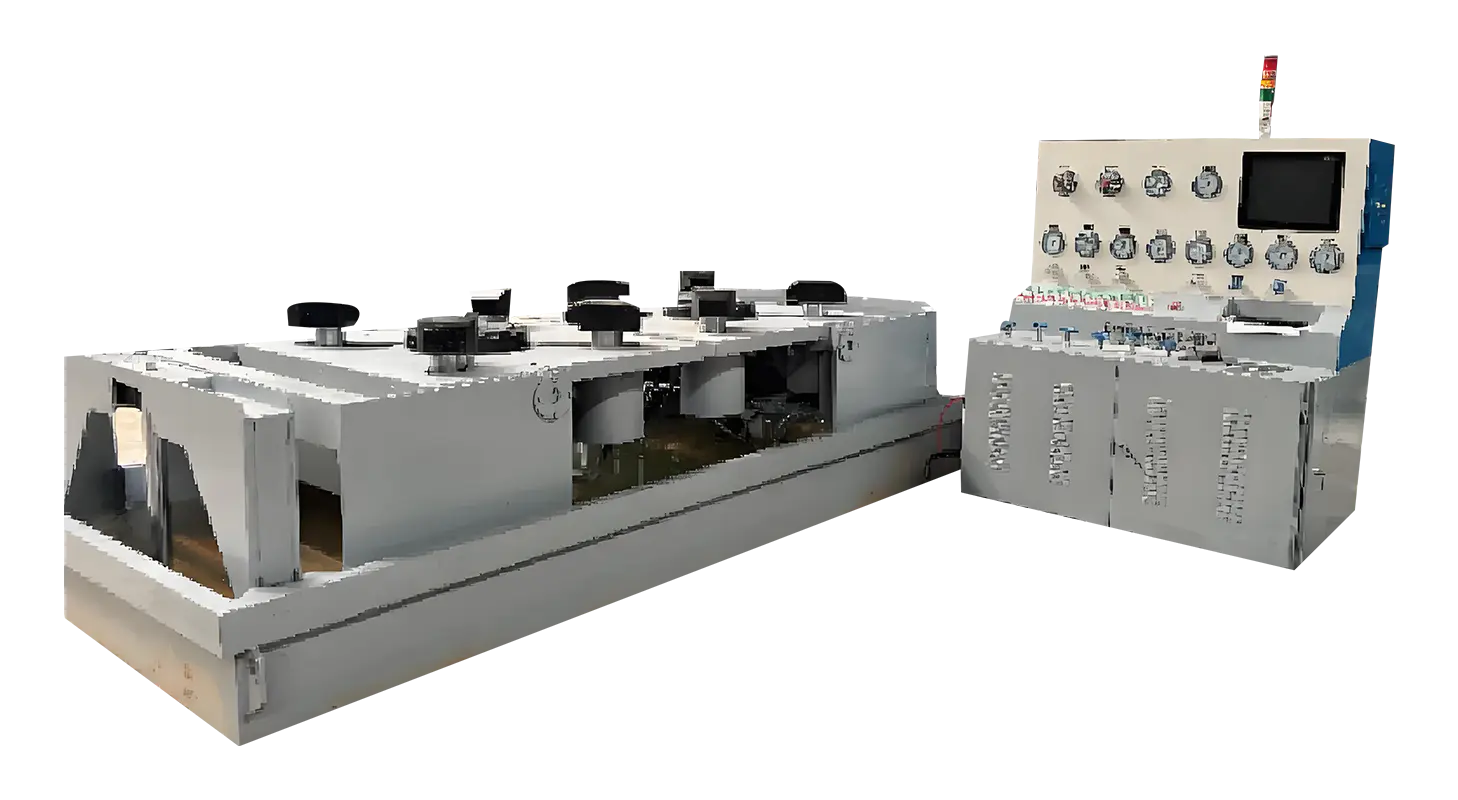
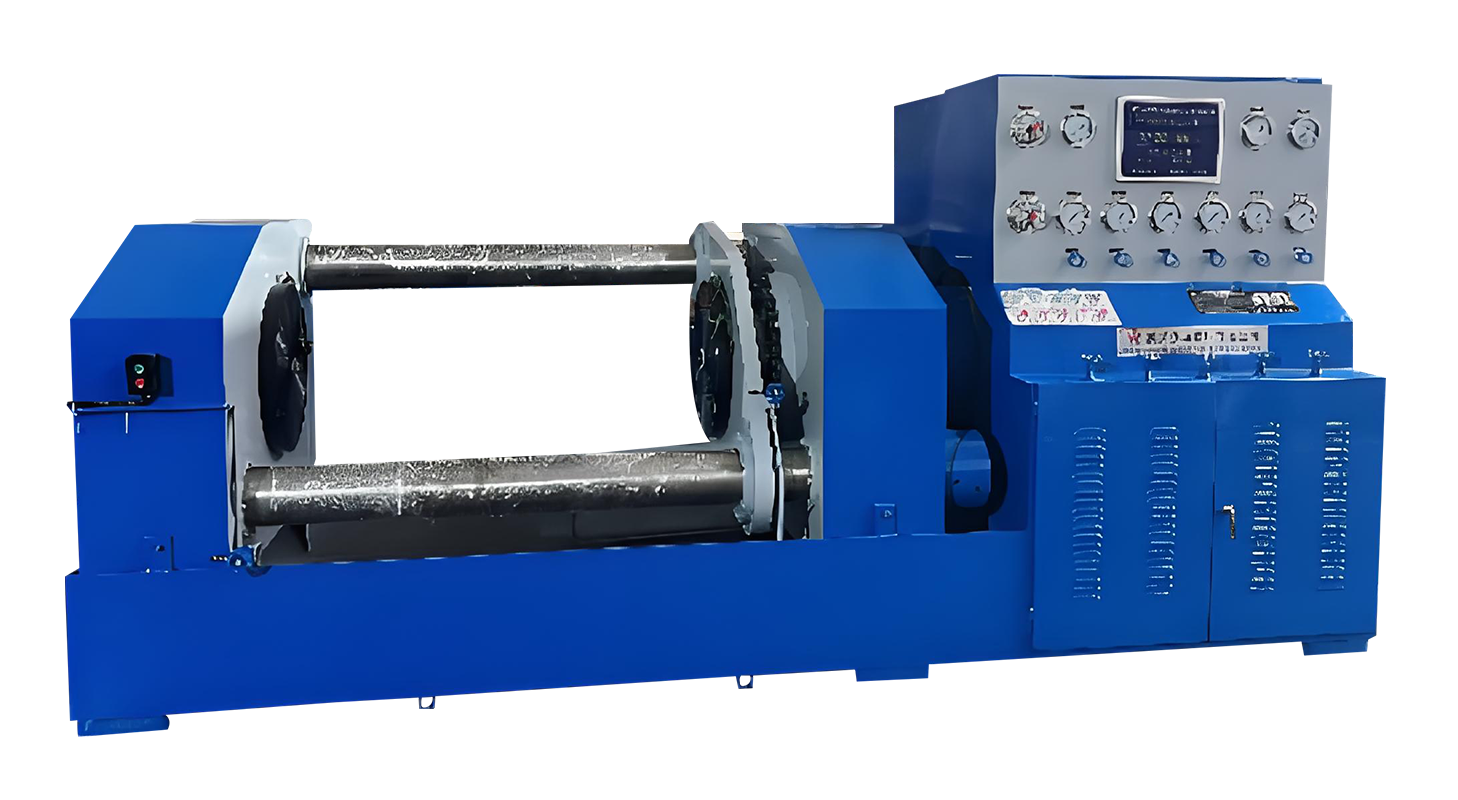
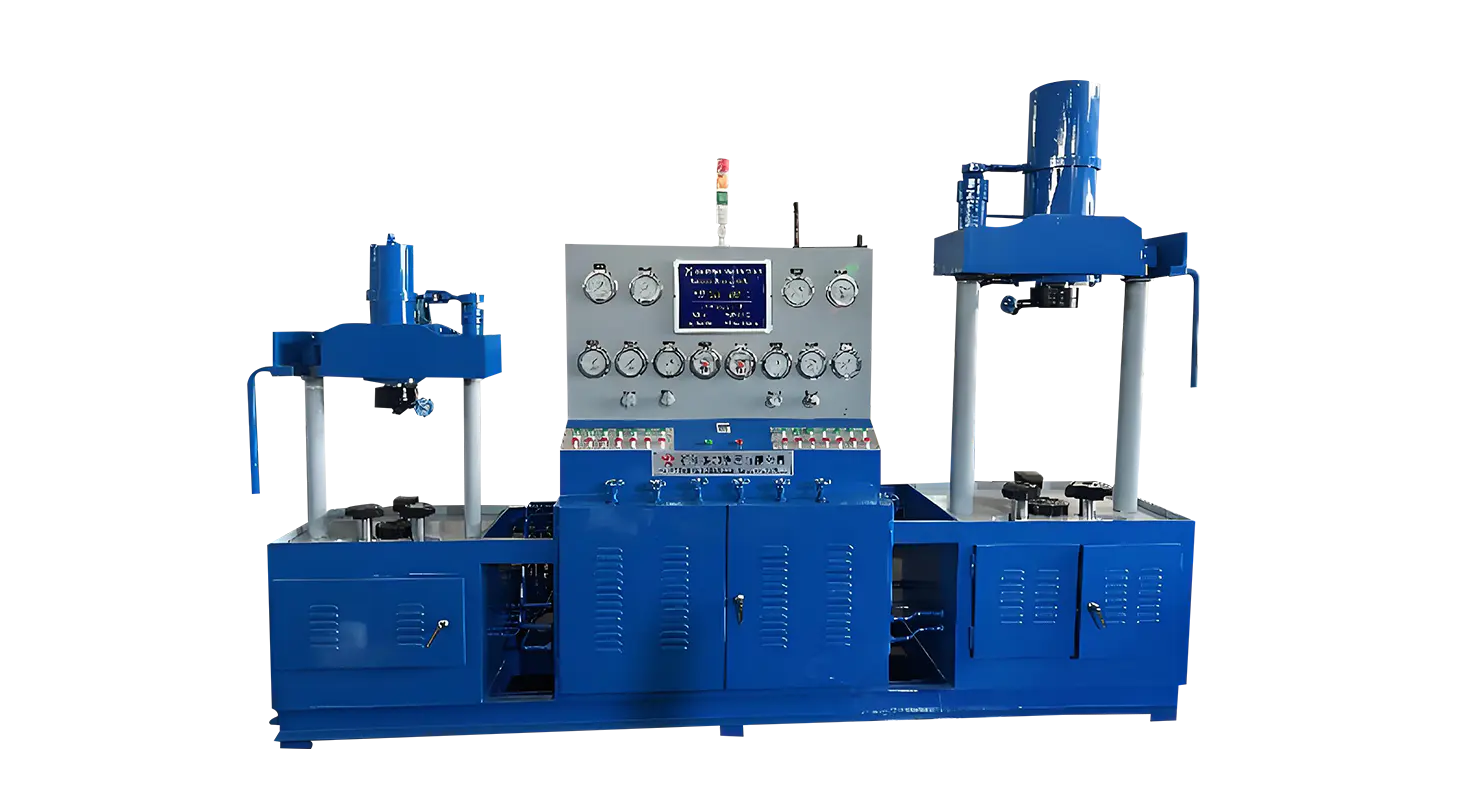
Setting test pressure is often treated as a simple numerical task, yet it plays a decisive role in whether valve testing is meaningful. During commissioning, inspection, or maintenance, engineers rely on a Control Valve Test Bench to apply controlled Valve Test Pressure that reflects real operating demands without introducing unnecessary risk. If the pressure is set too low, hidden issues may go undetected; if set too high, the test itself may damage components or create safety concerns. Understanding how to determine a safe and appropriate pressure level is therefore a practical question that directly affects test quality and field performance.
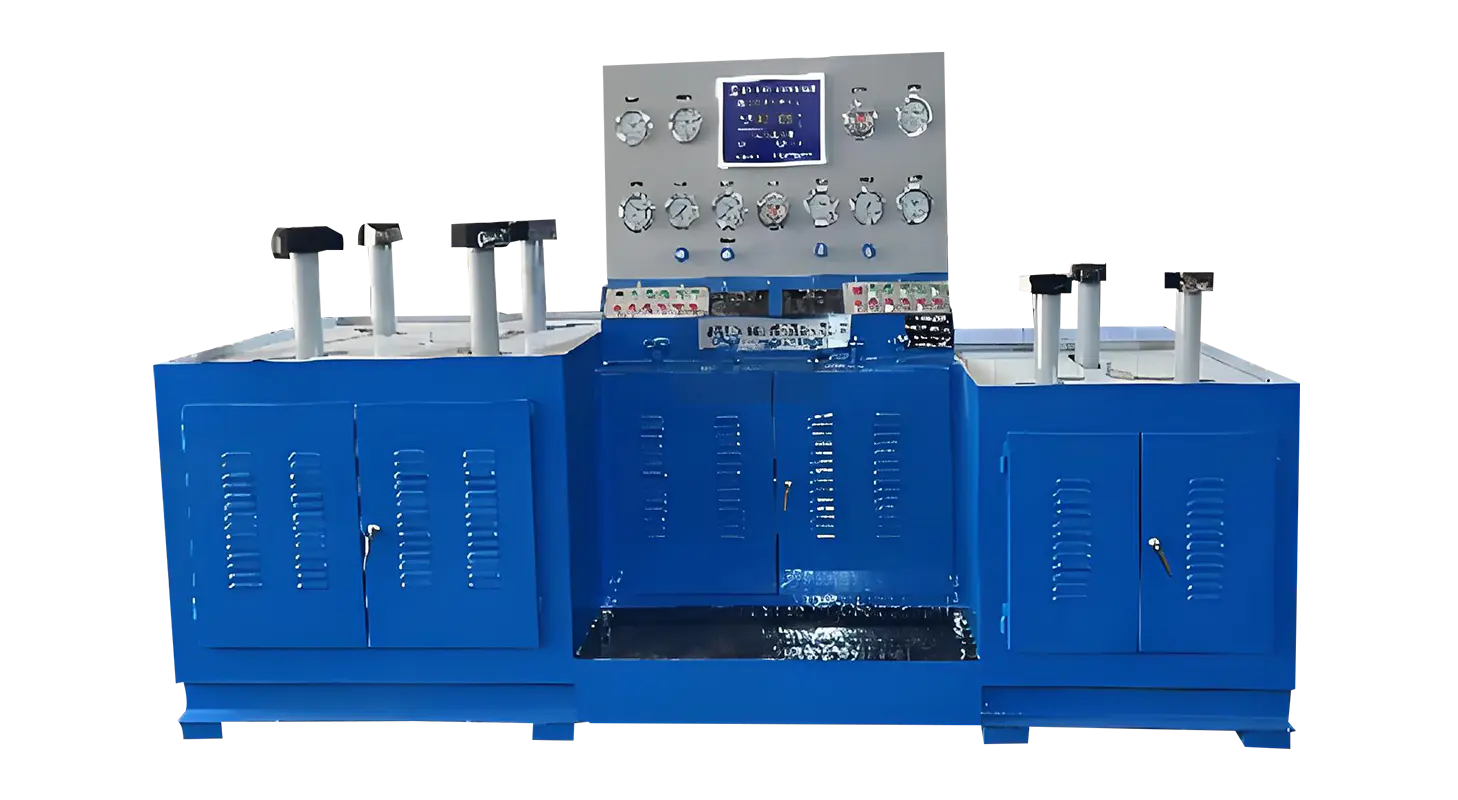
Valve test pressure is not an abstract value. It is linked to design ratings, material limits, sealing structures, and intended service conditions. In many workshops, retesting or disputes arise because the original test pressure was selected without clear reference to standards or valve specifications.
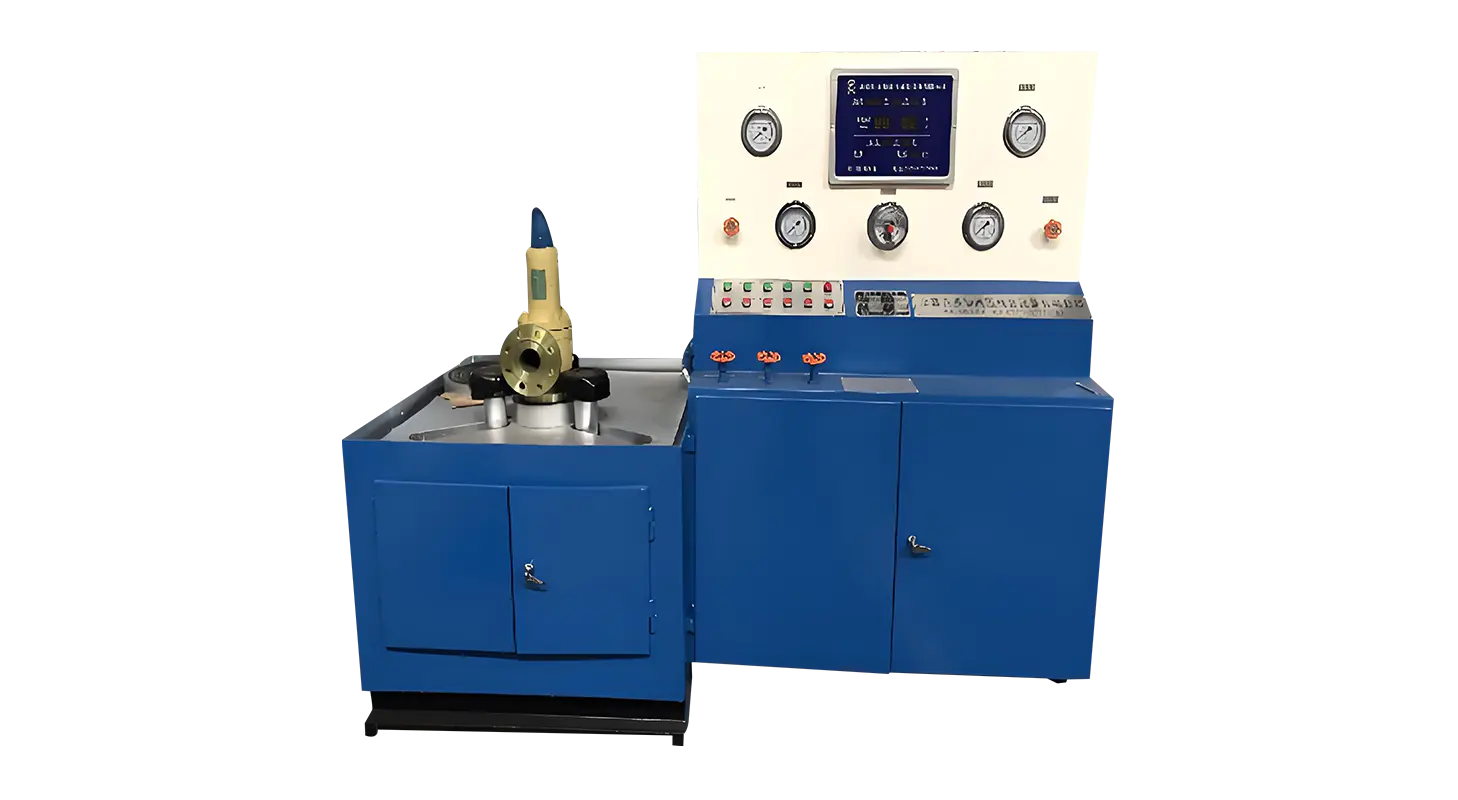
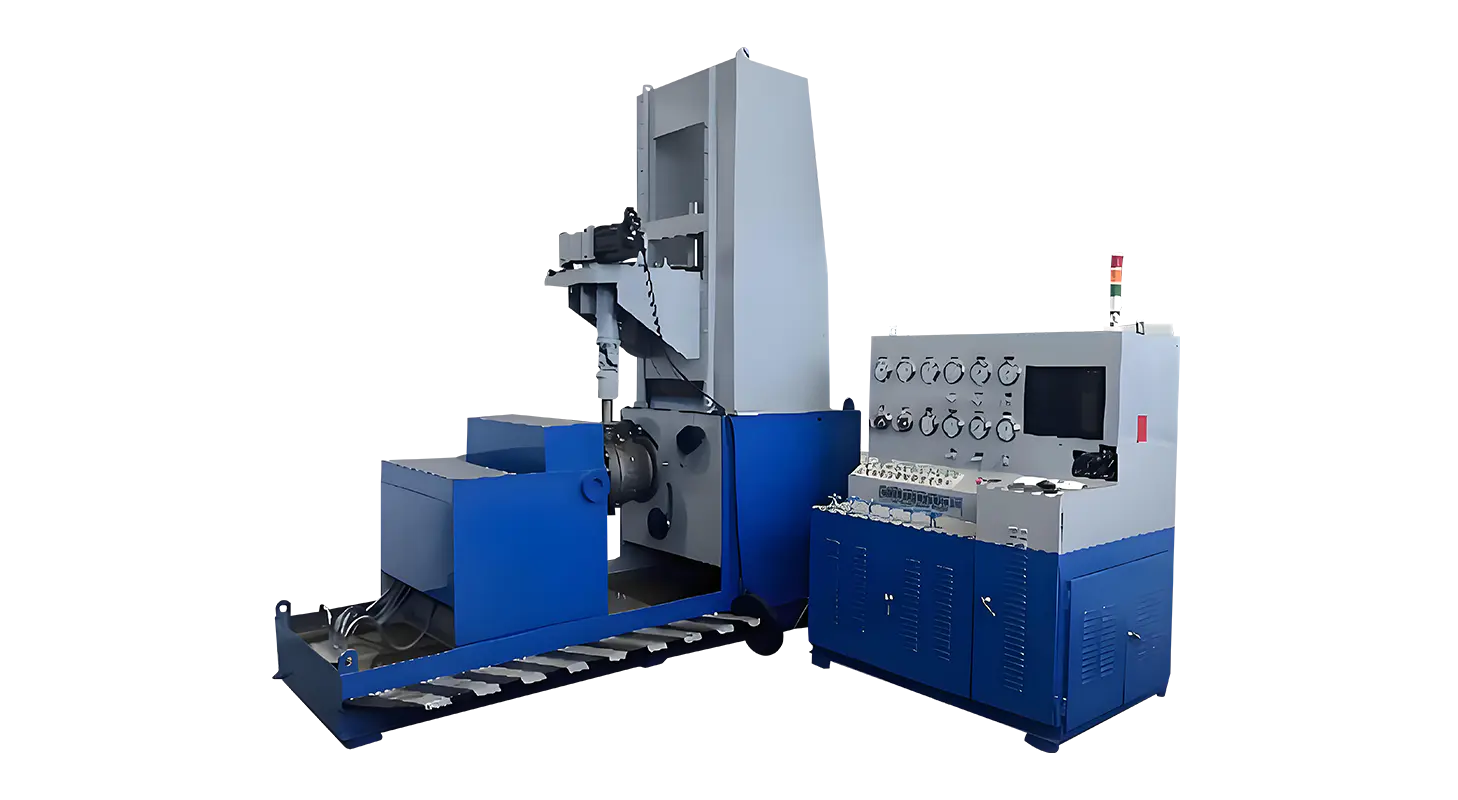
A Control Valve Test Bench provides the tools to apply pressure accurately and observe how the valve responds during both increase and holding phases. However, the bench itself does not determine the correct pressure value; that decision must be based on an understanding of valve design pressure, allowable test margins, and the purpose of the test, whether for strength verification, sealing assessment, or functional checking.
The starting point for setting Valve Test Pressure is the valve’s design or rated pressure. This rating defines the pressure level the valve is intended to withstand during service under specified temperature conditions. Test pressure is typically set above normal operating pressure, but within limits defined by standards or engineering practice.
On a Control Valve Test Bench, pressure can be raised gradually, allowing operators to approach the target value with control rather than abrupt loading. This gradual increase is essential, as it helps confirm that the valve body and sealing elements respond as expected before reaching higher pressure levels. By aligning test pressure with design ratings rather than arbitrary values, the test focuses on verification rather than overstressing the valve.
Not all tests require the same pressure setting. One reason confusion arises is that strength testing and sealing testing serve different purposes. Strength tests aim to confirm that the valve body and pressure-containing parts can withstand elevated pressure without deformation or structural issues. Sealing tests, on the other hand, focus on whether leakage occurs at specified pressure levels.
A Control Valve Test Bench that supports staged pressure control allows these objectives to be addressed separately. Strength testing may require pressure higher than normal operating conditions for a short duration, while sealing tests often use lower pressure held for longer periods.
The medium used during testing has a direct impact on how pressure should be set and interpreted. Water and gas behave differently under pressure, and this difference affects safety considerations as well as test results. Water, being largely incompressible, stores less energy at high pressure. Gas, due to compressibility, can release energy rapidly if containment is compromised.
When using a Control Valve Test Bench for water testing, higher pressure levels may be applied with comparatively lower risk, provided the valve and test setup are suitable. Gas testing, however, often requires stricter control of Valve Test Pressure and careful stabilization before boosting. Pre-stabilization tanks and controlled boosting systems help manage this process, but the selected pressure should still reflect the valve’s intended gas service conditions rather than matching water test values without adjustment.
How pressure is applied can be as important as the final value. Rapid pressurization may introduce transient loads that exceed what the valve experiences in service, even if the nominal pressure value appears acceptable. Such conditions can create false indications of leakage or damage components unnecessarily.
A Control Valve Test Bench equipped with low-pressure rapid pumps and high-pressure slow-increase pumps supports controlled pressurization. Pressure is increased step by step, giving operators time to monitor gauges and valve response. This approach allows early detection of abnormal behavior before reaching the target Valve Test Pressure, reducing the likelihood of overshooting safe limits.
Holding pressure is a key part of safe and meaningful valve testing. A valve that withstands a brief pressure spike may still exhibit leakage or deformation when pressure is maintained. Conversely, holding pressure for longer than necessary at an excessive level can accelerate wear or damage.
Test benches with automatic pressure-holding functions help balance these concerns. Once the set Valve Test Pressure is reached, the system maintains it steadily, allowing observation without constant manual adjustment. Holding time should be defined based on test objectives and standards, ensuring that pressure exposure is sufficient to reveal issues without extending beyond what is needed for evaluation.
Related Products
Contact us
Address
Sanqiao Industrial Zone, Oubei, Yongjia County, Zhejiang Province, China
Phone
+86-13676520568
Telephone number
+86-13676520568
Fax
products
Quick Links
QR CODE