English
 русский
 عربى
عربى
Get in touch
Get in touch
Apr 10, 2026
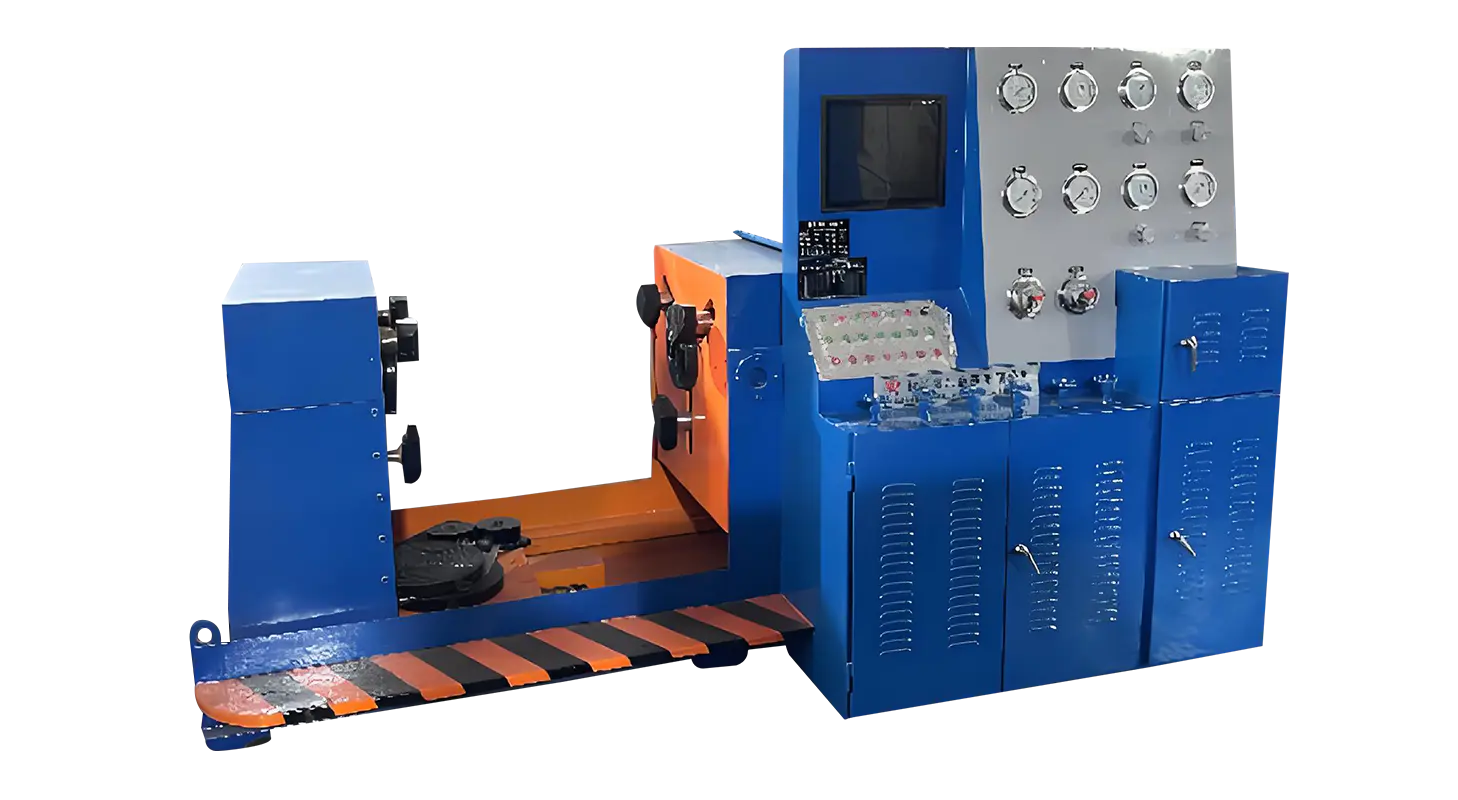
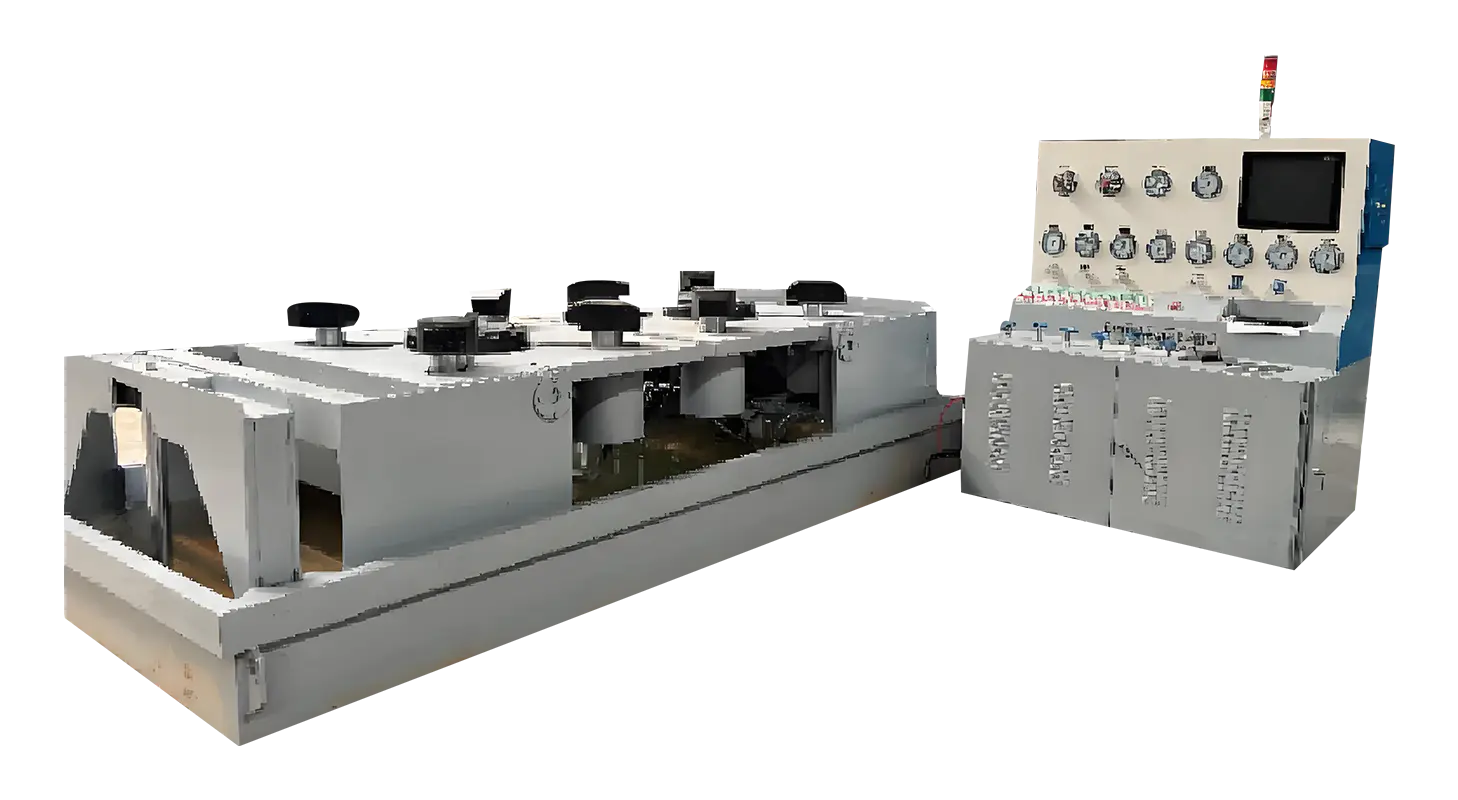
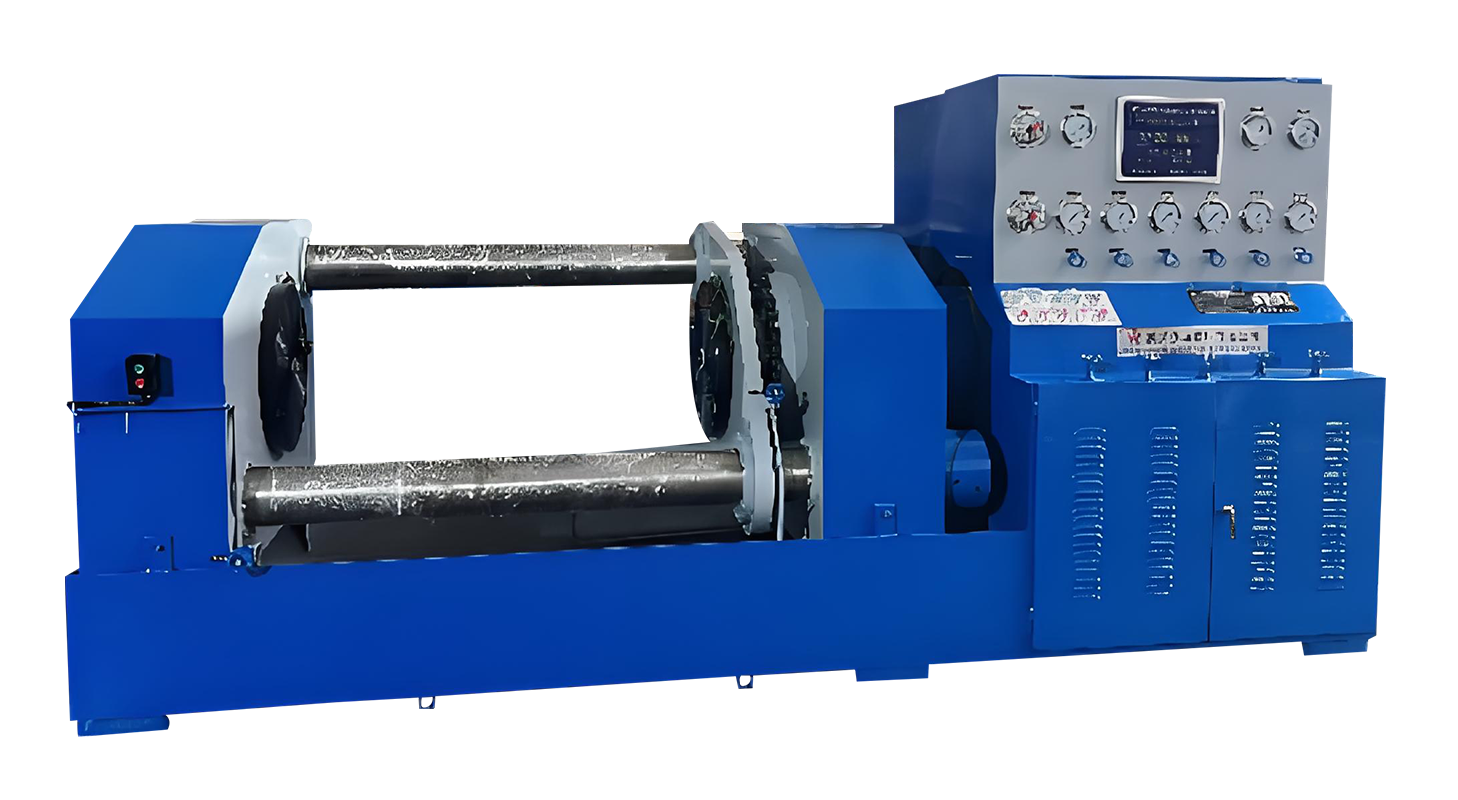
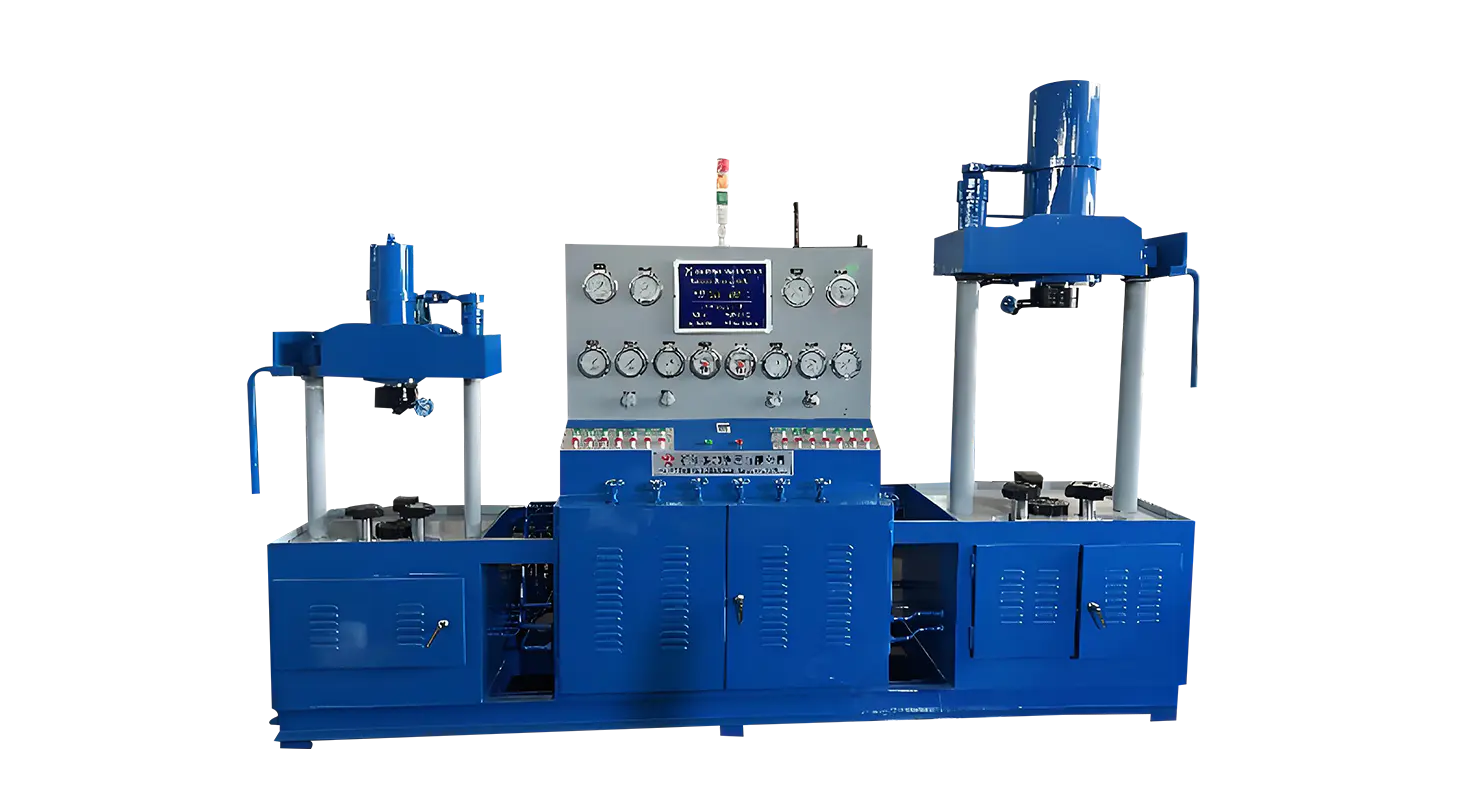
Precision in hydraulic component inspection often determines whether a manufacturing line can maintain consistent output quality over time. In this context, both the Hydraulic Valve Test Bench and the Valve Test Bench play an important role in verifying valve performance before installation or shipment. By introducing structured testing procedures and measurable parameters, these systems help manufacturers identify deviations early and reduce the likelihood of downstream issues.
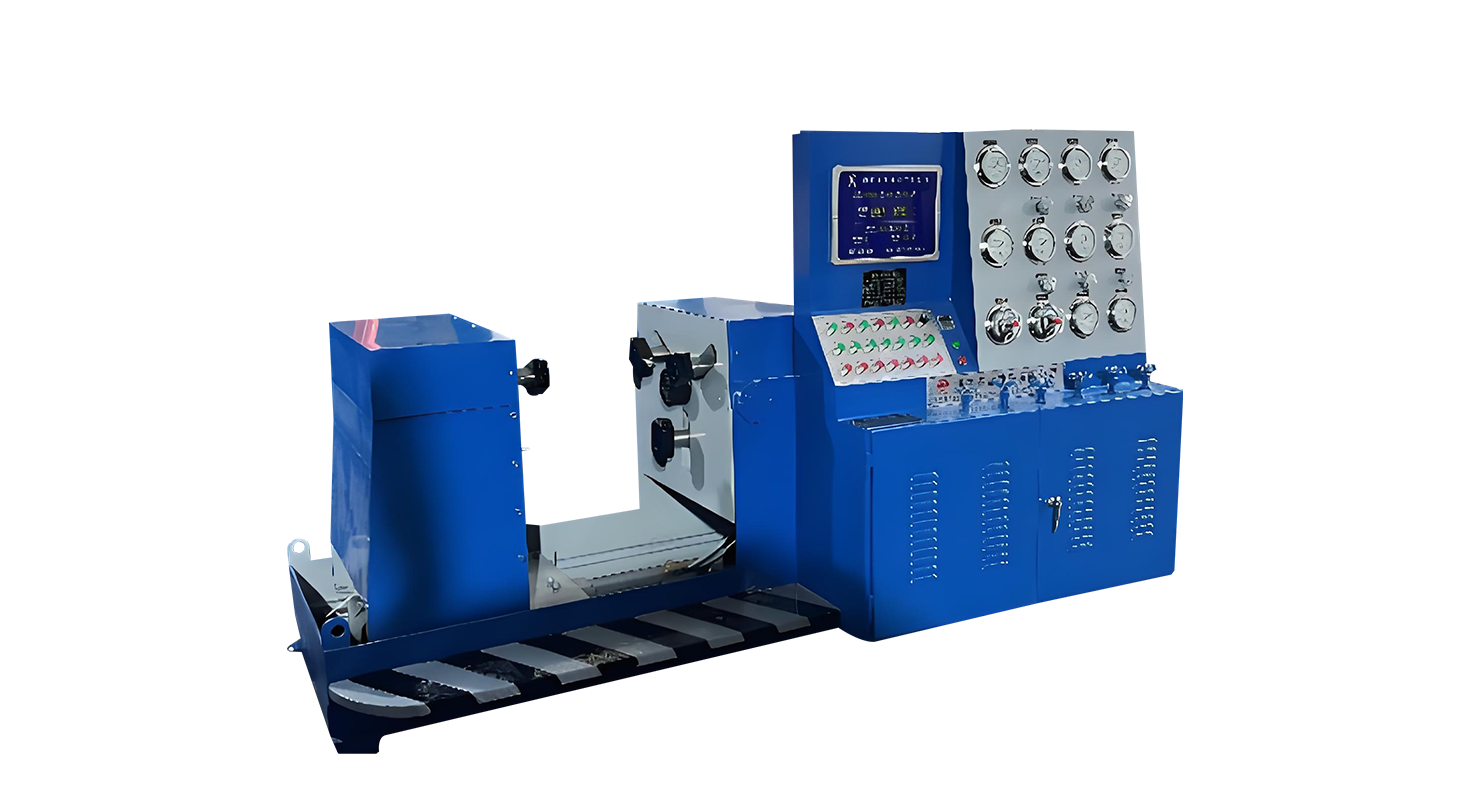
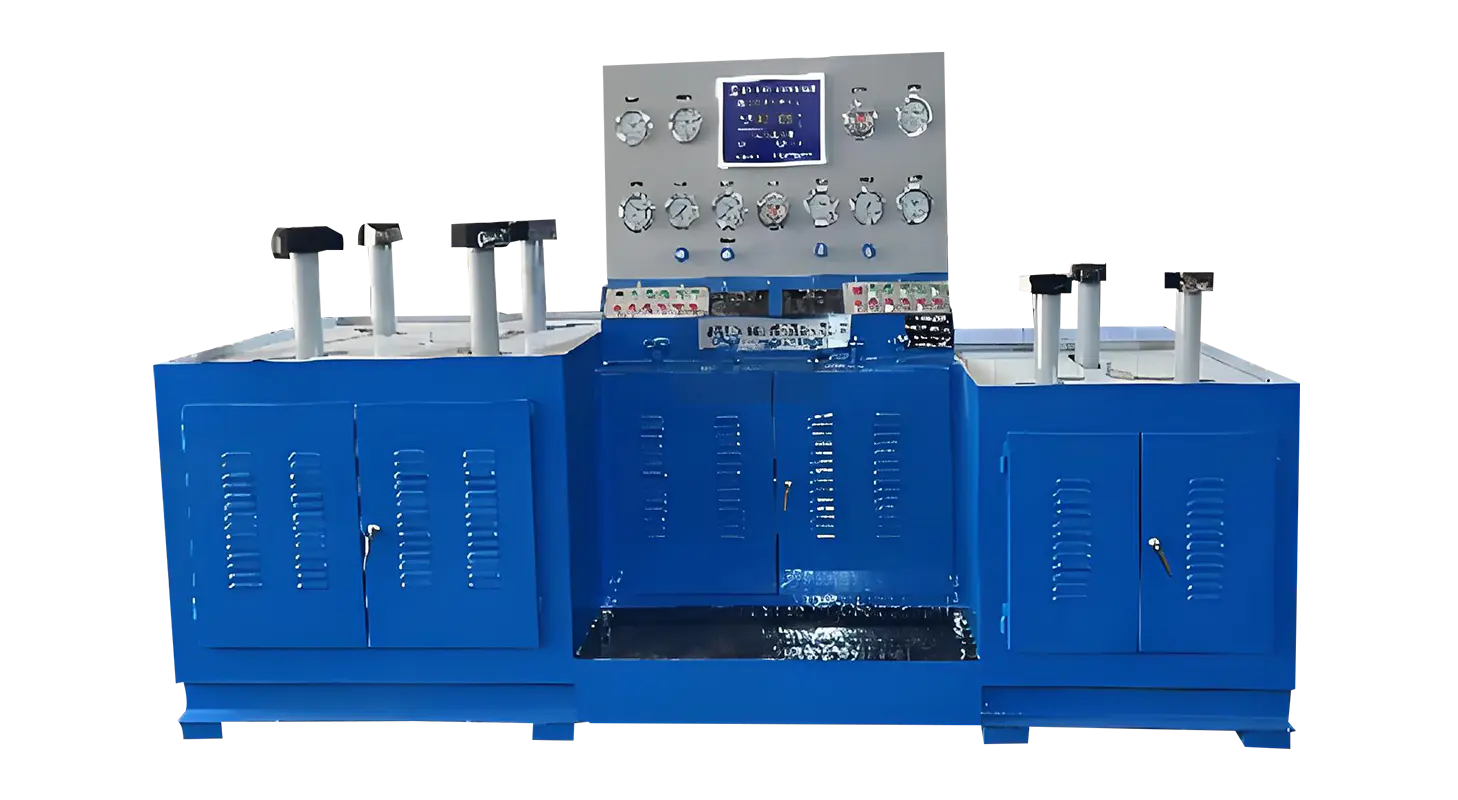
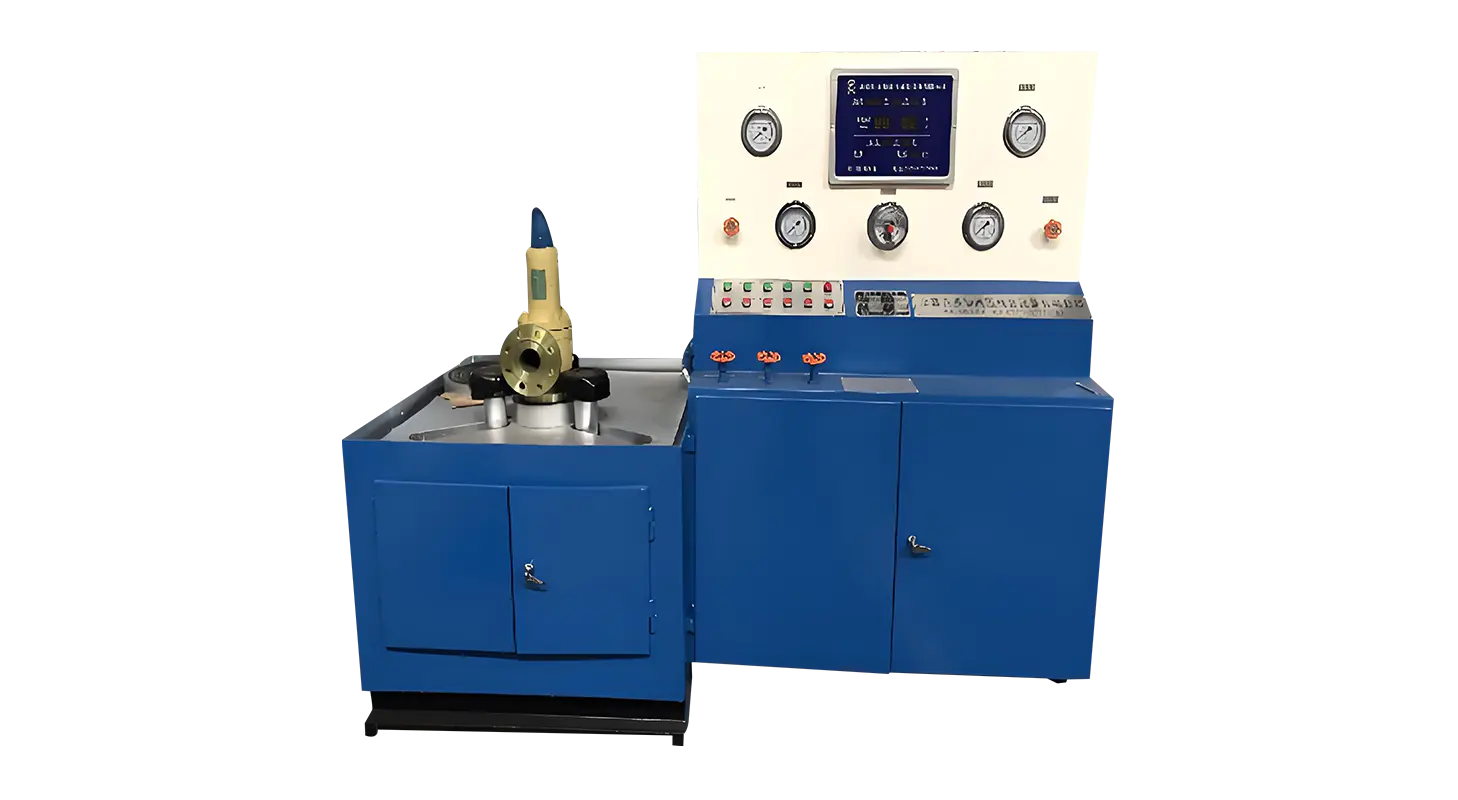
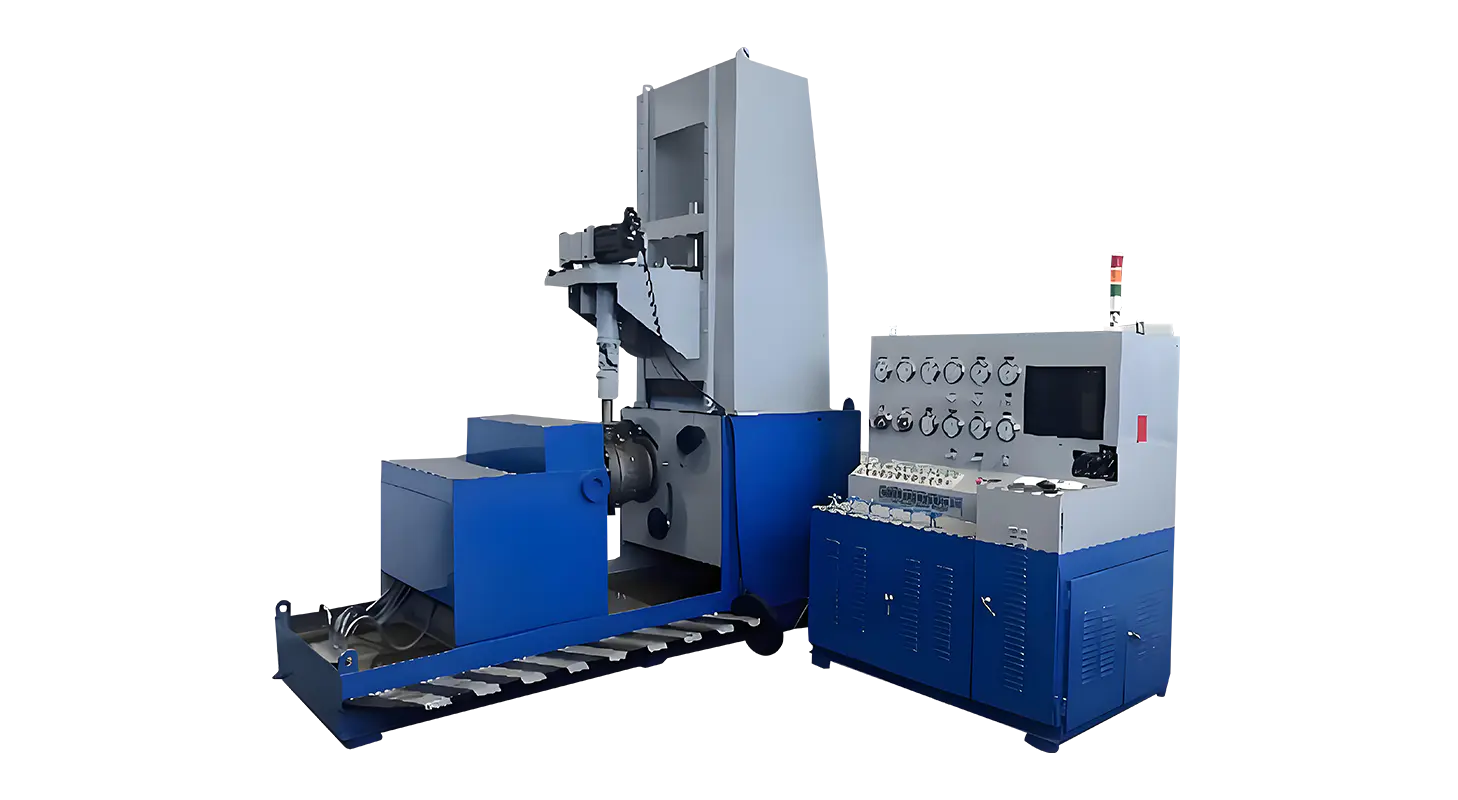
A valve test bench is designed to simulate real working conditions so that different types of hydraulic valves can be evaluated under controlled environments. Instead of relying on visual inspection or limited sampling, manufacturers can use these systems to assess pressure resistance, sealing capability, flow characteristics, and response behavior.
Within a production line, testing equipment is often positioned after assembly but before packaging. This placement ensures that any inconsistencies introduced during machining or assembly can be detected without affecting later stages. Compared with manual inspection methods, a hydraulic valve test bench provides repeatable test conditions, making it easier to compare results across batches.
Another practical advantage lies in data recording. Many modern systems integrate digital monitoring tools, allowing operators to store test results and trace product performance. This becomes particularly useful when addressing customer feedback or reviewing historical production data.
Inspection accuracy is not determined by a single factor but rather by the interaction of several measurable variables. Understanding these parameters helps operators make better use of the equipment and interpret results more effectively.
|
Parameter |
Description |
Impact on Testing Results |
|
Pressure Stability |
Ability to maintain consistent pressure during testing |
Affects repeatability of sealing and strength data |
|
Flow Measurement |
Monitoring flow rate through the valve |
Indicates internal structure consistency |
|
Leakage Detection |
Identifying internal or external leakage |
Directly linked to product quality |
|
Response Time |
Time taken for valve actuation |
Reflects mechanical and hydraulic coordination |
|
Temperature Control |
Managing oil temperature during testing |
Influences viscosity and test accuracy |
|
Sensor Calibration |
Accuracy of sensors used in measurement |
Ensures credibility of collected data |
When these parameters are carefully controlled, the valve test bench becomes a dependable tool for evaluating product performance in a consistent manner. However, improper calibration or unstable environmental conditions can still introduce deviations, making routine verification essential.
Improving inspection accuracy does not necessarily require complex upgrades; in many cases, adjustments to workflow and equipment usage can bring noticeable improvements.
Standardize test procedures
Establish clear testing steps for each valve type, including pressure ranges, holding time, and acceptable tolerance levels. This reduces variation between operators.
Regular calibration schedules
Sensors and gauges should be checked periodically to ensure measurement consistency. Even small deviations can accumulate over large production volumes.
Control hydraulic oil conditions
Oil cleanliness and temperature influence test outcomes. Filtration systems and temperature control units help maintain stable conditions.
Operator training
Ensuring that operators understand both the equipment and the purpose of each test improves the reliability of results.
Data comparison across batches
Reviewing historical data allows manufacturers to identify patterns and detect gradual changes in production quality.
As production lines become more automated, test benches are increasingly integrated with other equipment such as assembly machines and conveyor systems. This integration allows for continuous testing without interrupting workflow.
In automated environments, test benches often communicate with central control systems, enabling real-time monitoring and feedback. For example, if a valve fails to meet specified criteria, the system can automatically flag or remove the component from the line. This reduces the need for manual intervention and helps maintain consistent throughput.
Another consideration is compatibility with different valve types. Flexible fixtures and programmable test settings allow a single valve test bench to handle multiple product variations, which is particularly useful for manufacturers handling customized orders.
Maintaining consistent performance over time requires attention to both mechanical and hydraulic components of the test bench. Wear in seals, contamination in hydraulic oil, and sensor drift can all affect measurement accuracy.
Routine inspection of pipelines, connectors, and seals helps prevent leakage within the testing system itself. In addition, software updates and periodic system checks ensure that data acquisition modules continue to function as expected.
Environmental factors should not be overlooked. Temperature fluctuations in the workshop can influence hydraulic oil properties, which in turn affects test results. Implementing basic environmental controls can contribute to more stable testing conditions.
Hydraulic valve test benches are commonly used for directional valves, pressure control valves, flow control valves, and check valves. The exact range depends on fixture design and system configuration.
Calibration frequency depends on usage and industry requirements, but many manufacturers perform checks monthly or quarterly to maintain measurement consistency.
Yes, with adjustable fixtures and adaptable test programs, a single system can accommodate various valve sizes and specifications.
Related Products
Contact us
Address
Sanqiao Industrial Zone, Oubei, Yongjia County, Zhejiang Province, China
Phone
+86-13676520568
Telephone number
+86-13676520568
Fax
products
Quick Links
QR CODE