English
 русский
 عربى
عربى
Get in touch
Get in touch
Apr 03, 2026
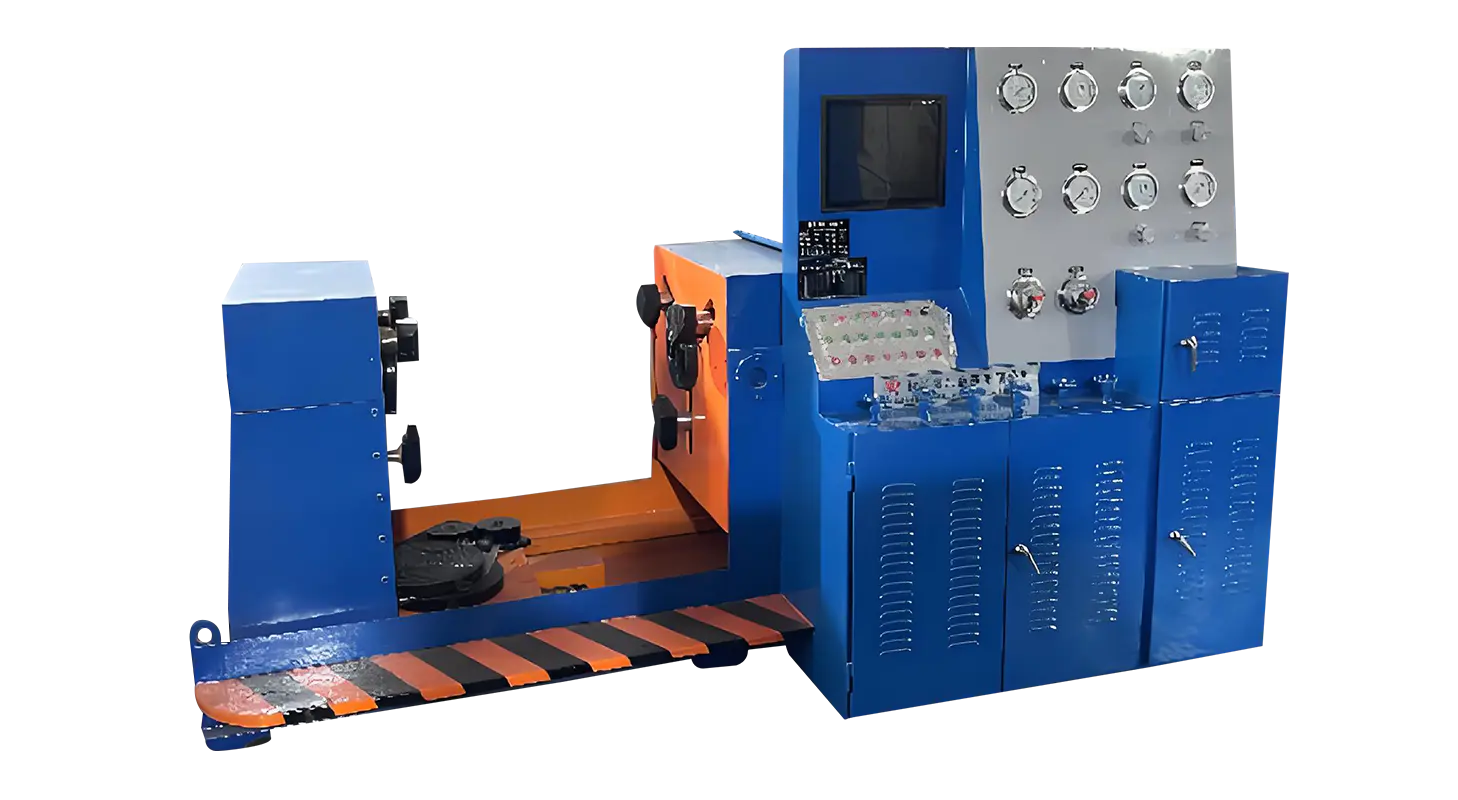
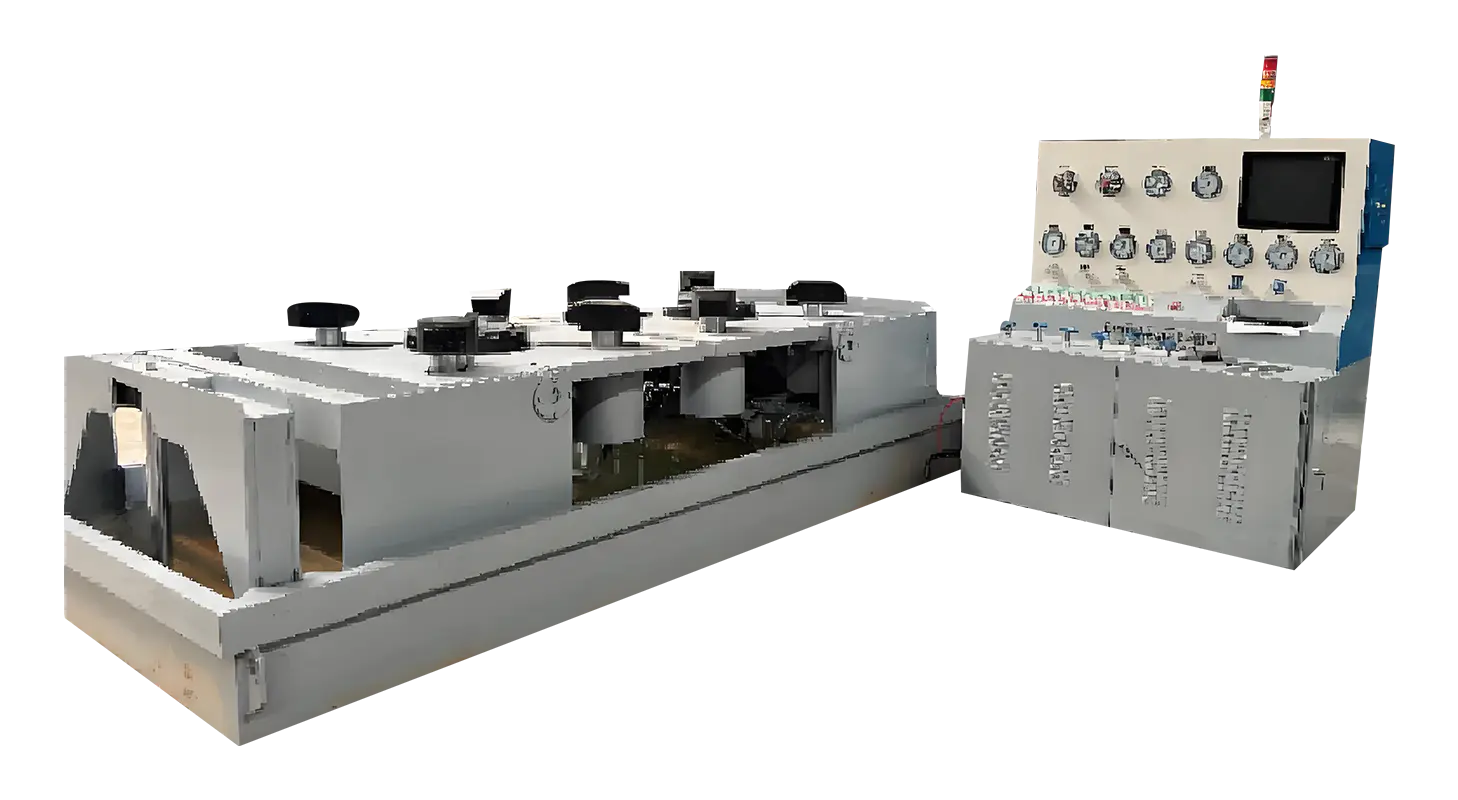
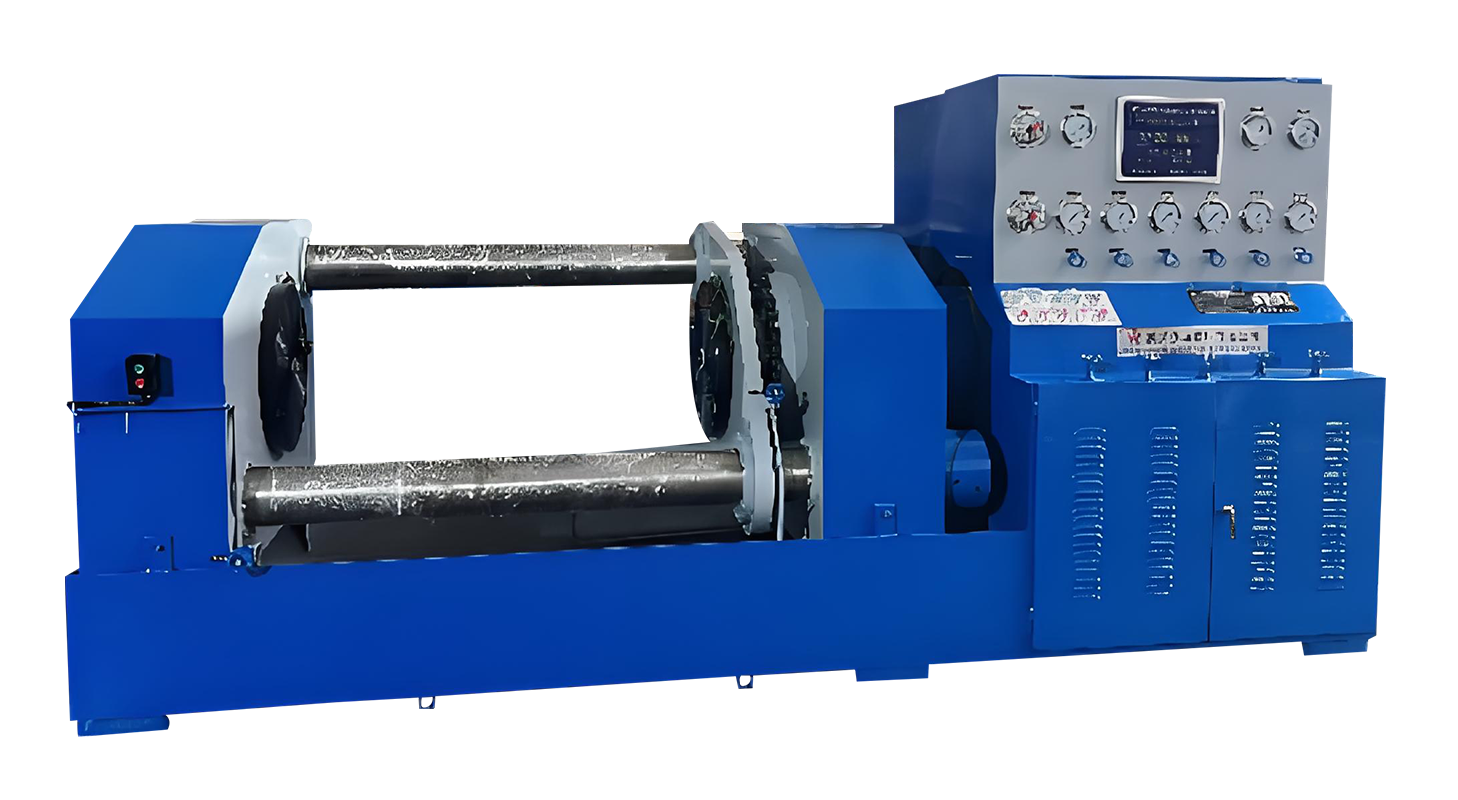
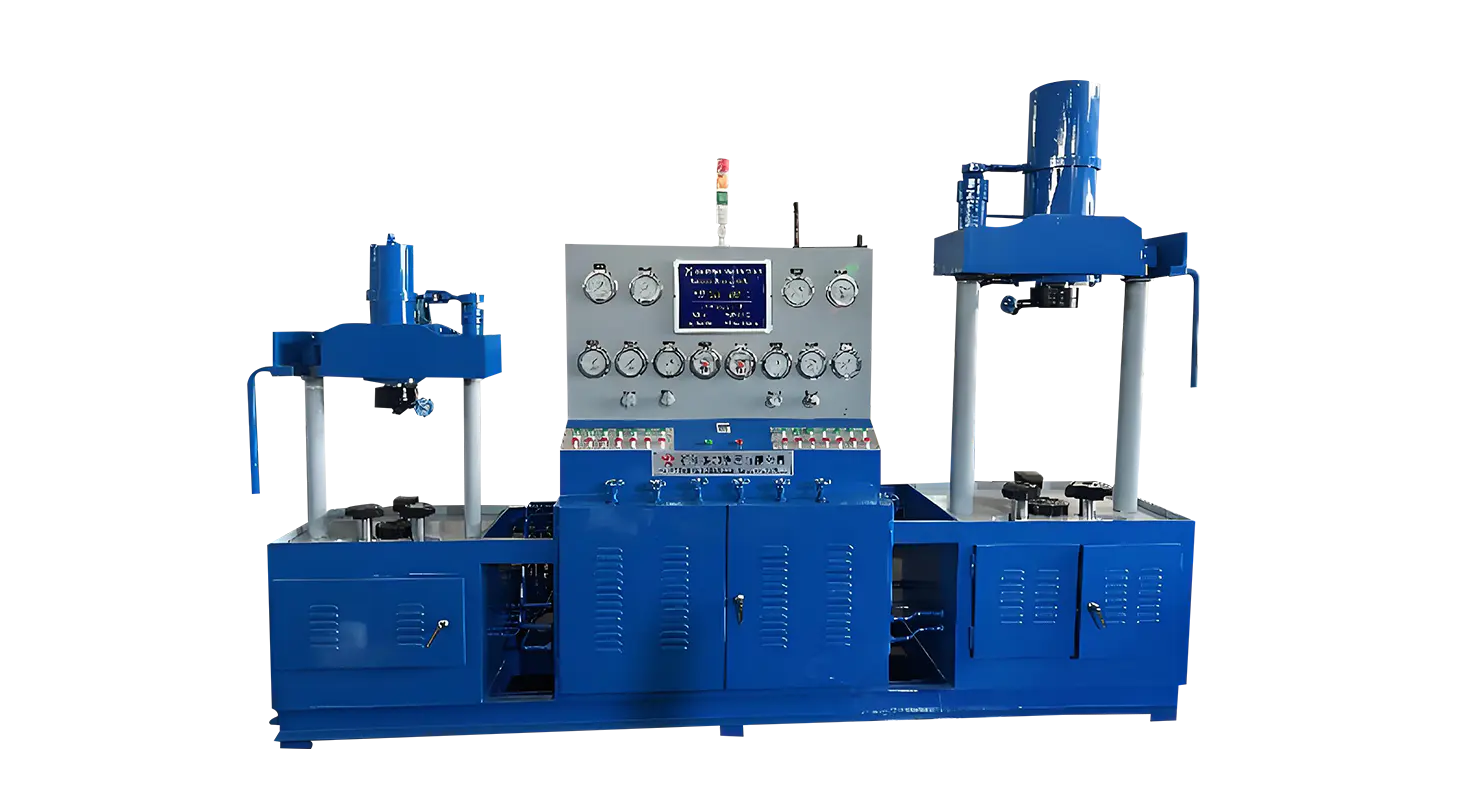
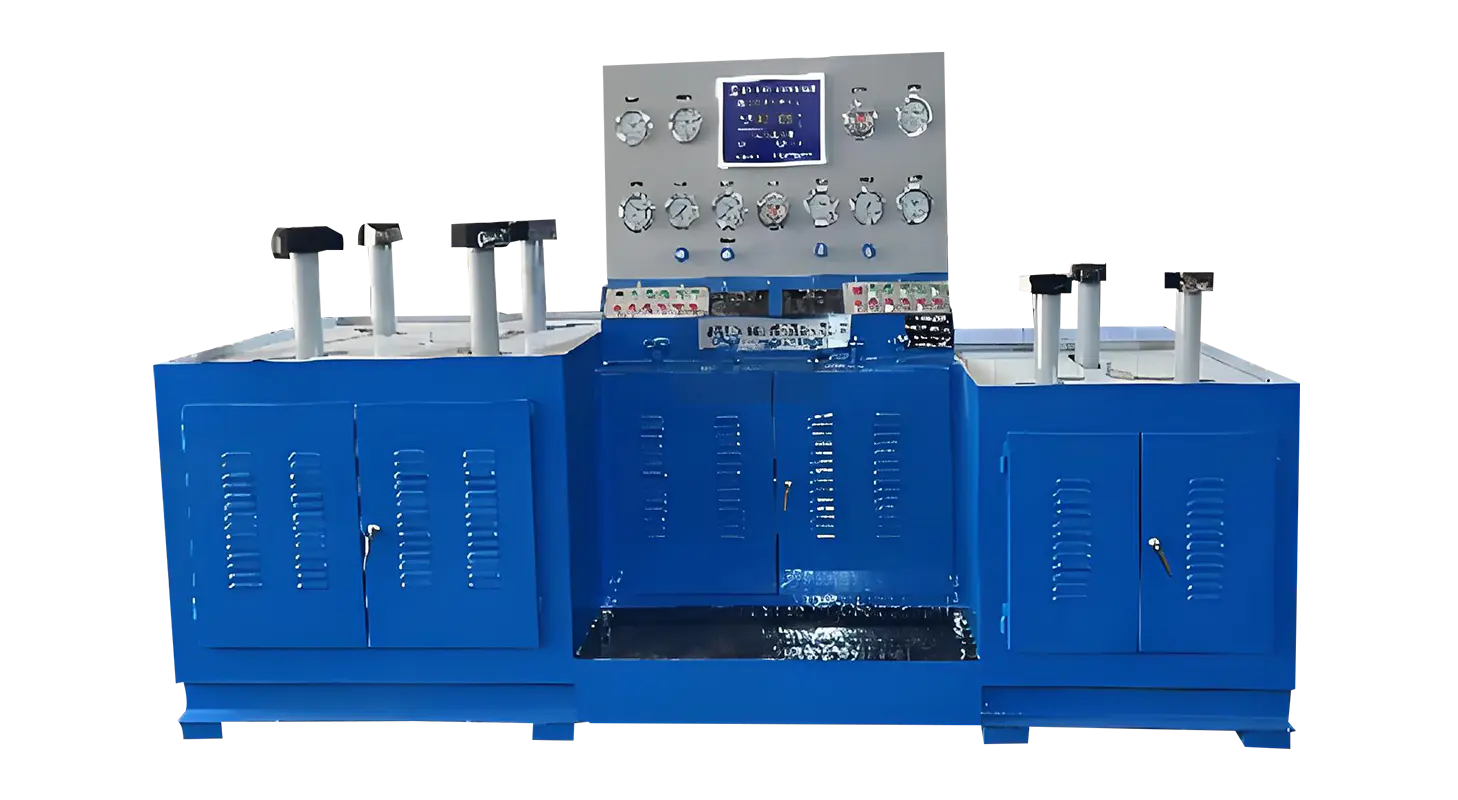
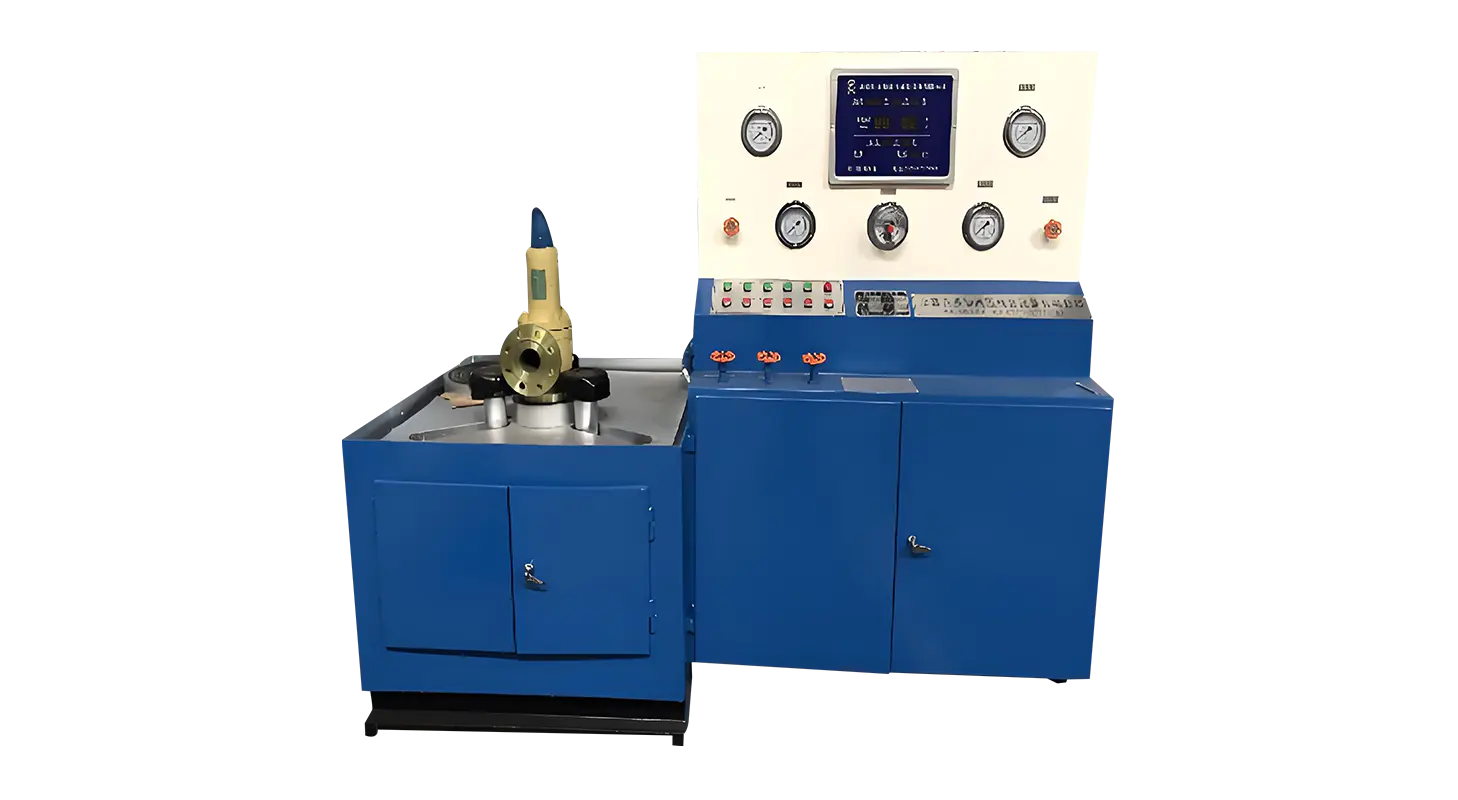
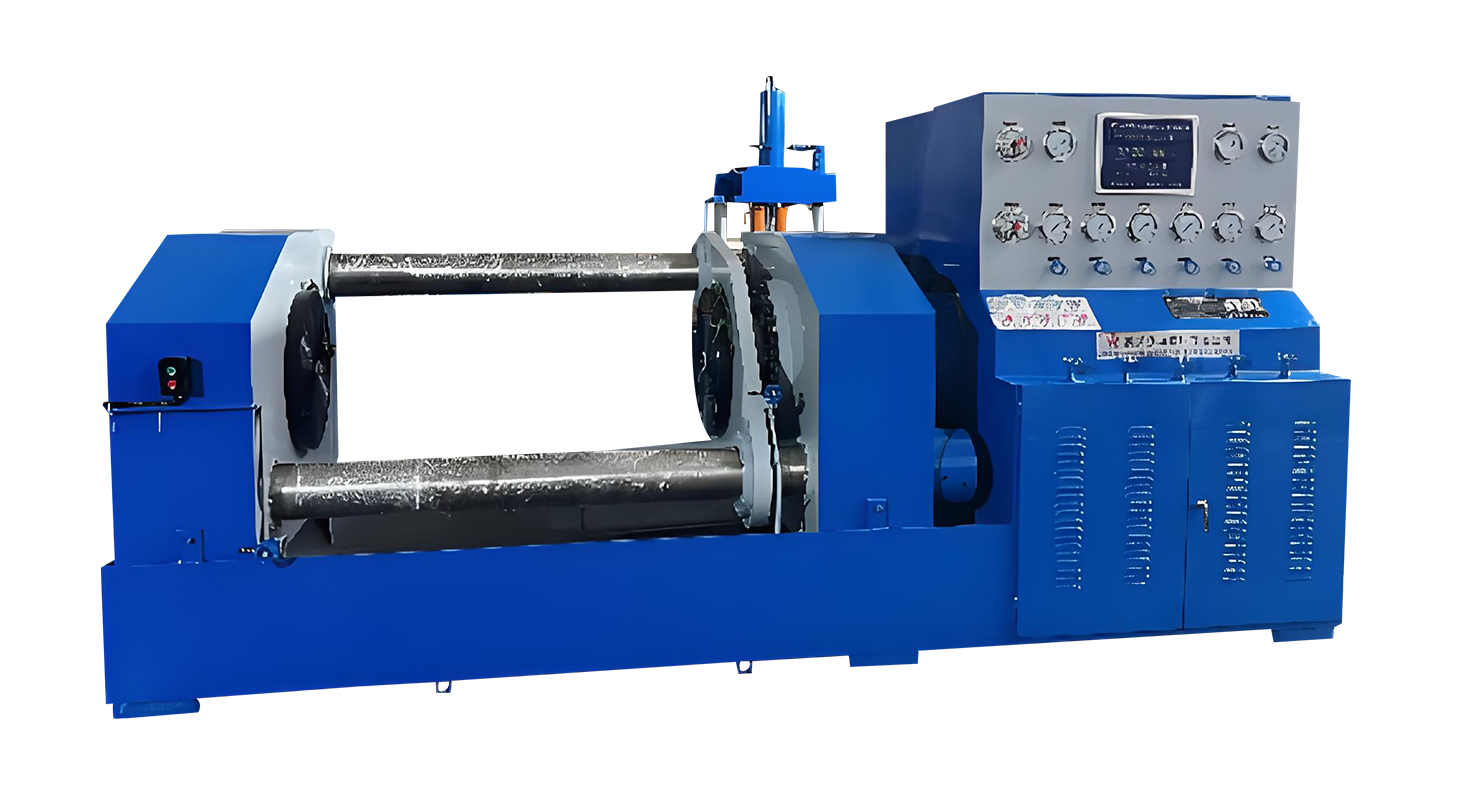
Energy efficiency in industrial systems depends heavily on precise control of pressure, flow, and fluid containment. Even small deviations in valve performance can influence system stability and energy usage over time. A Relief Valve Test Bench and a Ball Valve Test Bench are essential tools used to verify valve operation before installation and during maintenance. These test benches help ensure that valves open, close, and seal according to system requirements, supporting stable pressure conditions that contribute to consistent energy consumption. When valves perform within defined parameters, pumps, compressors, and other equipment can operate without unnecessary load or compensation, which helps maintain balanced energy use across the system.
Relief valves are designed to release pressure when it exceeds specific limits, protecting pipelines, tanks, and equipment from excessive stress. If a relief valve activates too early, it may release pressure unnecessarily, causing pumps or compressors to work more frequently to restore system pressure. If it activates too late, pressure buildup can increase mechanical resistance and energy demand within the system.
A relief valve test bench allows technicians to verify the exact pressure at which the valve opens and closes. By applying controlled pressure and monitoring valve response, the test bench confirms that the valve activates within the intended range. This helps maintain pressure stability throughout the system.
When pressure remains within defined operating conditions, energy-consuming equipment such as pumps and compressors can function without frequent pressure correction cycles. This supports consistent system operation and helps prevent unnecessary energy consumption associated with pressure instability.
Ball valve testing also supports pressure balance by confirming sealing integrity. Proper sealing ensures that system pressure is maintained without gradual loss, reducing the need for energy-consuming pressure compensation.
Pressure leakage is one of the hidden factors that can affect energy efficiency. When valves do not seal properly, pressurized fluid or gas may escape slowly, requiring pumps or compressors to operate more often to maintain system pressure.
A ball valve test bench allows technicians to verify sealing performance by applying pressure and monitoring for leakage. This helps identify valves that may allow pressure loss due to seal wear, contamination, or alignment issues.
Relief valve test benches also help detect leakage by verifying resealing performance after pressure release. A relief valve that does not reseal properly may allow continuous pressure escape, affecting system efficiency.
Energy-consuming equipment such as pumps, compressors, and hydraulic systems depend on stable pressure conditions to operate efficiently. When valves do not function correctly, pressure fluctuations can cause equipment to adjust output frequently, increasing energy consumption.
A relief valve test bench helps confirm that pressure release occurs at the correct level, preventing excessive pressure buildup that may increase mechanical resistance. This helps pumps and compressors operate within expected load ranges.
Ball valve test benches verify isolation performance, ensuring that pressure remains stable within system sections. When isolation valves function correctly, pressure can be maintained where needed without affecting other parts of the system.
Testing valves before installation and during maintenance helps maintain consistent operating conditions for energy-consuming equipment.
Valve test benches contribute to energy efficiency in several practical maintenance and operational situations:
Testing ensures valves maintain pressure stability and sealing integrity.
Testing identifies wear or leakage that could affect system pressure control.
Testing verifies that maintenance work restored correct valve function.
Testing helps identify valves contributing to pressure loss or instability.
Testing confirms valve readiness and supports stable system startup.
These applications allow operators to address valve performance issues that may influence system energy usage.
Related Products
Contact us
Address
Sanqiao Industrial Zone, Oubei, Yongjia County, Zhejiang Province, China
Phone
+86-13676520568
Telephone number
+86-13676520568
Fax
products
Quick Links
QR CODE