English
 русский
 عربى
عربى
Get in touch
Get in touch
Mar 25, 2026
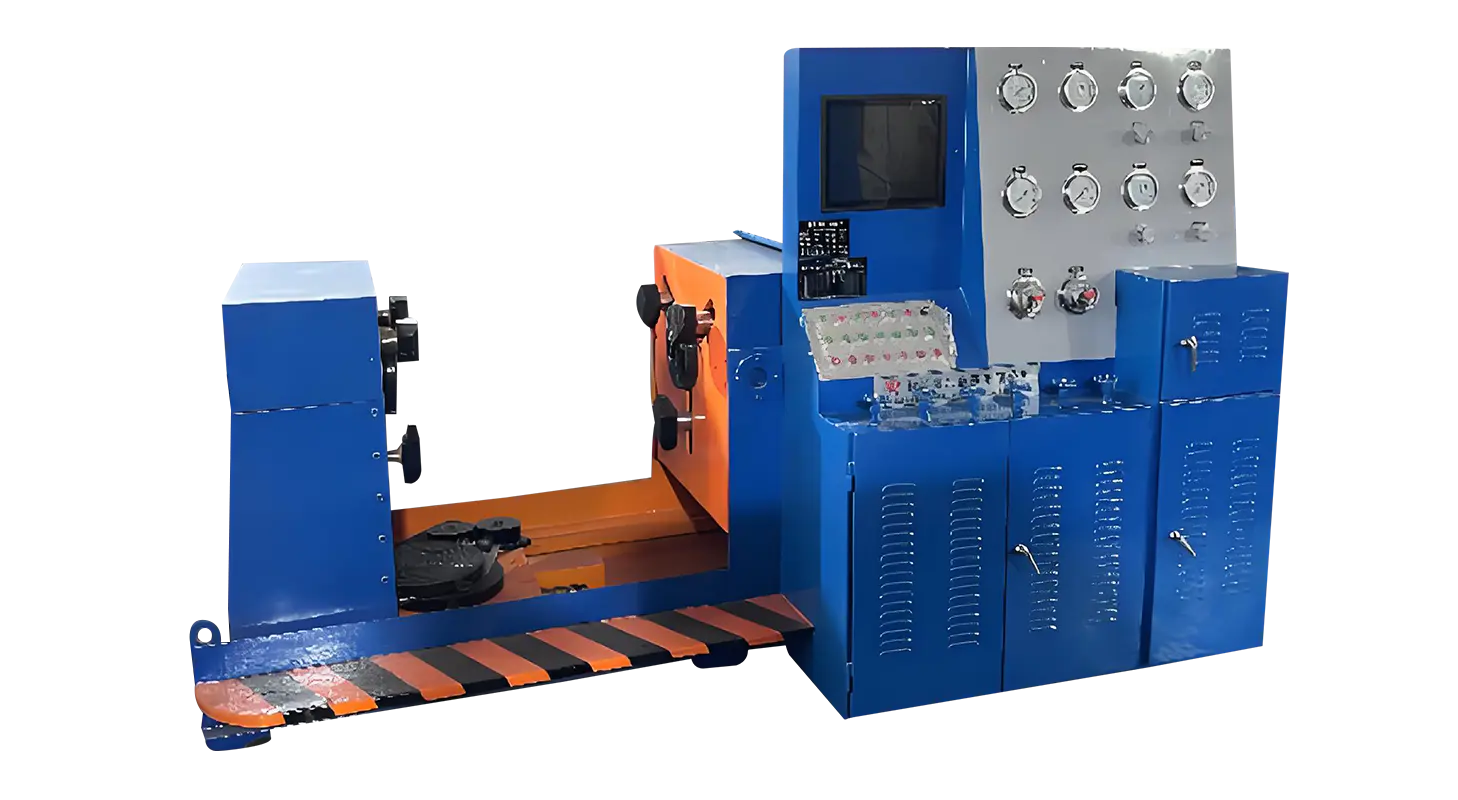
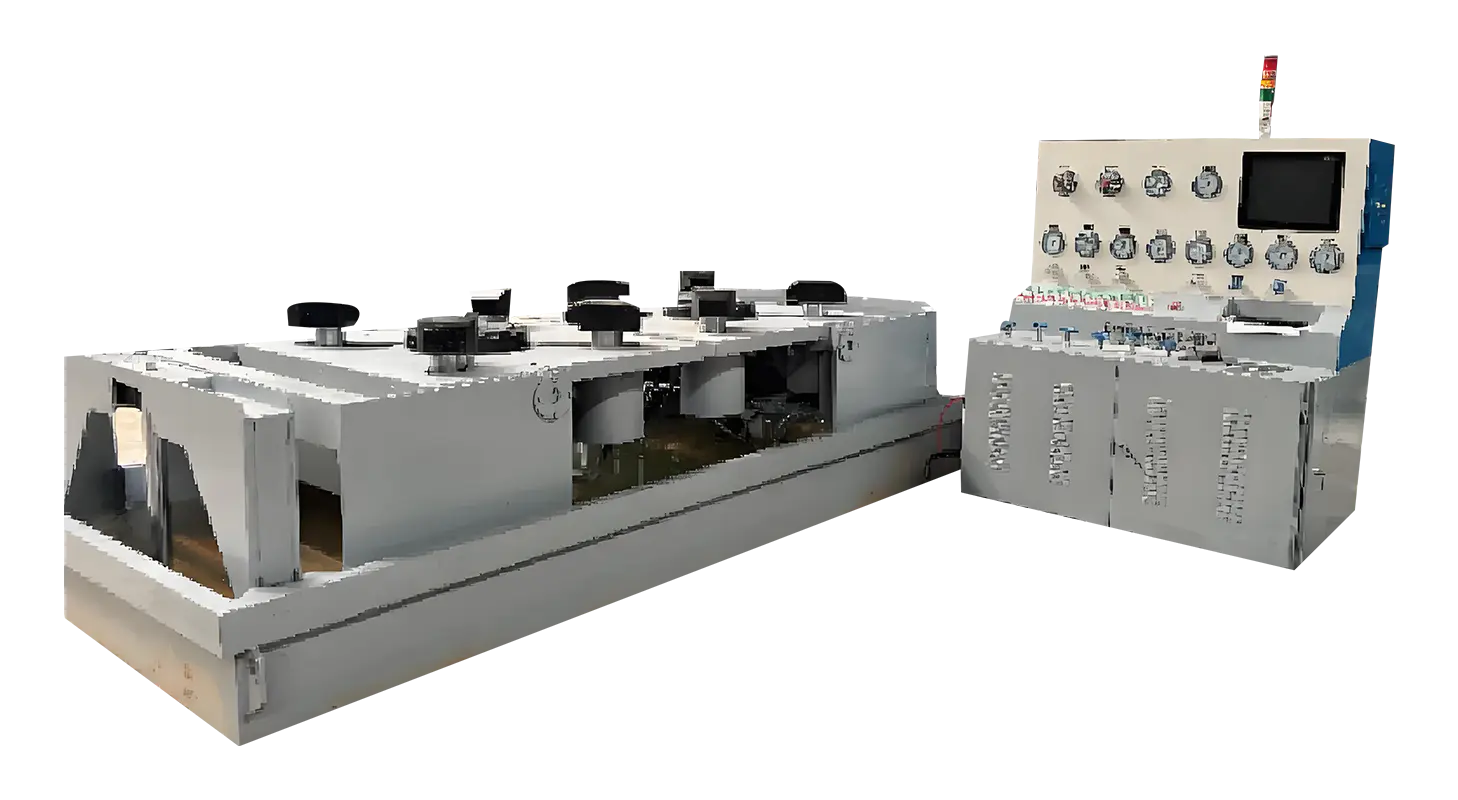
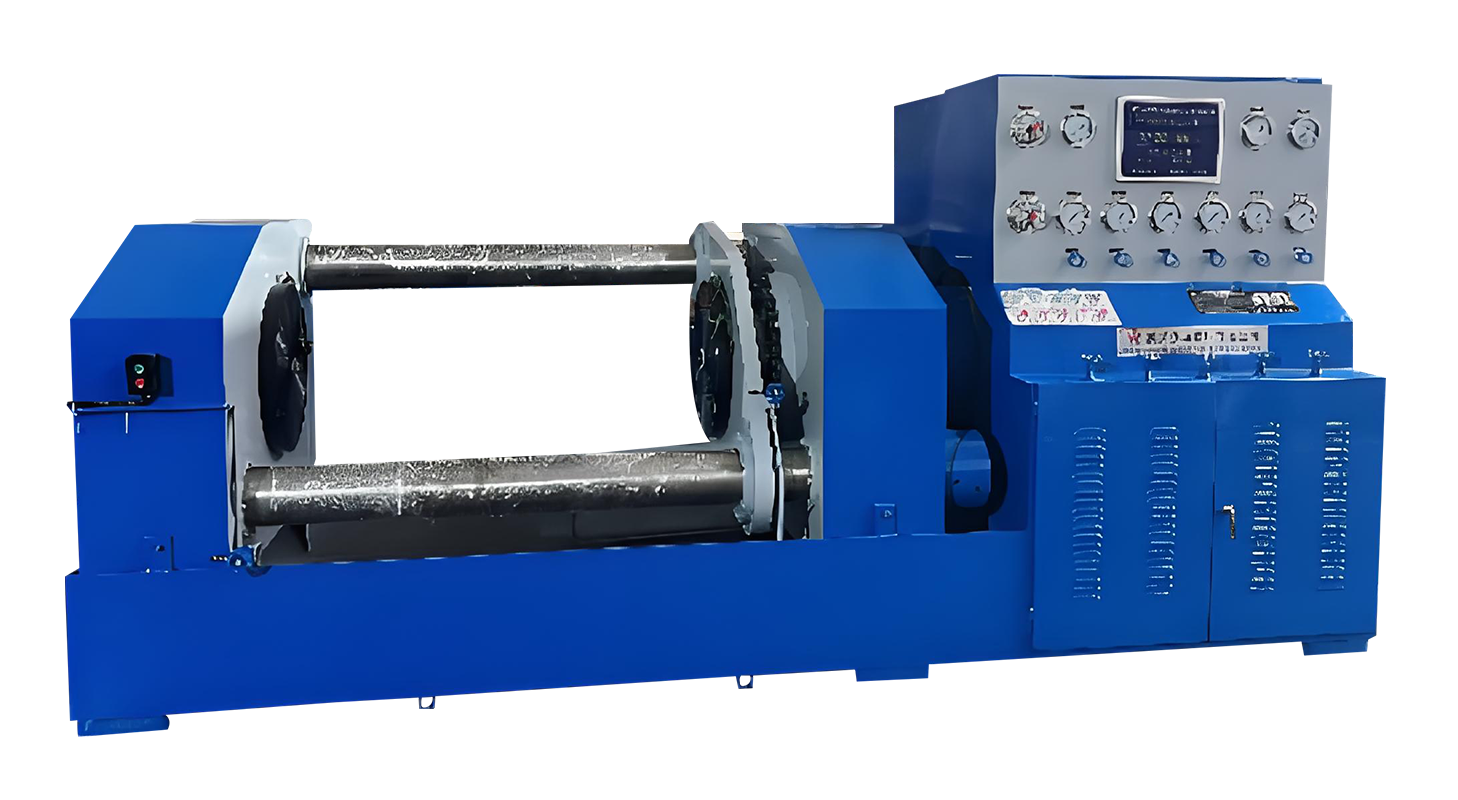
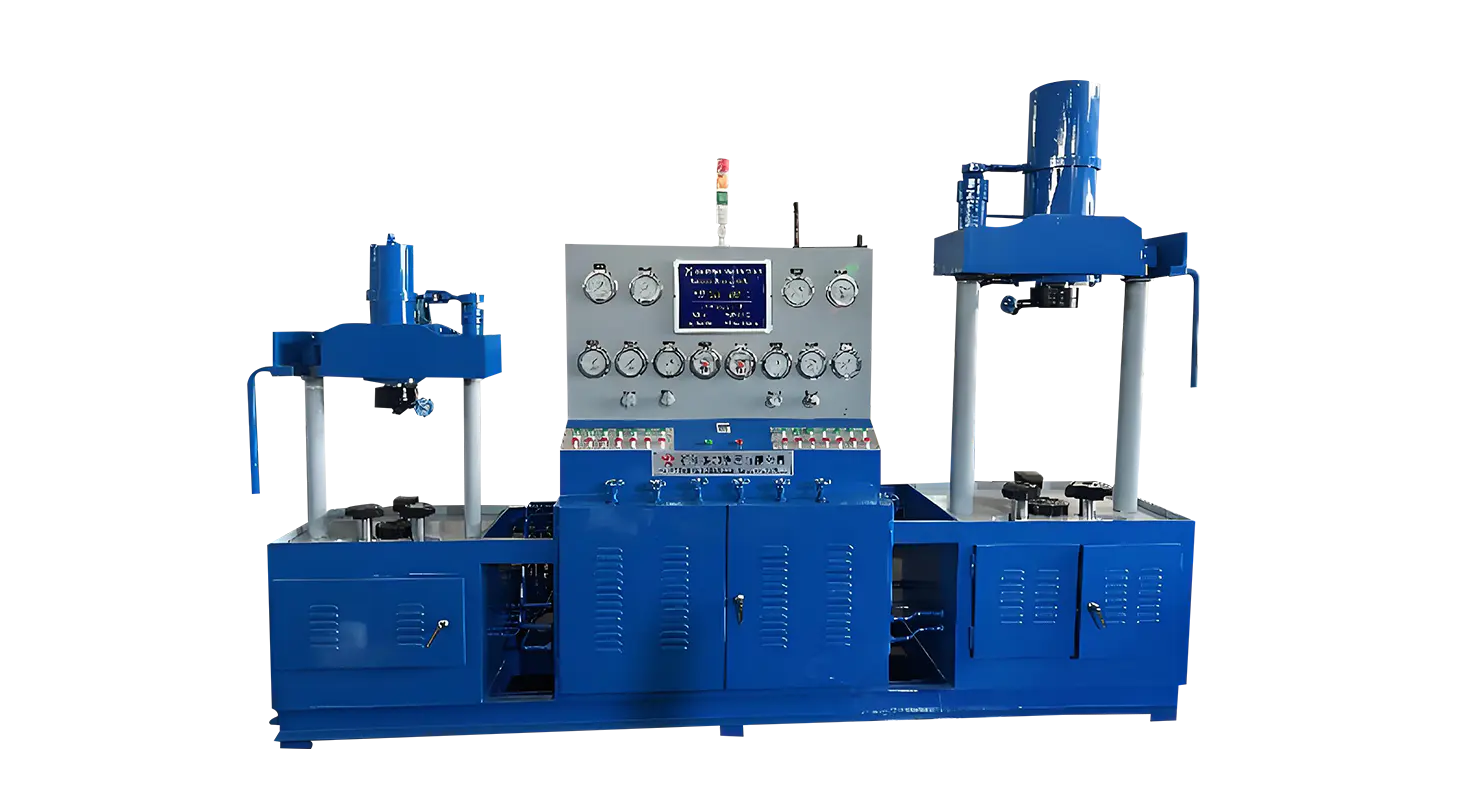
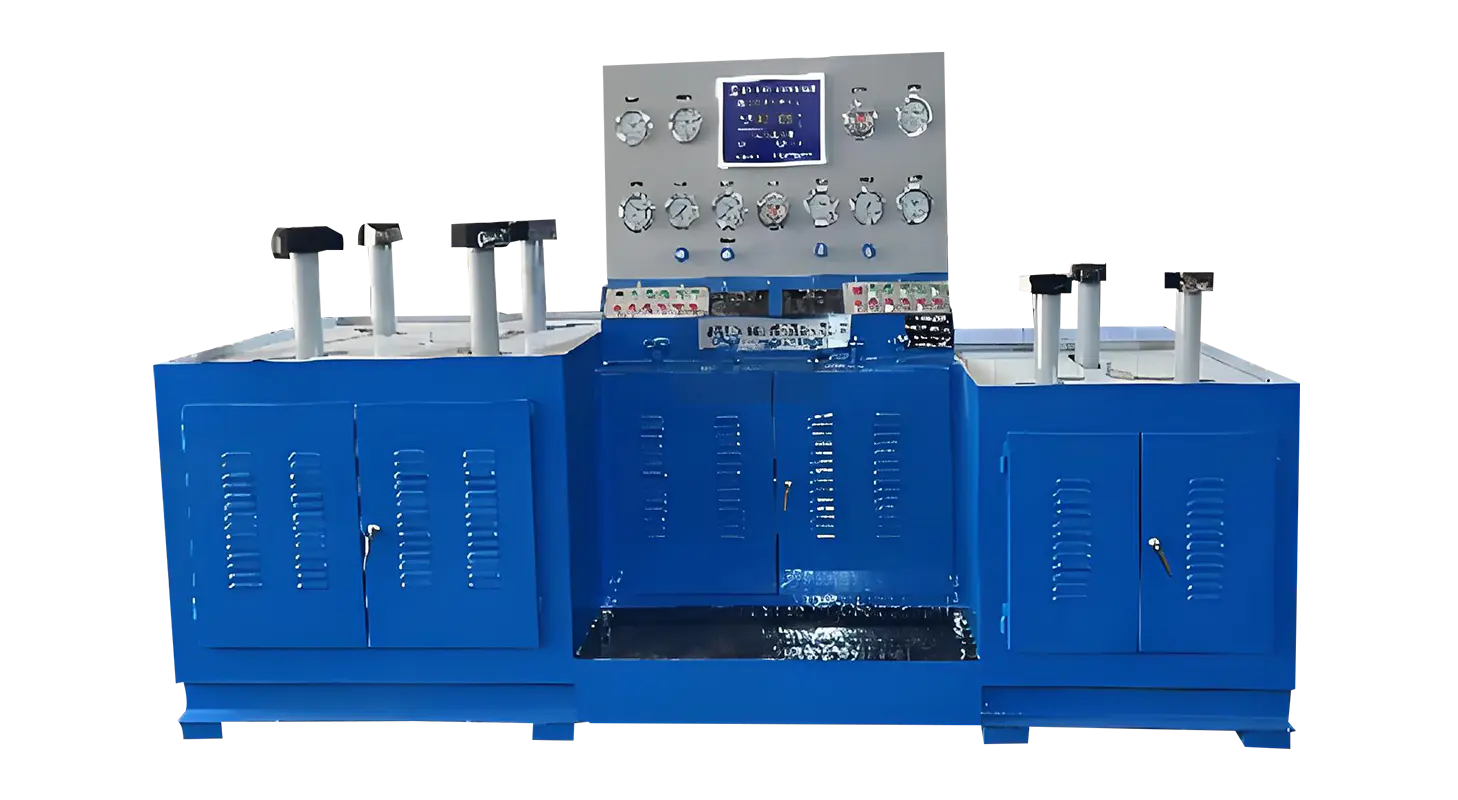
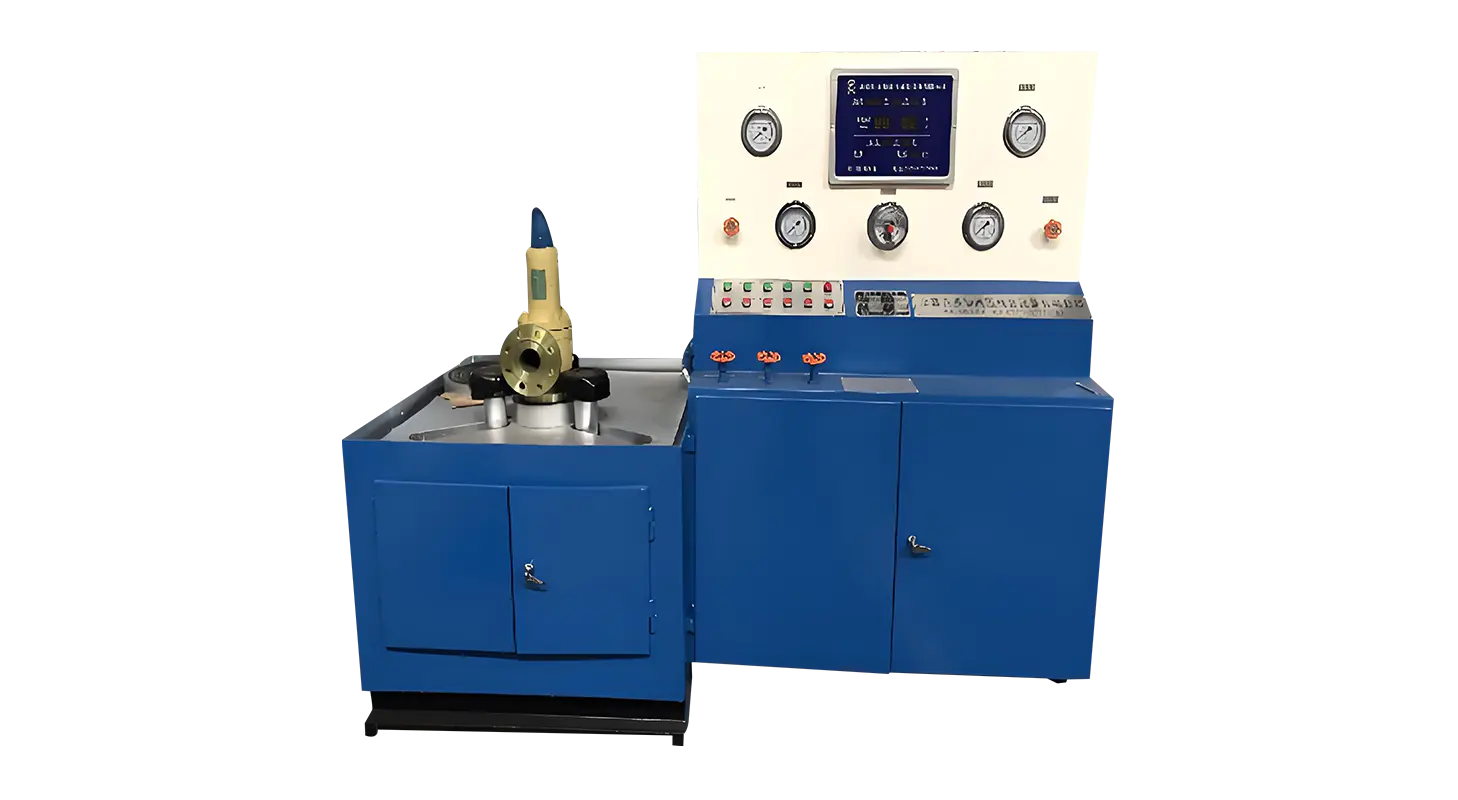
Automated production lines depend on consistent component performance to maintain continuous operation and predictable output. Within these systems, valves control fluid flow, isolate process stages, and protect equipment from pressure-related problems. A Ball Valve Test Bench and a Relief Valve Test Bench are used to verify valve sealing, pressure resistance, and functional response before valves are installed or reintroduced into automated systems. These test benches provide controlled testing environments where valves can be evaluated under simulated working conditions, helping production teams identify potential performance concerns before they affect automated processes.
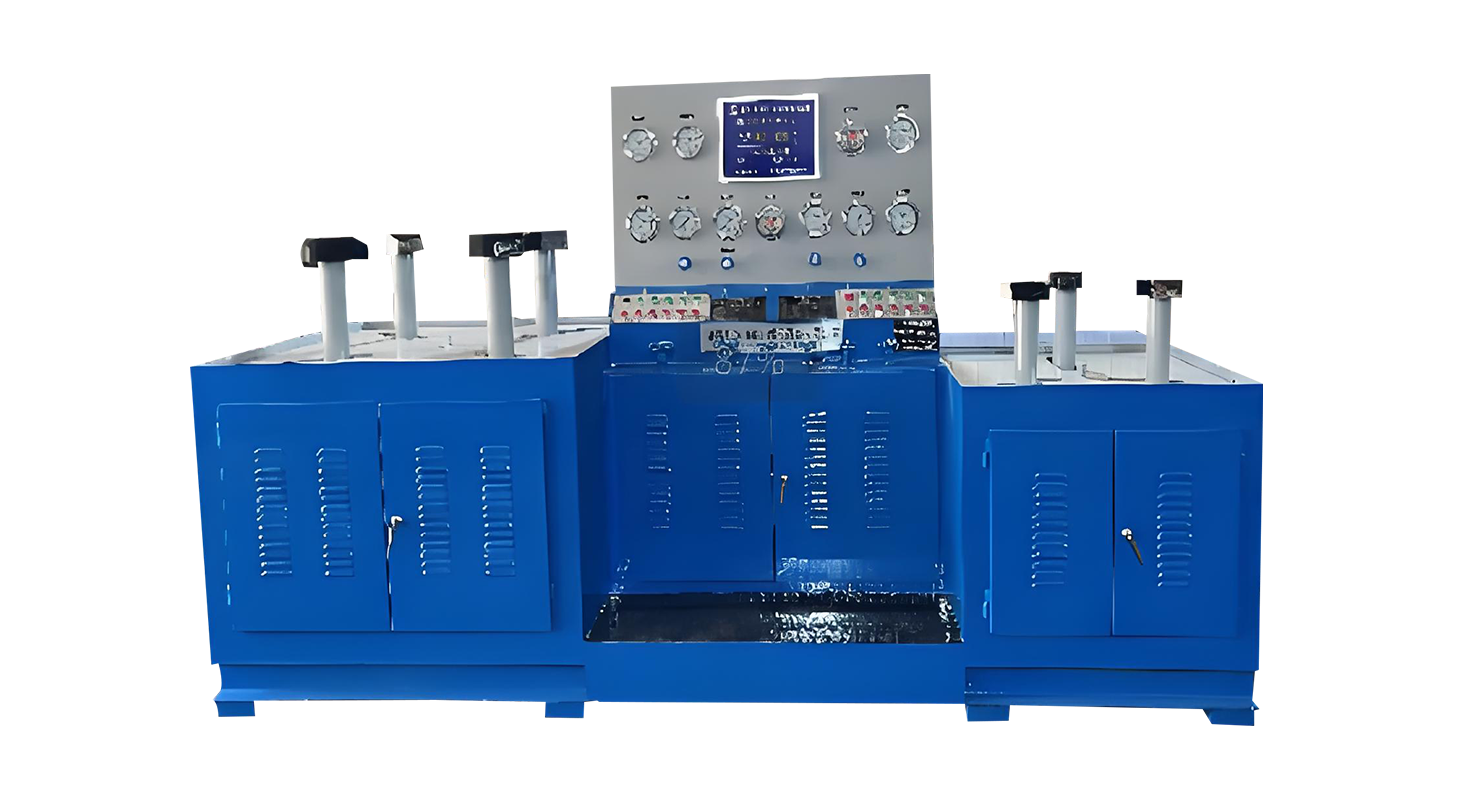
When automated production lines are assembled, valves are installed as part of fluid control systems, hydraulic circuits, cooling systems, or compressed air networks. Even when valves are newly manufactured, testing them before installation provides confirmation that they meet required performance parameters.
A ball valve test bench allows technicians to verify that the valve maintains sealing integrity under pressure. This is important because automated production systems often operate continuously, and even minor leakage can affect process stability. Testing confirms that internal sealing surfaces function correctly and that the valve can withstand operating pressure.
Relief valve test benches are used to verify activation pressure and resealing performance before installation. Relief valves protect automated systems by releasing pressure when it exceeds defined thresholds. Testing ensures that pressure release occurs within the intended range and that the valve reseals properly after activation.
Performing these tests before installation reduces the likelihood of production interruptions caused by valve-related issues discovered after the system becomes operational.
Automated production lines that manufacture valves often include test benches as part of the assembly and inspection workflow. Testing during production allows manufacturers to verify that each valve meets design specifications before it moves to packaging or shipment.
Ball valve testing verifies sealing performance and pressure tolerance after assembly. This step confirms that machining accuracy, seal installation, and assembly procedures produce consistent results. Automated production environments benefit from this verification because it helps maintain uniform product quality.
Relief valve testing verifies pressure activation behavior and resealing performance after assembly. Testing ensures that spring tension, sealing components, and mechanical alignment function as expected.
Integrating test benches into production lines allows automated inspection data to be collected and stored electronically, supporting traceability and quality control.
Pressure fluctuations, unexpected leakage, or irregular system performance in automated production lines may indicate valve-related issues. Removing and testing valves using a ball valve test bench allows technicians to determine whether sealing performance has been affected by wear, contamination, or mechanical stress.
Relief valve test benches allow maintenance personnel to verify whether pressure release mechanisms are functioning correctly. If relief valves activate too early or too late, system pressure control may become inconsistent.
Testing valves outside the automated system provides clear diagnostic information. This allows maintenance teams to identify whether valves require cleaning, repair, adjustment, or replacement, helping restore system stability.
Preventive maintenance programs help ensure continuous operation by inspecting system components at scheduled intervals. Valve testing is an important part of these maintenance routines.
A ball valve test bench allows technicians to evaluate sealing condition and pressure tolerance. Over time, repeated operation, pressure cycles, and environmental exposure can affect valve performance. Testing provides measurable data that helps maintenance teams determine whether valves remain suitable for continued use.
Relief valve test benches allow verification of pressure activation settings. Springs and sealing elements may change over time, affecting pressure response. Testing confirms whether relief valves continue to operate within defined parameters.
Preventive testing supports maintenance planning and helps avoid unexpected downtime caused by valve malfunction.
Related Products
Contact us
Address
Sanqiao Industrial Zone, Oubei, Yongjia County, Zhejiang Province, China
Phone
+86-13676520568
Telephone number
+86-13676520568
Fax
products
Quick Links
QR CODE