English
 русский
 عربى
عربى
Get in touch
Get in touch
Mar 20, 2026
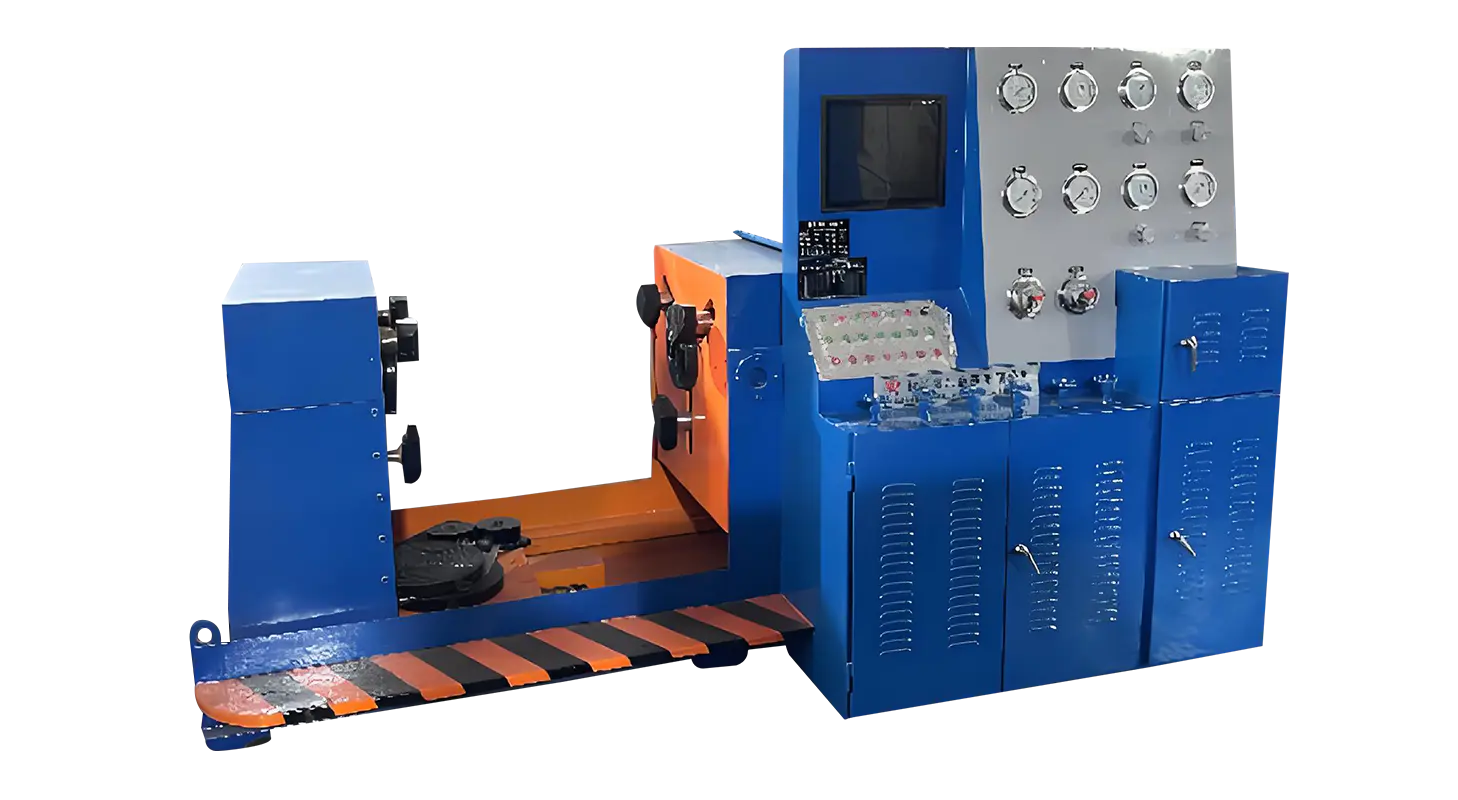
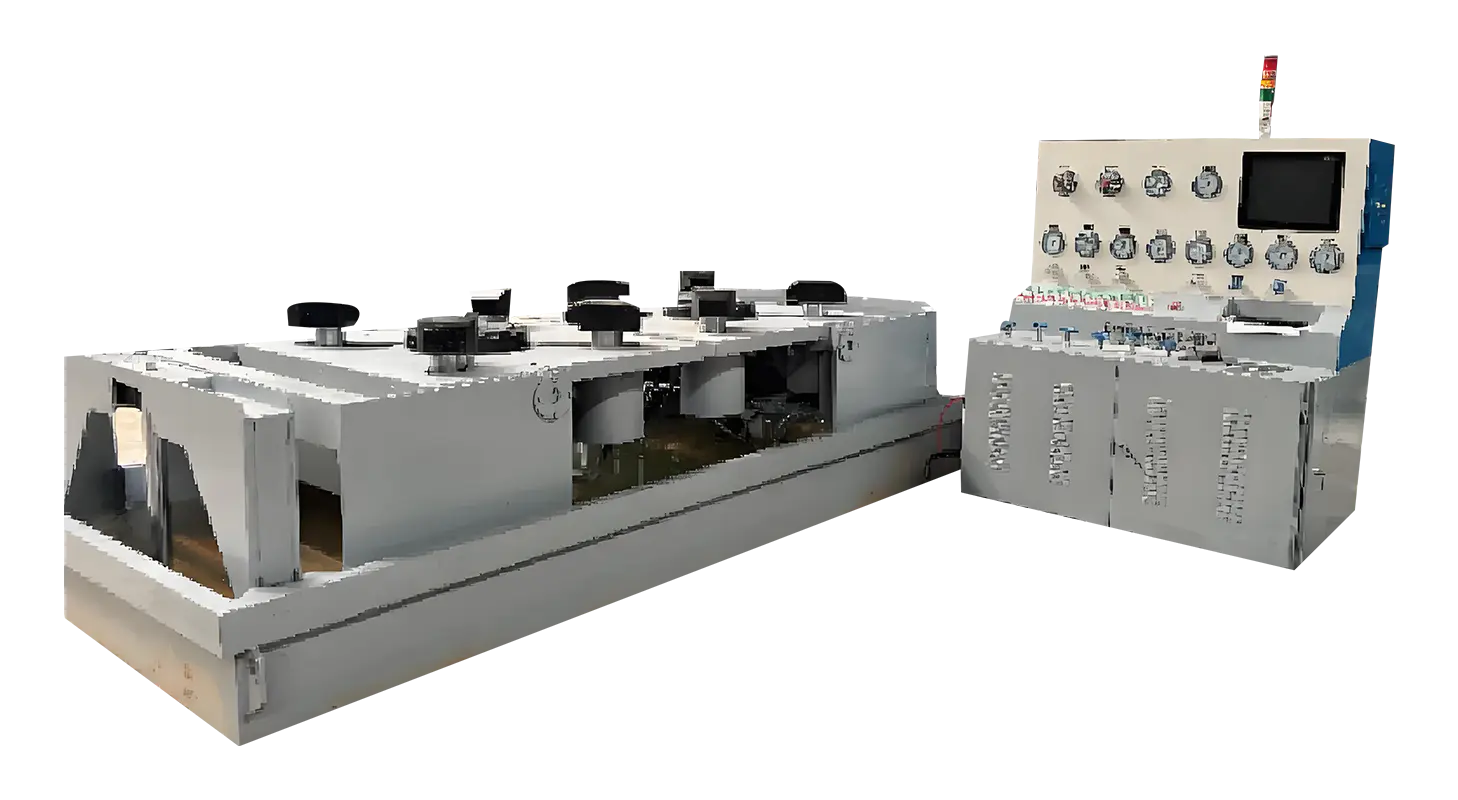
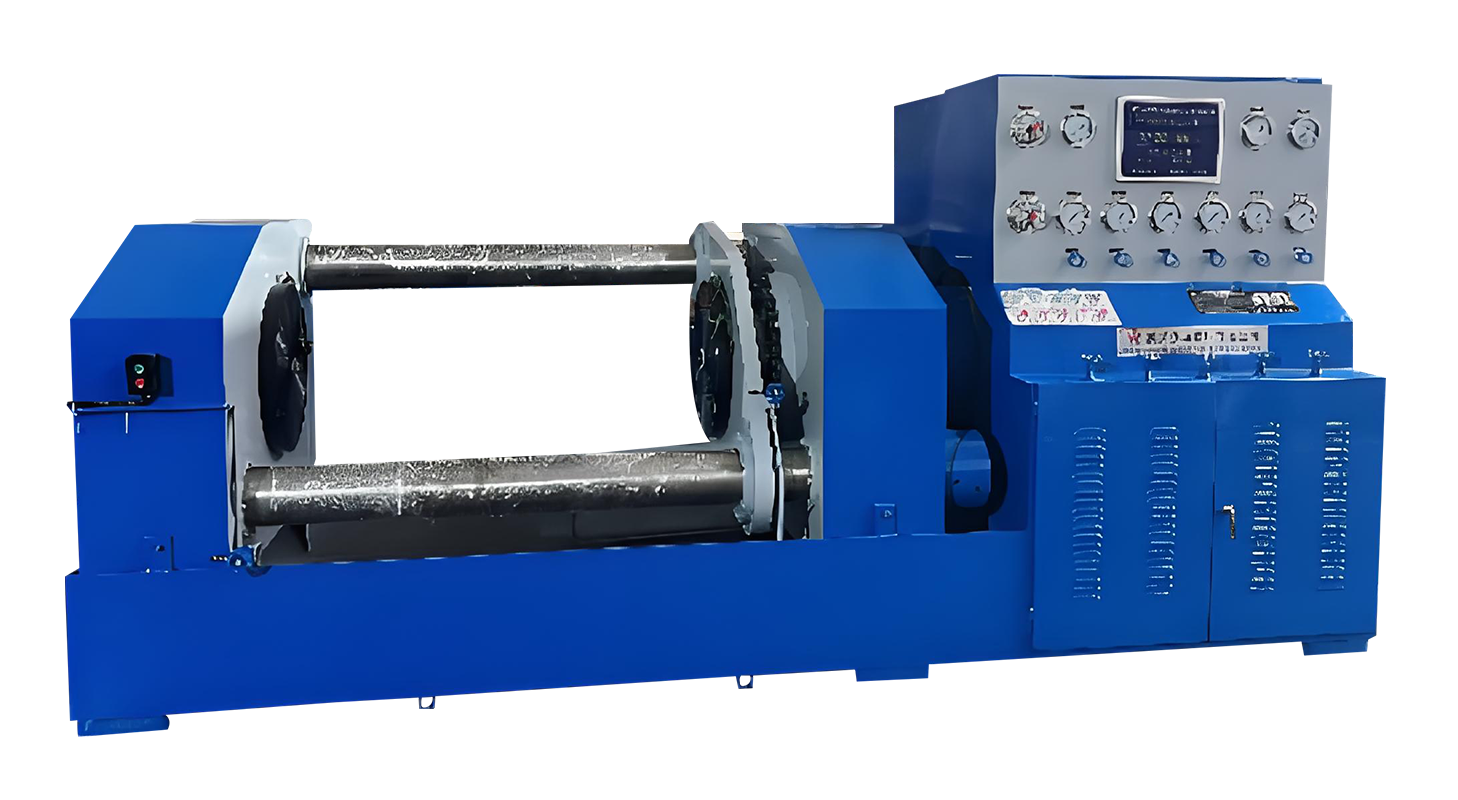
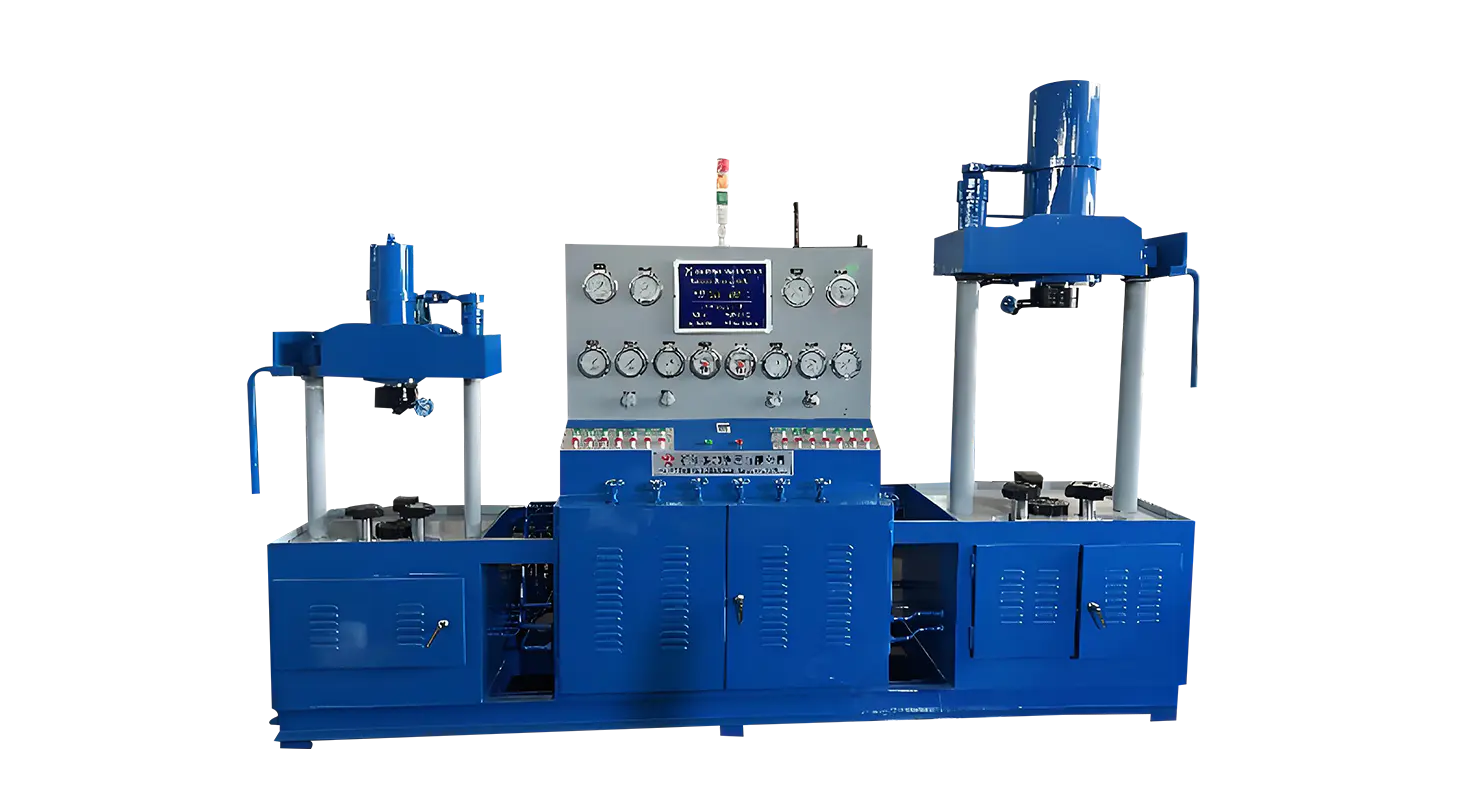
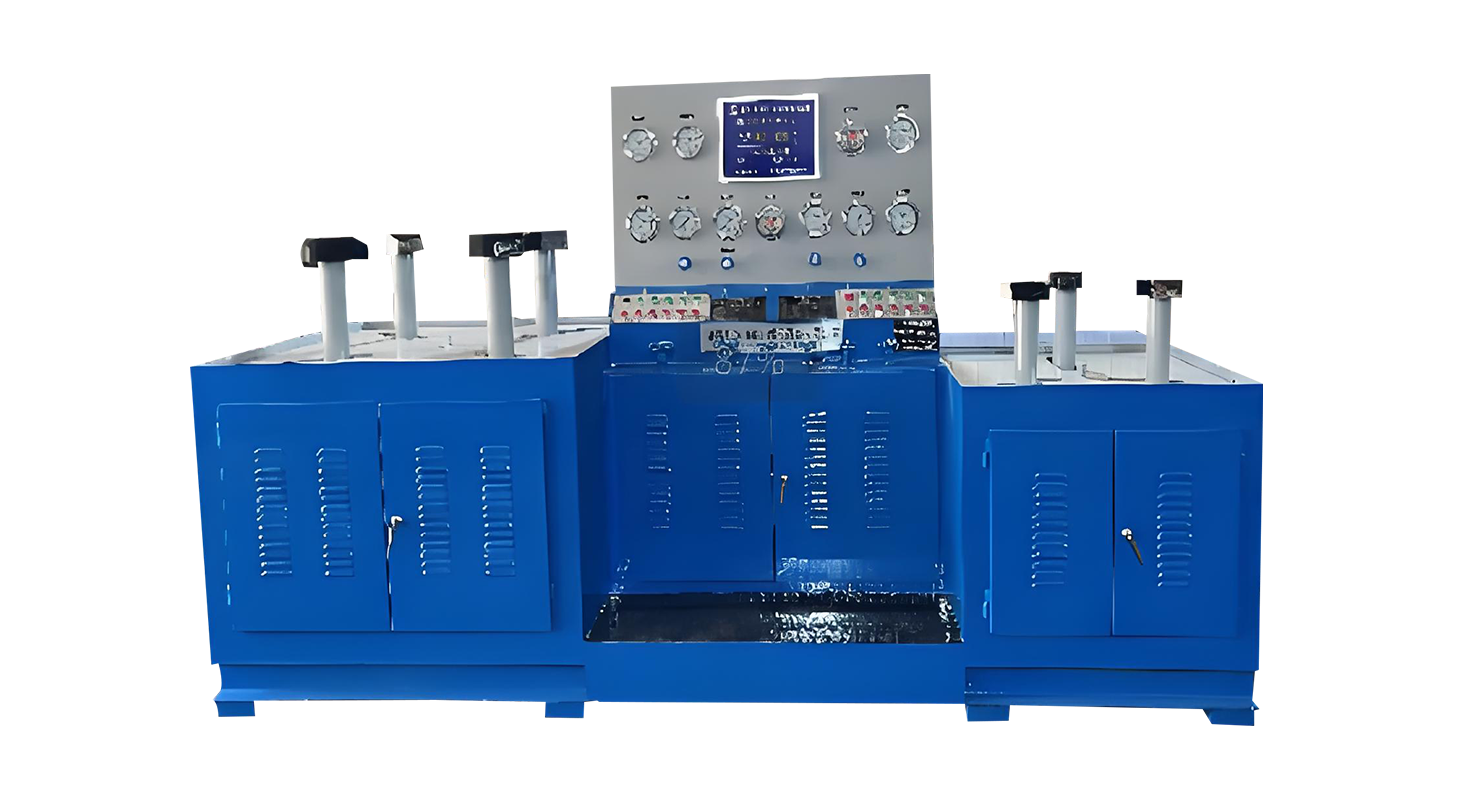
Unexpected shutdowns in industrial systems often originate from pressure control components that were not fully verified before installation or reinstallation. A Relief Valve Test Bench and a Ball Valve Test Bench allow maintenance teams to evaluate valve performance under controlled pressure conditions before returning them to service. These testing systems help identify sealing problems, incorrect pressure response, and structural wear early, allowing maintenance actions to be planned instead of reacting to system failures. By integrating valve testing into maintenance workflows, facilities can reduce downtime risks associated with pressure system faults and unplanned equipment stoppages.
During routine maintenance shutdowns, valves are often removed for inspection, cleaning, or replacement of internal components. After servicing, reinstalling valves without verifying their performance can introduce uncertainty into the system. Even minor assembly deviations, seal misalignment, or wear-related changes may affect valve behavior under pressure.
A relief valve test bench allows technicians to confirm that pressure release settings remain within defined parameters after maintenance. The test process applies controlled pressure to the valve while monitoring activation and resealing points. This ensures the valve responds correctly when pressure increases and returns to a closed state when pressure normalizes.
Similarly, a ball valve test bench verifies sealing integrity and pressure retention capability after maintenance work. Testing confirms that sealing surfaces are properly aligned and that no leakage occurs under pressure. This helps maintenance teams confirm that the valve is ready for operation before reinstalling it into pipelines or pressure vessels.
Preventive maintenance programs are designed to evaluate equipment condition before failures occur. Relief valves and ball valves play critical roles in controlling pressure and isolating system sections, making their performance verification an important part of routine inspections.
A relief valve test bench allows technicians to evaluate whether pressure activation settings remain consistent over time. Mechanical components such as springs and sealing elements can change due to repeated pressure cycles, temperature variation, or environmental exposure. Testing allows maintenance personnel to detect these changes before they affect system safety.
Ball valve testing also supports preventive maintenance by confirming sealing performance. Internal wear or debris accumulation may affect valve closure, which can result in leakage if not addressed. Testing provides measurable data that helps maintenance teams decide whether cleaning, repair, or replacement is necessary.
Preventive testing helps shift maintenance from reactive to planned actions, reducing unexpected downtime caused by valve-related problems.
Pressure systems occasionally experience abnormal conditions, such as pressure spikes, emergency shutdowns, or rapid pressure release events. These situations can place stress on relief valves and ball valves, potentially affecting their structural integrity or performance.
After such events, a relief valve test bench allows technicians to verify that the valve still activates at the intended pressure and reseals correctly. Pressure spikes may alter spring tension or seating surfaces, which can change activation behavior. Testing helps determine whether the valve can continue to operate safely.
Ball valve test benches are also useful after emergency conditions because pressure spikes can affect sealing surfaces or internal alignment. Testing verifies whether the valve can maintain pressure containment without leakage.
Evaluating valves after abnormal system events helps prevent secondary failures that could occur if compromised valves remain in service undetected.
Newly manufactured valves are typically tested during production, but additional verification before installation provides an extra level of assurance. Handling, transportation, and storage conditions can affect valve condition before installation.
A relief valve test bench allows technicians to verify activation pressure and resealing performance before commissioning. This ensures the valve meets system requirements and responds appropriately during operation.
Ball valve test benches verify sealing performance and pressure tolerance before installation. This step confirms that the valve maintains containment under expected operating pressure conditions.
Testing valves during commissioning helps avoid startup delays caused by unexpected valve issues discovered after installation.
Related Products
Contact us
Address
Sanqiao Industrial Zone, Oubei, Yongjia County, Zhejiang Province, China
Phone
+86-13676520568
Telephone number
+86-13676520568
Fax
products
Quick Links
QR CODE