English
 русский
 عربى
عربى
Get in touch
Get in touch
Mar 13, 2026
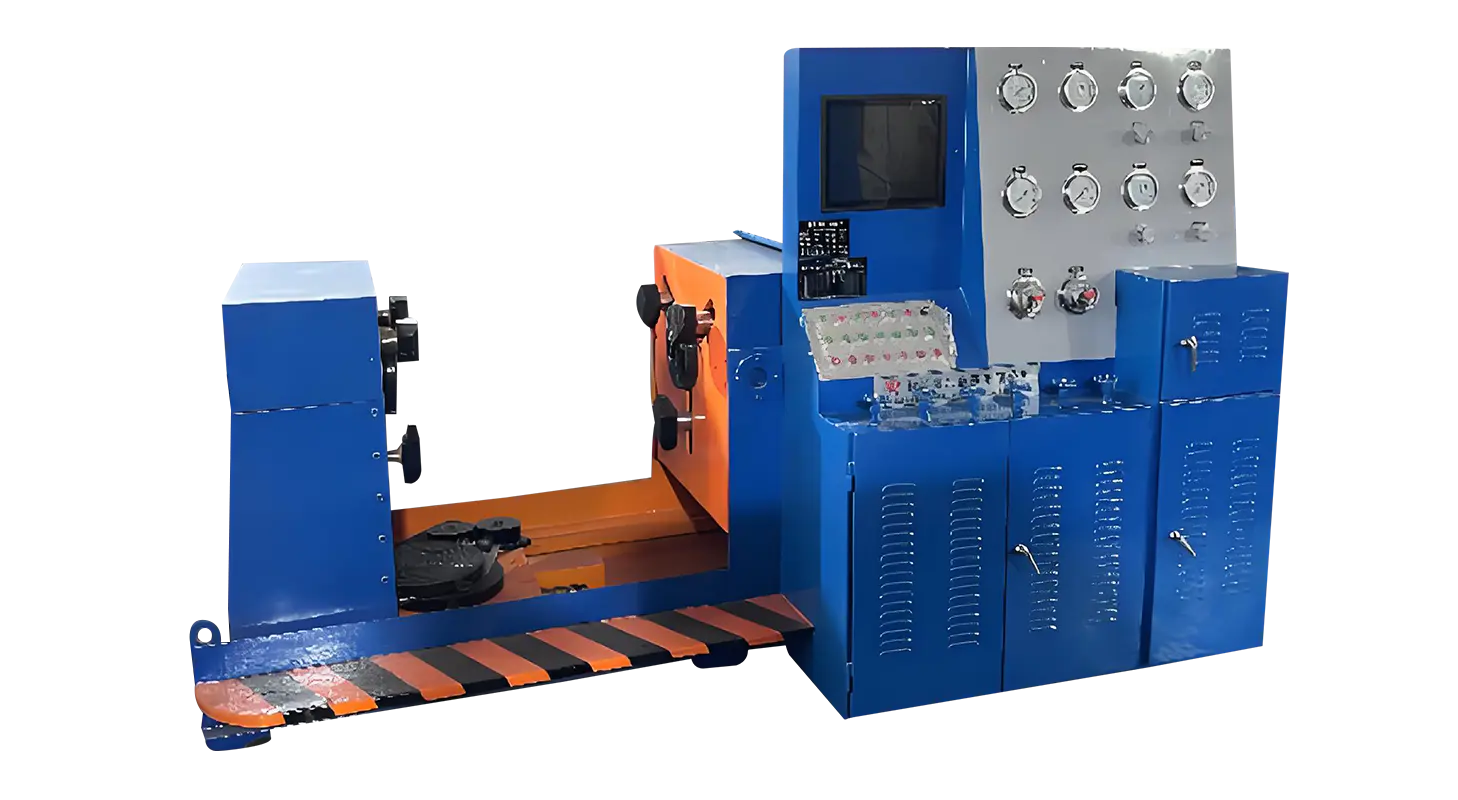
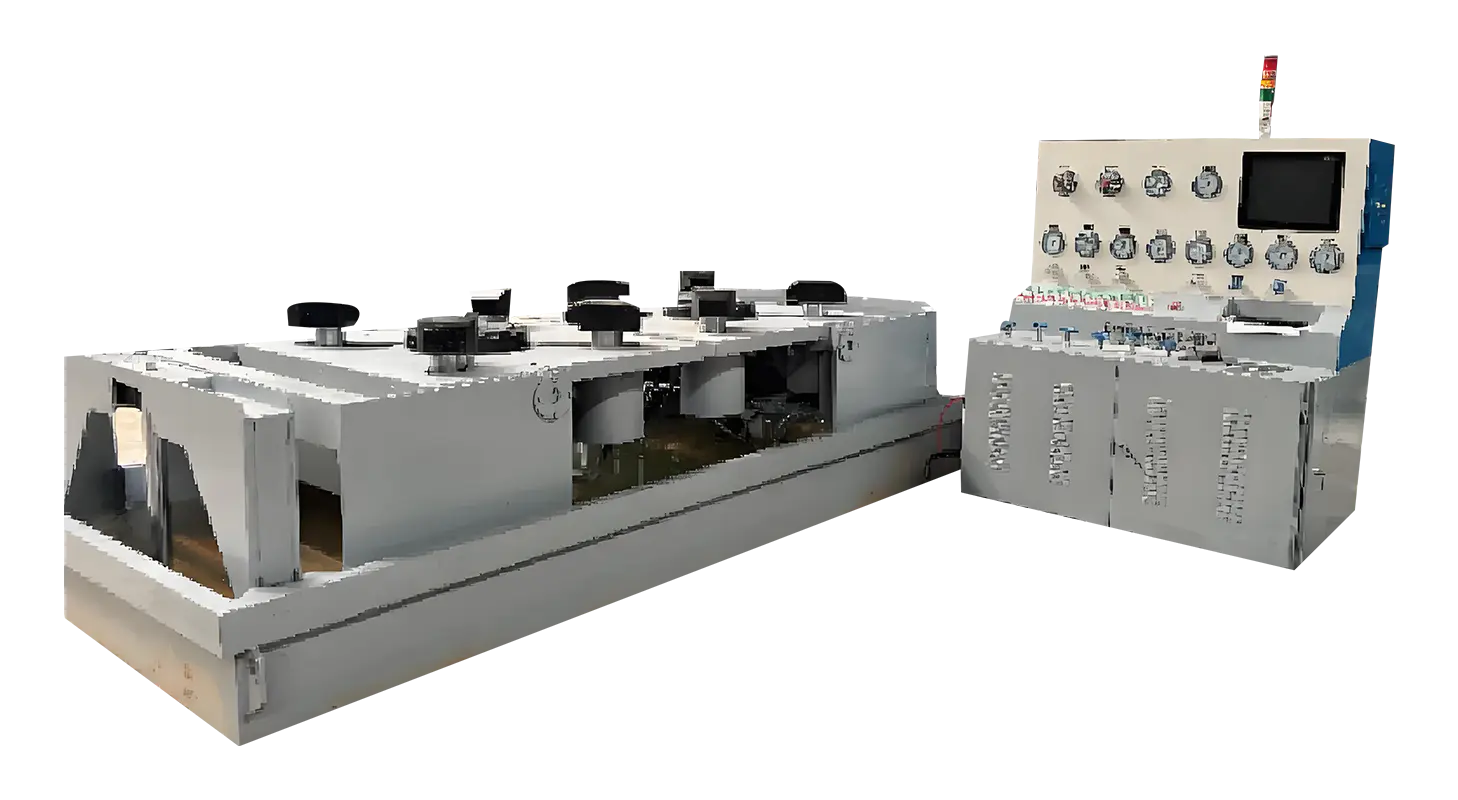
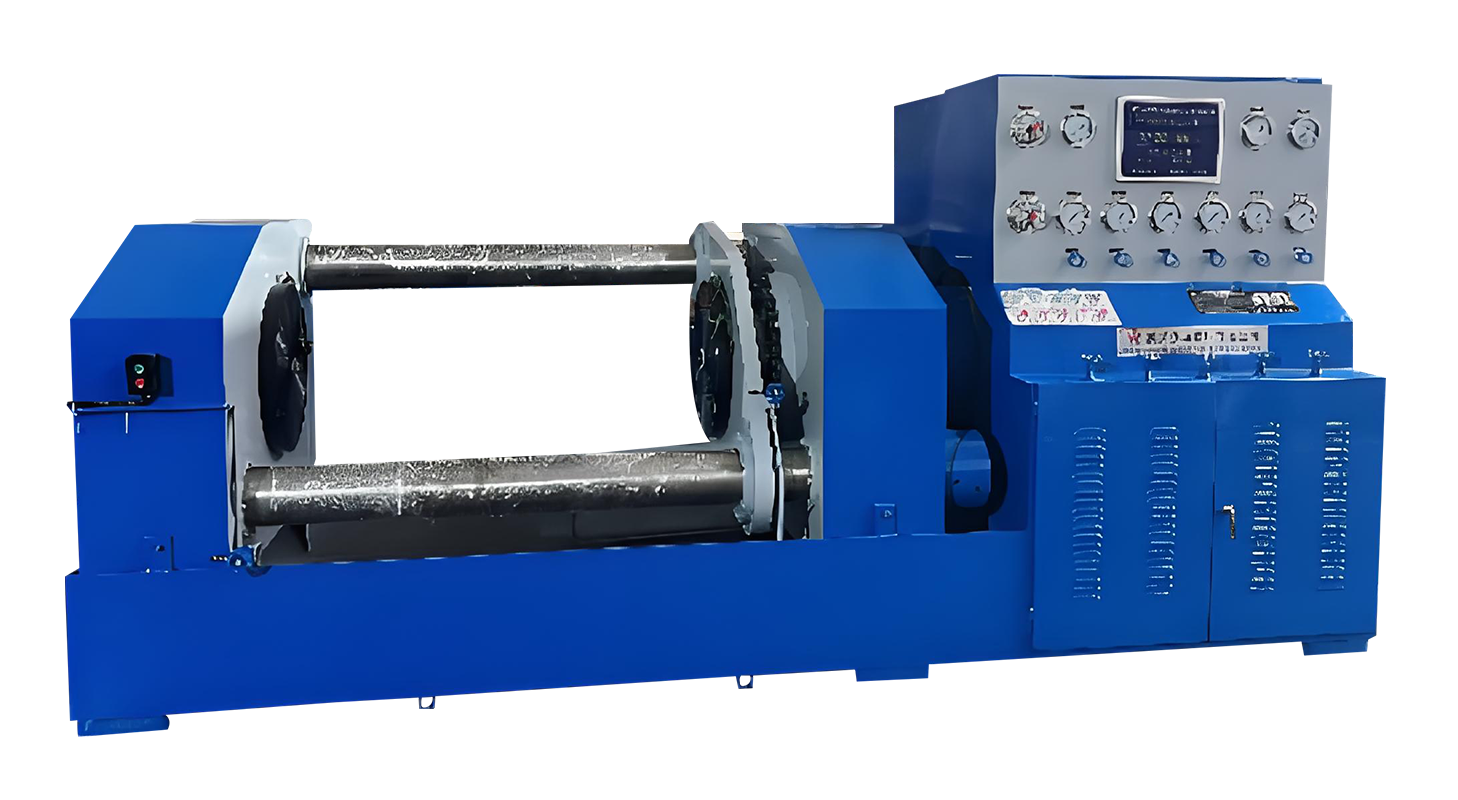
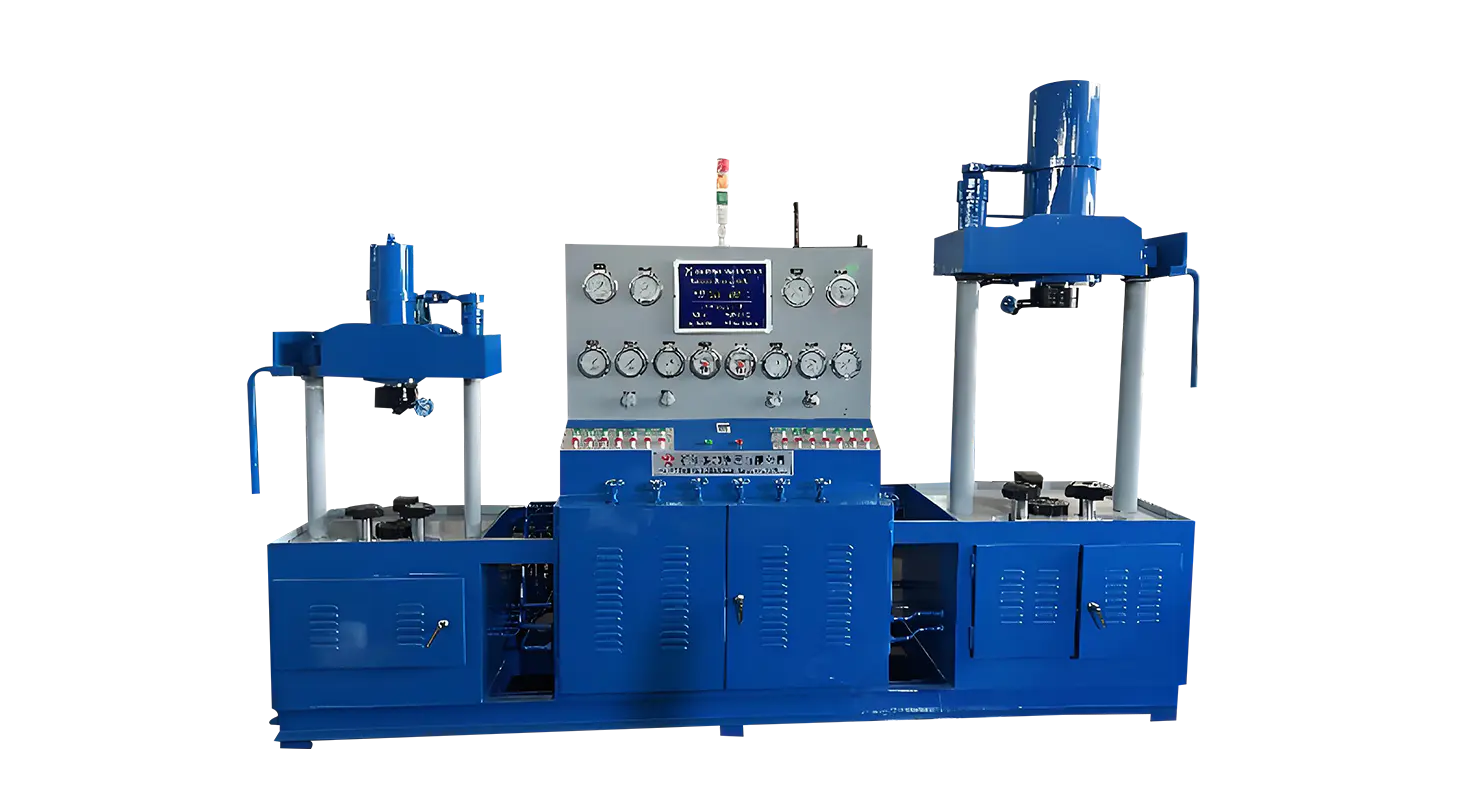
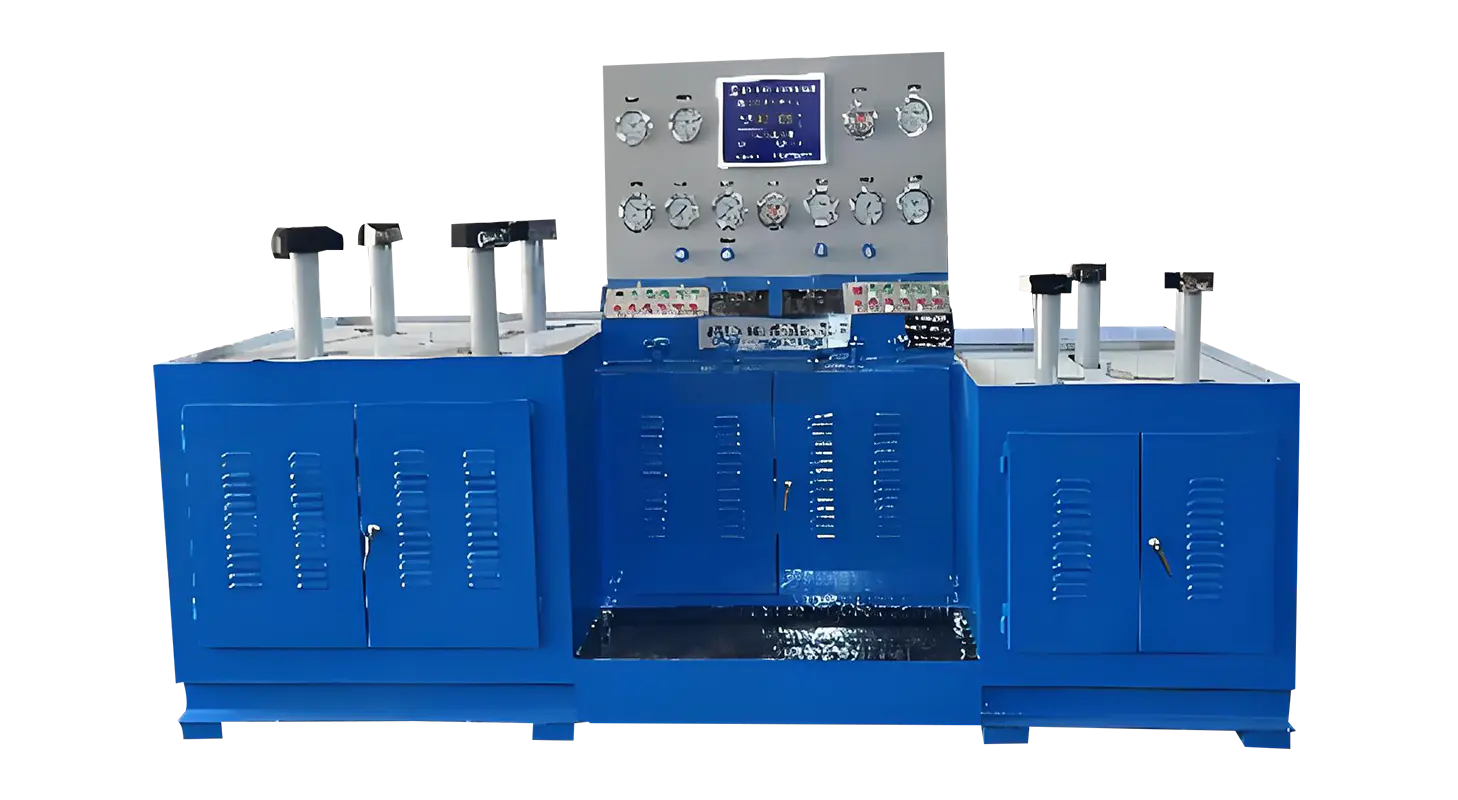
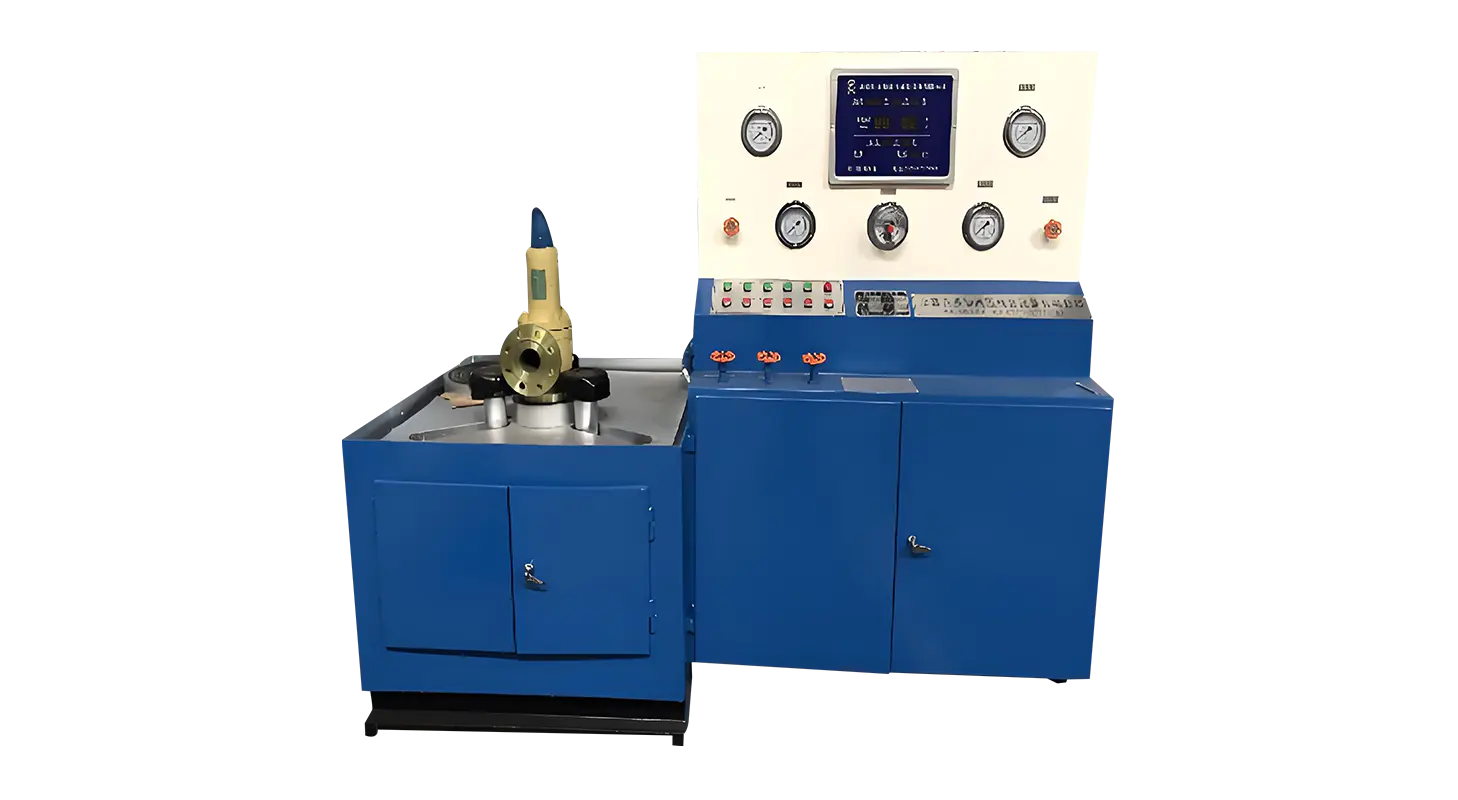
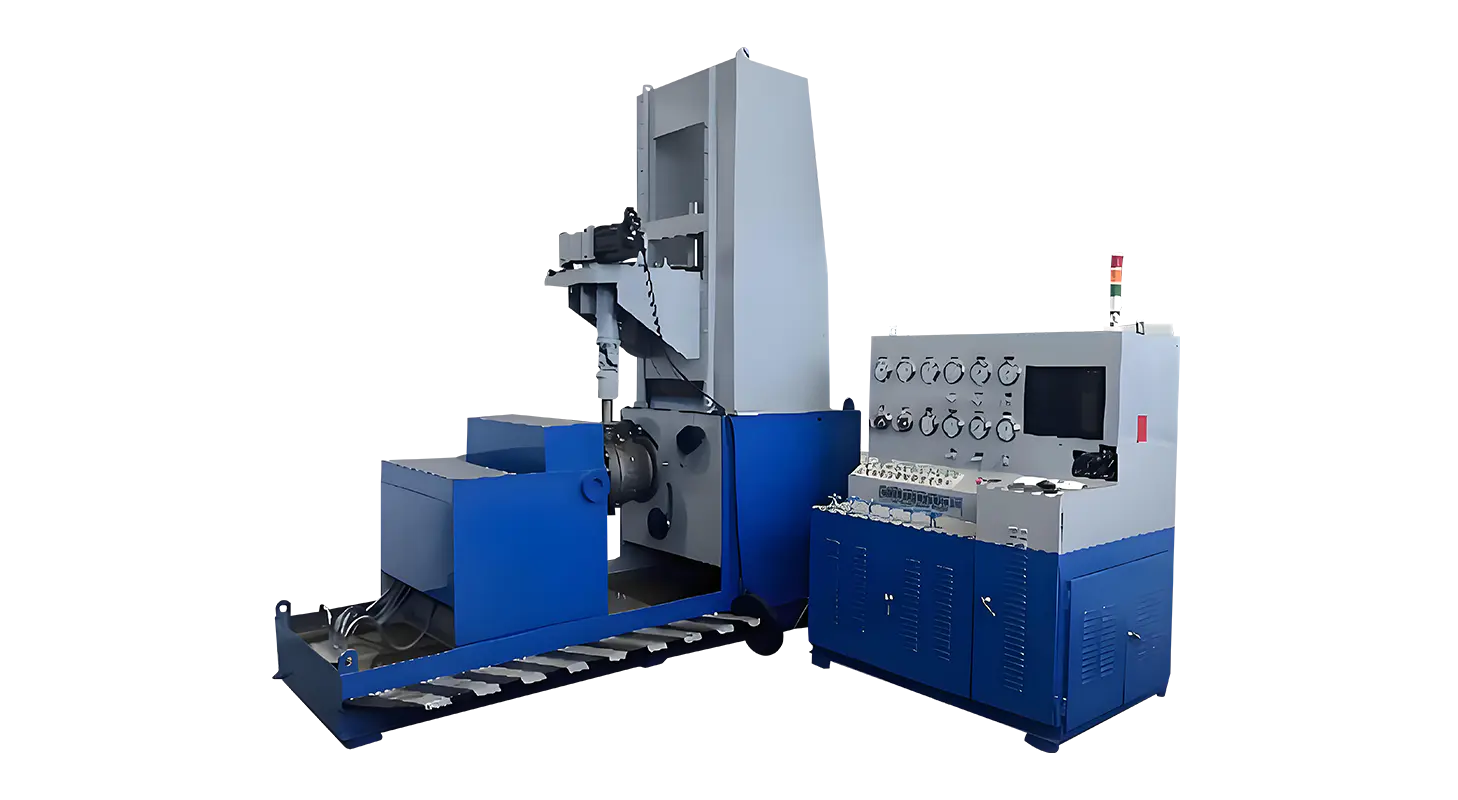
Clean energy infrastructure relies on precise flow control systems to manage gases, liquids, and pressure safely. Within these systems, valves must operate within defined performance ranges, and their behavior must be verified before installation. This is where a Ball Valve Test Bench and a Relief Valve Test Bench play an important role. These testing platforms are used across hydrogen production, solar thermal systems, wind turbine hydraulic units, and energy storage installations. They allow technicians to verify sealing, pressure resistance, and functional response under controlled conditions, helping ensure valves are ready for integration into energy systems that often operate under demanding environmental and operational requirements.

Hydrogen energy systems operate under pressure conditions that require strict control over gas flow and containment. Ball valves are widely used to isolate pipelines, regulate gas flow, and support maintenance procedures. Before installation, these valves must be tested to verify sealing integrity and structural performance.
A ball valve test bench allows technicians to simulate working pressures similar to those found in hydrogen compression and storage environments. During testing, the valve is subjected to internal pressure while sensors monitor leakage, pressure stability, and mechanical response. This process helps confirm that the valve can maintain containment without allowing unintended gas escape.
Relief valves are also essential in hydrogen systems because they prevent overpressure conditions. A relief valve test bench allows operators to verify opening pressure and reseating pressure, ensuring the valve responds correctly when pressure exceeds defined limits. This helps protect storage tanks, pipelines, and connected equipment from pressure-related stress.
Because hydrogen molecules are small and can pass through small gaps, accurate valve testing becomes especially important. Test benches allow verification under controlled conditions before the valve is exposed to actual hydrogen service.
Solar thermal plants generate energy by using concentrated sunlight to heat fluids, which are then circulated through piping systems to transfer heat. These systems often use high-temperature fluids such as molten salts or thermal oils. Ball valves regulate fluid movement between collectors, storage tanks, and heat exchangers.
A ball valve test bench is used during manufacturing and maintenance to verify that valves can maintain proper sealing under pressure. Although testing may be performed with water or oil instead of molten salt, the test conditions simulate pressure loads expected in service. This ensures valves can operate without leakage or structural deformation.
Relief valves in solar thermal systems serve to release excess pressure that may result from temperature fluctuations. A relief valve test bench allows operators to verify activation pressure thresholds and confirm proper resealing behavior. This testing supports safe operation of heat transfer systems, where pressure changes can occur during startup, shutdown, or varying sunlight conditions.
Accurate testing helps maintain system stability and reduces the risk of unexpected valve malfunction after installation.
Wind turbines rely on hydraulic systems to adjust blade pitch, control braking mechanisms, and manage mechanical positioning. These hydraulic systems operate under pressure and require dependable valve performance.
Ball valves are used to isolate hydraulic circuits during maintenance or operational adjustments. Before installation, these valves are tested on a ball valve test bench to confirm they can withstand hydraulic pressure and maintain sealing performance.
Relief valves are also used to protect hydraulic systems from pressure buildup caused by sudden mechanical loads or temperature changes. Testing these valves on a relief valve test bench allows technicians to confirm that pressure release occurs within defined parameters.
Testing hydraulic valves before installation helps reduce the likelihood of unexpected pressure-related issues, which could affect turbine operation or require maintenance intervention.
Battery energy storage systems support renewable energy by storing excess electricity for later use. These systems often include cooling circuits that regulate battery temperature. Cooling fluids circulate through piping systems controlled by ball valves and protected by relief valves.
Ball valve test benches are used to verify sealing and pressure tolerance of valves used in these cooling circuits. Accurate sealing prevents coolant leakage, which could affect thermal management performance.
Relief valve test benches verify that pressure relief mechanisms activate when pressure increases beyond acceptable limits. This protects cooling components from stress and helps maintain stable operating conditions.
Because energy storage systems may operate continuously, valve performance consistency becomes important. Test benches provide a controlled environment to verify valve readiness before installation.
Related Products
Contact us
Address
Sanqiao Industrial Zone, Oubei, Yongjia County, Zhejiang Province, China
Phone
+86-13676520568
Telephone number
+86-13676520568
Fax
products
Quick Links
QR CODE