English
 русский
 عربى
عربى
Get in touch
Get in touch
Mar 06, 2026
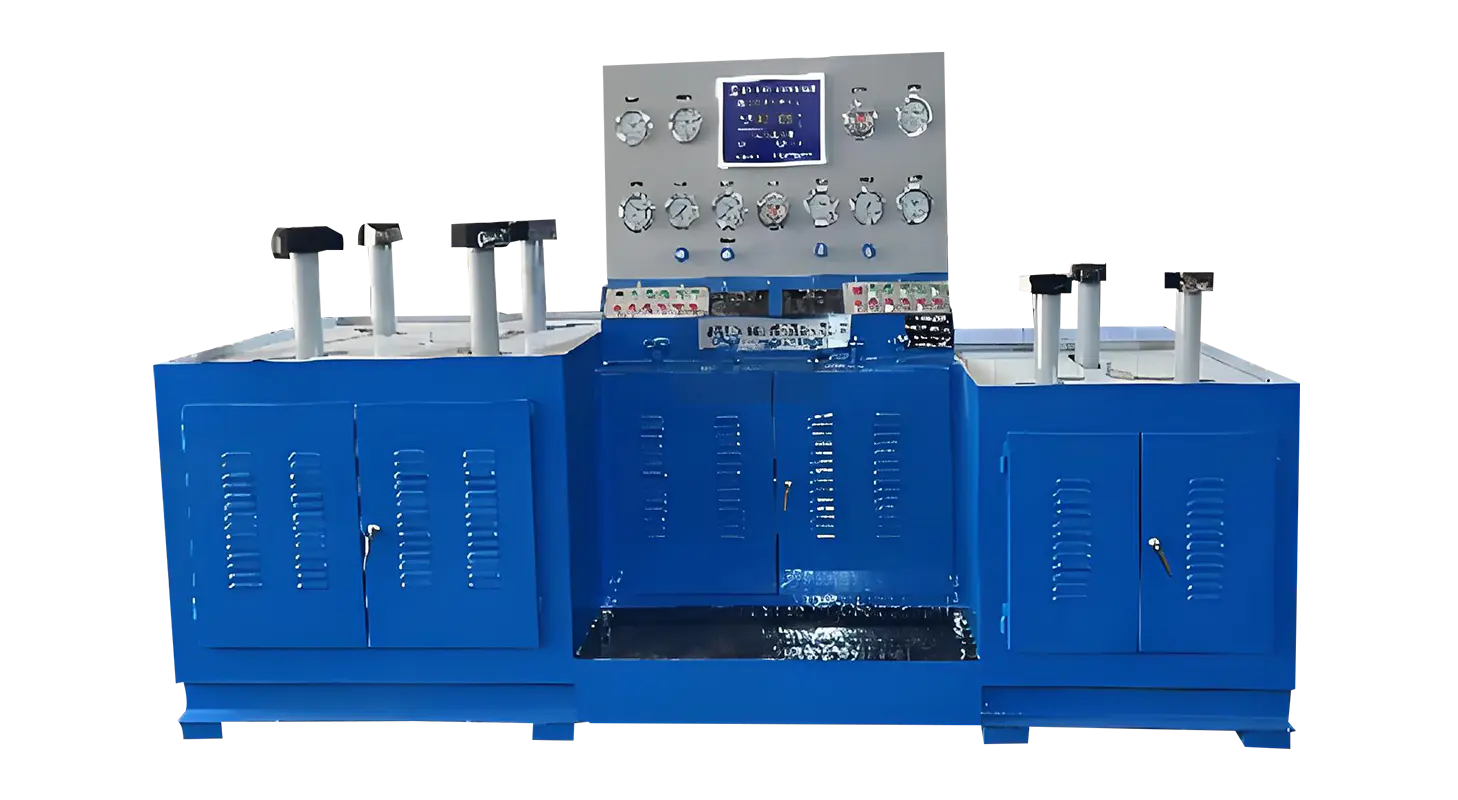
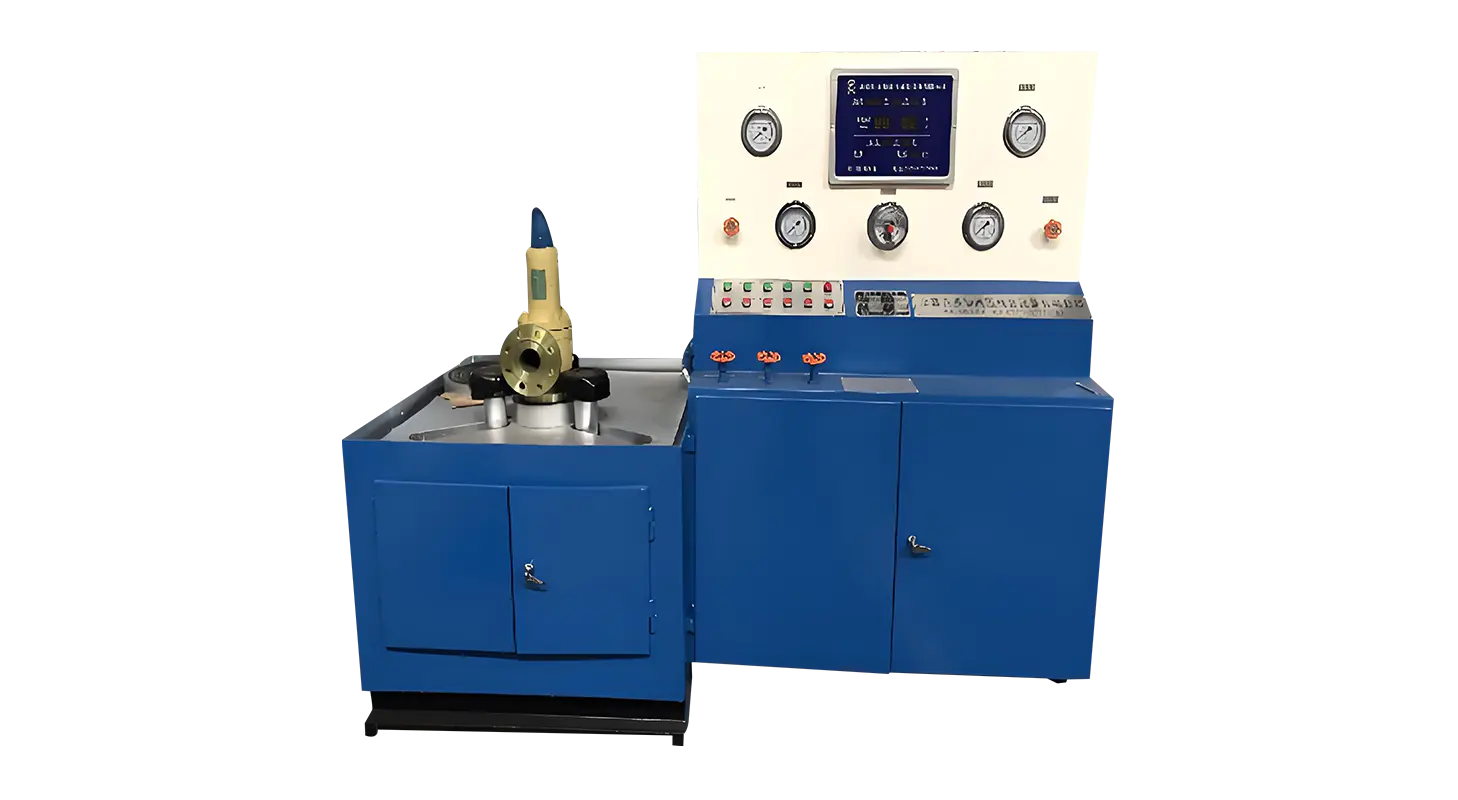
Precision inspection has become closely tied to digital measurement systems, especially as valve performance data is increasingly recorded, stored, and analyzed electronically. In this environment, the role of a Ball Valve Test Bench and a Relief Valve Test Bench extends beyond simple pressure testing. These systems now function as structured measurement platforms that support consistent data acquisition, repeatable test procedures, and traceable inspection records. When properly configured and operated, a modern valve test bench contributes directly to improving inspection accuracy by stabilizing test conditions, integrating digital sensors, and supporting automated data collection.
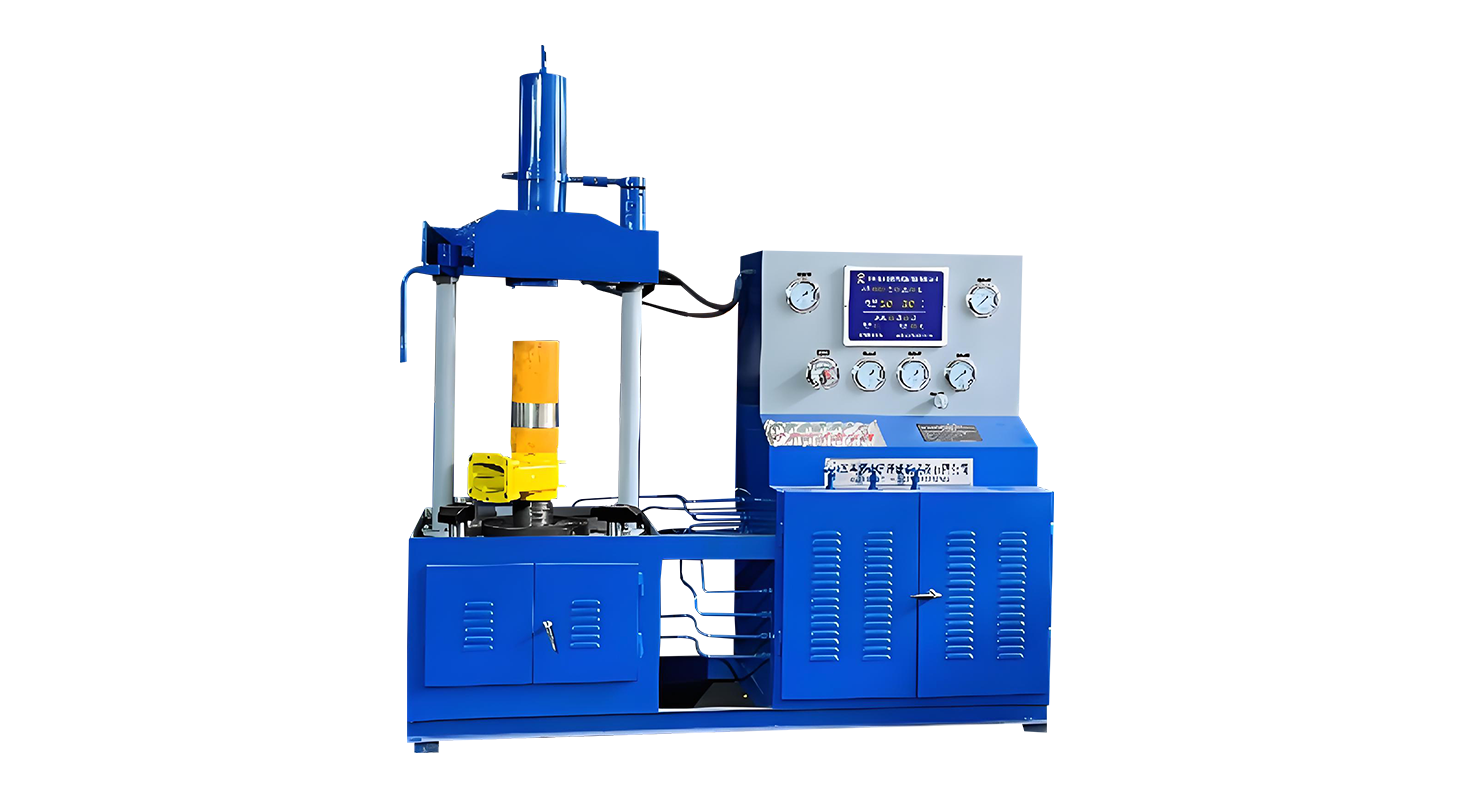
Digital inspection accuracy depends heavily on pressure stability during testing. Ball valves must be evaluated under defined pressure levels to verify sealing performance, structural integrity, and operational response. Even small fluctuations in pressure during testing can distort sensor readings and produce inconsistent results.
A ball valve test bench addresses this issue through controlled pressurization systems that regulate the increase, maintenance, and release of pressure. These systems typically include pressure regulators, controlled pumps, and isolation valves that work together to maintain steady pressure during the inspection period. When pressure remains stable, digital sensors connected to the system can capture accurate values without interference caused by sudden changes.
This stability also allows inspectors to observe pressure decay patterns more clearly. For example, when checking seat leakage, a stable test environment allows digital monitoring software to detect subtle pressure changes that may indicate minor leakage. Without stable pressure control, such small variations could be masked by environmental fluctuations rather than actual valve performance.
In addition, stable pressure conditions help standardize testing across different operators and shifts. When digital inspection relies on consistent input conditions, the resulting data becomes more comparable over time, which supports long-term quality monitoring.
Modern test benches incorporate pressure transducers, flow meters, and position sensors that convert physical measurements into digital signals. These sensors allow precise tracking of performance indicators that would otherwise be difficult to evaluate using manual gauges alone.
The use of digital sensors improves inspection accuracy in several ways:
These features allow operators to detect performance deviations earlier and document valve behavior more accurately. For example, a digital pressure sensor can record small pressure losses during a hold test, helping identify potential sealing issues before they become significant.
Relief valve testing systems also benefit from digital measurement because opening pressure, reseating pressure, and response time can be recorded precisely. This provides a clear performance profile for each valve tested.
Manual testing procedures often introduce variation due to differences in operator technique, timing, and observation. A ball valve test bench equipped with automated test control reduces these inconsistencies by following predefined sequences programmed into the system.
Automation may include controlled pressurization rates, timed hold periods, and automatic pressure release after testing. Because each valve is tested under the same conditions, digital inspection data becomes more consistent and easier to compare across multiple units.
Automated systems can also record timestamps, pressure curves, and test durations automatically. This information creates a detailed inspection record that supports traceability and quality verification. When inspection results are stored digitally, engineers can review past test data to identify trends or investigate performance changes.
Relief valve testing benefits from automation in a similar way. The system can gradually increase pressure while continuously monitoring valve response, allowing precise identification of opening and closing pressure points. Digital recording of these events provides objective performance data rather than relying on manual observation alone.
Related Products
Contact us
Address
Sanqiao Industrial Zone, Oubei, Yongjia County, Zhejiang Province, China
Phone
+86-13676520568
Telephone number
+86-13676520568
Fax
products
Quick Links
QR CODE