English
 русский
 عربى
عربى
Get in touch
Get in touch
Feb 27, 2026
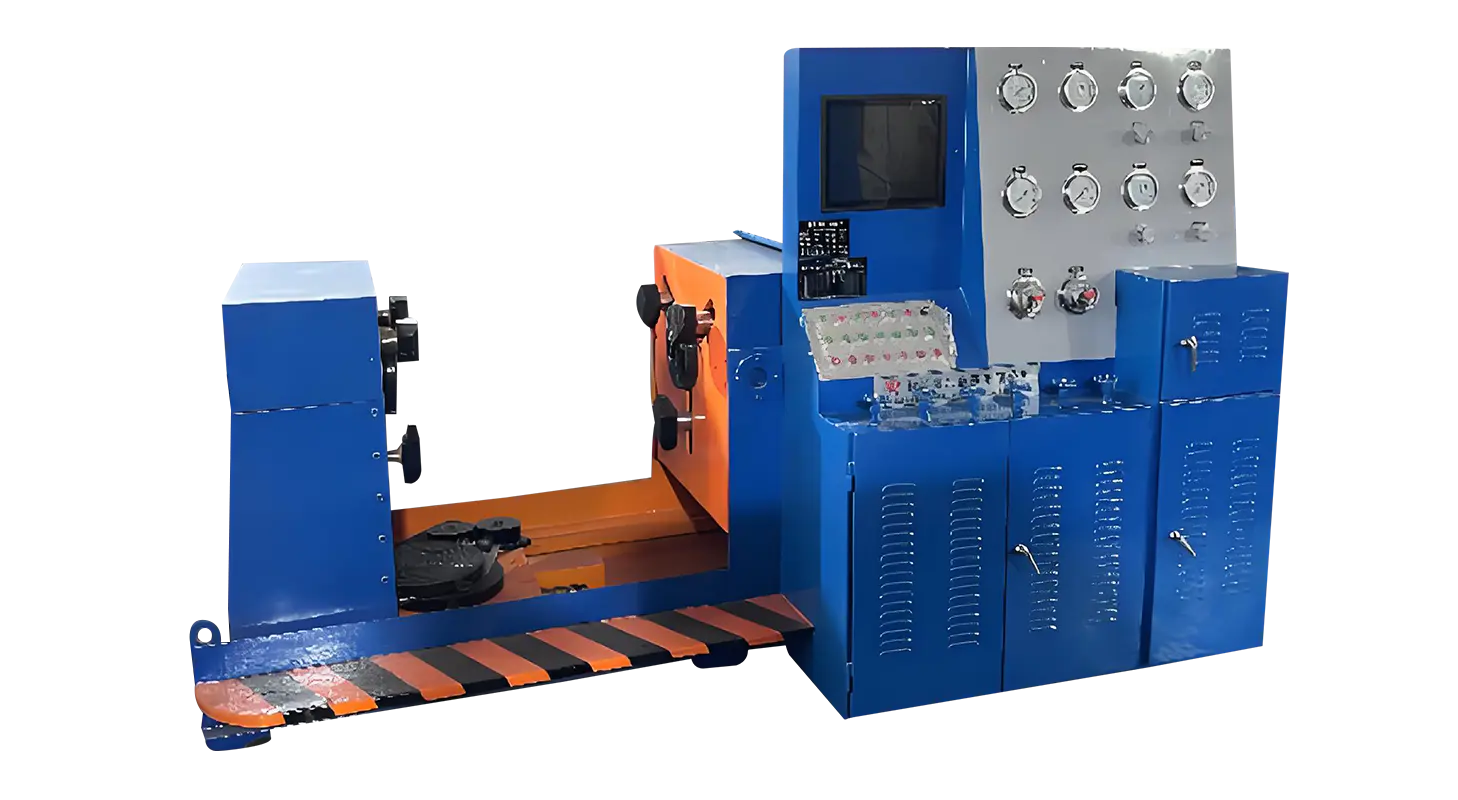
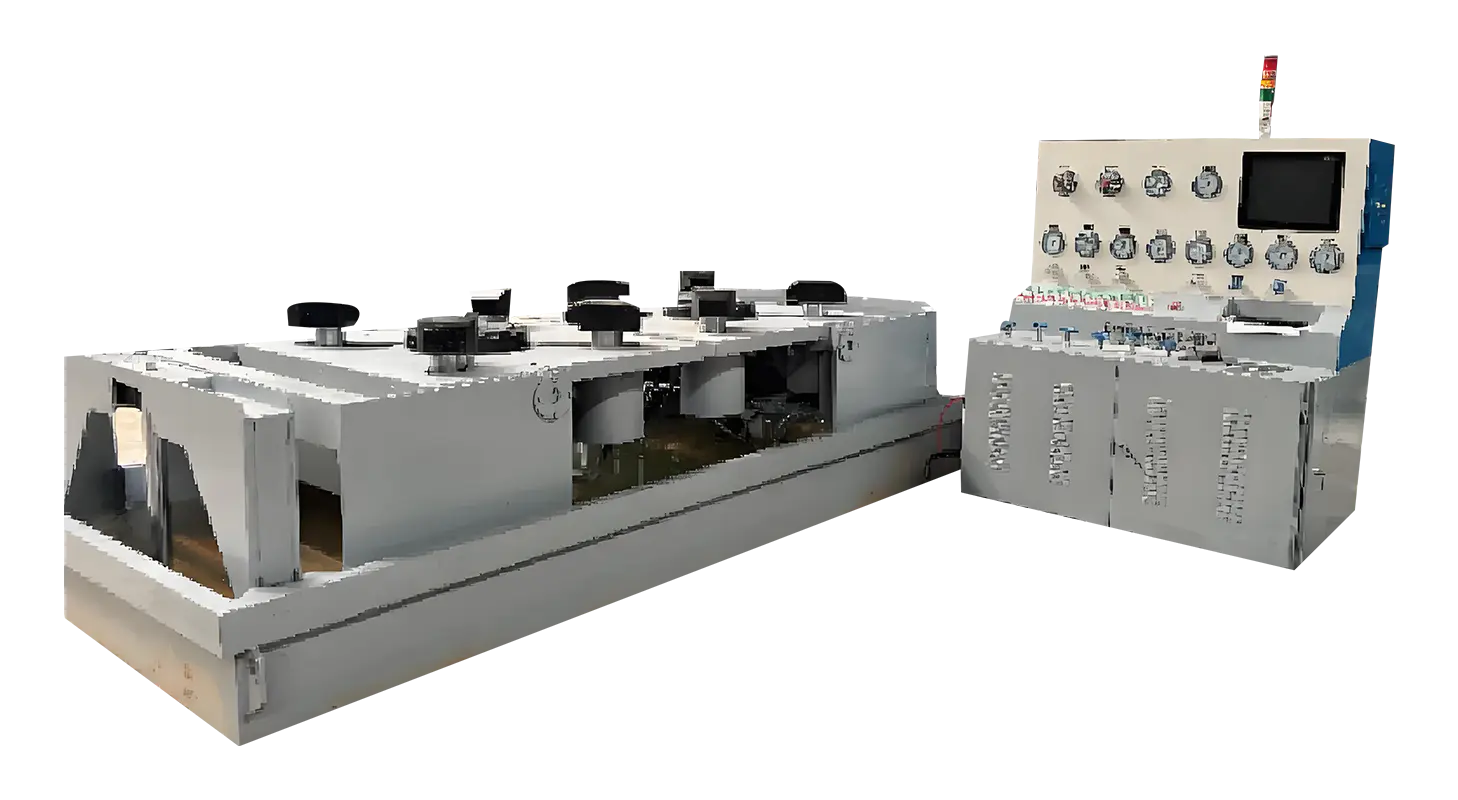
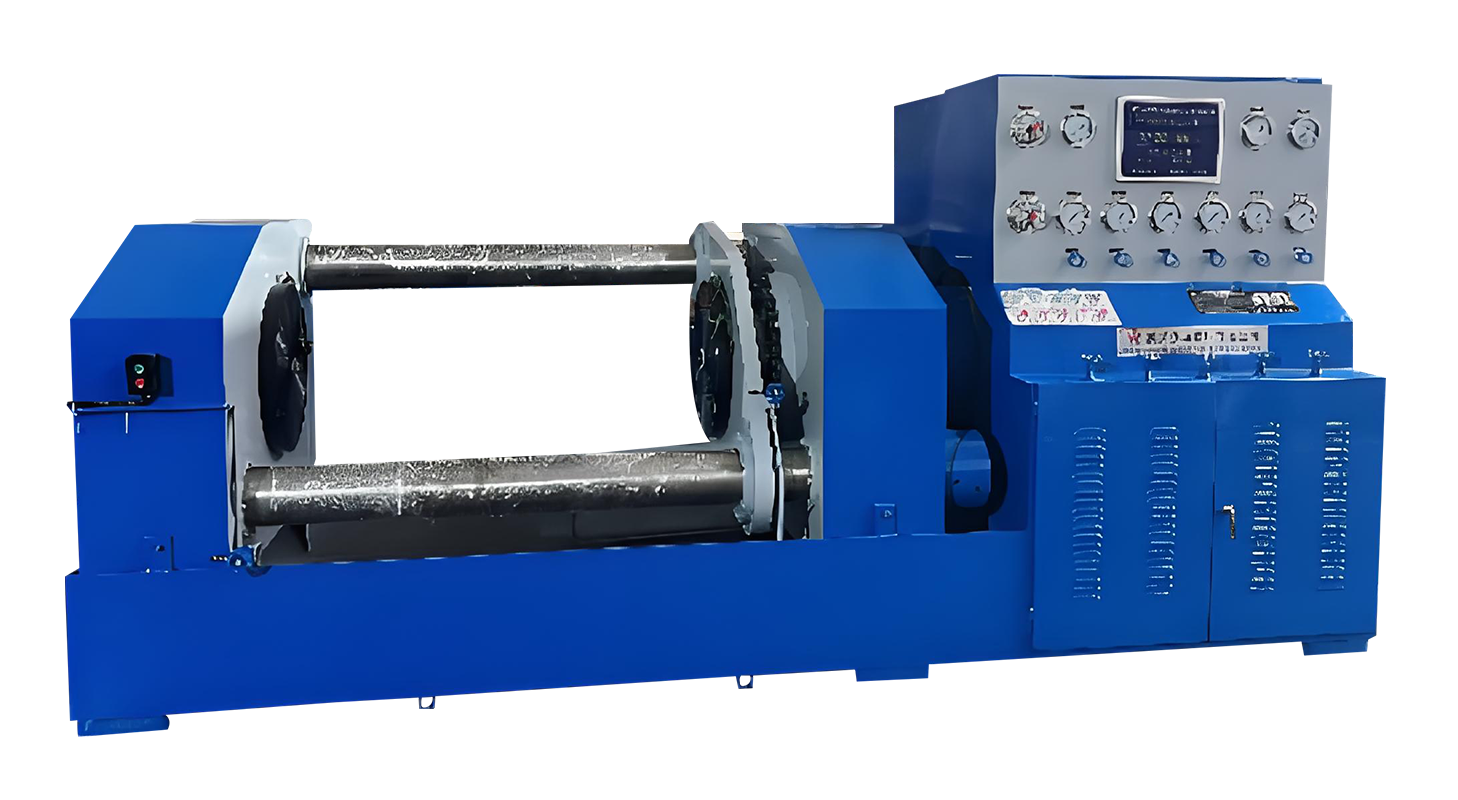
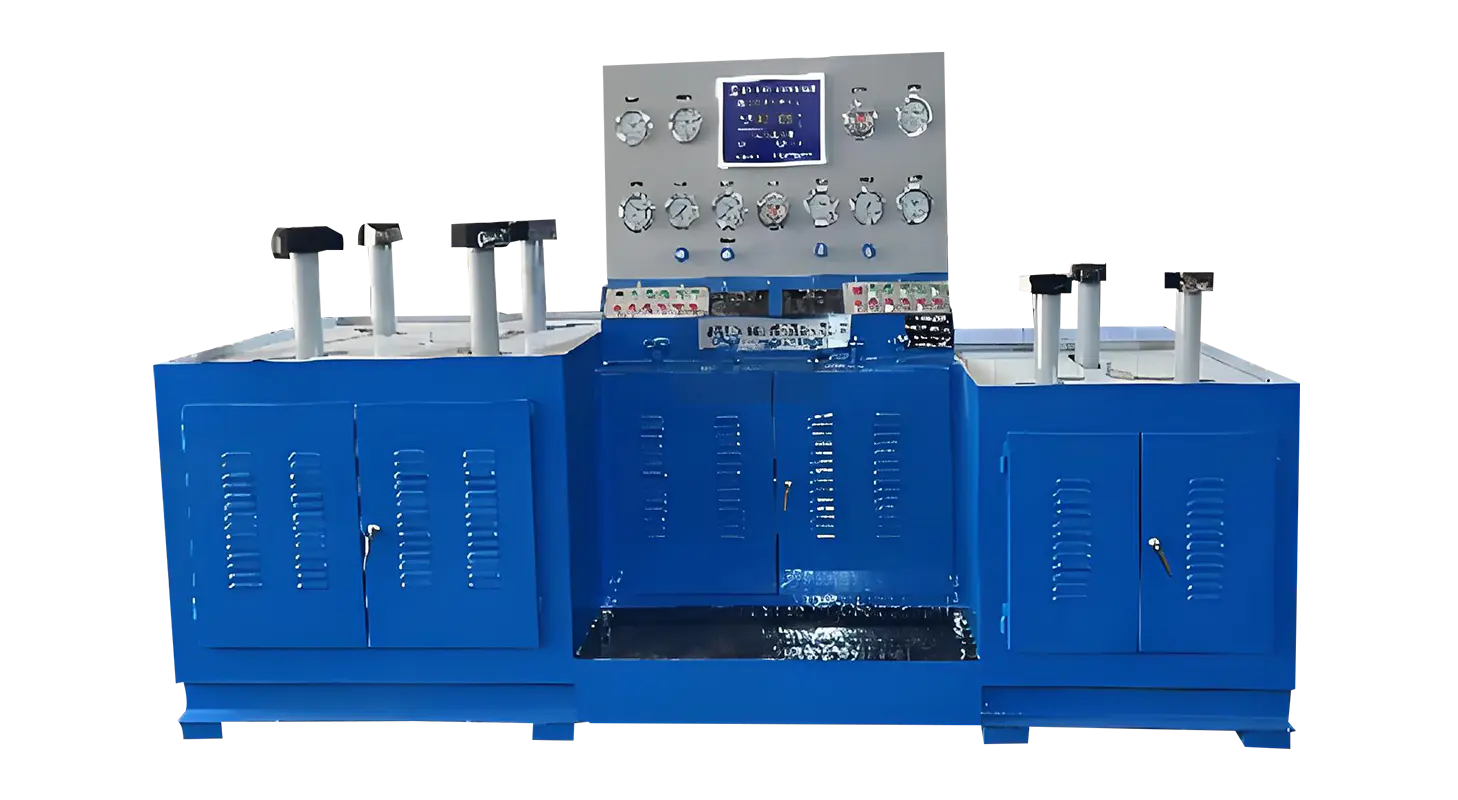
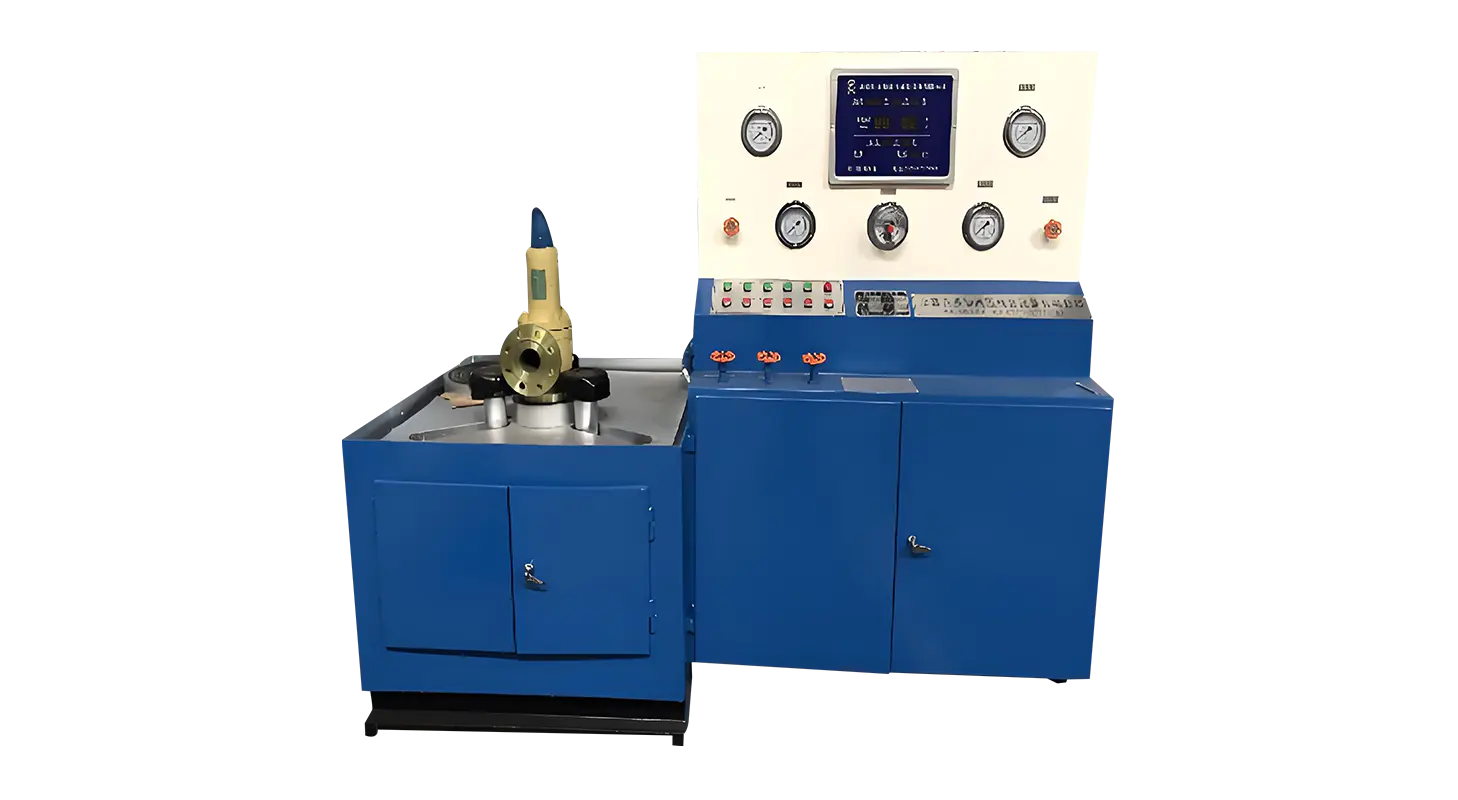
Before a process system begins routine operation, commissioning serves as the final checkpoint where assumptions are verified against real behavior. During this stage, the interaction between valves, pipelines, and control systems becomes visible. A Control Valve Test Bench plays a practical role here by applying controlled Valve Test Pressure that reflects expected operating conditions. The way this pressure is selected, applied, and observed has a direct influence on whether commissioning reveals meaningful information or leaves unresolved questions that surface later during operation.
Commissioning is not simply a repetition of factory acceptance tests. It marks the transition from design intent to actual service. Valves that performed adequately in isolation may respond differently once connected to a broader system with real flow paths, temperature changes, and pressure variations. Valve test pressure becomes a reference point that links design specifications to observed behavior.
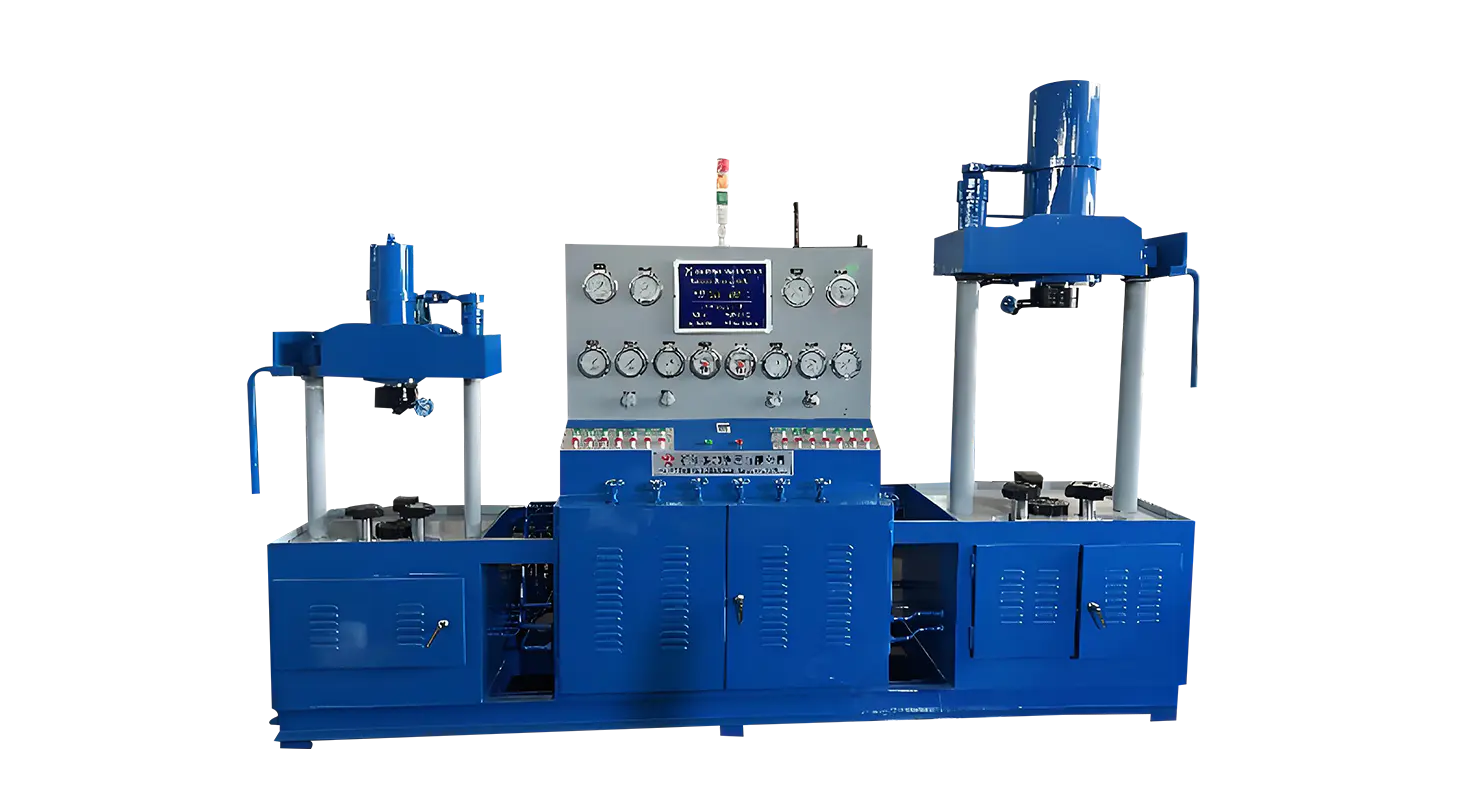
Using a Control Valve Test Bench during commissioning-related checks allows engineers to verify that pressure ratings, sealing characteristics, and structural responses align with expectations. Without this verification, commissioning teams may rely on documentation alone, which increases the risk of overlooking issues that only appear under applied pressure.
One reason Valve Test Pressure matters during commissioning is its role in establishing a baseline. When pressure is applied under controlled conditions, it becomes possible to distinguish between acceptable behavior and potential concerns. Small pressure drops, delayed sealing, or minor deformation may not be immediately critical, but they provide early indicators of how the valve may behave over time.
A Control Valve Test Bench supports this process by allowing pressure to be increased gradually and held at defined levels. By observing the valve at each stage, commissioning teams gain a clearer understanding of how the valve contributes to overall system integrity. This baseline becomes a reference for future inspections and maintenance decisions.
Commissioning often reveals issues that are not related to valve design but to installation quality. Misalignment, uneven flange loading, or improper tightening can all affect how a valve responds under pressure. If such issues are not identified early, they may cause repeated adjustments or unexpected downtime after the system is commissioned.
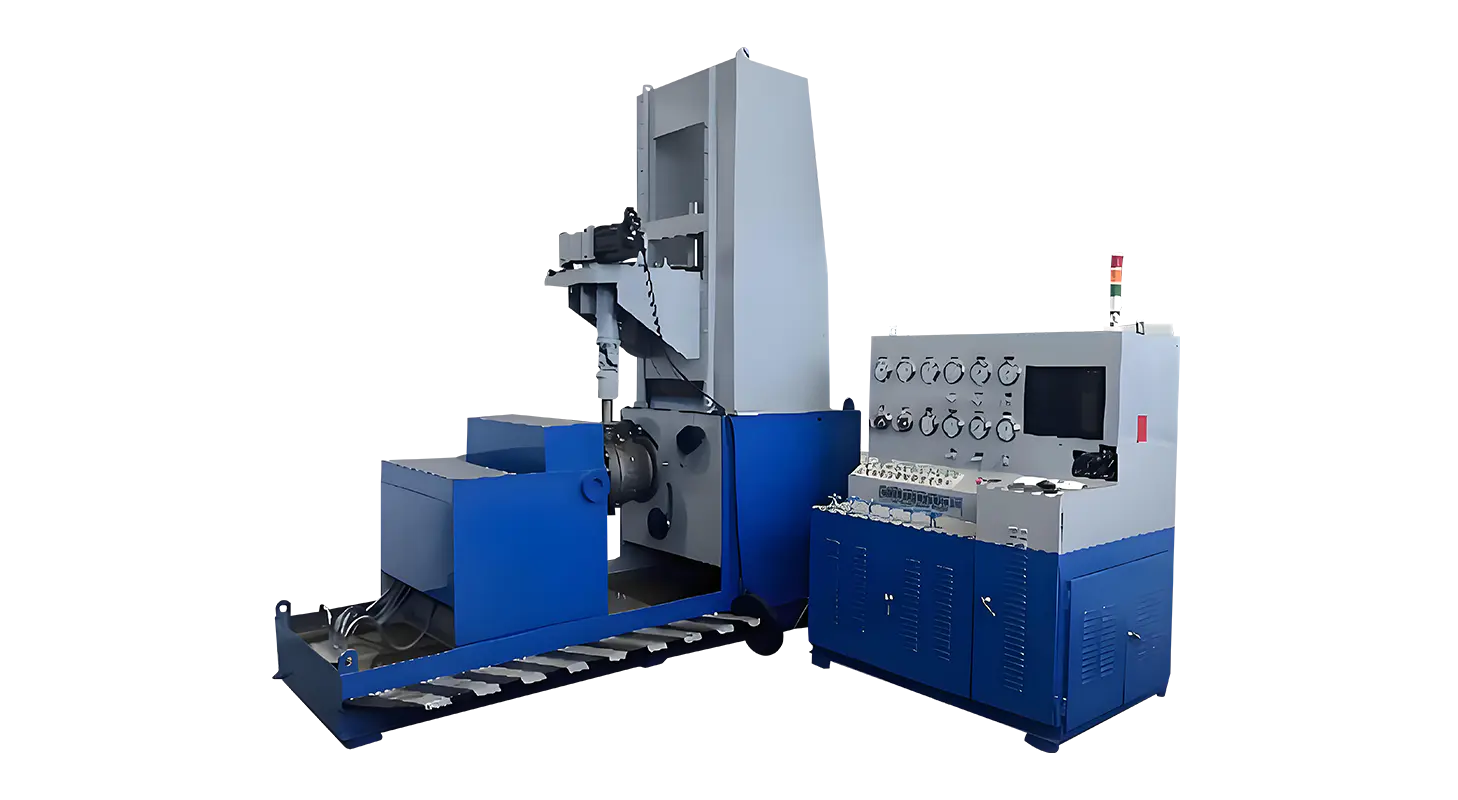
Testing valves on a Control Valve Test Bench, with hydraulic clamping that applies uniform force, helps separate valve-related behavior from installation-induced effects. When Valve Test Pressure is applied in a controlled environment, deviations can be traced more easily to their source. This clarity allows installation teams to correct issues before the system enters continuous operation.
Commissioning may involve systems that handle liquids, gases, or both. Valve performance under water pressure does not always predict behavior under gas pressure due to differences in compressibility and energy storage. Selecting appropriate Valve Test Pressure for each medium is therefore a key part of commissioning.
A Control Valve Test Bench designed for dual media testing allows commissioning teams to simulate these conditions without altering the entire system. Water testing can verify structural integrity and general sealing, while gas testing can reveal fine leakage paths that may not be visible with liquid media. Understanding these differences during commissioning helps prevent surprises when the system transitions between operating modes.
Valve test pressure during commissioning is not limited to confirming pressure ratings. It also supports functional checks such as opening and closing behavior under load, response to control signals, and interaction with safety systems. Pressure affects friction, sealing contact, and actuator performance, all of which influence how the valve operates within the system.
By applying Valve Test Pressure on a Control Valve Test Bench, these functional aspects can be evaluated under conditions that resemble actual service. Observations made at this stage help commissioning teams adjust control parameters and verify that the valve responds consistently as pressure changes.
Short-duration pressure checks may confirm that a valve can reach a certain pressure level, but they do not always reveal how it behaves over time. During commissioning, where long-term stability is a concern, pressure holding tests provide additional insight.
A test bench that automatically enters a pressure-holding phase once the target pressure is reached allows engineers to observe gradual changes. Minor leakage, pressure relaxation, or sealing adjustments may only become visible after pressure is held steady. Identifying these behaviors during commissioning helps teams decide whether adjustments are needed before the system is fully handed over.
Related Products
Contact us
Address
Sanqiao Industrial Zone, Oubei, Yongjia County, Zhejiang Province, China
Phone
+86-13676520568
Telephone number
+86-13676520568
Fax
products
Quick Links
QR CODE