English
 русский
 عربى
عربى
Get in touch
Get in touch
May 15, 2026
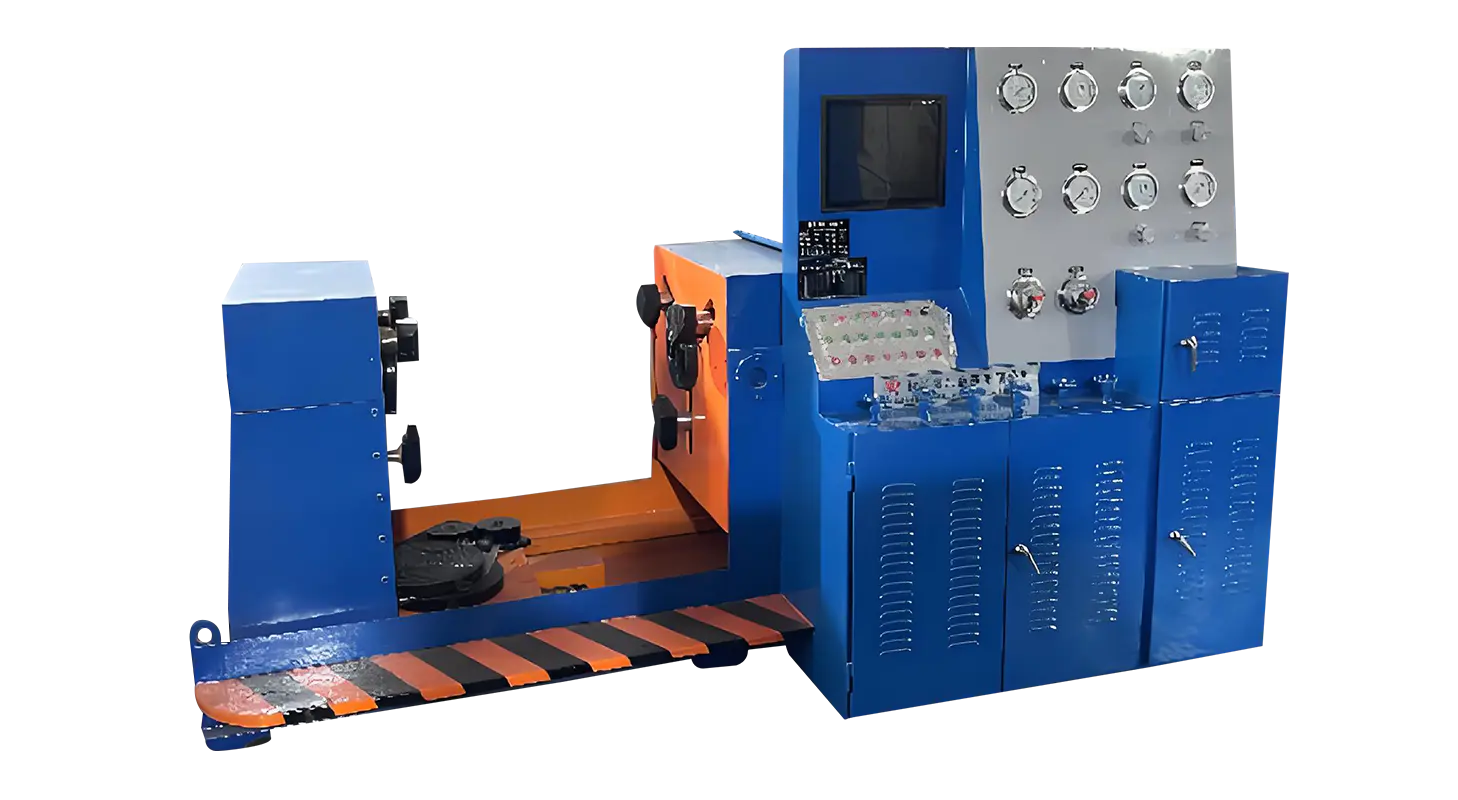
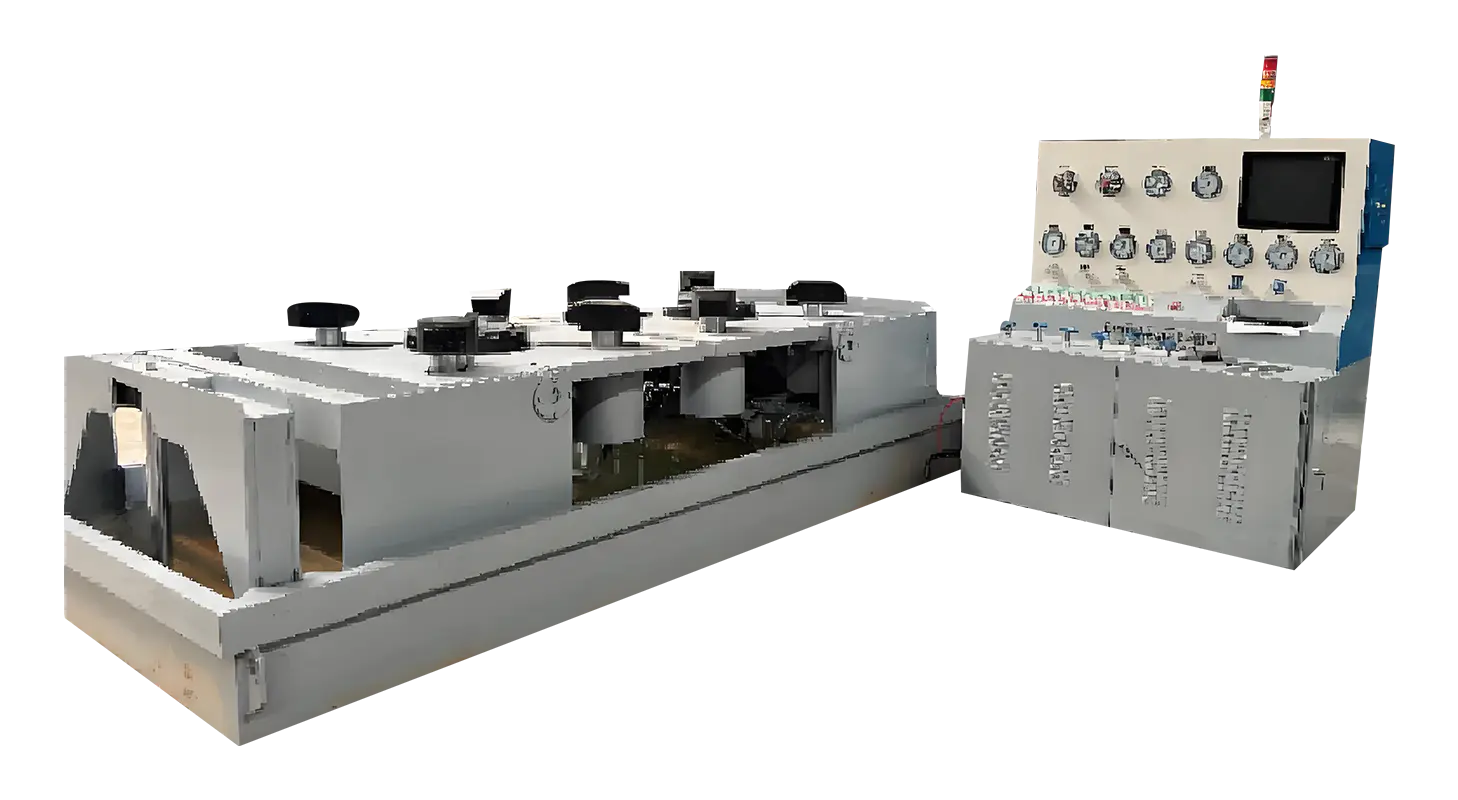
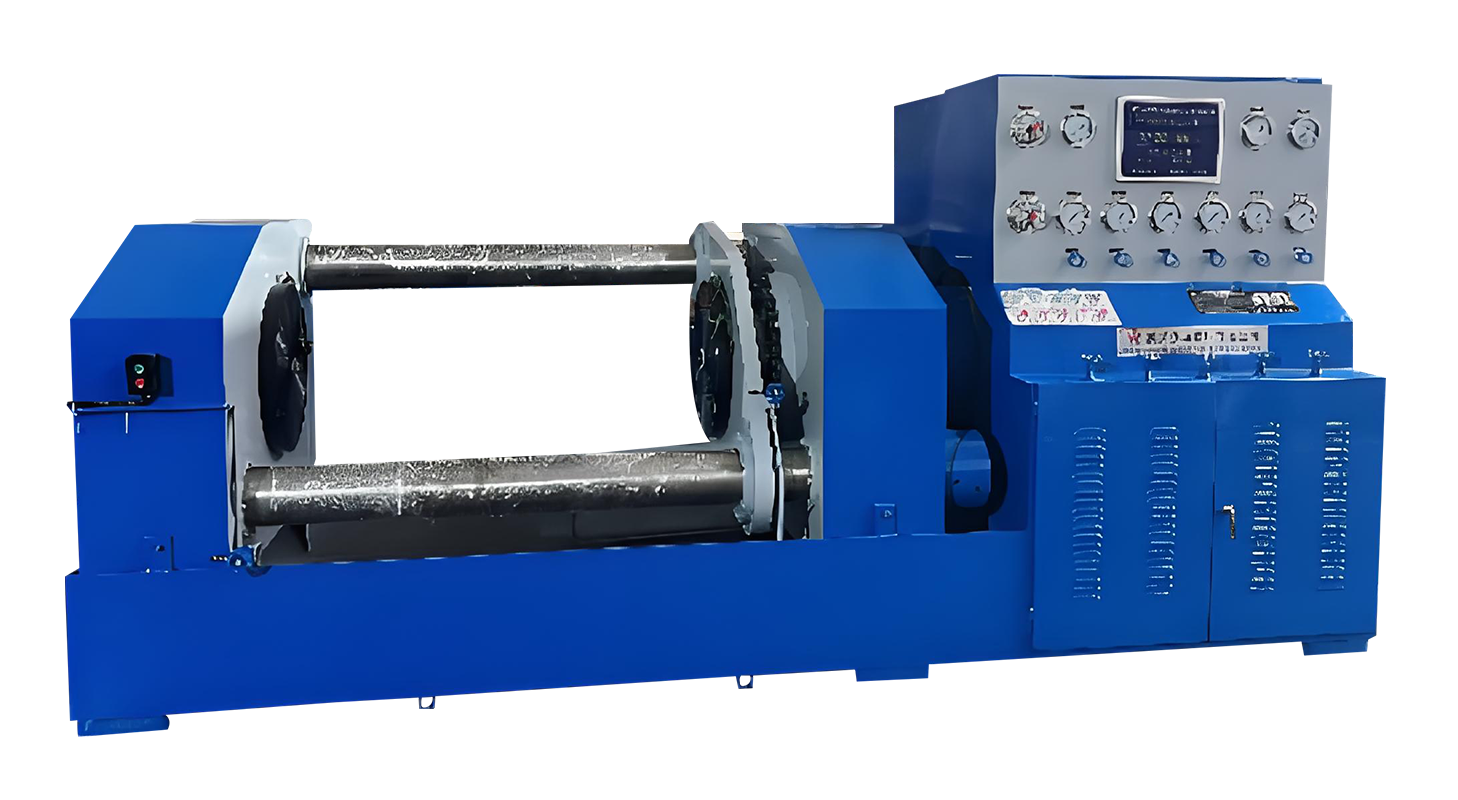
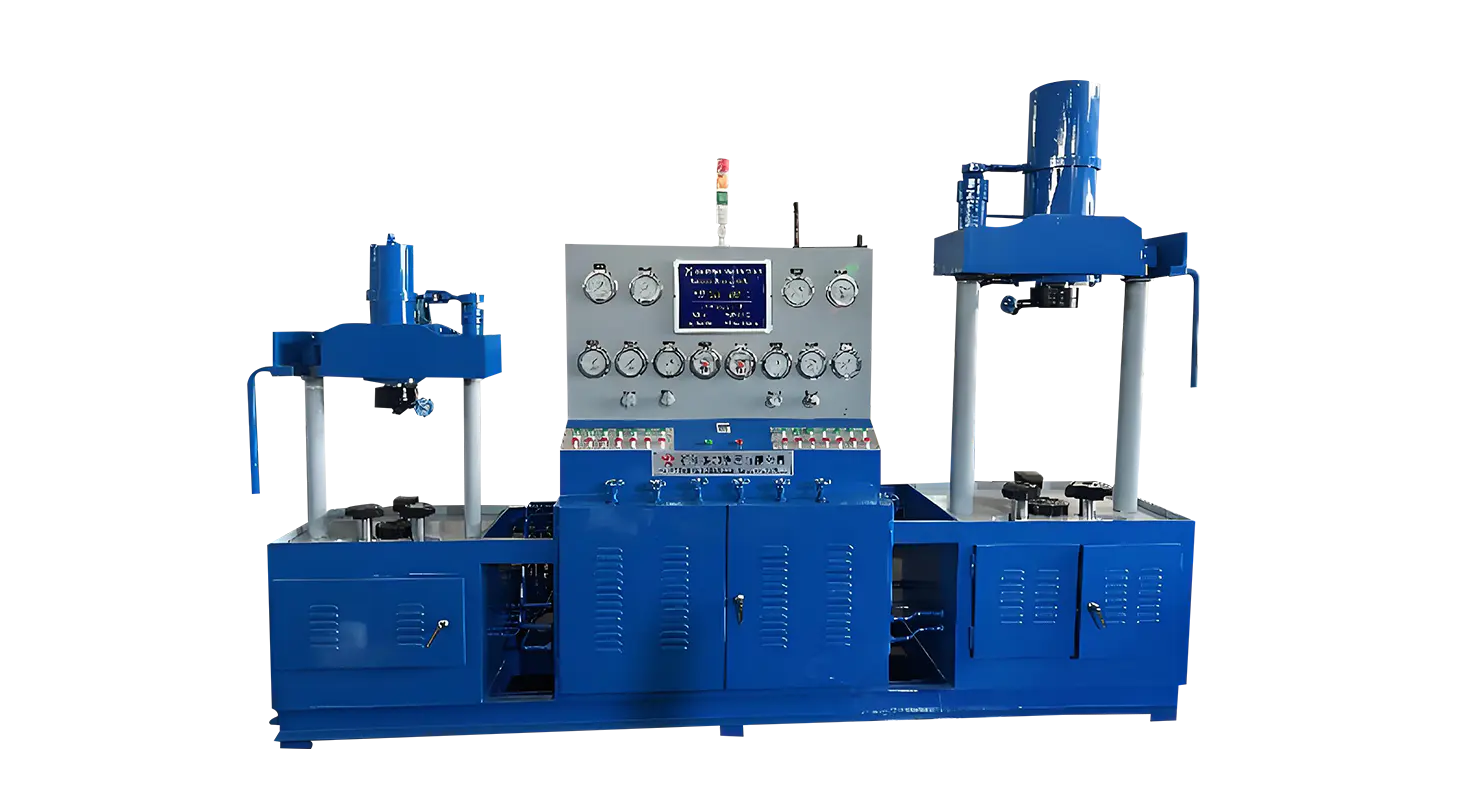
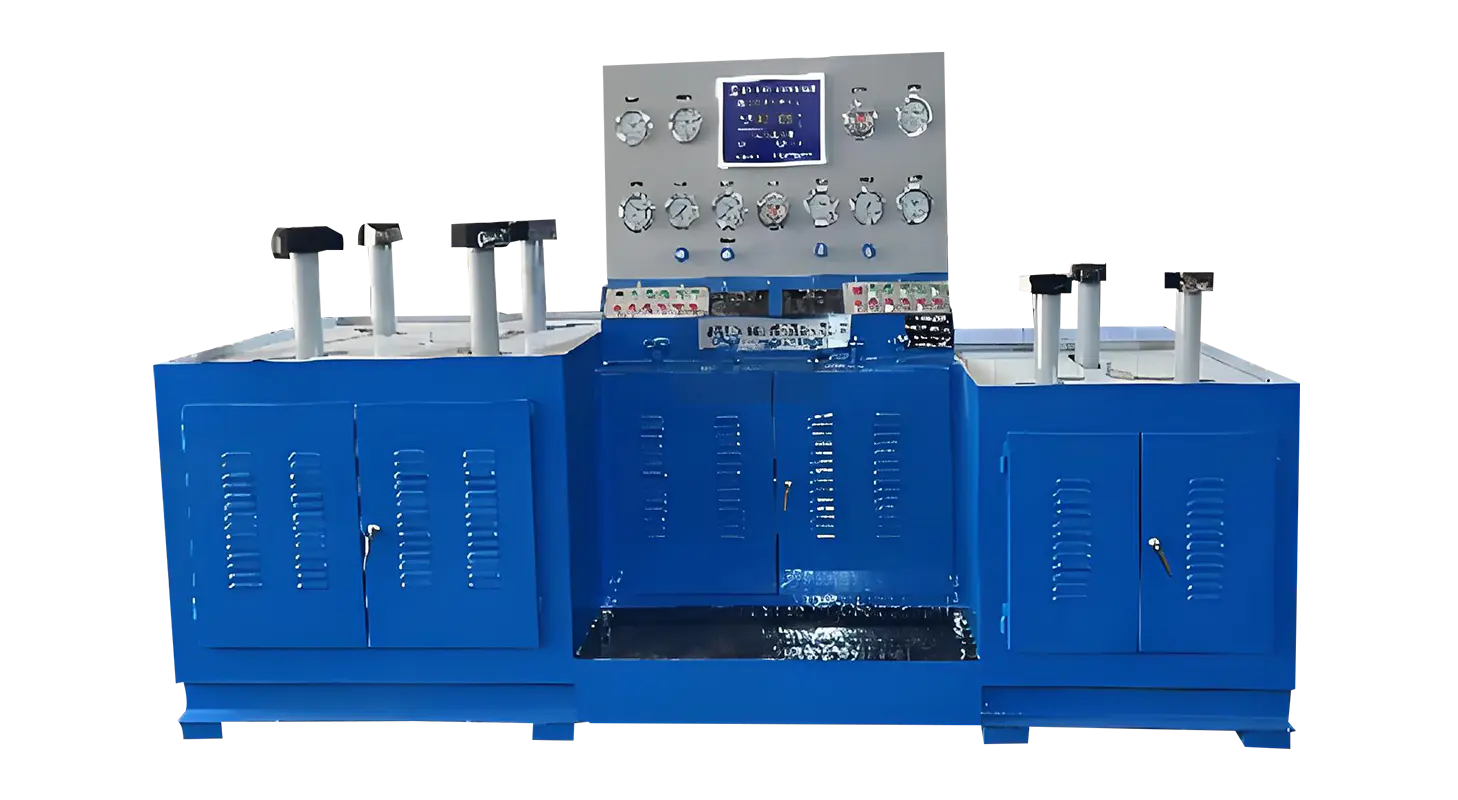
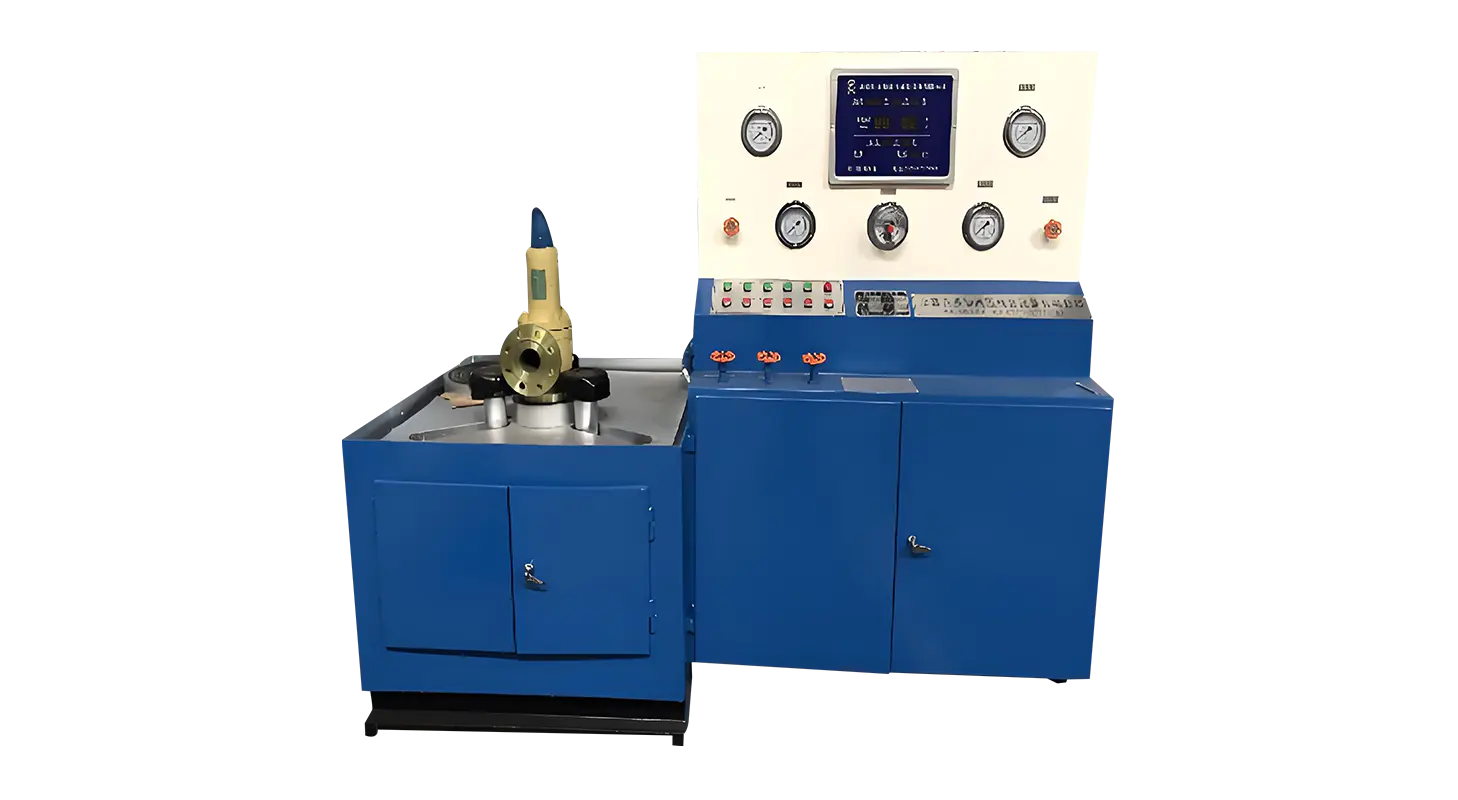
Valve Test Machine and Relief Valve Test Bench are increasingly being integrated into industrial environments where hydraulic system testing is combined with digital monitoring requirements. In modern maintenance and production workflows, these systems are no longer used only for pressure verification but also for collecting structured operational data that can be connected to IoT platforms for real-time monitoring and long-term performance tracking.

Hydraulic valve testing in many industrial systems has traditionally relied on manual recording or isolated measurement reports. While a Valve Test Machine and Relief Valve Test Bench can accurately measure pressure response, opening behavior, and sealing condition, the recorded data was often stored separately from plant-wide monitoring systems. This separation made it difficult to analyze long-term trends or connect valve behavior with broader system performance.
As industrial equipment becomes more connected, maintenance teams are expected to monitor equipment status continuously rather than only during scheduled inspections. However, without digital integration, valve test data remains static and disconnected from real-time operational systems. This creates gaps in understanding how valves behave under changing load conditions across different production cycles.
Another limitation comes from delayed data usage. Test results are usually reviewed after testing is completed, meaning any abnormal pattern is only identified after the valve has already been removed from operation. This reduces the ability to respond to gradual performance changes in a timely manner.
Recent developments in Valve Test Machine and Relief Valve Test Bench design focus on connecting mechanical testing functions with digital data interfaces. Instead of functioning as standalone equipment, these systems can now be linked with IoT-based monitoring platforms through data acquisition modules.
A Valve Test Machine is typically equipped with pressure sensors, flow monitoring units, and digital output interfaces that allow test data to be transmitted directly to external systems. A Relief Valve Test Bench, which focuses on pressure release behavior and response timing, can also be integrated with similar monitoring channels to record dynamic valve activity during each test cycle.
Key integration elements include:
Instead of treating test results as isolated reports, this integration allows valve behavior data to become part of a continuous monitoring environment. Maintenance teams can observe changes in valve response patterns alongside other equipment indicators within the same system.
In industrial facilities adopting smart monitoring systems, Valve Test Machine and Relief Valve Test Bench setups are often connected to centralized data platforms used for equipment management. This allows maintenance teams to review valve performance data alongside pressure system behavior, pump activity, and flow control conditions.
In practice, these systems are used in:
In these environments, testing is not only a maintenance activity but also a data generation process. Each test cycle contributes to a growing dataset that can be used for system analysis, maintenance planning, and operational comparison across different time periods.
When Valve Test Machine and Relief Valve Test Bench systems are connected to IoT platforms, test results are typically structured into digital formats that can be analyzed over time. Below is an example of how data may appear in a monitoring system:
|
Data Category |
Recorded Value |
System Use Case |
|
Opening Pressure |
12.5 MPa |
Valve response tracking |
|
Reseating Pressure |
10.8 MPa |
Stability evaluation |
|
Cycle Count |
50 cycles |
Wear pattern analysis |
|
Response Time |
0.4 seconds |
Dynamic behavior monitoring |
|
Leakage Indicator |
Low variation |
Seal condition observation |
This type of structured data can be transmitted directly from testing equipment into plant dashboards. Over time, the collected information helps form a performance history for each valve, allowing comparisons across multiple test sessions rather than relying on single inspection results.
The integration of IoT monitoring with valve testing equipment supports a more structured approach to maintenance planning. Instead of reviewing test results manually, maintenance teams can access real-time data streams and historical records in a unified system.
A Relief Valve Test Bench contributes specific data related to pressure relief behavior, while a Valve Test Machine provides broader functional testing data across different valve types. When combined, these systems create a multi-layered dataset that reflects both safety response and general valve performance.
A practical structure often includes:
This structure supports continuous observation of valve behavior without requiring constant manual inspection of physical test records.
In a connected testing environment, data flow typically follows a structured path from testing equipment to monitoring platforms:
This process allows valve testing to become part of the broader industrial data ecosystem rather than an isolated inspection step.
Related Products
Contact us
Address
Sanqiao Industrial Zone, Oubei, Yongjia County, Zhejiang Province, China
Phone
+86-13676520568
Telephone number
+86-13676520568
Fax
products
Quick Links
QR CODE