English
 русский
 عربى
عربى
Get in touch
Get in touch
May 15, 2026
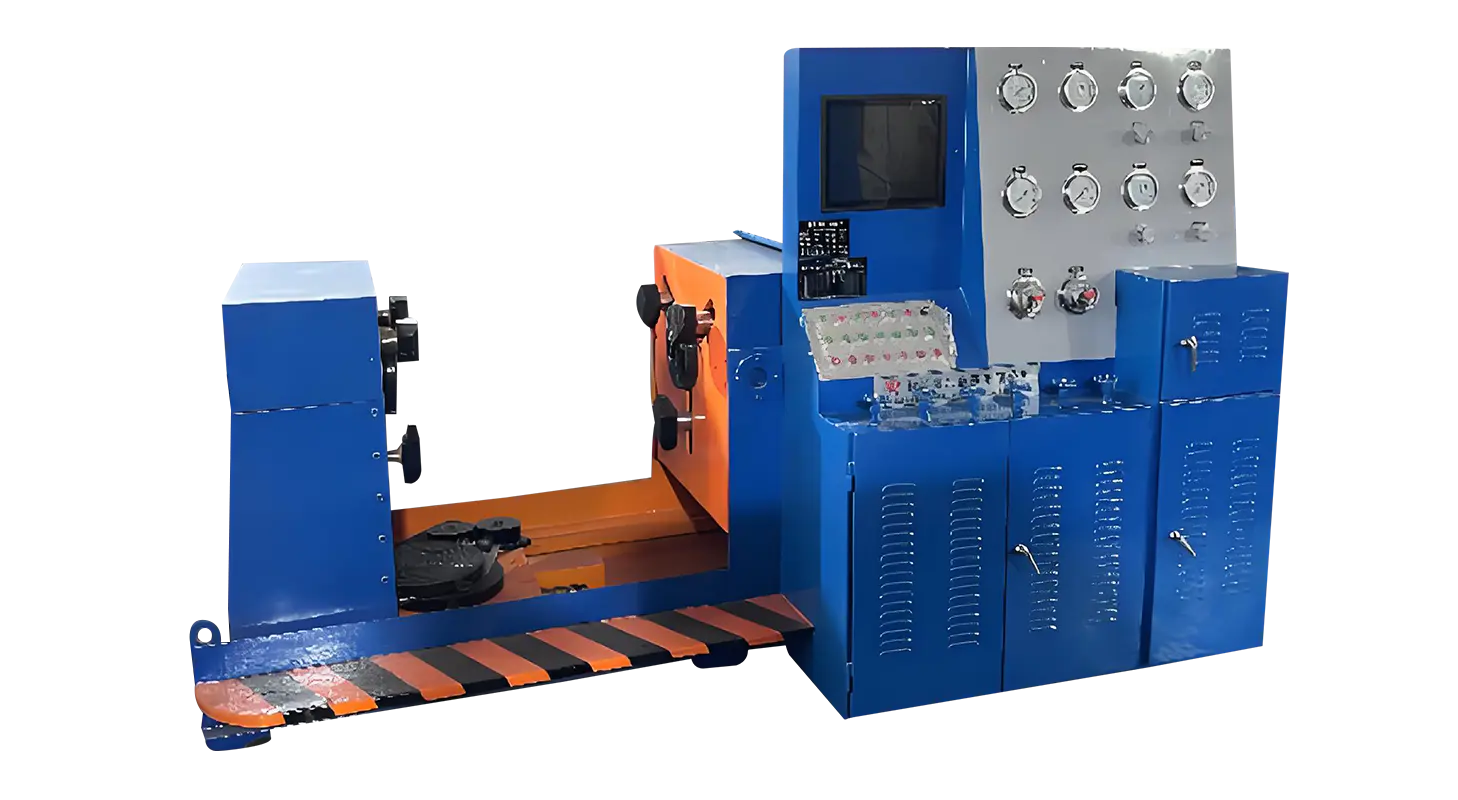
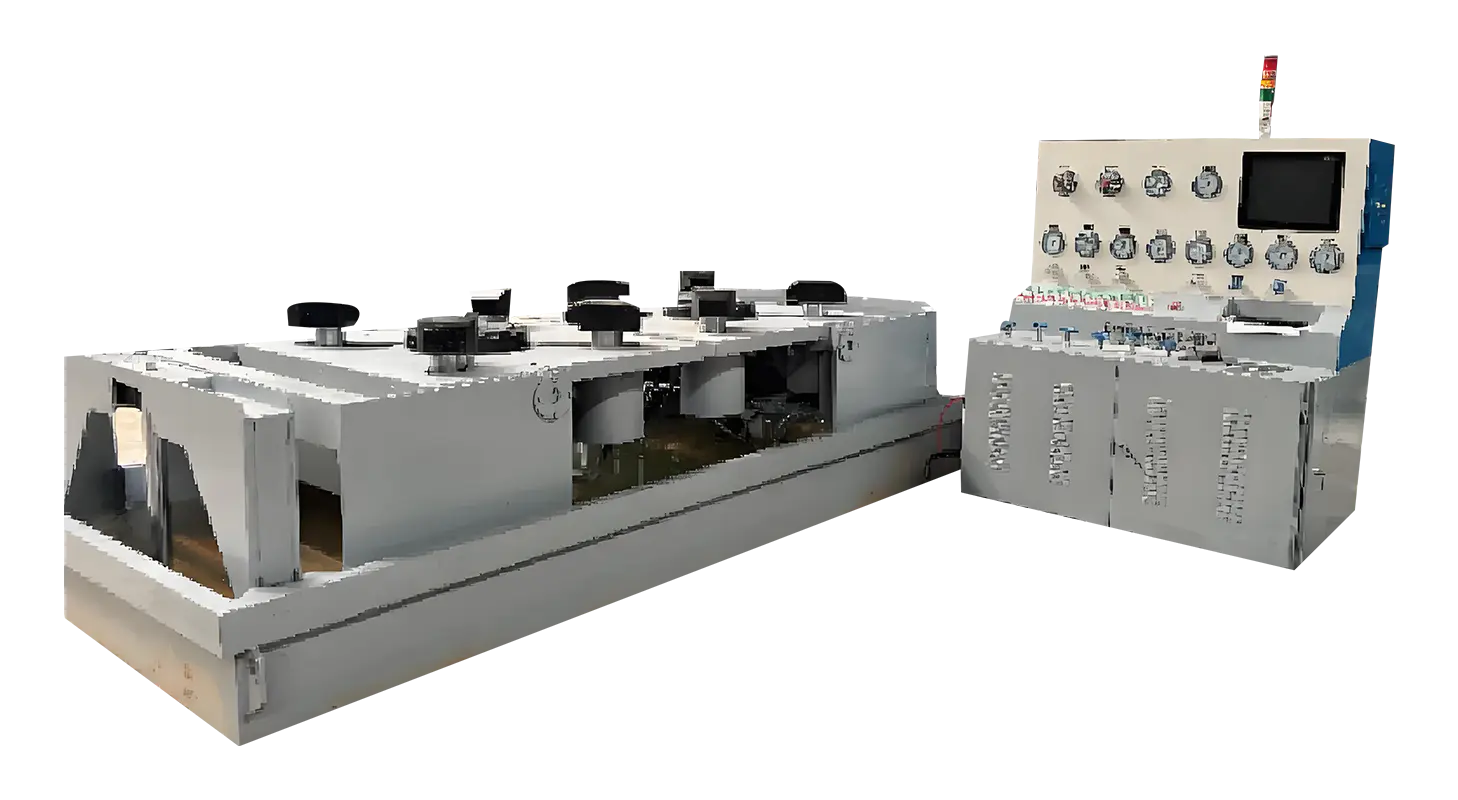
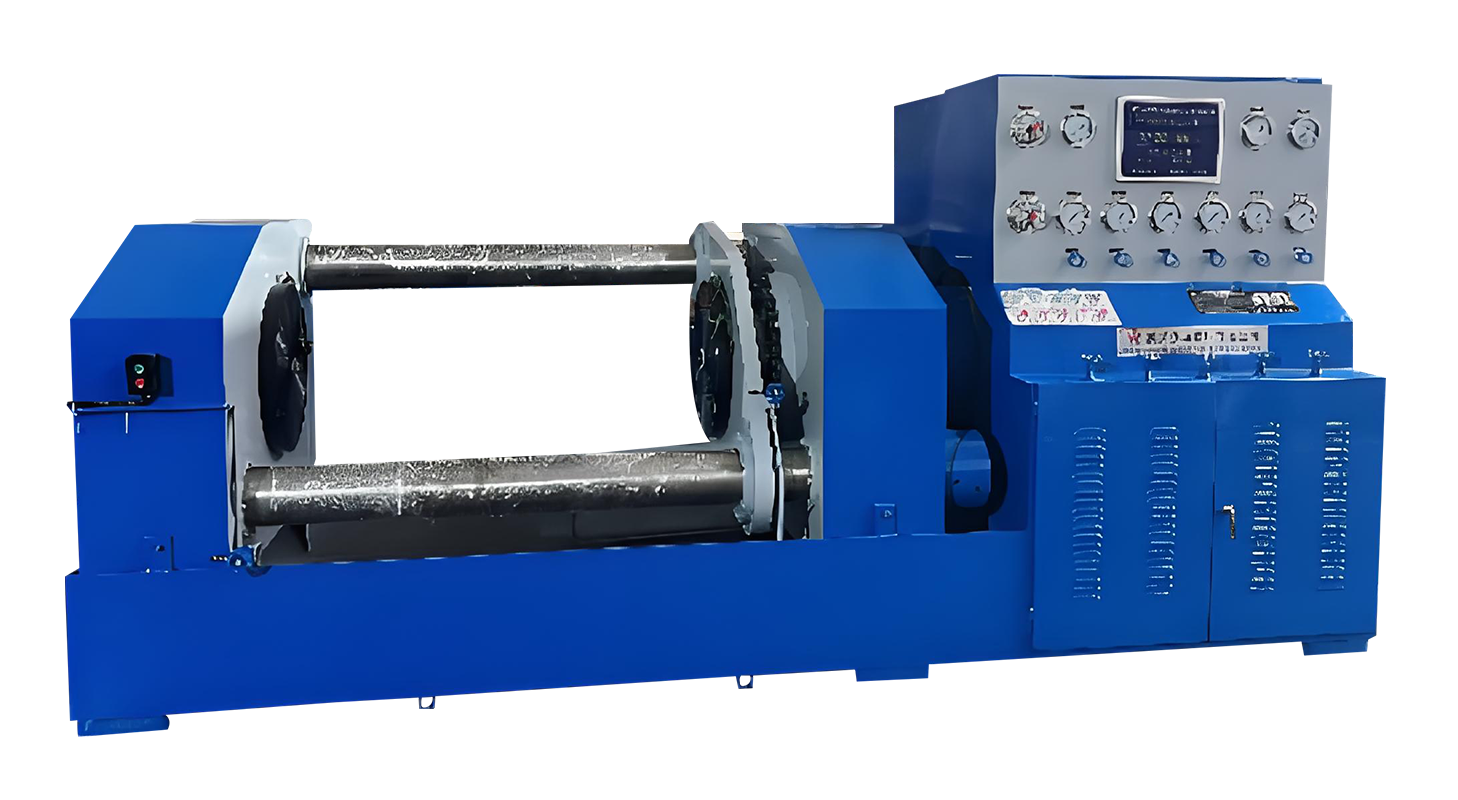
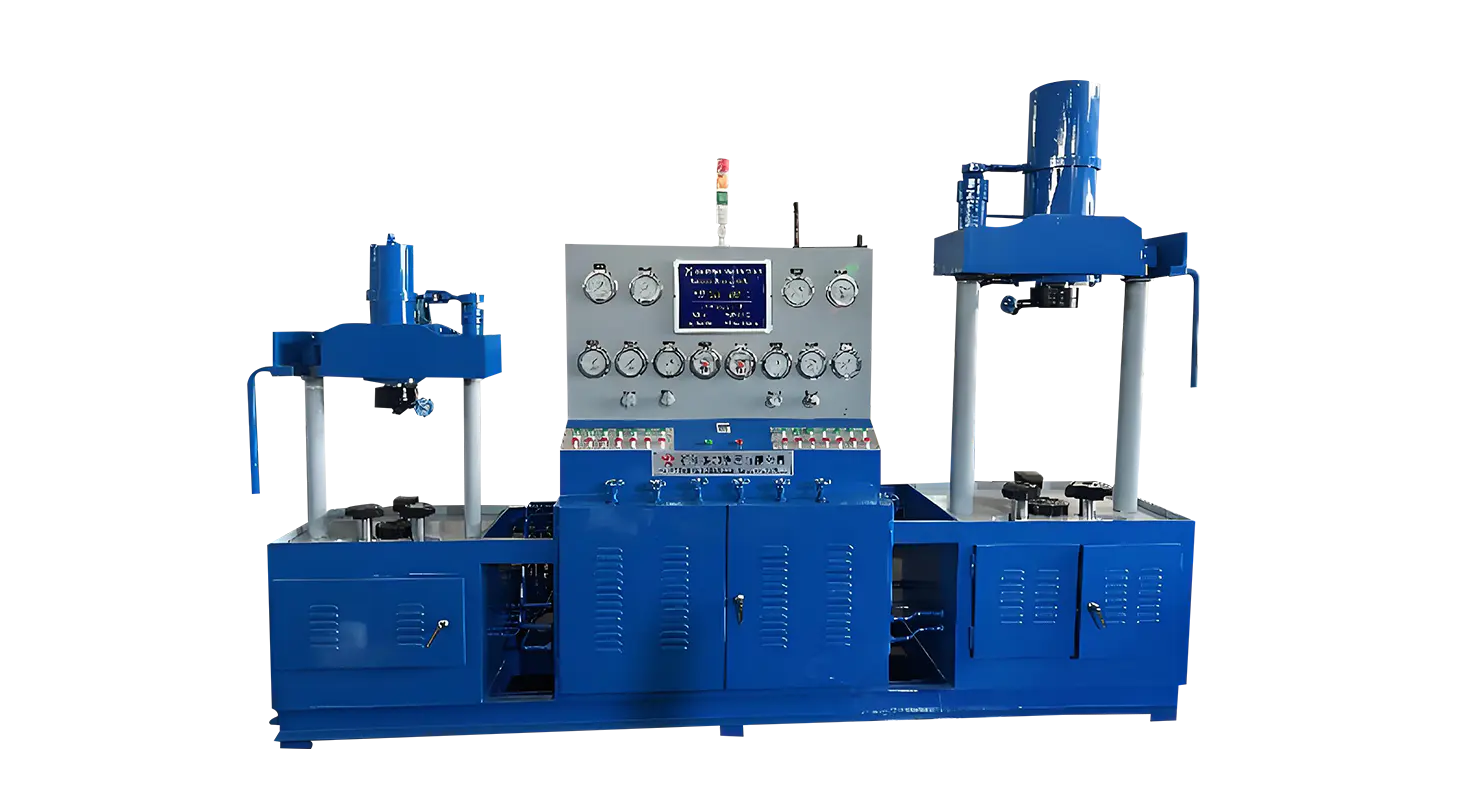
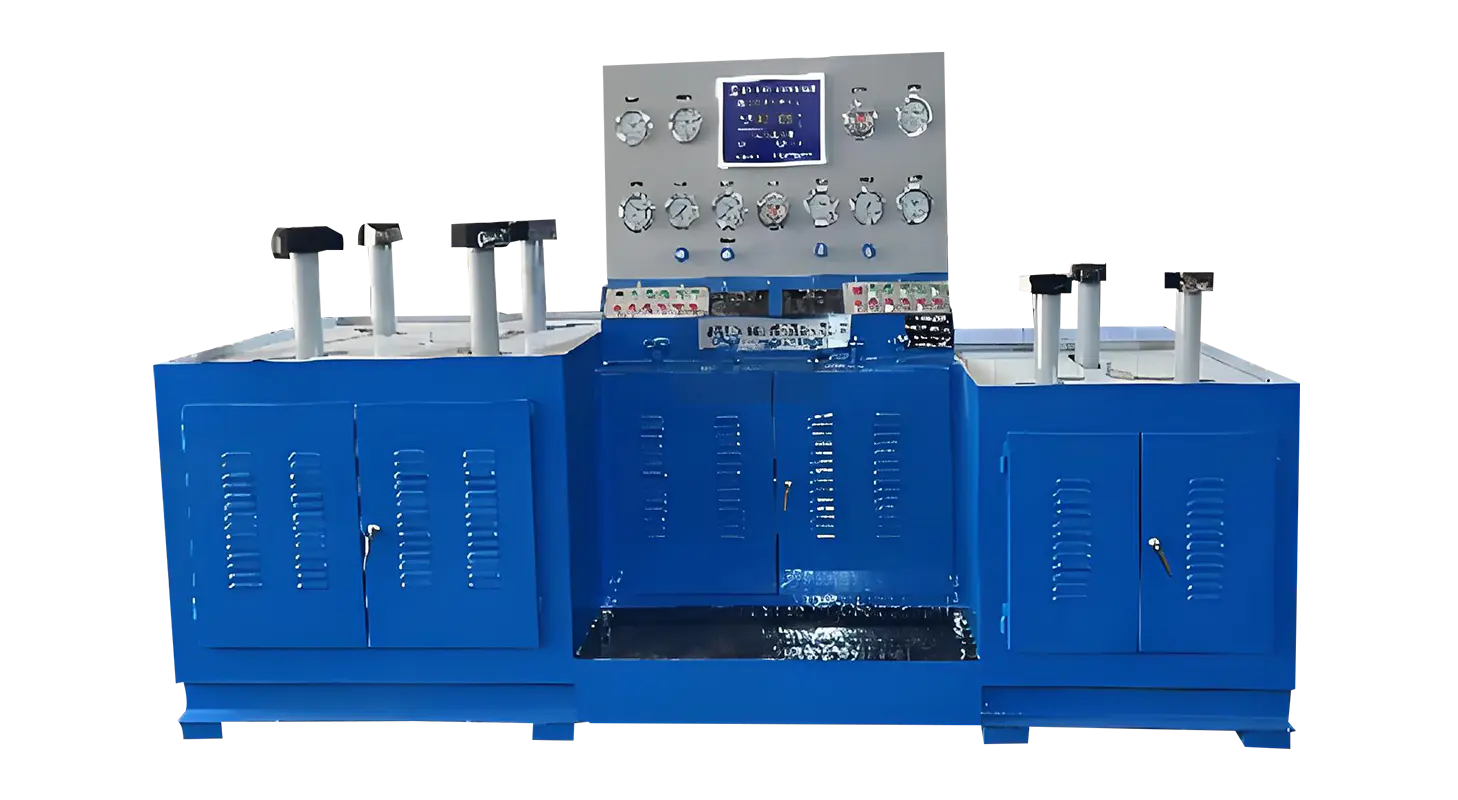
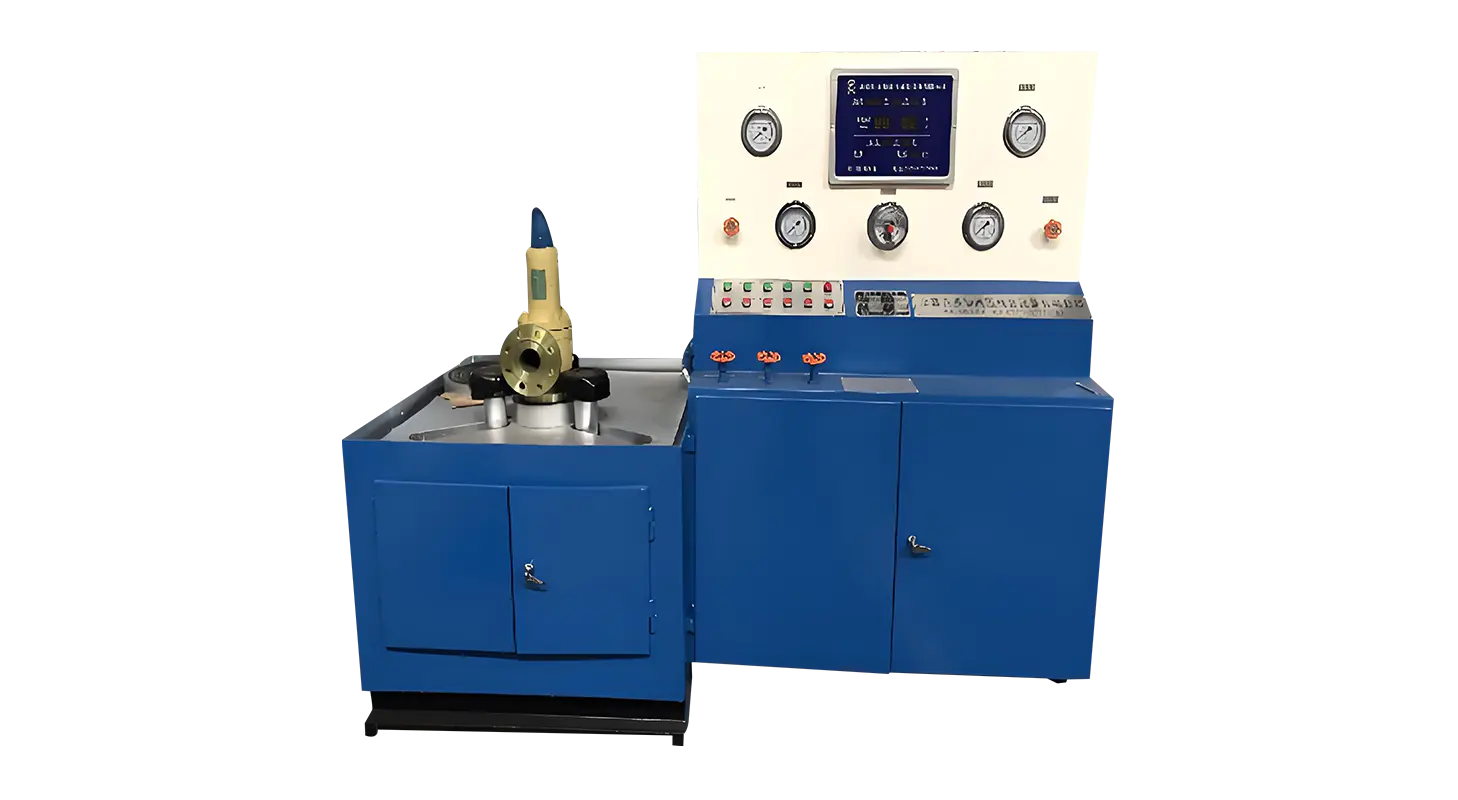
Relief Valve Test Bench and Valve Test Machine are commonly used in industrial maintenance environments where hydraulic safety components need periodic verification and performance tracking. Within plant systems, these testing tools are often introduced into maintenance routines to observe pressure behavior, validate relief response, and collect data that can support early-stage fault identification before system interruption occurs.
Industrial plants that rely on hydraulic circuits face continuous operational load, where valves are exposed to repeated pressure cycles over long periods. Relief valves play a key role in controlling abnormal pressure buildup, but their performance can gradually change due to wear, contamination, or sealing degradation. In many cases, these changes do not appear suddenly but develop over multiple operating cycles.
Traditional maintenance methods often rely on scheduled inspection or reactive repair after abnormal system behavior is detected. This approach can make it difficult to identify early performance drift in relief valves. A Relief Valve Test Bench is introduced to provide a structured environment where pressure response can be evaluated under controlled conditions, while a Valve Test Machine supports broader valve function verification within the same maintenance workflow.
Without systematic testing, it becomes harder to track small variations in opening pressure or response timing, which are often early indicators of mechanical or sealing changes.
Modern testing systems have moved from isolated manual checks toward integrated pressure simulation and data recording processes. A Relief Valve Test Bench is typically designed to apply controlled hydraulic pressure in gradual steps, allowing observation of the valve’s opening and reseating behavior. A Valve Test Machine extends this capability by supporting multiple valve types and pressure scenarios within a unified platform.
In practical operation, testing systems now often include structured monitoring elements:
Instead of focusing only on whether a valve opens or closes, the testing process now includes how the valve behaves across repeated cycles. This shift supports maintenance teams in building a performance history for each component, which can later be used for condition-based assessment.
Within plant systems, Relief Valve Test Bench setups are commonly installed in maintenance workshops or inspection stations where hydraulic components are regularly serviced. These systems are used during scheduled shutdowns or routine maintenance windows to evaluate whether relief valves still respond within expected pressure ranges.
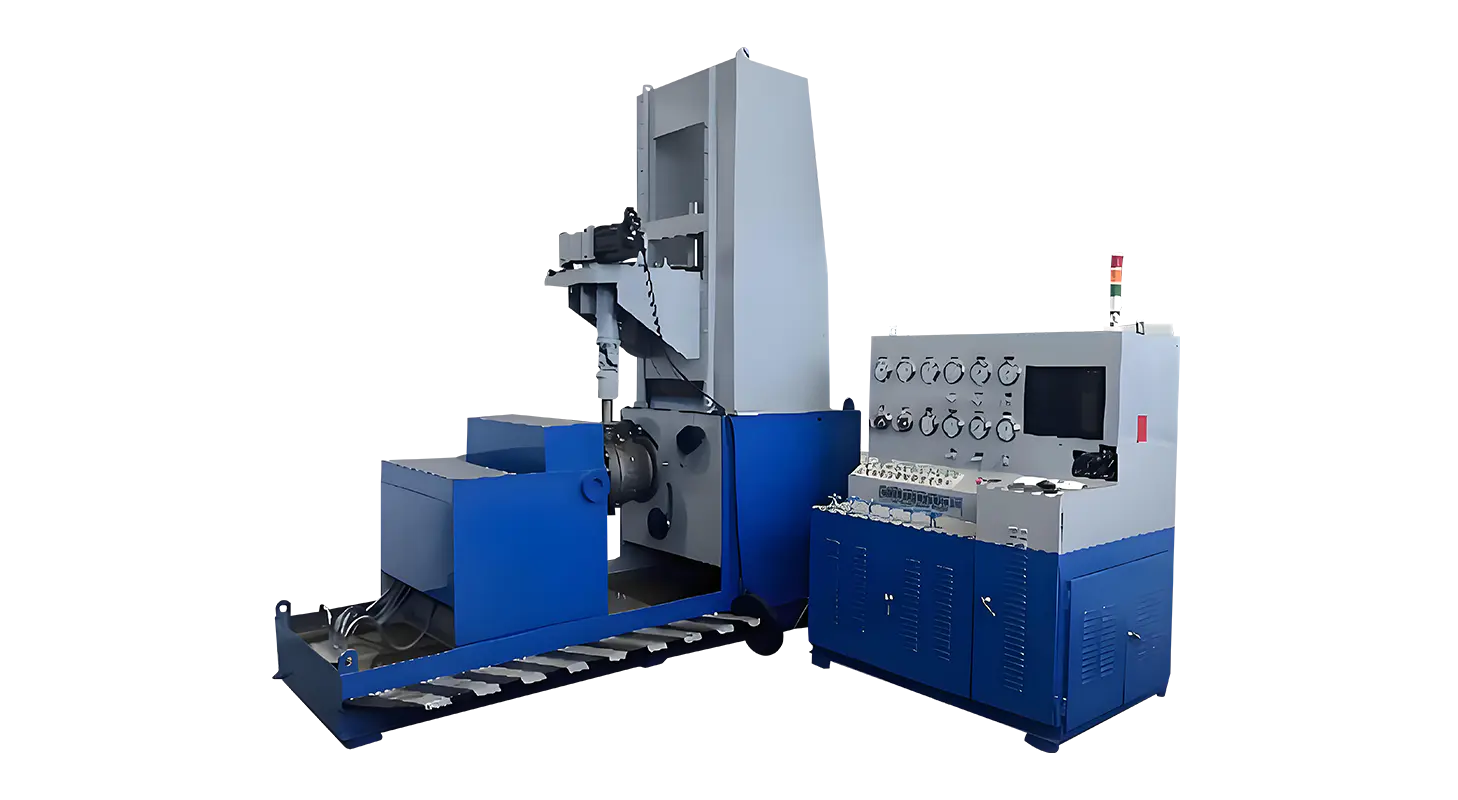
A Valve Test Machine is often used alongside it when multiple valve types need verification, especially in facilities that operate mixed hydraulic systems. The combined use of both systems allows maintenance teams to separate general valve function checks from safety-specific pressure response testing.
Typical application areas include:
In these environments, testing is not limited to new components. Used or repaired valves are also frequently tested before being returned to service, ensuring their behavior is documented under controlled pressure conditions.
During routine testing with a Relief Valve Test Bench, plants often record performance data over time to observe changes in valve behavior. Below is an example of how such data may be structured for maintenance reference:
|
Test Parameter |
Observation Range |
Maintenance Note |
|
Opening Pressure |
11–14 MPa |
Slight variation across cycles |
|
Reseating Pressure |
9–12 MPa |
Gradual return observed |
|
Cycle Stability |
5–10 repeated tests |
Consistent within range |
|
Leakage Condition |
Low to moderate |
Related to sealing wear |
|
Response Delay |
0.2–0.7 seconds |
Small fluctuation noted |
This type of structured data helps maintenance teams compare current valve behavior with previous records. When gradual changes appear across multiple test cycles, technicians can plan maintenance actions rather than waiting for visible system failure.
Predictive maintenance relies on identifying performance trends before equipment failure occurs. Relief valve testing plays a direct role in this process by providing measurable data on pressure response behavior over time. When combined with a Valve Test Machine, maintenance teams can evaluate both general valve function and safety-specific response patterns within a single monitoring framework.
Instead of replacing components based on fixed time intervals alone, plants can use test data to determine whether a valve still performs within expected operational ranges. This approach helps maintenance planning shift toward condition-based decisions.
Key contributions of this testing approach include:
A typical Relief Valve Test Bench setup follows a structured testing cycle. Pressure is gradually applied to the valve until opening behavior is observed, followed by controlled pressure release to evaluate reseating performance. This cycle is repeated multiple times to ensure consistent observation across different pressure stages.
The testing process usually involves:
This structured approach allows technicians to observe not only single-point behavior but also stability across repeated operations, which is important for long-term maintenance planning.
Related Products
Contact us
Address
Sanqiao Industrial Zone, Oubei, Yongjia County, Zhejiang Province, China
Phone
+86-13676520568
Telephone number
+86-13676520568
Fax
products
Quick Links
QR CODE