English
 русский
 عربى
عربى
Get in touch
Get in touch
May 01, 2026
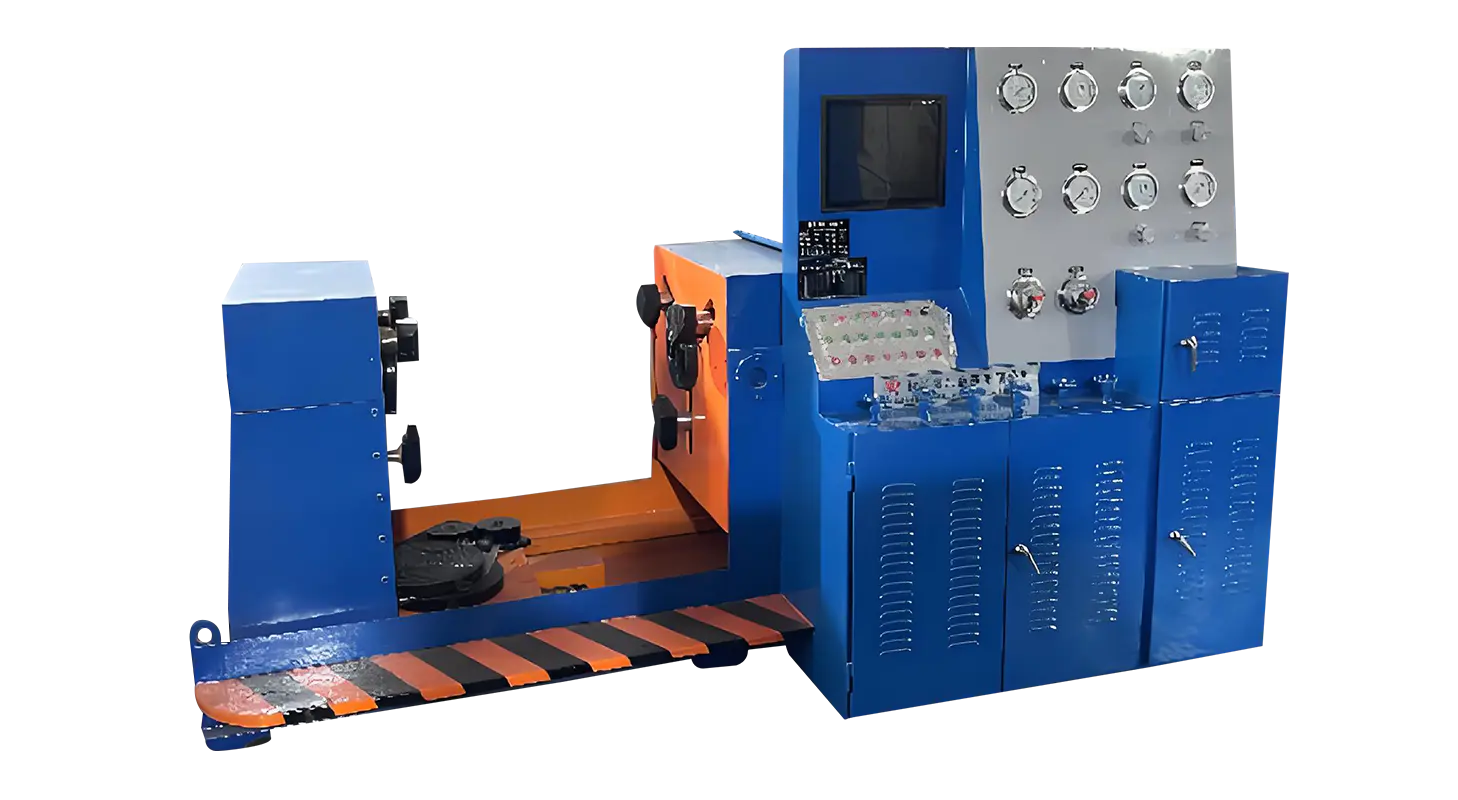
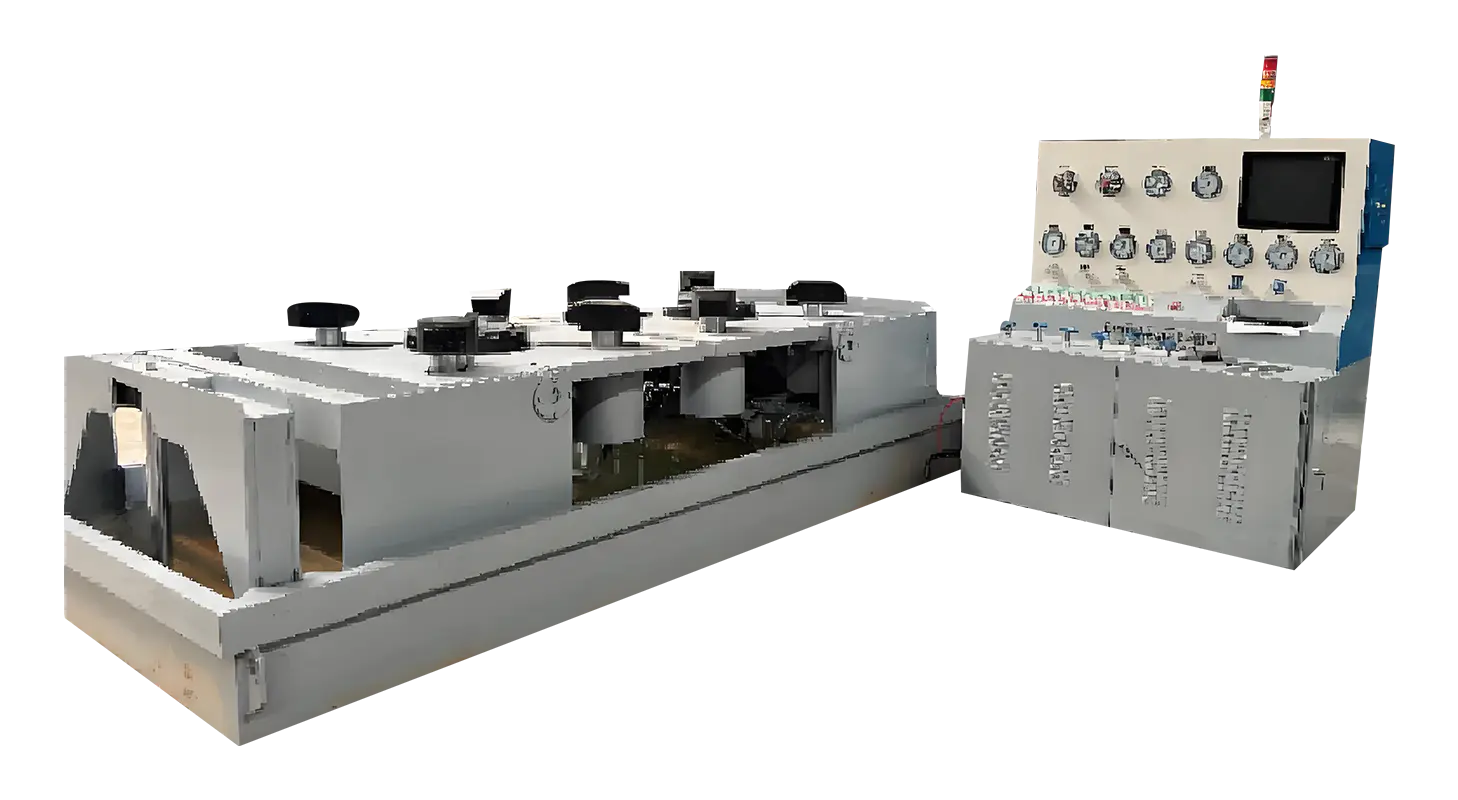
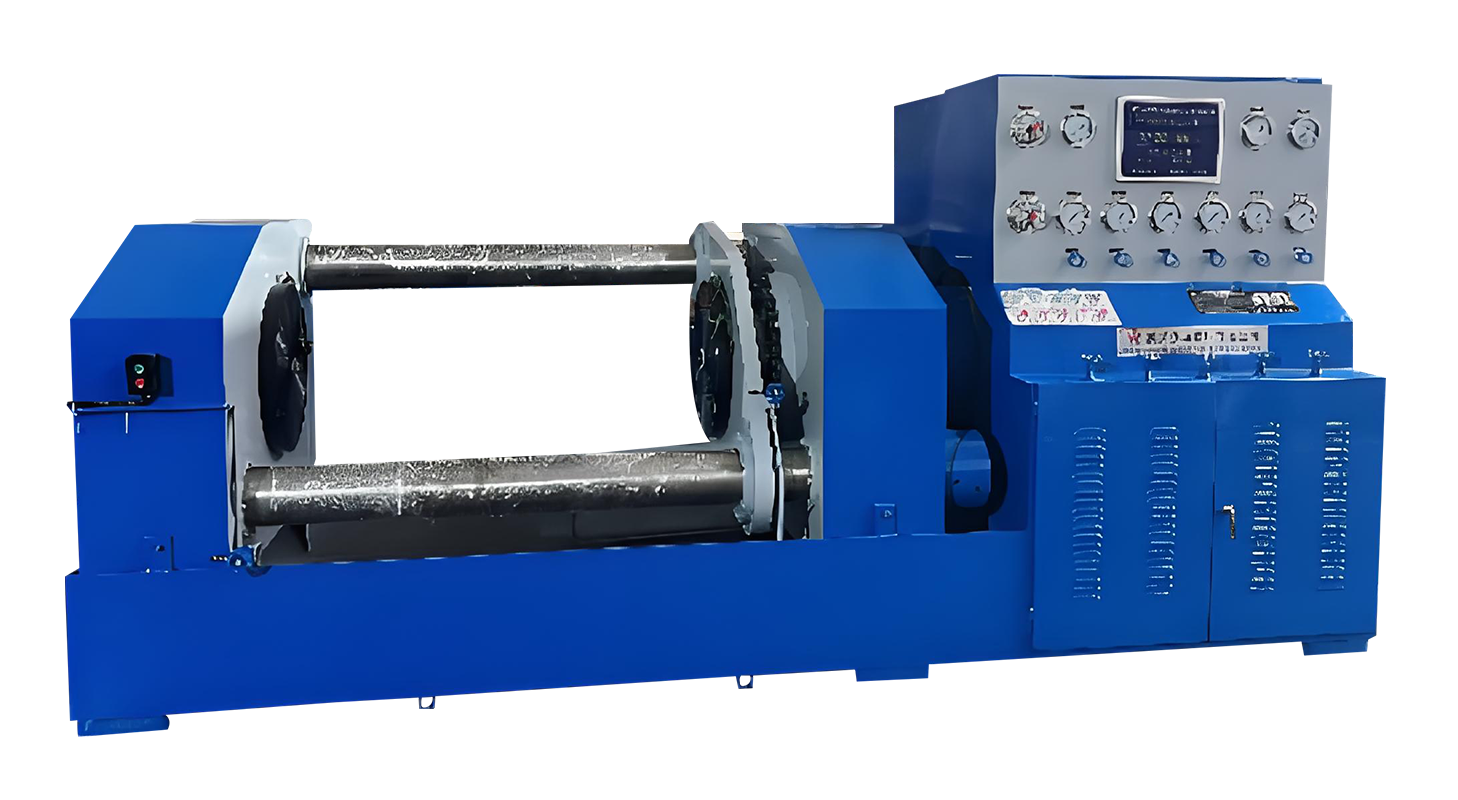
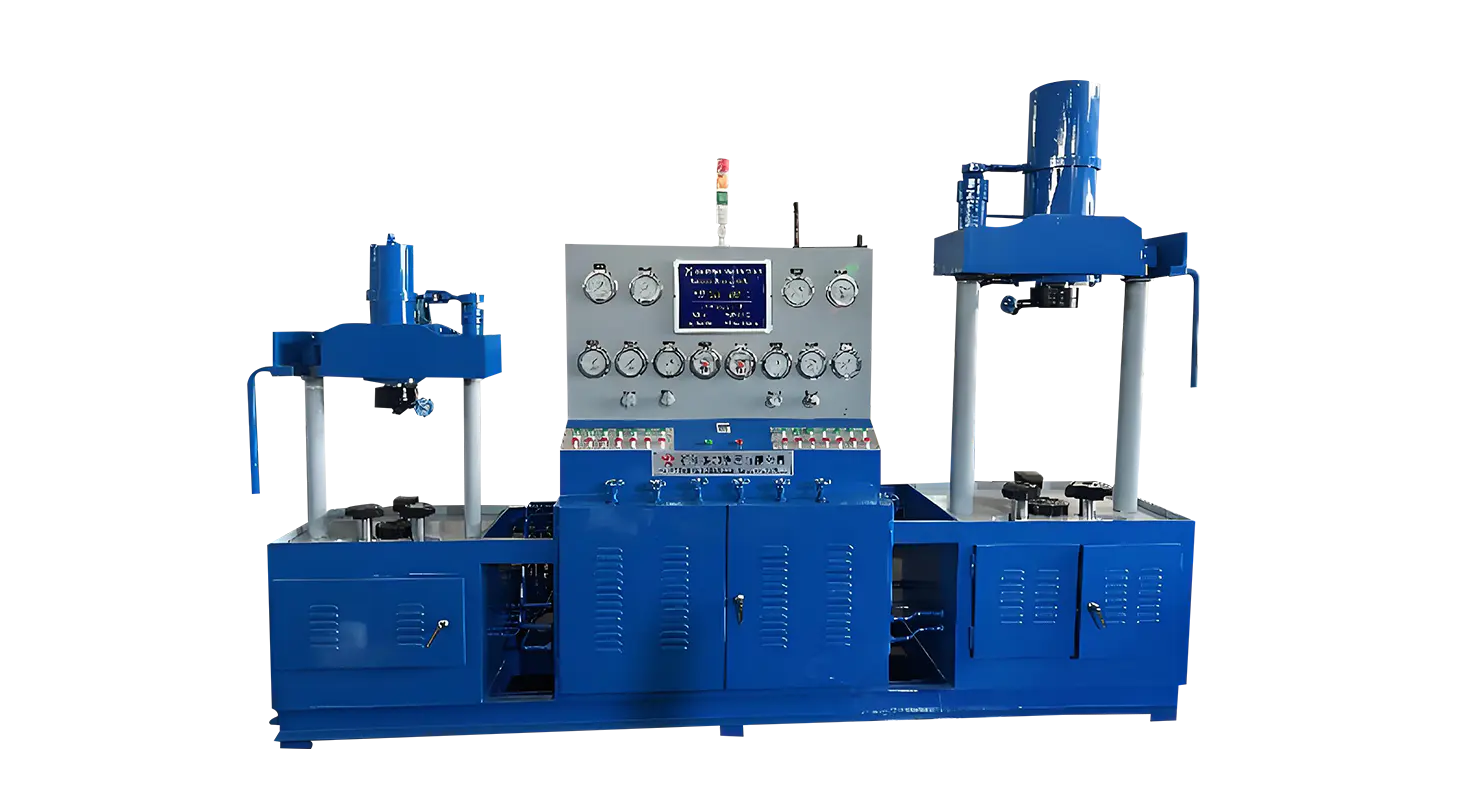
Hydraulic Valve Test Bench and Valve Test Bench are essential tools for assessing the operational performance of hydraulic valves before they are installed in industrial systems. Using these test benches during production allows technicians and engineers to verify the functional characteristics, pressure handling, and response accuracy of valves. By integrating testing into the production process, potential issues can be detected early, reducing downtime during system installation and operation.
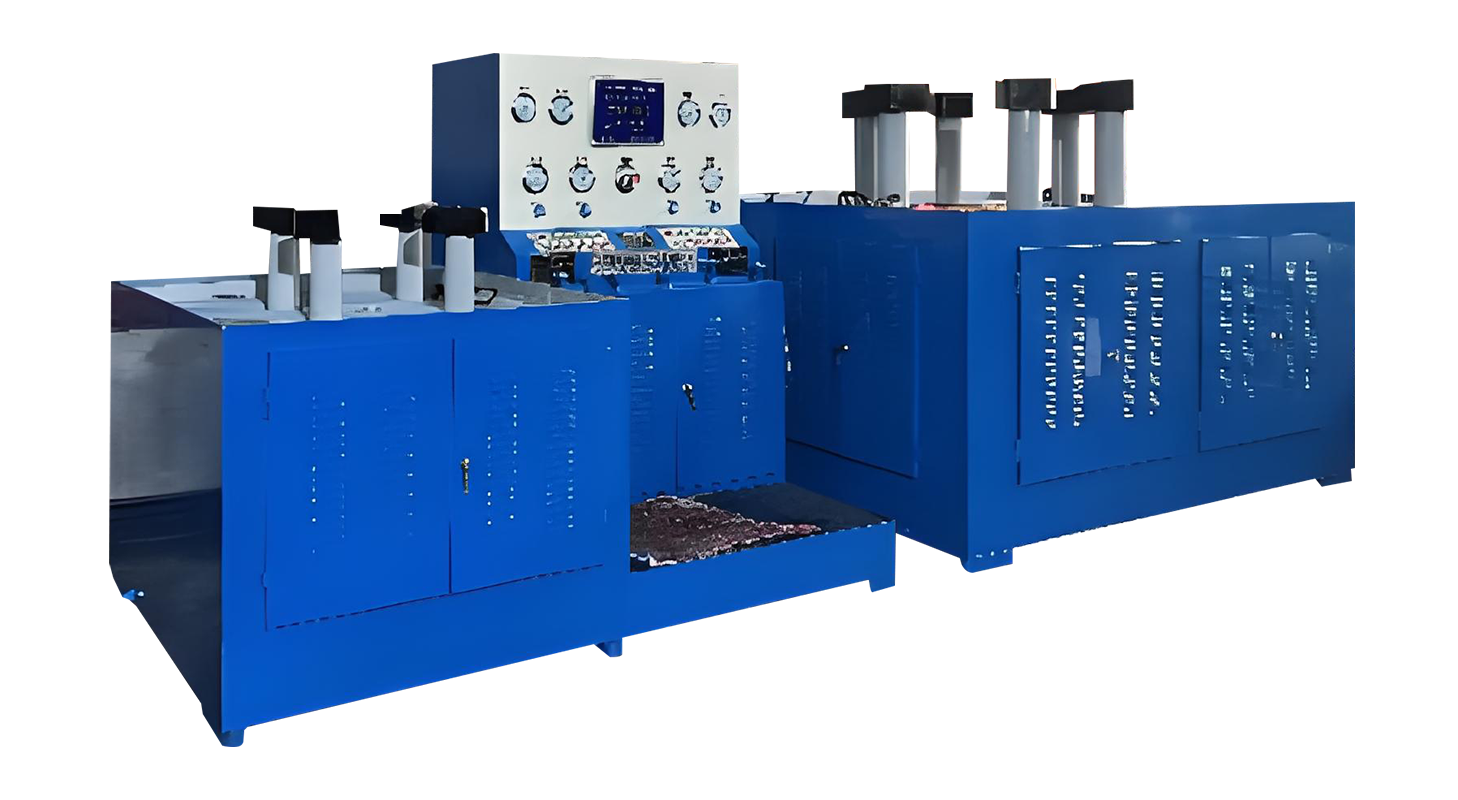
Using a hydraulic valve test bench is particularly beneficial in several production scenarios:
These use cases highlight the practical role of test benches in maintaining production standards and operational readiness.
Hydraulic valves vary in terms of flow rate, pressure handling, and operational cycles. A valve test bench allows users to monitor these parameters under controlled conditions. For example, technicians can observe the valves response to pressure changes, check for unintended leaks, and measure the timing of actuation. The information obtained can guide further adjustments in the production process and ensure that valves meet expected specifications before installation.
Example Parameter Monitoring Table
|
Parameter |
Typical Measurement Range |
Notes on Use |
|
Opening Pressure (bar) |
5–250 |
Confirms activation point matches design |
|
Flow Rate (L/min) |
10–200 |
Checks hydraulic throughput |
|
Leakage (mL/min) |
0–5 |
Detects potential sealing issues |
|
Actuation Response Time (ms) |
50–300 |
Ensures valve timing is consistent |
|
Cycle Test Count |
500–5000 |
Simulates operational lifespan |
Using such a table during testing sessions allows operators to systematically record and compare results, providing a clear overview of valve behavior.
Incorporating a hydraulic valve test bench into the production line can be done in multiple ways. Some facilities opt for a dedicated testing station immediately after assembly, while others use portable test benches to verify valves at different points. Consistent testing helps identify valves that deviate from expected specifications and reduces the risk of installing valves that could affect system performance. Recording test data also supports traceability and documentation for quality audits.
Regular testing during production offers several practical advantages:
These contribute benefits to smoother assembly, reduced rework, and better alignment with system requirements.
Q1: Can a hydraulic valve test bench be used for all types of valves?
A1: Many standard test benches are compatible with a variety of directional, pressure, and flow control valves. However, valves with specialized sizes or integrated electronics may require adapted setups.
Q2: How often should valves be tested during production?
A2: Testing frequency depends on production volume and quality standards. Many facilities test each valve from a batch sample or conduct testing for every unit in critical applications.
Q3: Are test benches suitable for long-term valve durability tests?
A3: While test benches simulate operational cycles, extended lifespan testing may require additional equipment or field testing under actual system conditions.
Q4: What safety precautions are needed when using a valve test bench?
A4: Operators should follow pressure safety guidelines, wear protective gear, and ensure secure connections to prevent fluid leaks or sudden actuation.
Q5: Can test results guide valve adjustments directly?
A5: Yes, technicians can use test data to adjust spring tension, flow paths, or sealing components, depending on the valve design.
Q6: Is documentation of test results necessary?
A6: Maintaining detailed records helps track production consistency, supports audits, and provides reference data for troubleshooting in installed systems.
Related Products
Contact us
Address
Sanqiao Industrial Zone, Oubei, Yongjia County, Zhejiang Province, China
Phone
+86-13676520568
Telephone number
+86-13676520568
Fax
products
Quick Links
QR CODE