English
 русский
 عربى
عربى
Get in touch
Get in touch
Apr 24, 2026
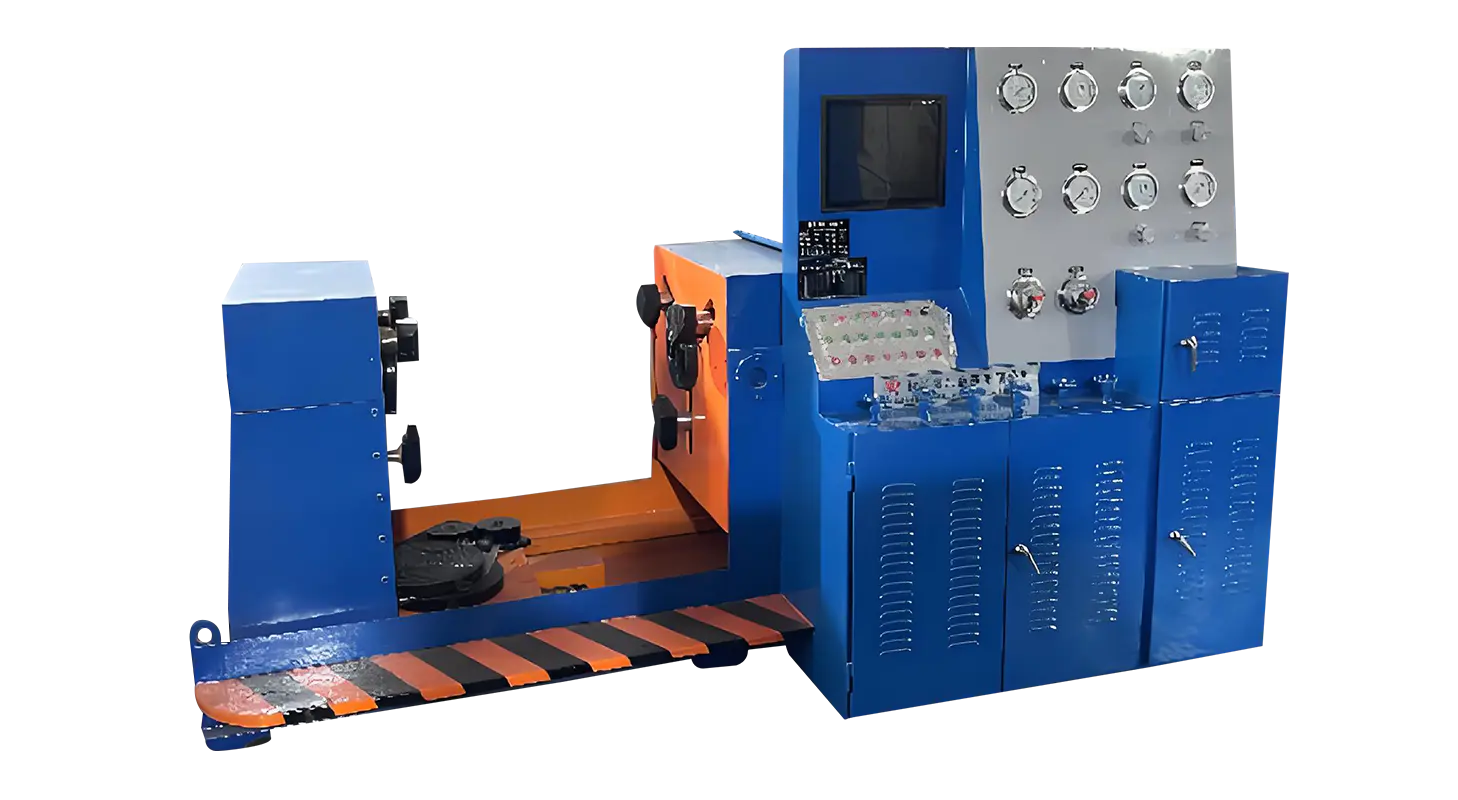
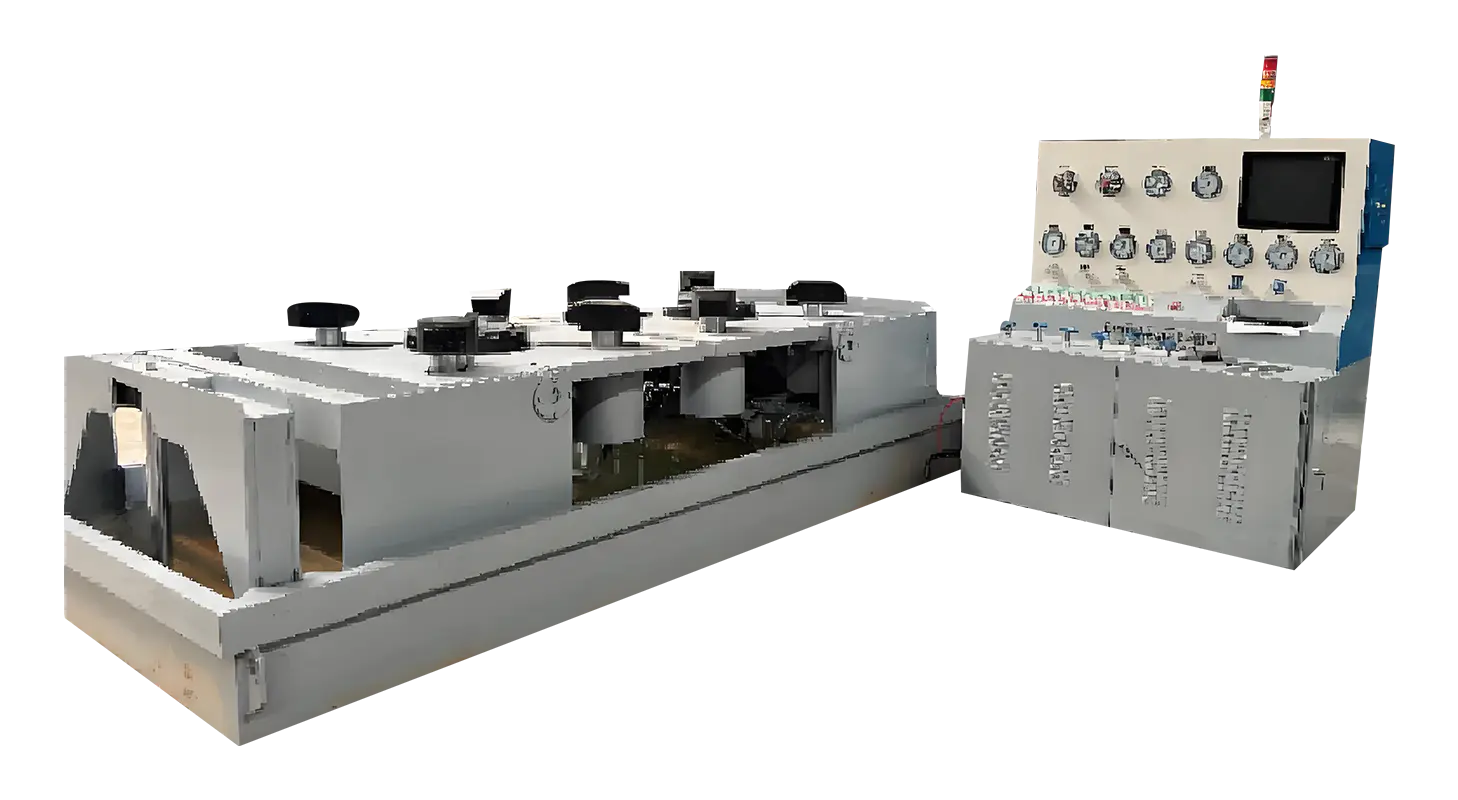
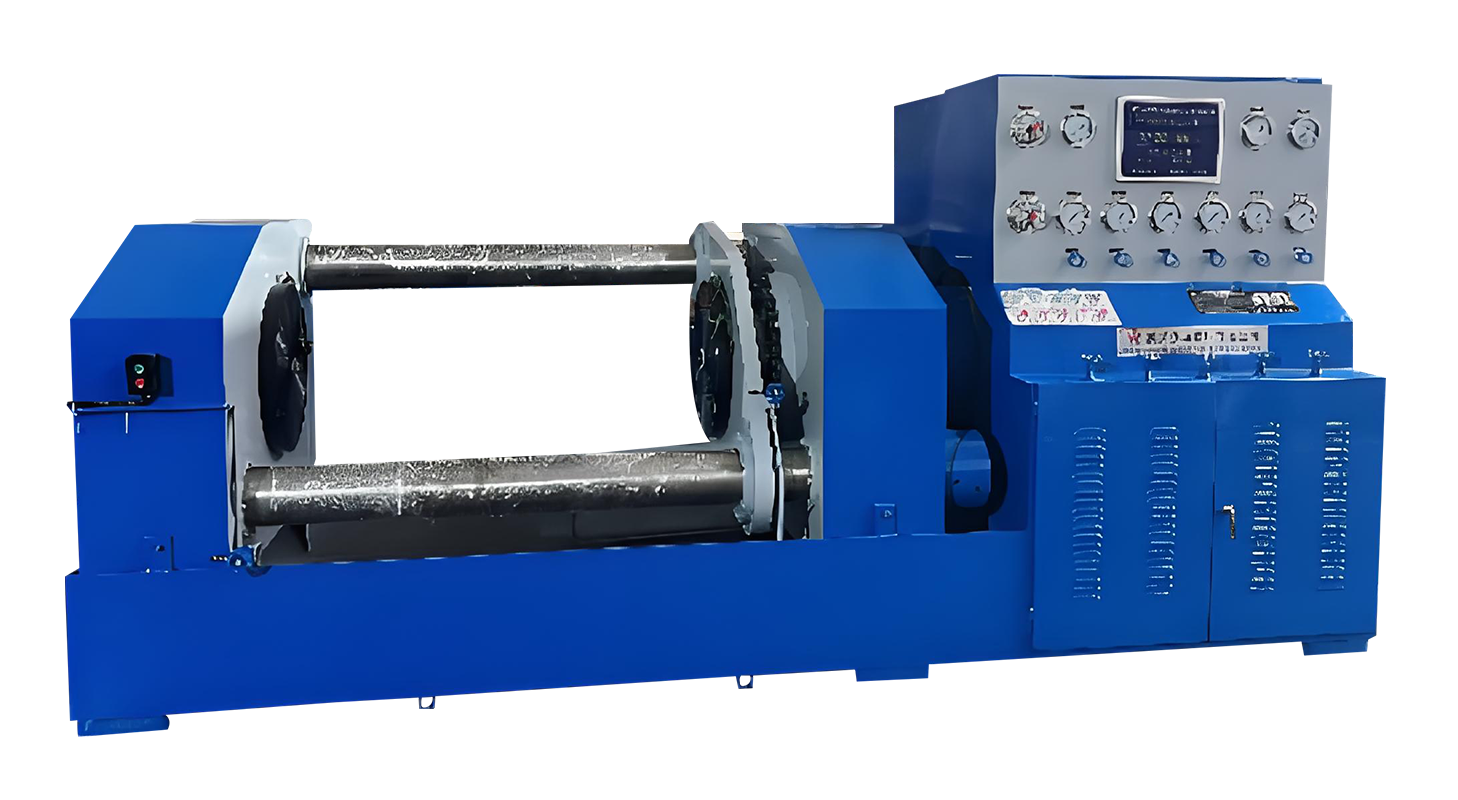
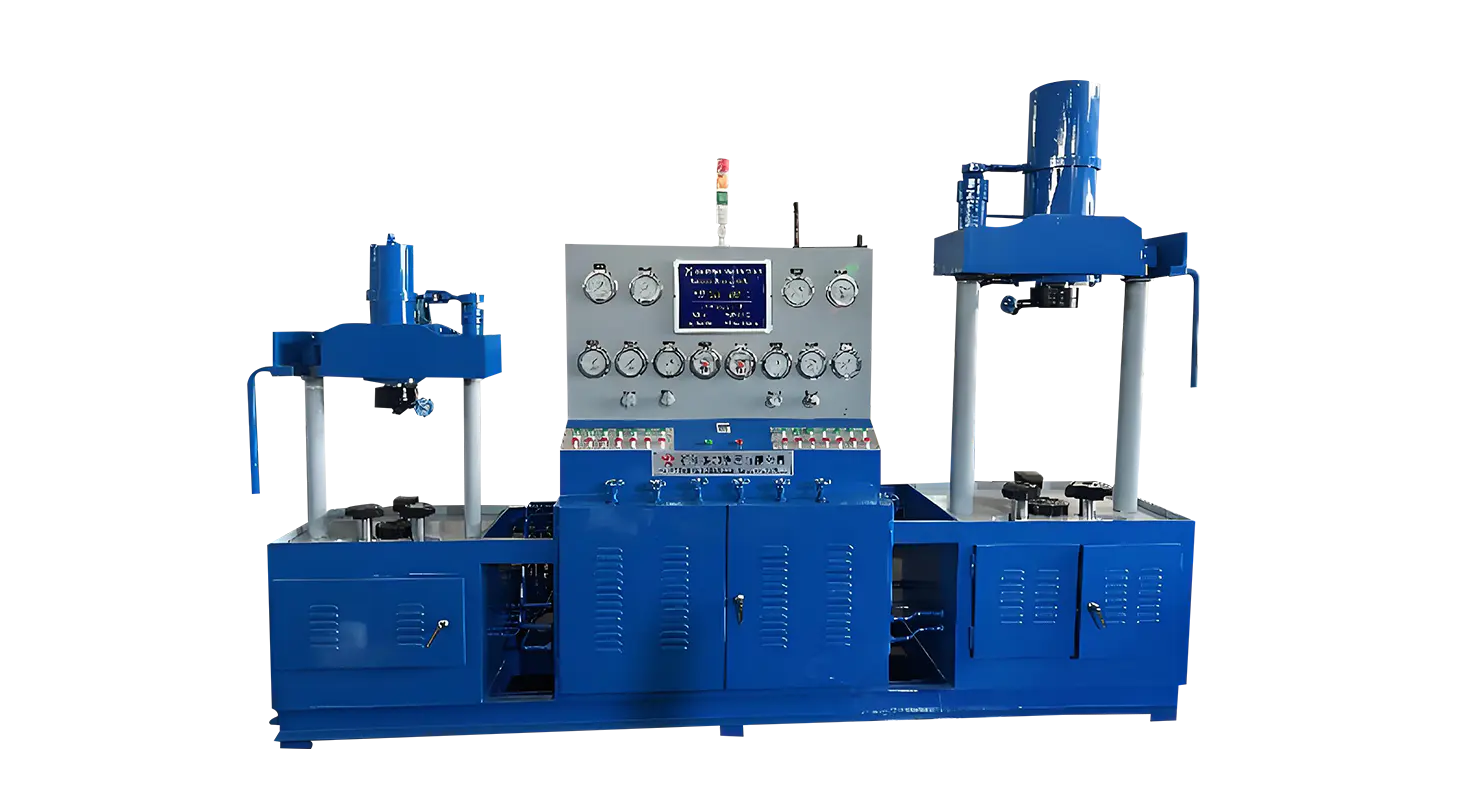
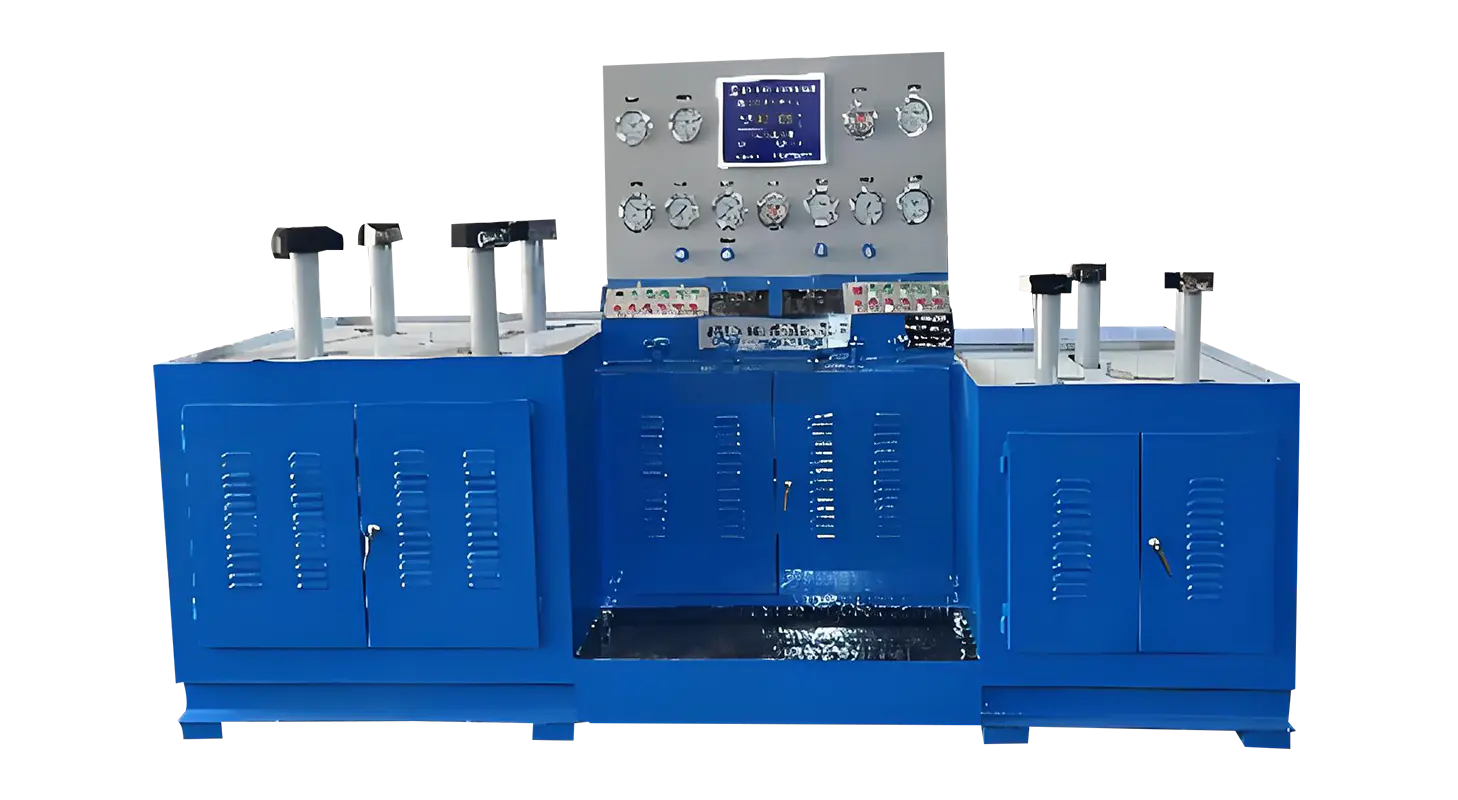
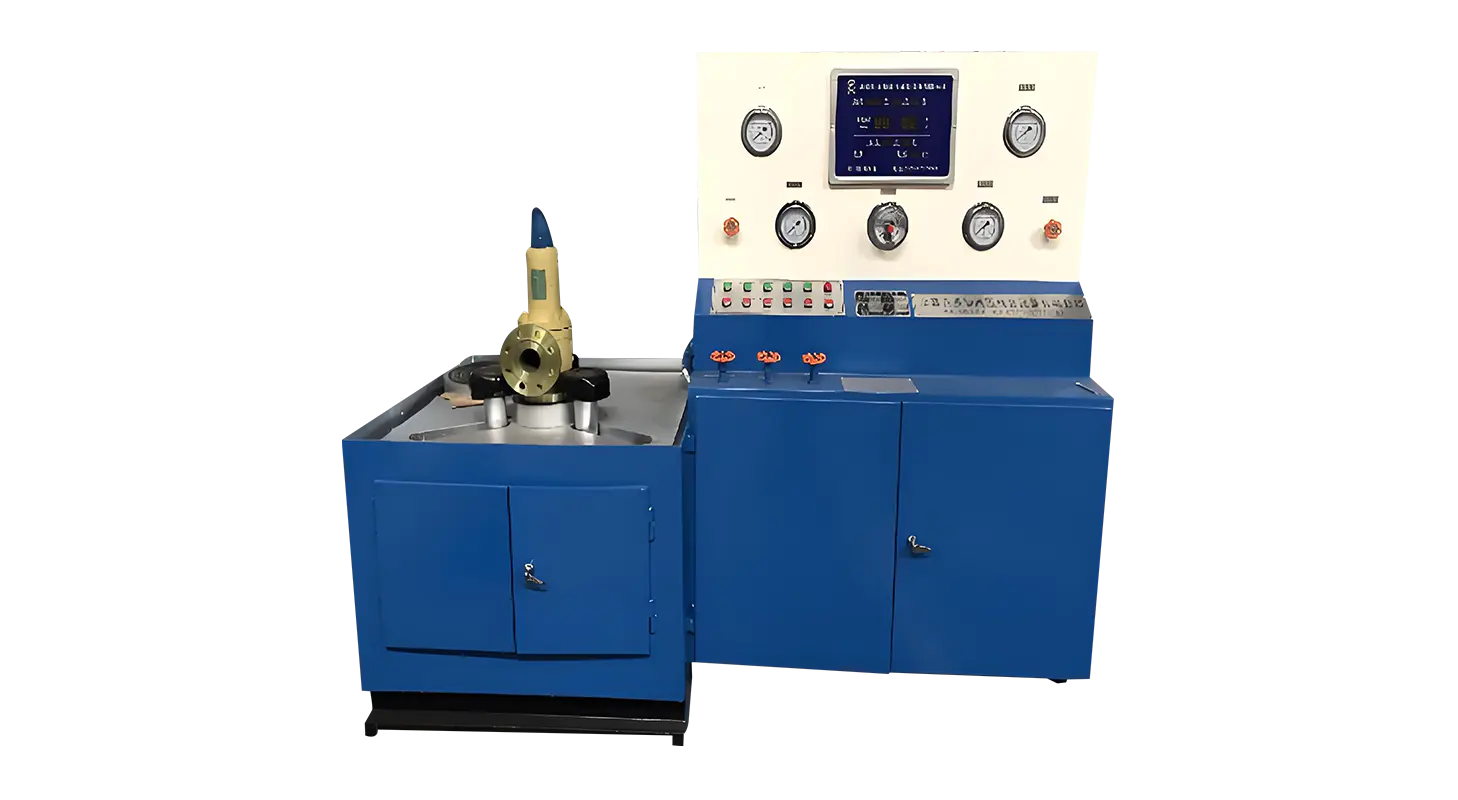
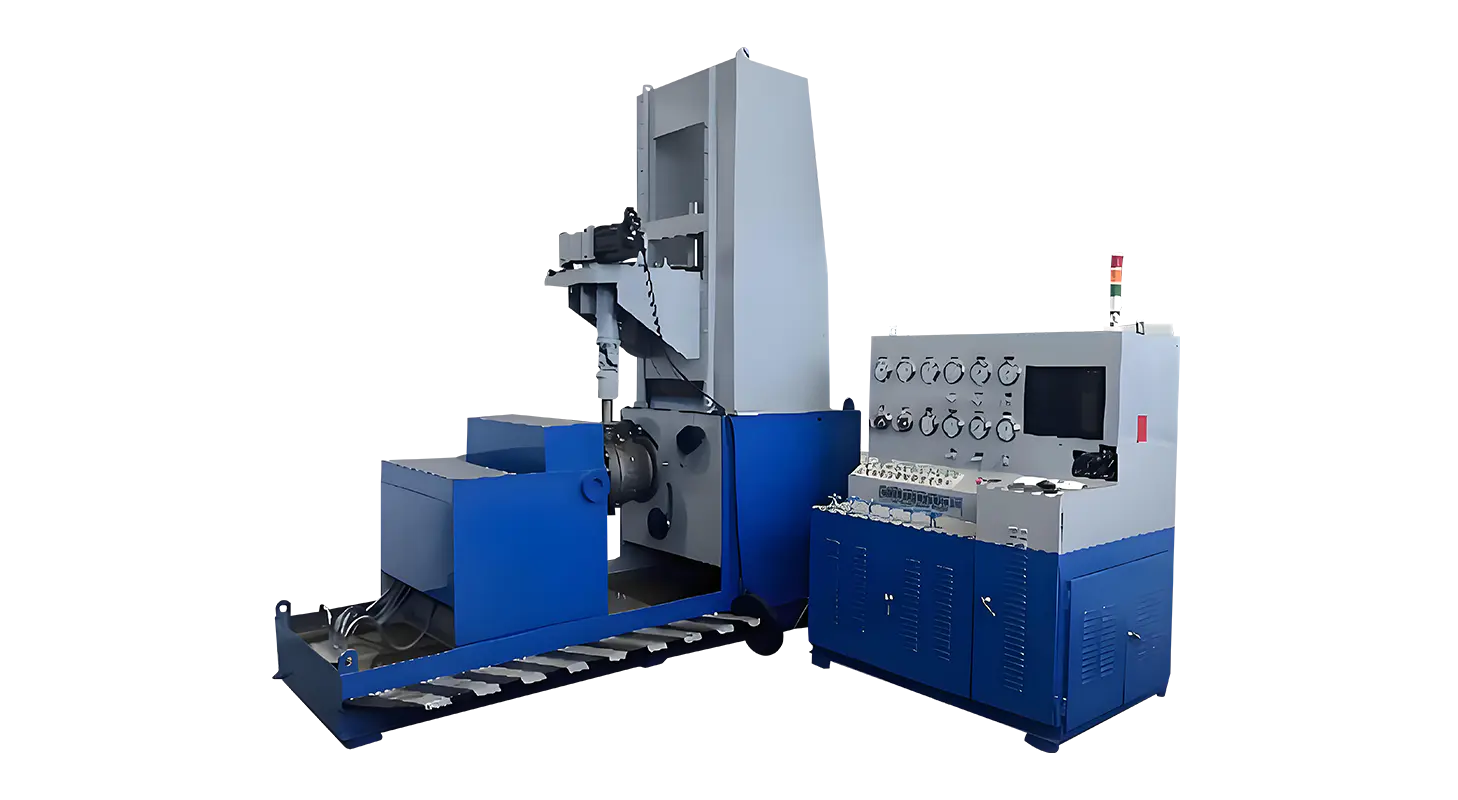
Hydraulic valves are critical components in many industrial systems, and ensuring their proper operation requires careful evaluation. Both the Hydraulic Valve Test Bench and Valve Test Bench provide controlled environments to measure performance, verify functionality, and support operational consistency. By simulating real-world conditions, these testing systems help manufacturers, maintenance teams, and system integrators assess whether valves meet design and safety expectations across different applications.
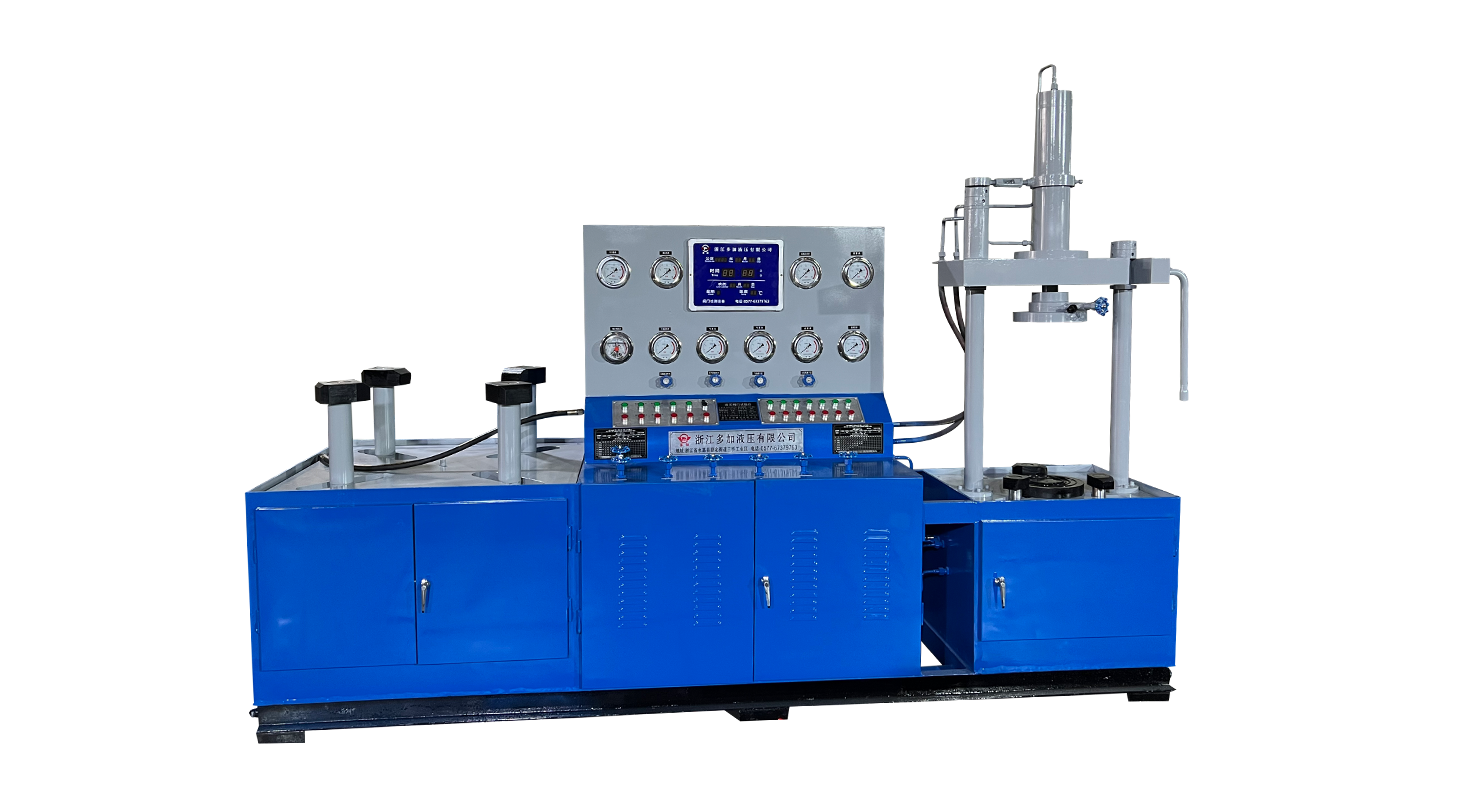
Valve test benches are versatile and can be applied in various industrial settings where hydraulic control and fluid management are essential. They provide a platform to measure valve pressure response, flow characteristics, and leakage rates under repeatable conditions. Common application areas include:
|
Industrial Sector |
Valve Types Tested |
Purpose of Testing |
|
Manufacturing Machinery |
Directional, Pressure Control Valves |
Verify operational stability and repeatability |
|
Construction Equipment |
Flow Control, Check Valves |
Ensure safe hydraulic operation under load |
|
Energy and Power Systems |
Relief and Safety Valves |
Confirm compliance with safety thresholds |
|
Material Handling Systems |
Solenoid and Proportional Valves |
Evaluate response and flow control accuracy |
|
Automotive and Transportation |
Hydraulic Actuation Valves |
Assess performance under dynamic conditions |
|
Process and Chemical Plants |
Control and Isolation Valves |
Prevent leakage and maintain process safety |
These examples demonstrate how valve test benches provide structured evaluation across diverse sectors, making them useful for both production and maintenance purposes.
Using a valve test bench in industrial systems allows teams to detect irregularities before valves are installed or returned to service. Testing supports the verification of mechanical and hydraulic functions, including actuation timing, pressure handling, and flow stability. Recording test results helps teams trace operational performance and identify recurring issues in production or fielded systems.
Additionally, using test benches allows engineers to study valve behavior under controlled but varied conditions, such as pressure fluctuations, temperature changes, and flow variations. This information can guide operational decisions, maintenance schedules, and component selection without relying solely on assumptions or manual inspection.
To use a valve test bench effectively in industrial systems, consider the following points:
These measures support practical application of valve test benches, improving data reliability while keeping testing workflows manageable.
Valve test benches can be integrated into both production lines and maintenance operations. On production lines, they provide batch testing before valves are assembled into systems or shipped. In maintenance settings, they allow fielded valves to be inspected and validated, supporting preventive and corrective interventions.
Automated data logging systems can capture pressure, flow, and leakage readings, providing digital traceability for each valve tested. This approach aligns with documentation requirements and supports quality monitoring over time. Additionally, test benches with adaptable settings can accommodate multiple valve models, reducing the need for separate equipment for each type.
Maintaining the test bench itself is critical for long-term performance. Worn seals, sensor drift, and fluid contamination can impact accuracy. Regular inspection of pipelines, connectors, and measurement instruments helps maintain consistent results. Environmental factors such as workshop temperature and humidity should also be considered, as they can influence fluid properties and sensor readings.
Yes, adjustable fixtures and programmable test settings allow a single bench to accommodate various valve types, including directional, pressure control, and flow control valves.
Calibration frequency depends on usage intensity, but regular checks—monthly or quarterly—are recommended to maintain measurement consistency.
Valve test benches can be used for field maintenance to evaluate returned or worn valves, supporting preventive maintenance and system reliability.
Hydraulic fluid viscosity changes with temperature, which can influence flow and leakage measurements. Controlling or recording temperature during testing helps interpret results accurately.
Automation is not required but can improve data capture, reduce operator errors, and support integration with production monitoring systems.
While test benches provide controlled evaluation, they cannot replicate every possible field condition. Selecting relevant pressure, flow, and temperature settings is important to ensure meaningful test results.
Related Products
Contact us
Address
Sanqiao Industrial Zone, Oubei, Yongjia County, Zhejiang Province, China
Phone
+86-13676520568
Telephone number
+86-13676520568
Fax
products
Quick Links
QR CODE