English
 русский
 عربى
عربى
Get in touch
Get in touch
Apr 17, 2026
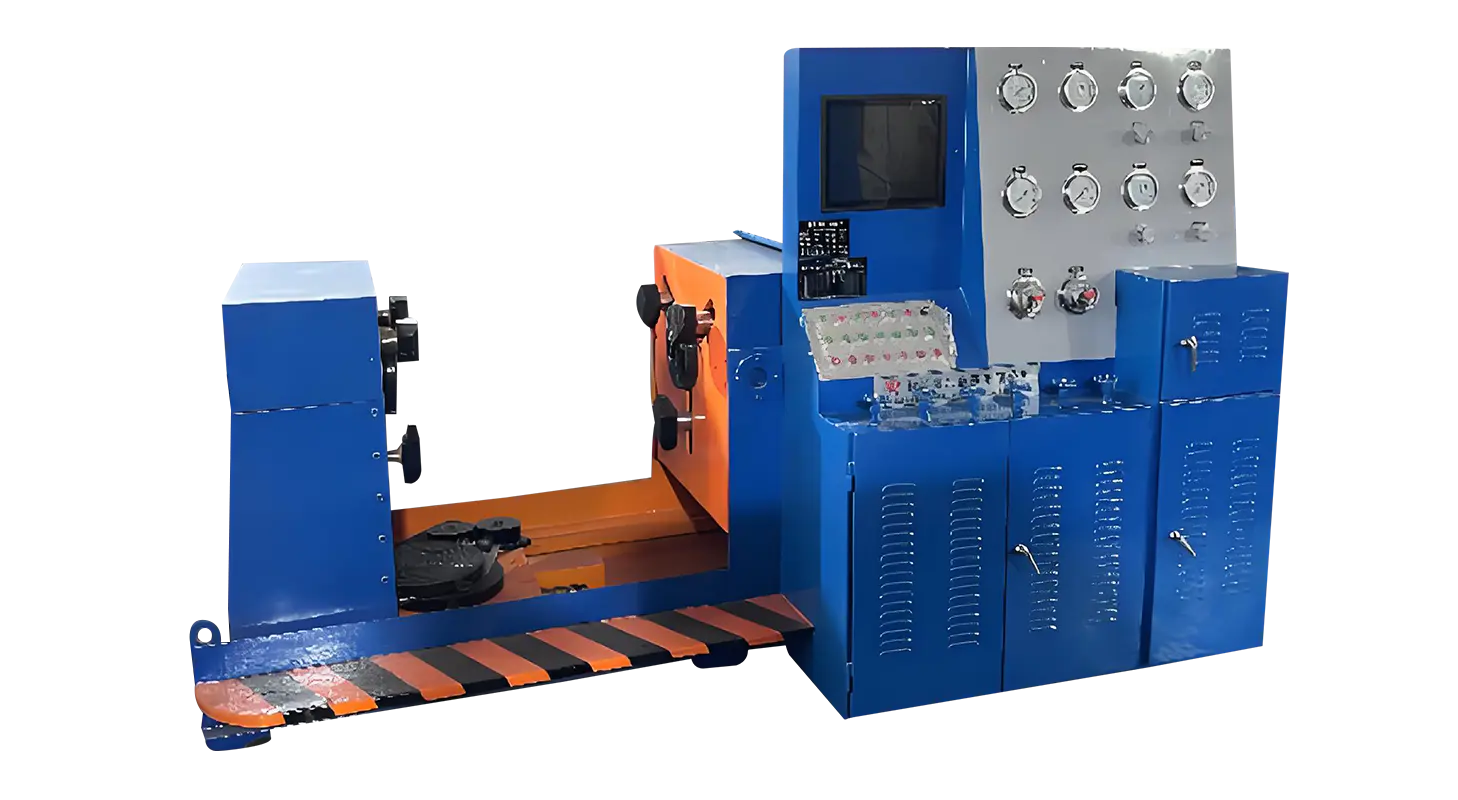
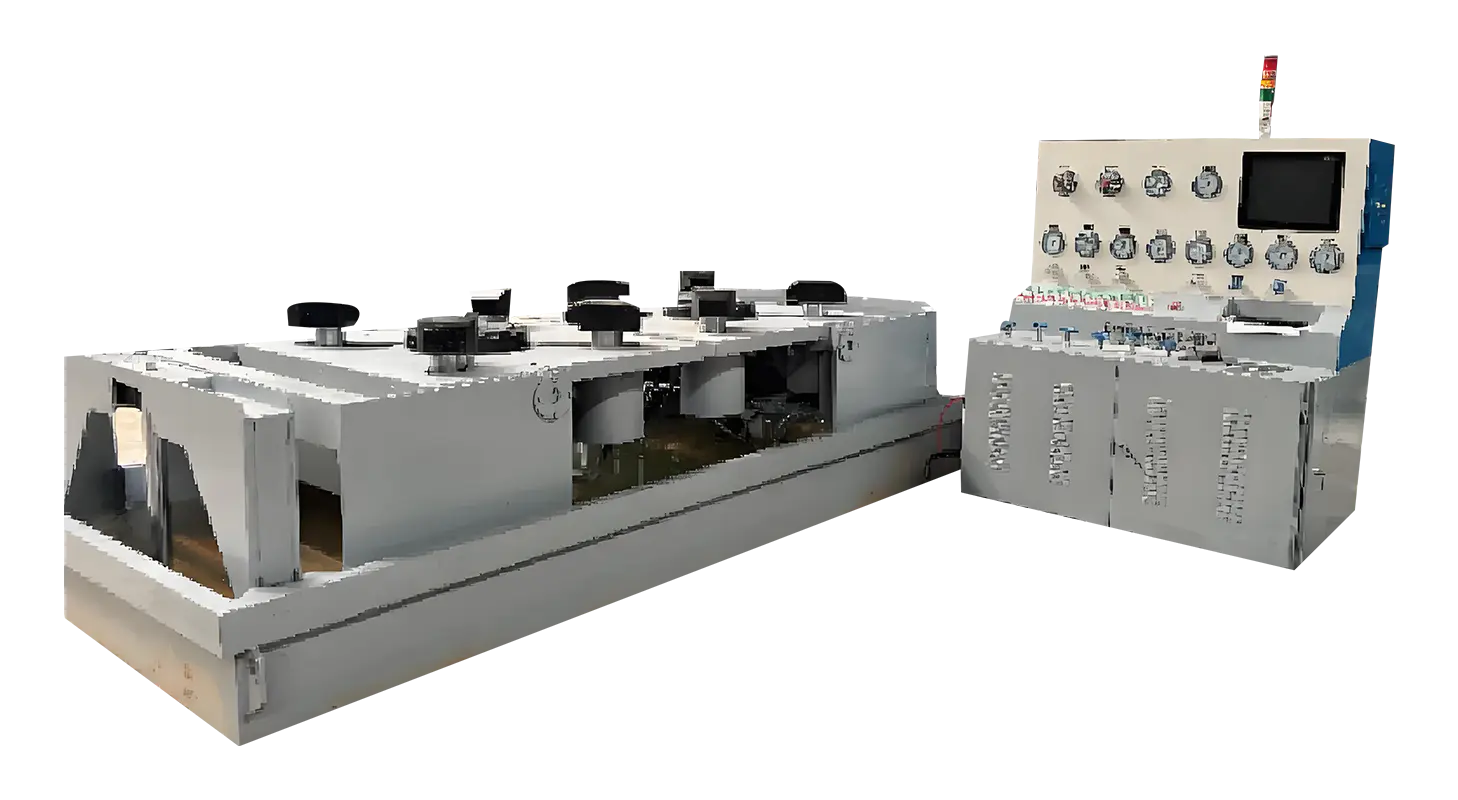
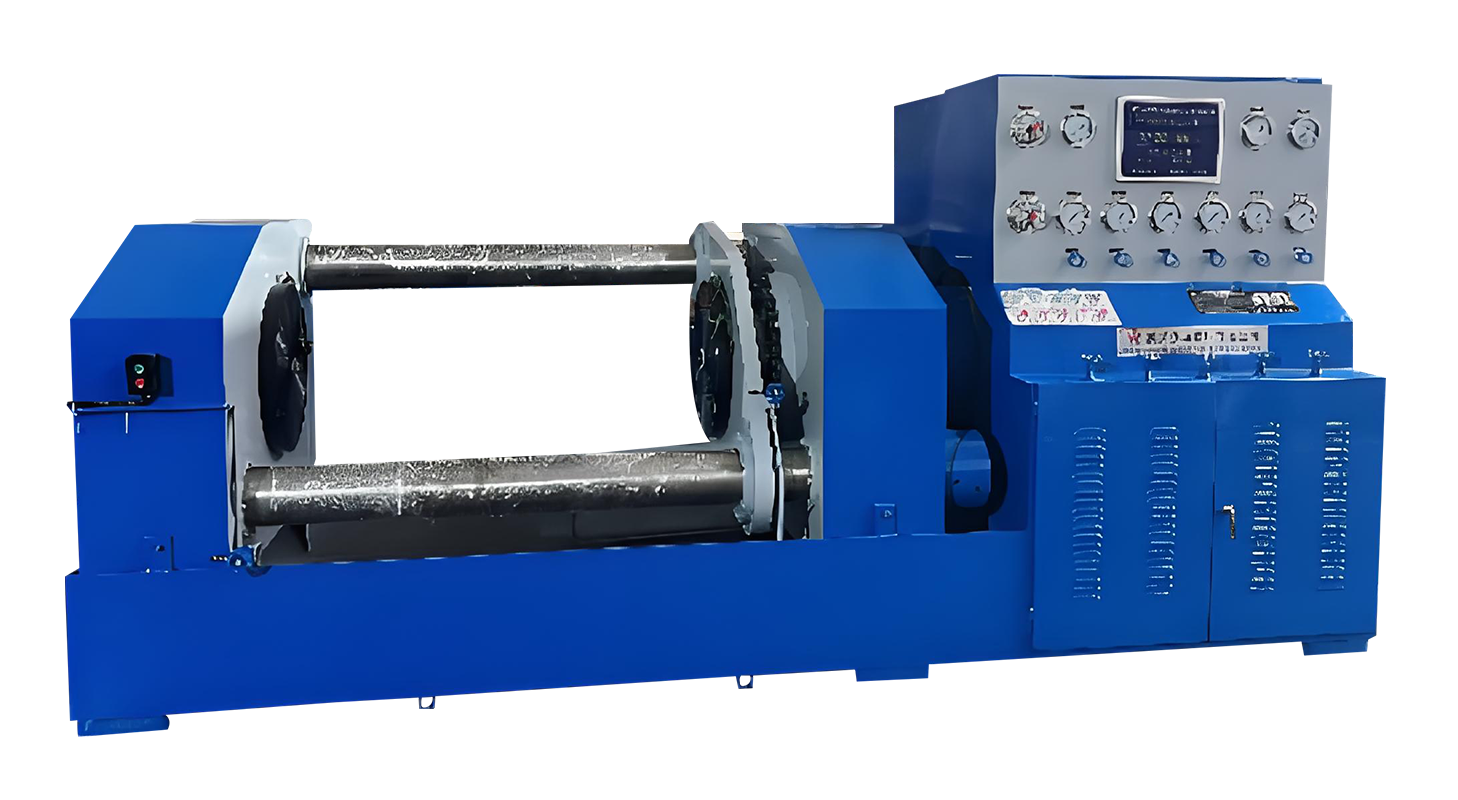
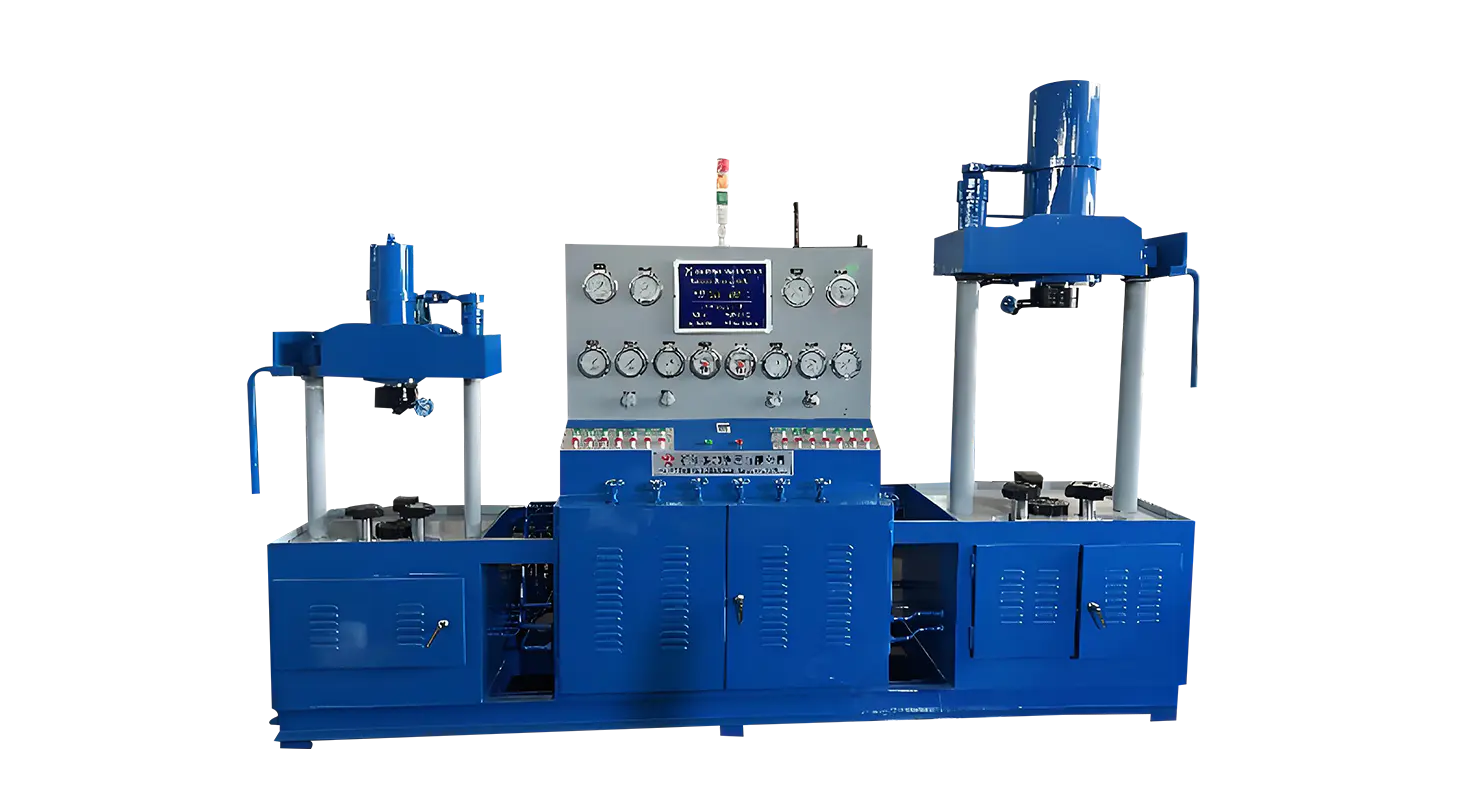
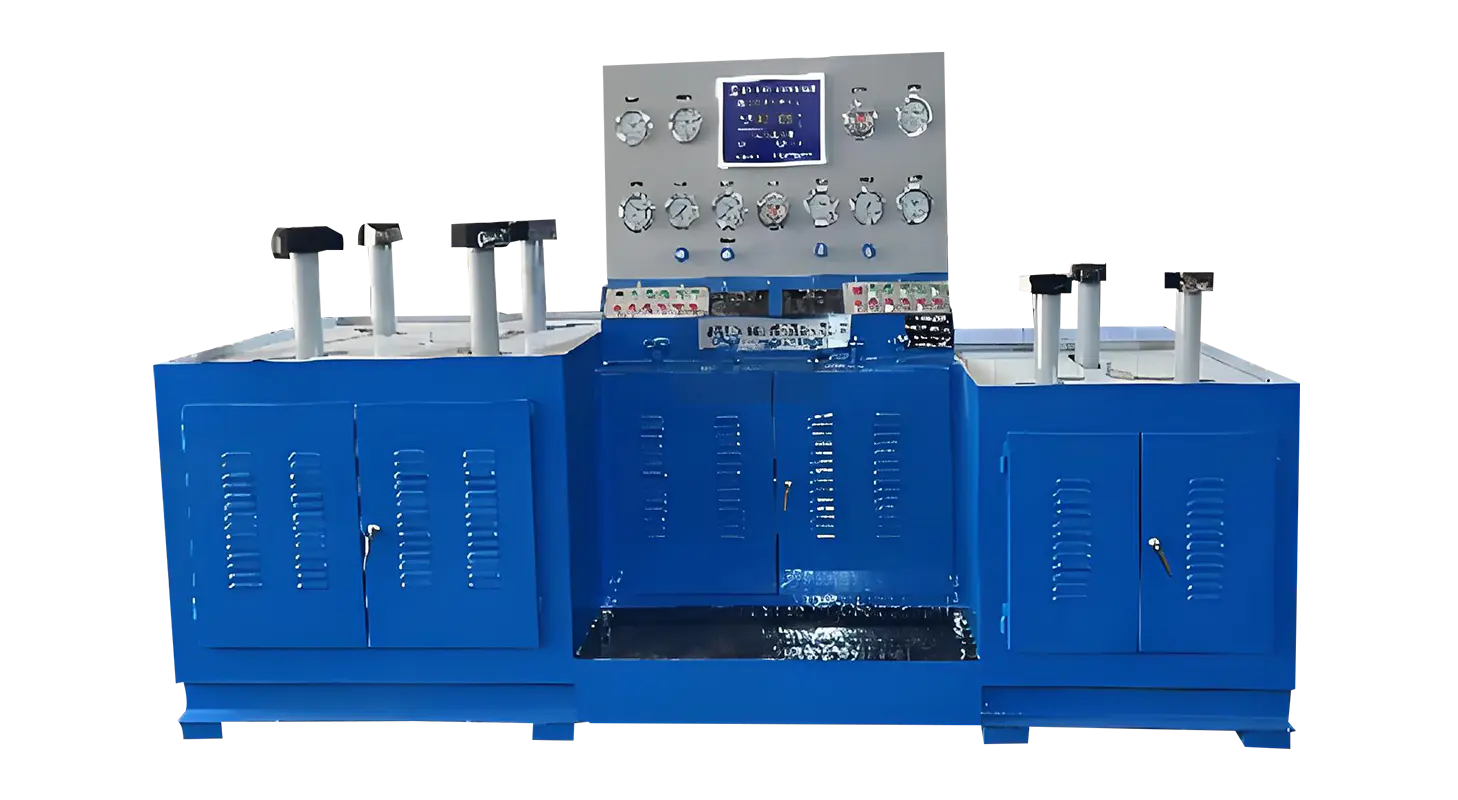
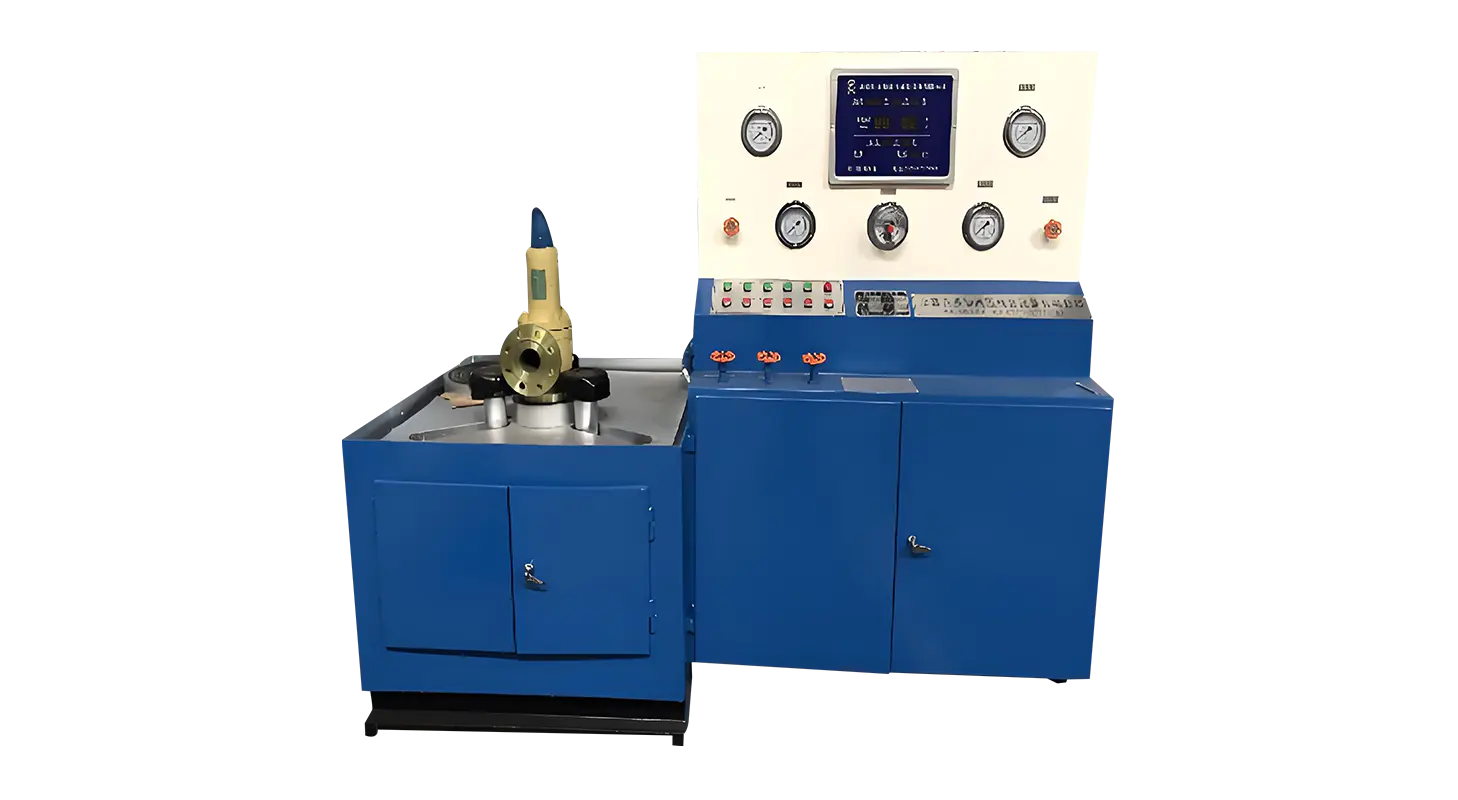
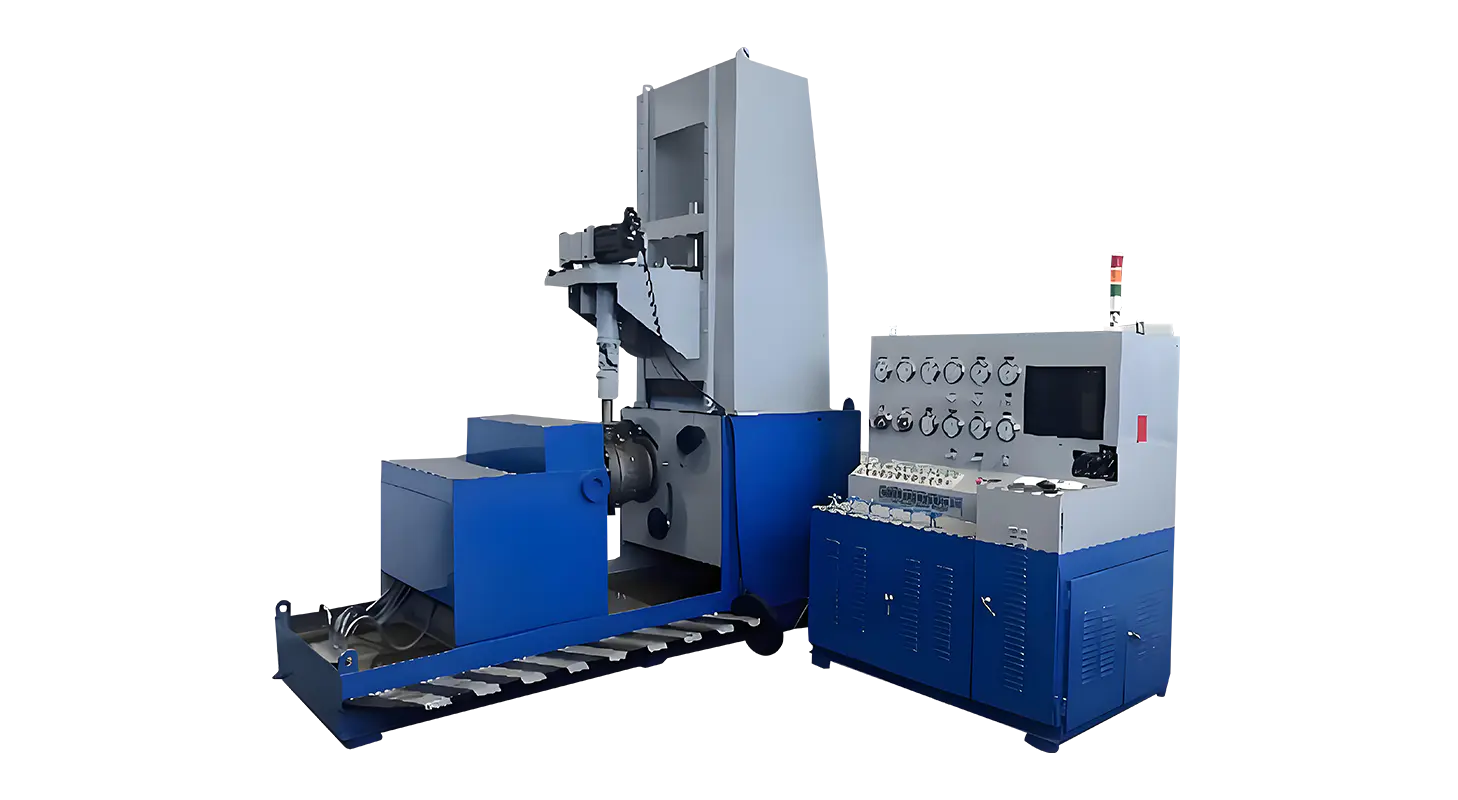
Meeting industrial safety standards often requires more than documentation; it depends on whether each component has been properly verified before entering service. In this process, the Hydraulic Valve Test Bench and Valve Test Bench are widely used to evaluate valve performance under controlled conditions, helping manufacturers align their products with applicable safety and operational requirements. By simulating working environments and recording measurable data, these systems provide a practical basis for compliance checks in different industries.

Industrial systems that rely on hydraulic valves—such as construction equipment, energy systems, and manufacturing machinery—operate under varying pressure and flow conditions. Any inconsistency in valve behavior may affect system stability or create safety concerns. A valve test bench allows manufacturers to examine whether a valve performs within specified limits before it is installed in real applications.
Rather than relying solely on theoretical design values, testing introduces measurable validation. Pressure resistance, sealing integrity, and response characteristics can all be assessed under repeatable conditions. This approach supports compliance with safety standards that require documented evidence of product performance. Additionally, recorded data can be used during audits or inspections, offering traceability for each tested component.
Another aspect involves reducing variability. When valves are tested under consistent procedures, the results become easier to compare across production batches. This consistency supports quality control systems that are often required by industrial safety frameworks.
Establishing a consistent testing setup is essential for aligning with safety-related requirements. While equipment capabilities are important, the way the system is configured and operated also influences outcomes.
Defined pressure ranges and tolerance levels
Setting clear limits based on application requirements helps ensure that each valve is evaluated against the same criteria.
Stable hydraulic supply conditions
Pressure fluctuations during testing can affect results, making it important to maintain steady input conditions.
Controlled oil temperature
Variations in temperature can change fluid viscosity, which may influence leakage and flow measurements.
Proper fixture alignment
Incorrect installation of the valve on the test bench may cause inaccurate readings or unintended leakage.
Routine verification of sensors
Pressure, flow, and temperature sensors should be checked regularly to maintain measurement accuracy.
These practical steps support more consistent results and reduce the likelihood of discrepancies during compliance verification.
In many manufacturing environments, compliance is not a one-time task but an ongoing process that involves design validation, production inspection, and final verification. Valve test benches can be integrated into this workflow at multiple stages.
During product development, testing helps confirm whether design parameters align with intended operating conditions. In the production phase, test benches are typically used for batch inspection, ensuring that each valve meets predefined criteria before shipment. For industries with strict safety regulations, final inspection reports generated by the test bench may be included in product documentation.
Digital integration is also becoming more common. Test benches equipped with data acquisition systems can store results automatically, making it easier to retrieve records when needed. This supports traceability requirements often found in industrial safety standards, where documentation plays a central role.
Even when a valve test bench is properly configured, its long-term effectiveness depends on regular maintenance and calibration. Over time, mechanical wear, contamination, and sensor drift can influence measurement accuracy.
Routine maintenance includes checking hydraulic circuits, replacing worn seals, and ensuring that connectors remain secure. Calibration focuses on verifying that sensors provide accurate readings within acceptable ranges. Without these practices, test results may not reflect actual valve performance, which can affect compliance verification.
Environmental conditions should also be considered. Dust, humidity, and temperature changes in the workshop can indirectly affect both the test bench and the valves being tested. Maintaining a stable testing environment contributes to more dependable results over time.
Manufacturers often encounter challenges when aligning valve testing processes with safety standards. Some of these issues relate to operational practices rather than equipment limitations.
One challenge is inconsistent testing procedures across different operators or production shifts. This can be addressed by developing standardized instructions and providing training. Another issue involves incomplete data recording, which may create gaps during audits. Implementing automated data collection systems can help ensure that results are stored consistently.
Valve test benches are commonly used to support compliance with industry-specific standards related to hydraulic systems, pressure equipment, and safety performance. The exact standards depend on the application and region.
Test records typically include pressure values, flow rates, leakage results, and timestamps. Detailed records improve traceability and make it easier to provide evidence during inspections.
Yes, many systems can be configured to perform different types of tests, allowing manufacturers to address various requirements using one setup.
Operators need to understand both the equipment and the testing procedures. Proper training reduces the risk of incorrect measurements or incomplete testing.
In many cases, calibration is required to ensure that measurement instruments provide accurate data. Regular calibration supports consistent and credible test results.
Adjustable fixtures and programmable test settings allow the test bench to accommodate different valve types and specifications without significant changes to the system.
Related Products
Contact us
Address
Sanqiao Industrial Zone, Oubei, Yongjia County, Zhejiang Province, China
Phone
+86-13676520568
Telephone number
+86-13676520568
Fax
products
Quick Links
QR CODE