English
 русский
 عربى
عربى
Get in touch
Get in touch
Dec 26, 2025
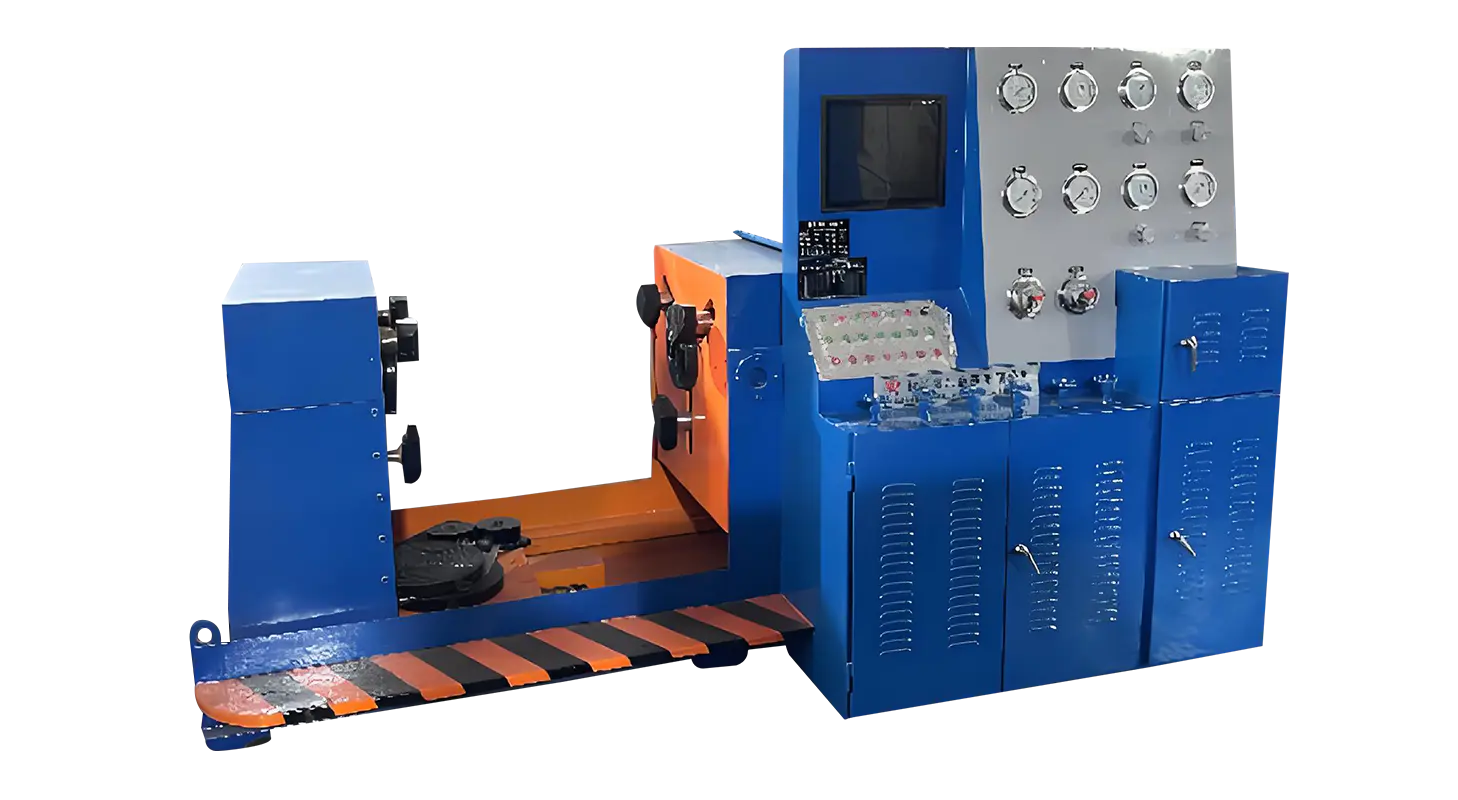
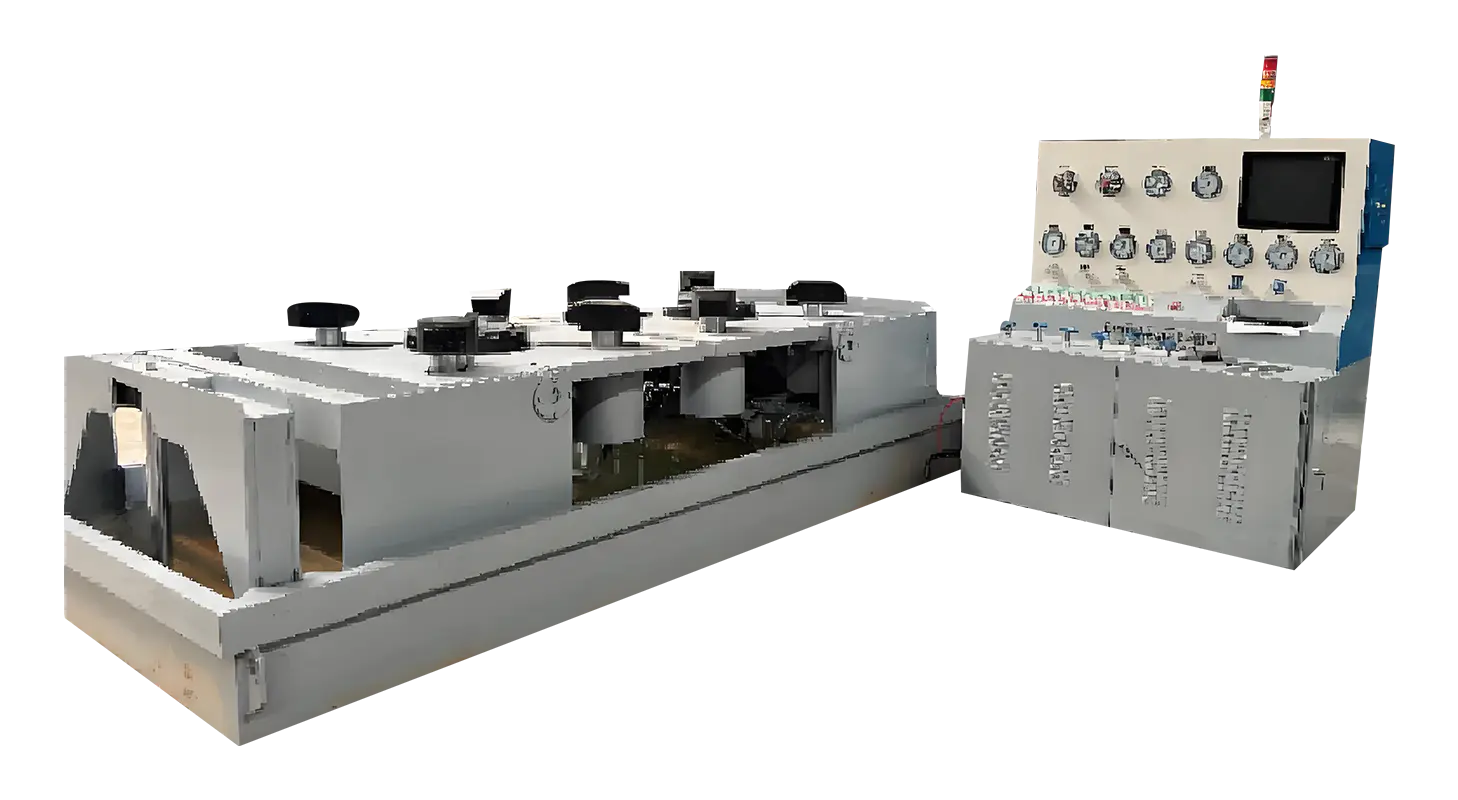
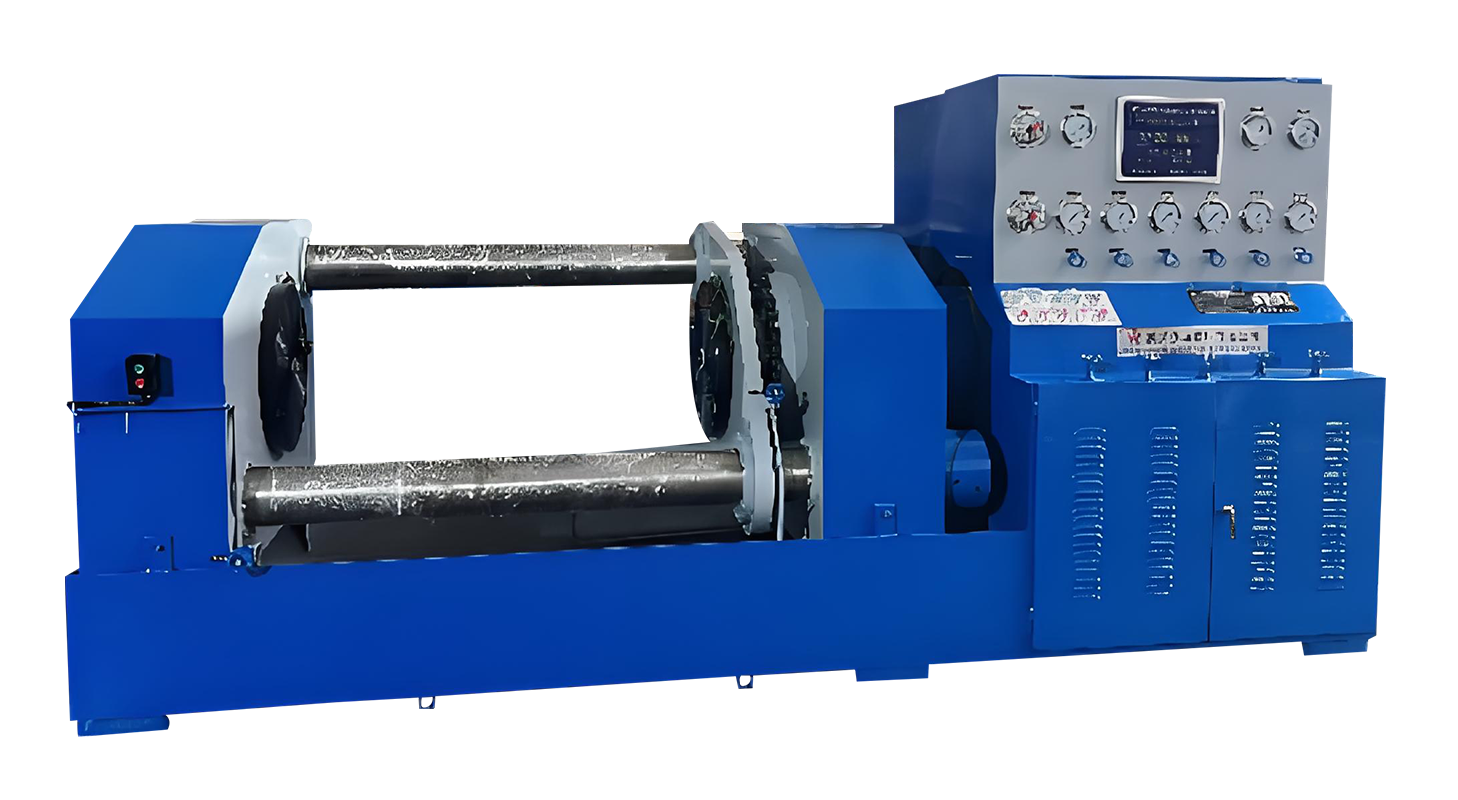
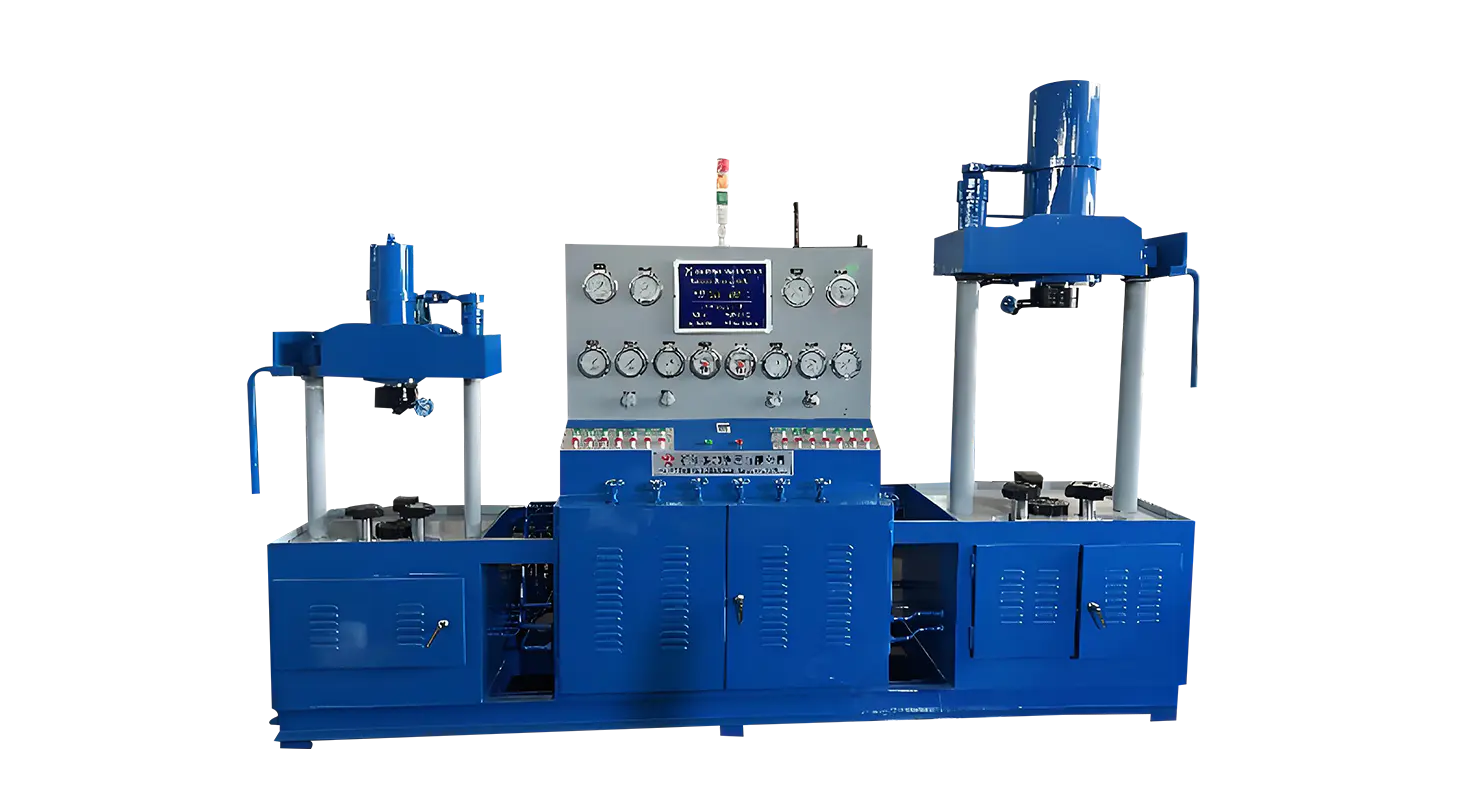
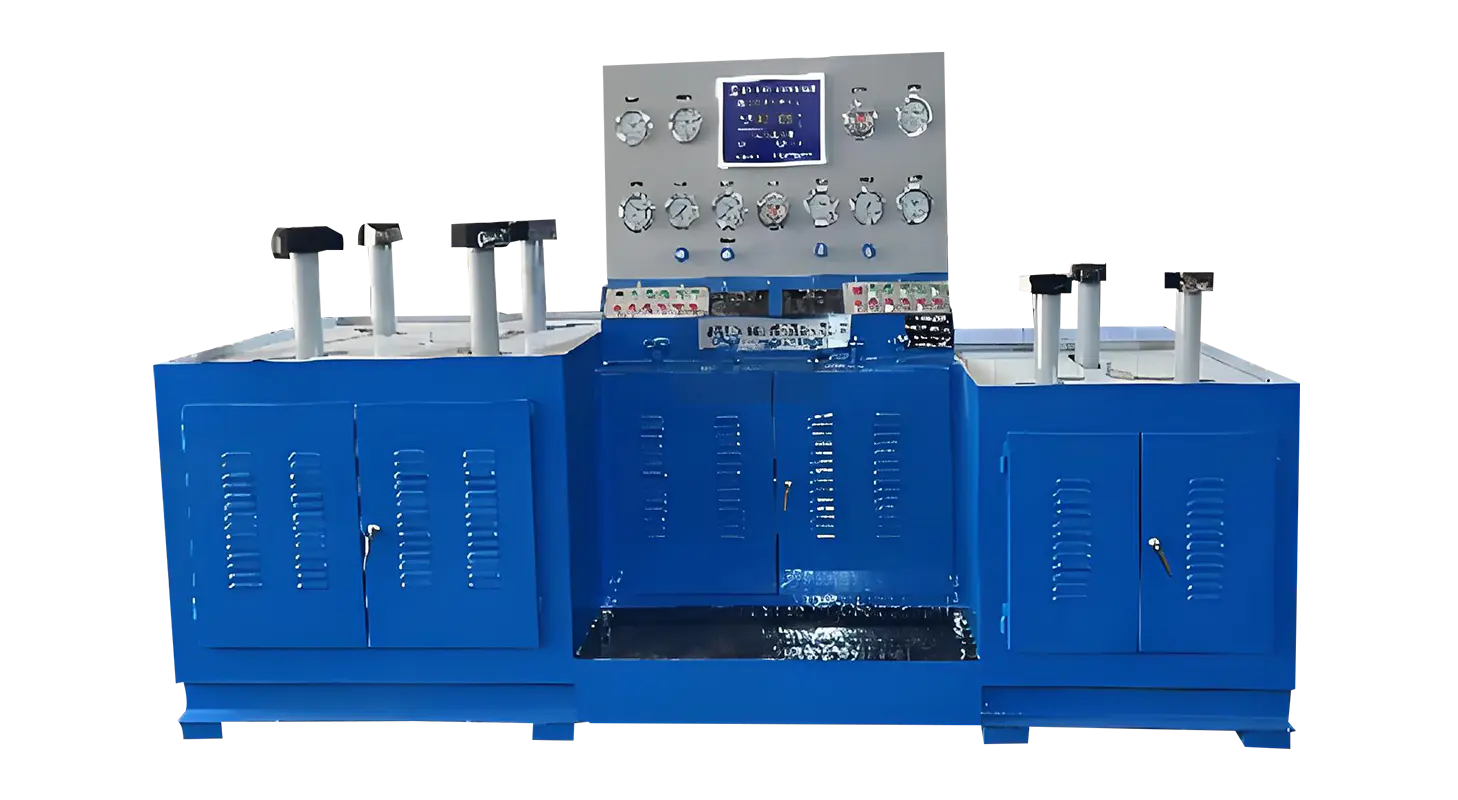
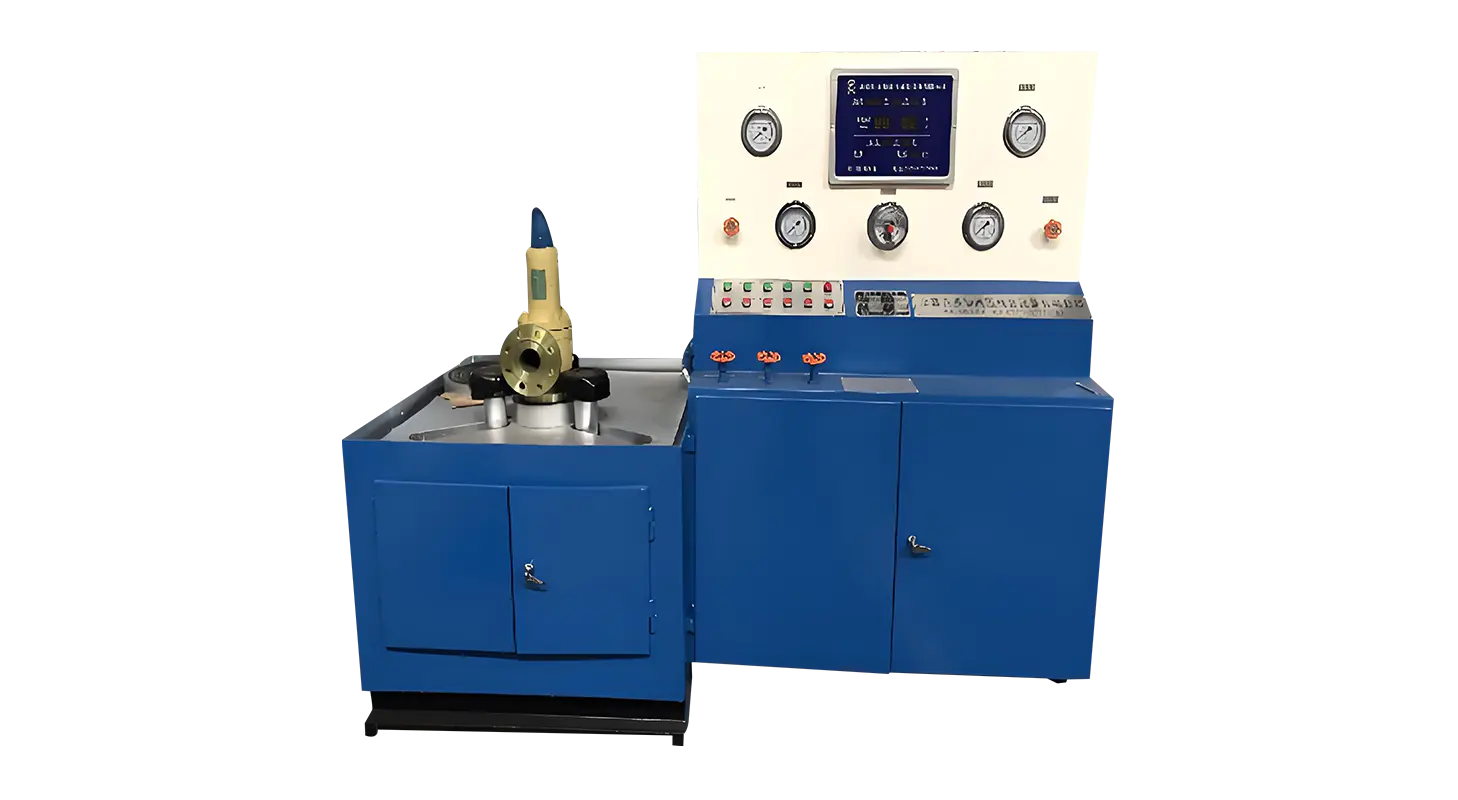
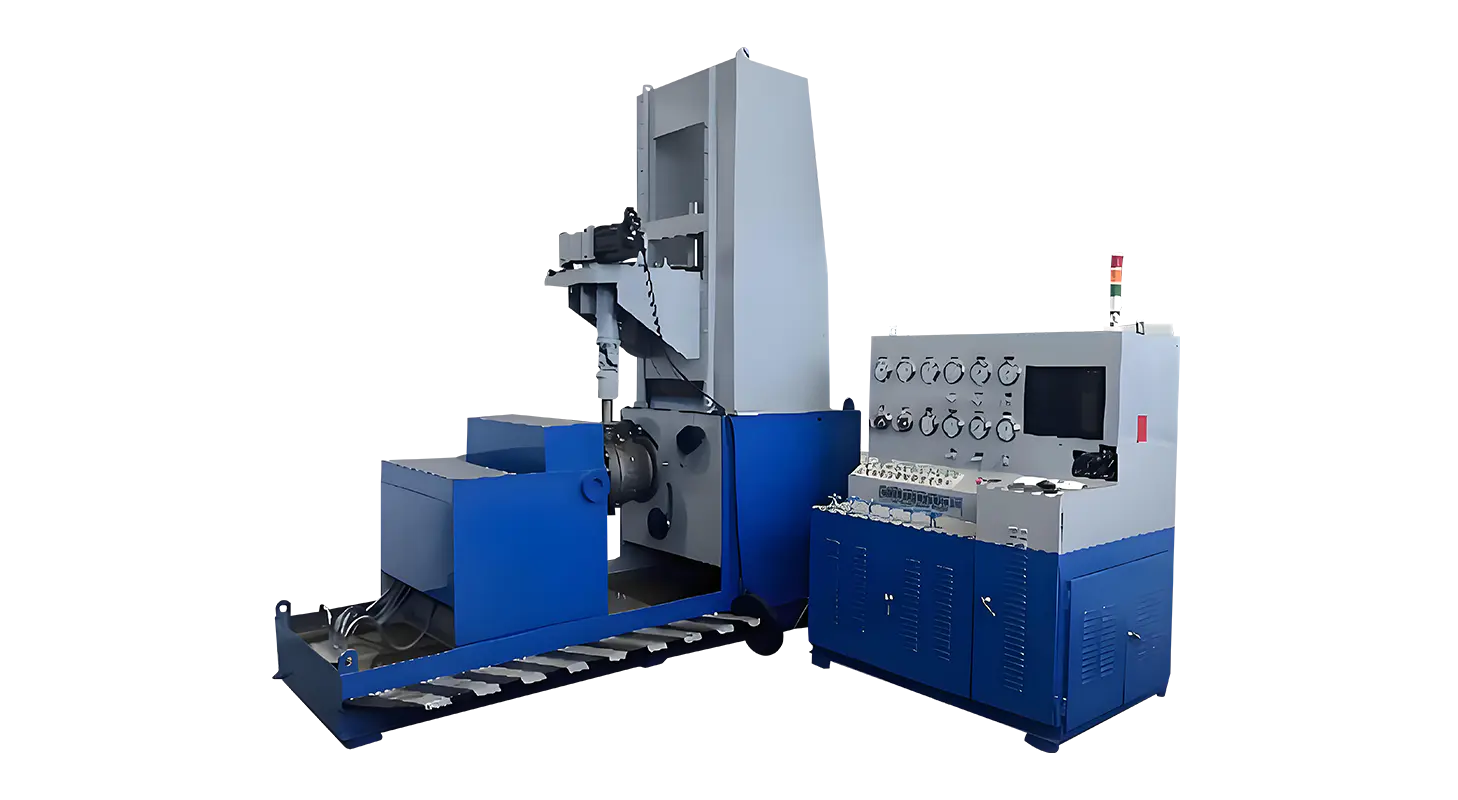
Growing demand for customized valve structures has made operators pay more attention to how a Control Valve Test Bench and a Safety Valve Test Bench handle non-standard configurations during inspection. As industries integrate new materials, special port layouts, and unconventional sealing geometries, test equipment must adjust to these variations without compromising the stability of the testing environment. Understanding how a test bench adapts helps technicians evaluate whether their current setup can support diverse testing needs.
One of the fundamental requirements when dealing with non-standard valves is having a clamping structure that can adapt to size and flange variations. Many test benches use a combination of radial and axial movement in the hydraulic clamping jaws, allowing the jaws to position themselves accurately around uneven or oversized flanges.
This design helps maintain proper alignment, which is especially important for valves with extended bodies or special mounting faces. When the clamp applies force uniformly, the sealing surface remains unaffected by external pressure, giving inspectors a clearer understanding of how the valve behaves under test media.
For technicians working with irregular dimensions, this flexibility ensures the bench can operate without the need for frequent physical modifications or makeshift adjustments.
Non-standard valves often require different testing media depending on their expected operating conditions. A test bench that allows switching between water and gas provides broader compatibility with special valve designs.
The separate inlet paths for water and gas, paired with straightforward control valves, help technicians choose the appropriate medium without restructuring equipment connections. Water-based tests rely on a combination of rapid and slow-increase pumps to gradually reach the required pressure, while gas tests use a booster system supported by a pre-stabilization tank.
This dual-media setup helps accommodate valves used in low-density fluid systems, high-pressure gas lines, or mixed environments, allowing teams to approach each test with more clarity.
Some valves feature non-standard connectors such as irregular threads, unique port spacing, or multi-port arrangements. To adapt, a control valve test bench often incorporates interchangeable fixtures that can be swapped according to the valve design.
These fixtures may include custom adaptors, special gaskets, or extended mounting plates that match non-standard port shapes. By providing a customizable interface, the bench helps avoid issues like improper sealing during tests, uneven pressure distribution, or unstable mounting caused by incompatible connectors.
Inspectors benefit from this approach because they no longer need to redesign the entire setup when a new valve type enters the workflow.
When dealing with non-standard designs, consistency between test cycles becomes critical. Automated sequences—often controlled through a PLC or similar system—help ensure each valve experiences the same steps, pressure rise rates, and hold durations.
For valves that deviate from typical dimensions or structural patterns, automation reduces the chance of human error during repeated testing. Pressure curves, lift characteristics, sealing points, and hold durations can be tracked and stored.
Non-standard valves sometimes operate under unusual pressure ranges that differ from general-purpose applications. A test bench with multiple pressure gauge ranges—micro, low, medium, and high—helps technicians align the measurement scale with the intended operating conditions.
Using the correct gauge range provides clearer visibility into gradual pressure changes and makes it easier to detect slight leakage or early movement. This is especially necessary for valves with custom lift pressures, modified springs, or unique internal components that shift the expected performance curve.
Clear readings help inspectors determine whether the valve meets its design intent or whether further adjustments are required.
Many non-standard valves incorporate sensitive or unconventional internal mechanisms, such as balanced trim designs, multi-stage pressure control elements, or advanced sealing structures.
To evaluate these elements properly, the test bench must maintain stable pressure buildup and hold times. The combined effect of the slow-increase pump, controlled gas booster, and hydraulic clamping provides an environment where internal movements can be observed without interference.
When fluctuations are reduced, technicians can more accurately determine whether performance issues stem from the valve itself or from external disturbances.
Related Products
Contact us
Address
Sanqiao Industrial Zone, Oubei, Yongjia County, Zhejiang Province, China
Phone
+86-13676520568
Telephone number
+86-13676520568
Fax
products
Quick Links
QR CODE