English
 русский
 عربى
عربى
Get in touch
Get in touch
Dec 19, 2025
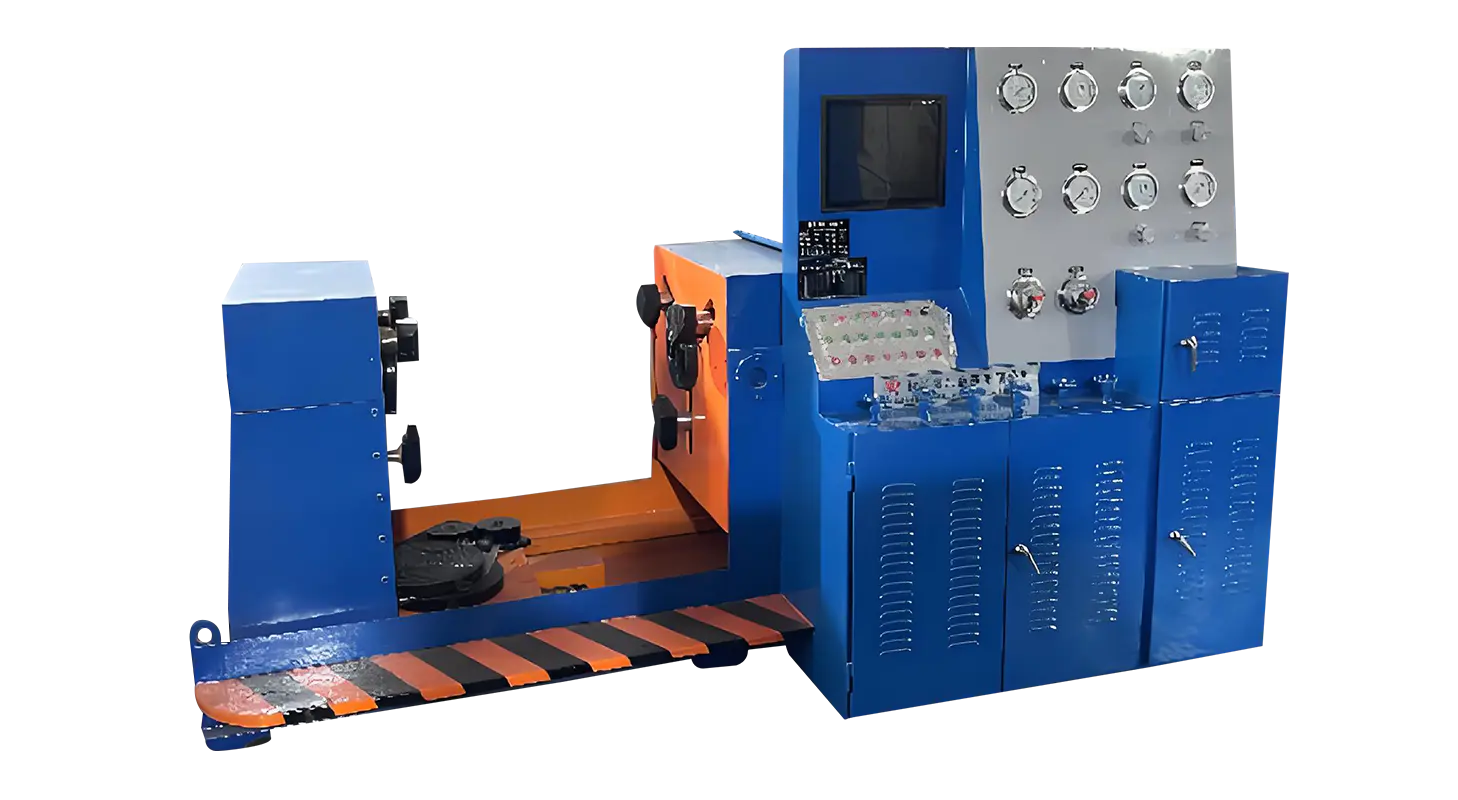
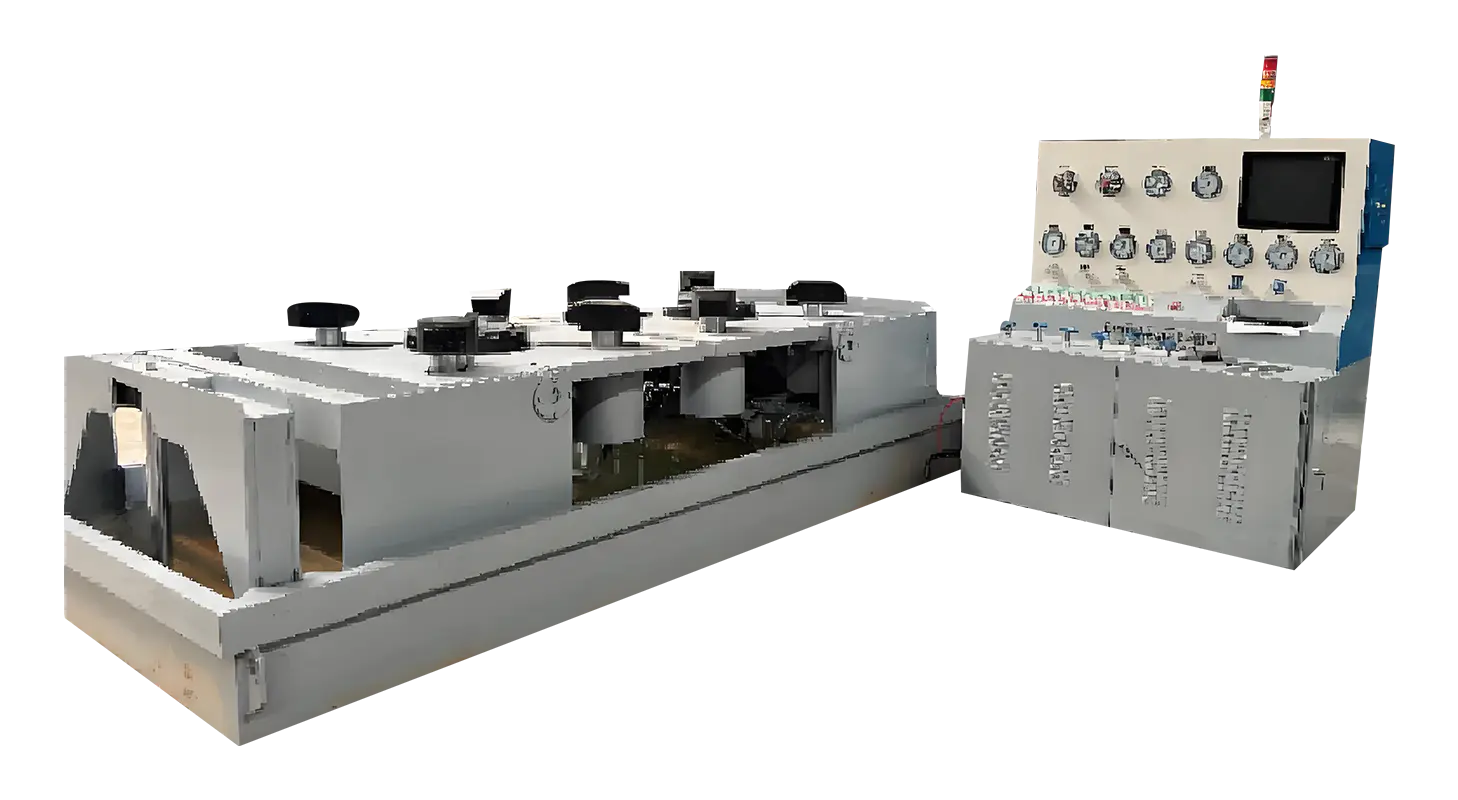
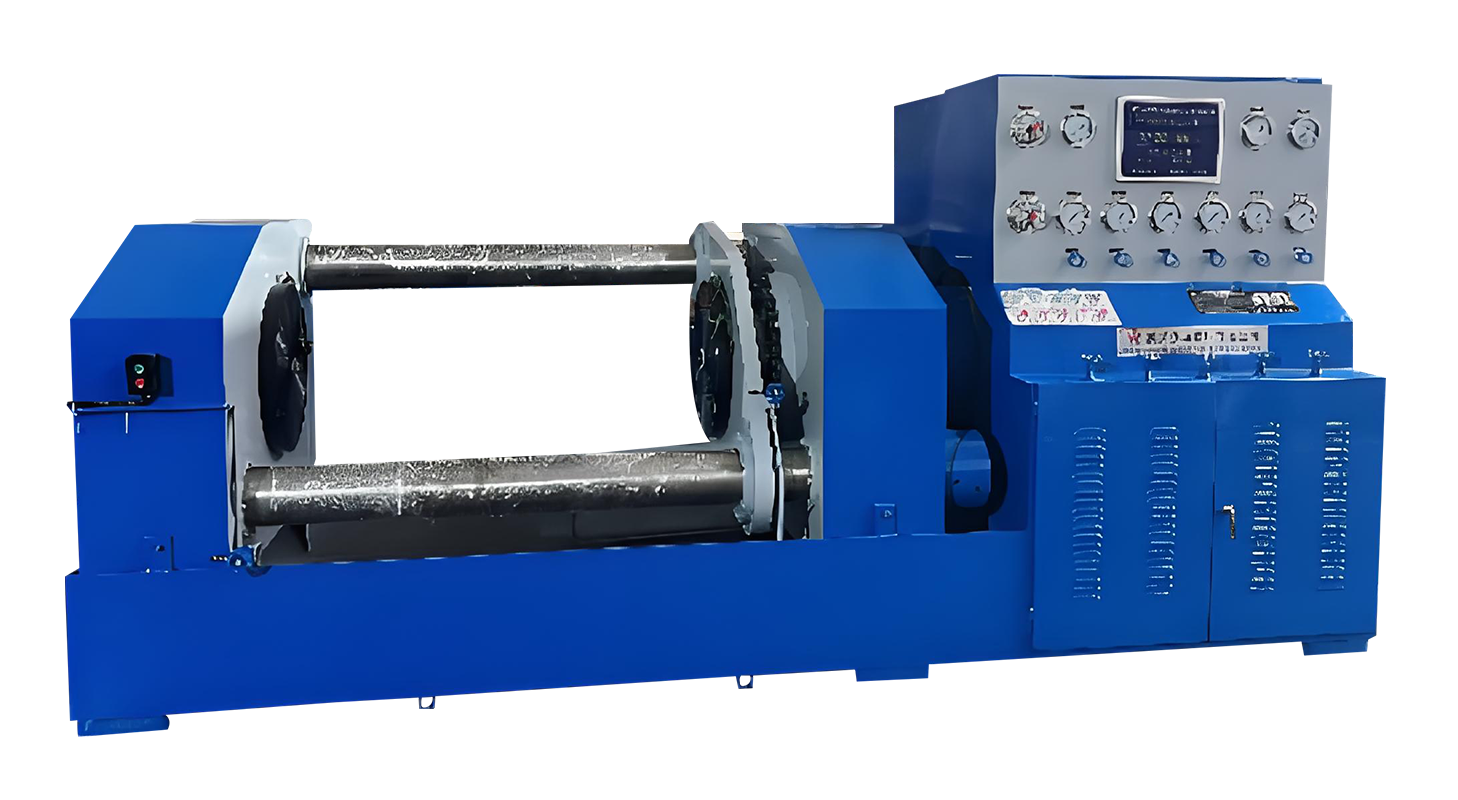
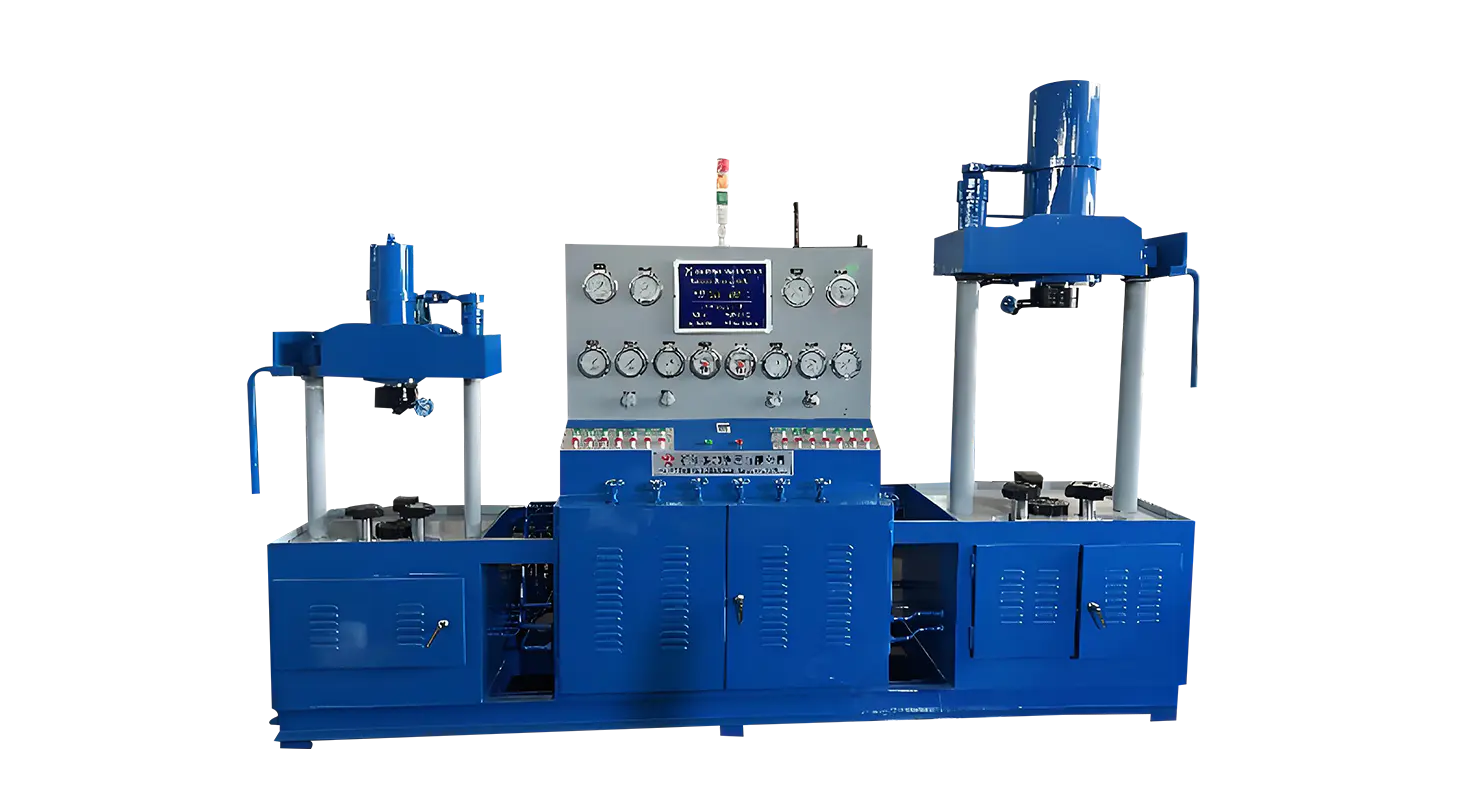
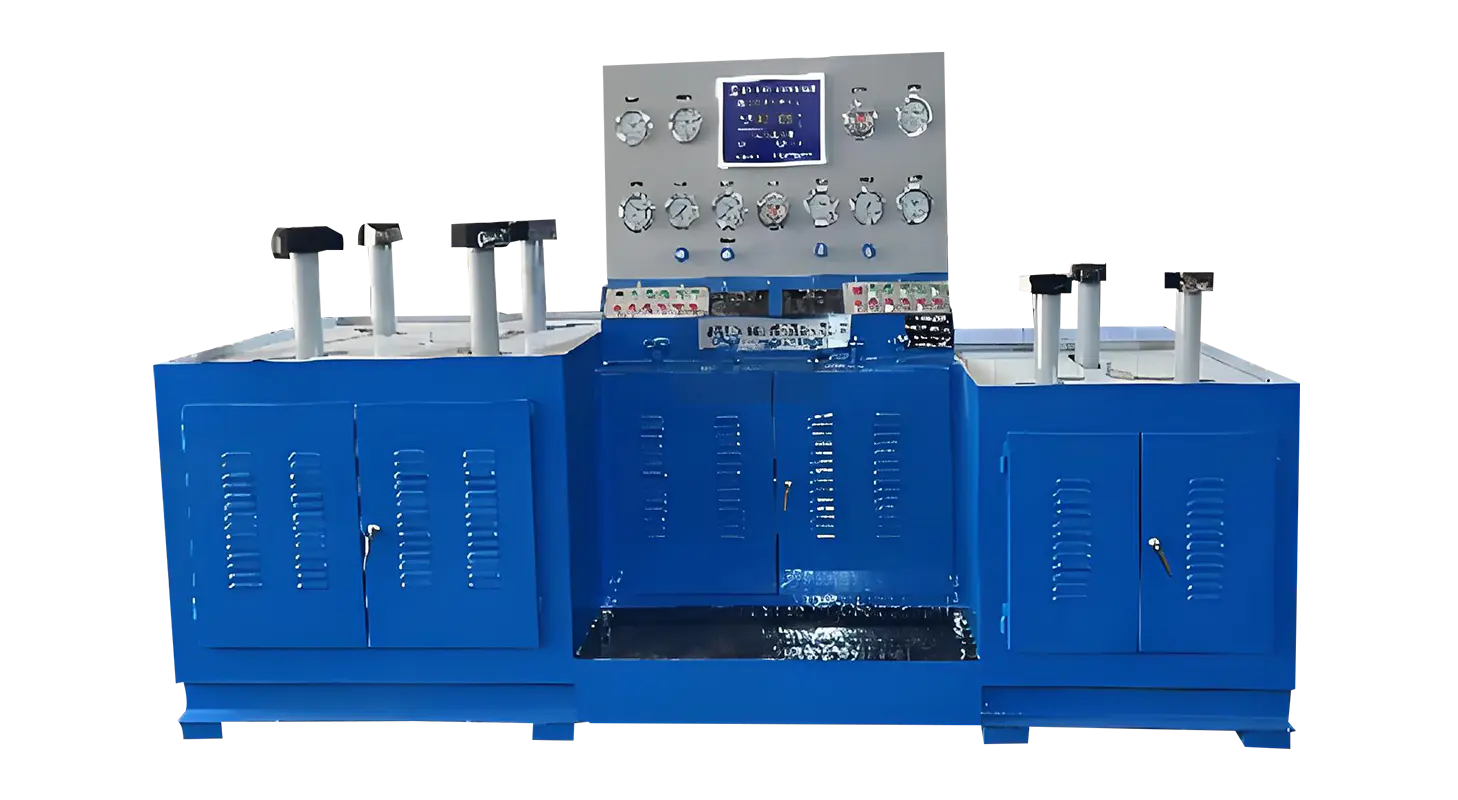
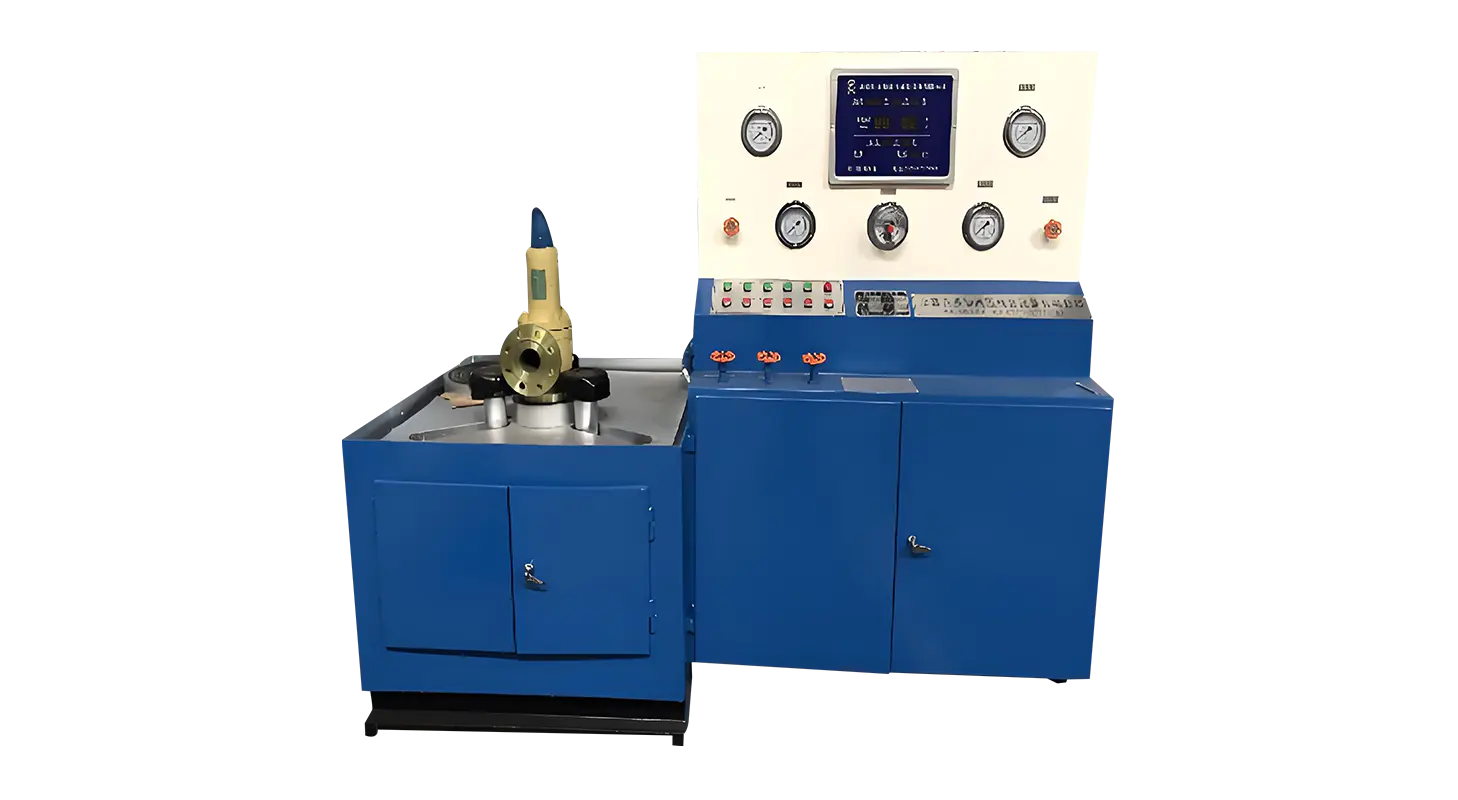
Growing attention to pressure equipment performance has encouraged operators to take a closer look at how a Safety Valve Test Bench and a Control Valve Test Bench support routine and specialized inspections. As industrial lines deal with varying pressure levels, fluid media, and structural conditions, understanding where a test bench provides practical value can help technicians plan testing steps more clearly and avoid uncertainties during inspection.

One of the areas where a test bench adds value is in creating a stable and repeatable environment for evaluating valve behavior. Safety valves and control valves are sensitive to pressure changes, and even a small inconsistency in mounting or clamping can influence performance. Modern test benches apply hydraulic clamping from both radial and axial directions, holding the flange securely while keeping external forces away from the sealing area.
This stability helps technicians observe the natural response of the valve during pressure buildup, discharge, and reseating. When the valve is properly positioned and external influence is avoided, the reading becomes easier to interpret. This can reduce repeated inspections and prevent confusion caused by incorrect mounting.
A test bench also contributes to smoother inspection stages by using different pump types depending on the pressure range. Water-based testing commonly uses a rapid-fill pump for initial supply and a slow-increase pump for reaching the required pressure. This combination helps operators manage the pressure curve without abrupt jumps that could obscure leakage points or valve movement.
Gas testing follows a similar principle but relies on a booster system connected to a pre-stabilization tank. Charging the tank within a moderate range allows the booster to supply gas steadily. This approach helps maintain control over the pressure rise, enabling inspectors to focus on the valve’s reaction rather than continuously adjusting tools or correcting pressure fluctuations.
Such controlled transitions are important for understanding cracking pressure, resealing behavior, and structural response under different loads.
Inspection teams often need to perform both hydrostatic and pneumatic tests according to the valve type or project requirements. A test bench offers value by separating the pathways for water and gas and allowing clear switching between them. Operators simply open or close the corresponding inlet and discharge valves depending on the media.
This helps avoid issues caused by medium mixing, residual gas pockets, or trapped water. Clean isolation between water and gas supports more predictable pressure buildup and more accurate observation of sealing performance. Water recycling systems also support longer testing cycles and reduce preparation work, though the key advantage lies in keeping the medium flow consistent.
Precision during inspections depends heavily on the gauges used to monitor pressure. Many benches incorporate four pressure ranges—high, medium, low, and micro. This allows inspectors to select a scale appropriate for the valve being tested.
When the displayed pressure fits the target range closely, the rise and hold stages become clearer. This avoids the uncertainty that occurs when using a single wide-range gauge where small fluctuations are harder to see. For safety valves, which often require observing the exact point of lift and reseat, having a micro or low-pressure gauge can be especially useful.
A controlled release of pressure is just as important as controlled buildup. Test benches with a zero-pressure release system ensure that clamping jaws can only open once the internal pressure reaches zero. This helps reduce errors caused by premature handling and provides a predictable routine for completing the inspection.
For technicians, this means each test ends the same way, with less guesswork and fewer opportunities for unexpected movement when the valve is removed. This contributes to consistency across the workflow and allows for clearer post-test evaluation.
Valve designs vary widely in size, structure, and intended working conditions. A test bench adds further value by allowing customization for non-standard dimensions, specialized clamping components, or additional sensing tools.
For example, some setups integrate PLC-based data acquisition systems that log pressure curves, time sequences, and valve responses. Automation helps ensure repeated tests follow the same pattern, which is especially useful for production batches or valves undergoing comparative analysis.
Custom solutions also support inspections involving different test standards or operational requirements. This adaptability makes the bench suitable for various workflows without forcing technicians to modify procedures each time.
Related Products
Contact us
Address
Sanqiao Industrial Zone, Oubei, Yongjia County, Zhejiang Province, China
Phone
+86-13676520568
Telephone number
+86-13676520568
Fax
products
Quick Links
QR CODE