English
 русский
 عربى
عربى
Get in touch
Get in touch
May 29, 2026
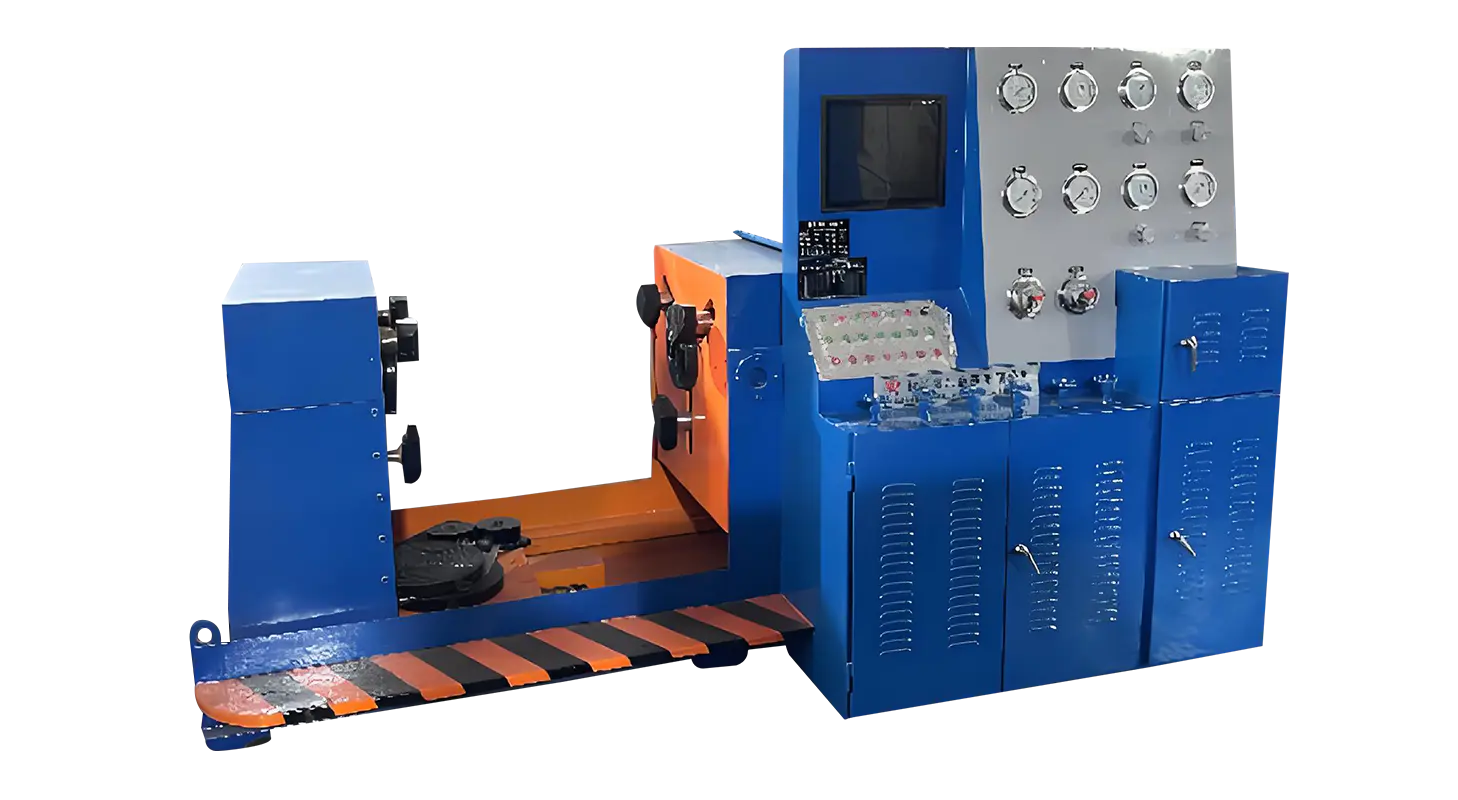
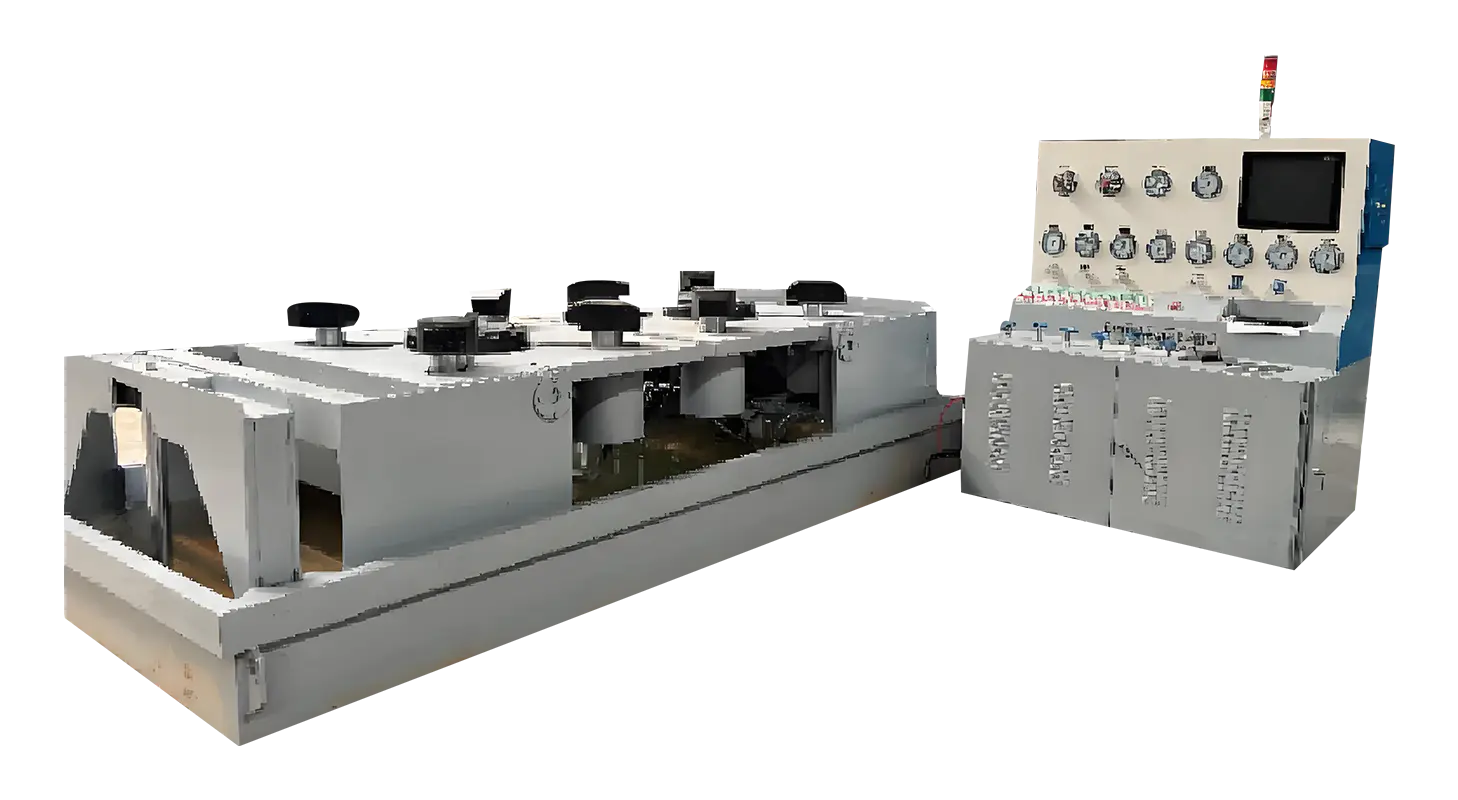
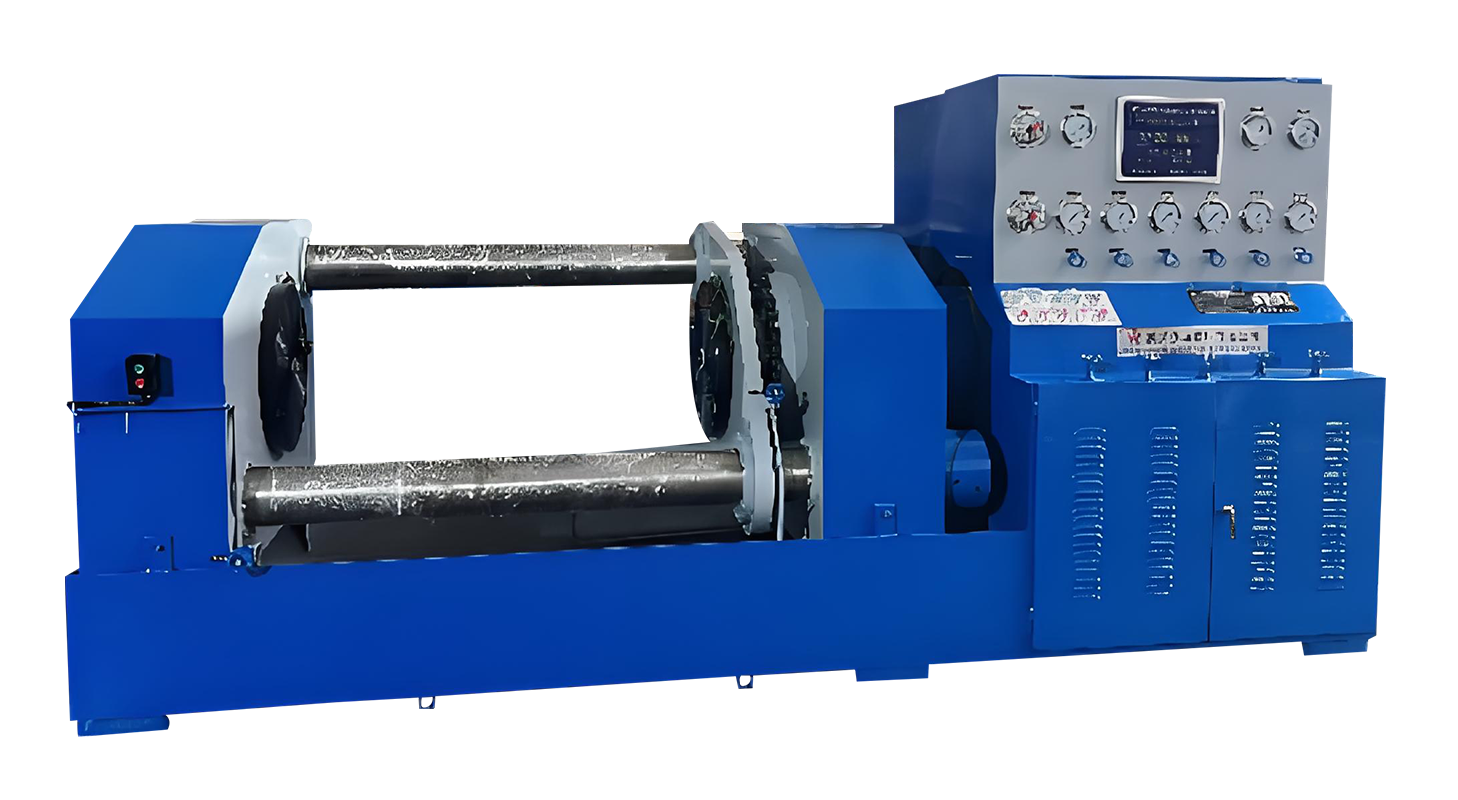
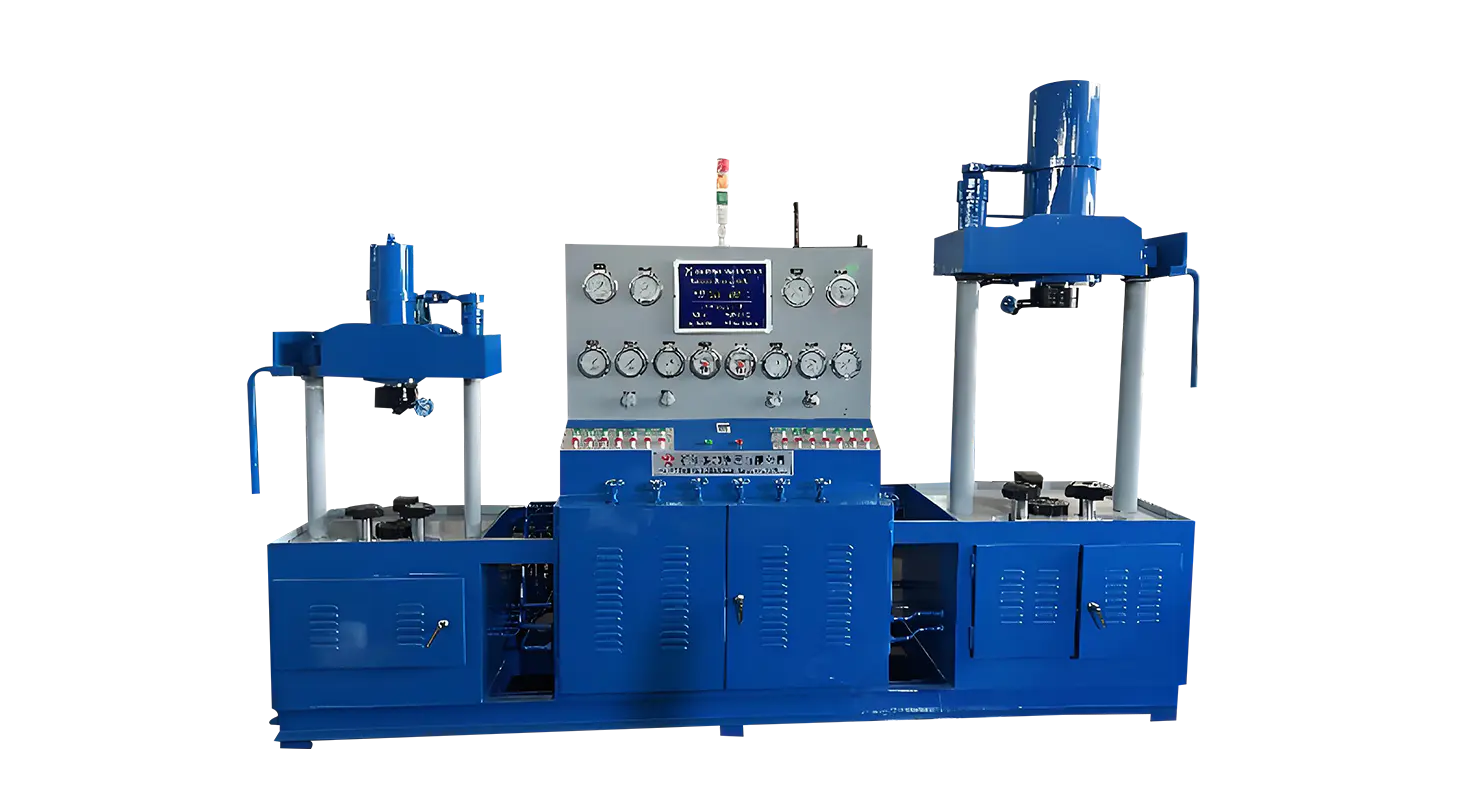
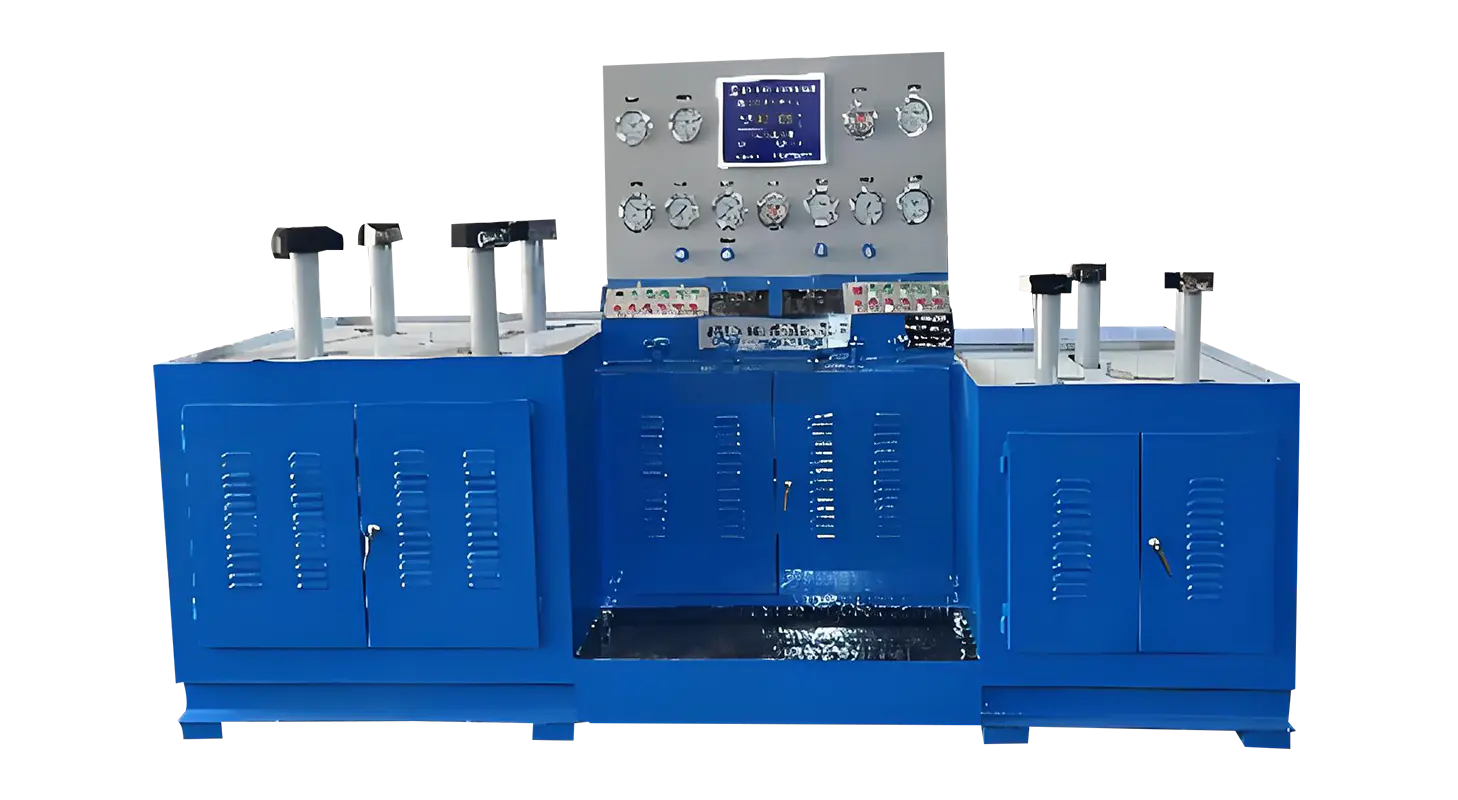
Industrial pressure system inspection has gradually shifted toward digital coordination and structured data handling. A Valve Test Machine, Relief Valve Test Bench is now often integrated into broader production environments where measurement, recording, and process traceability are connected with manufacturing systems rather than operating as isolated equipment.
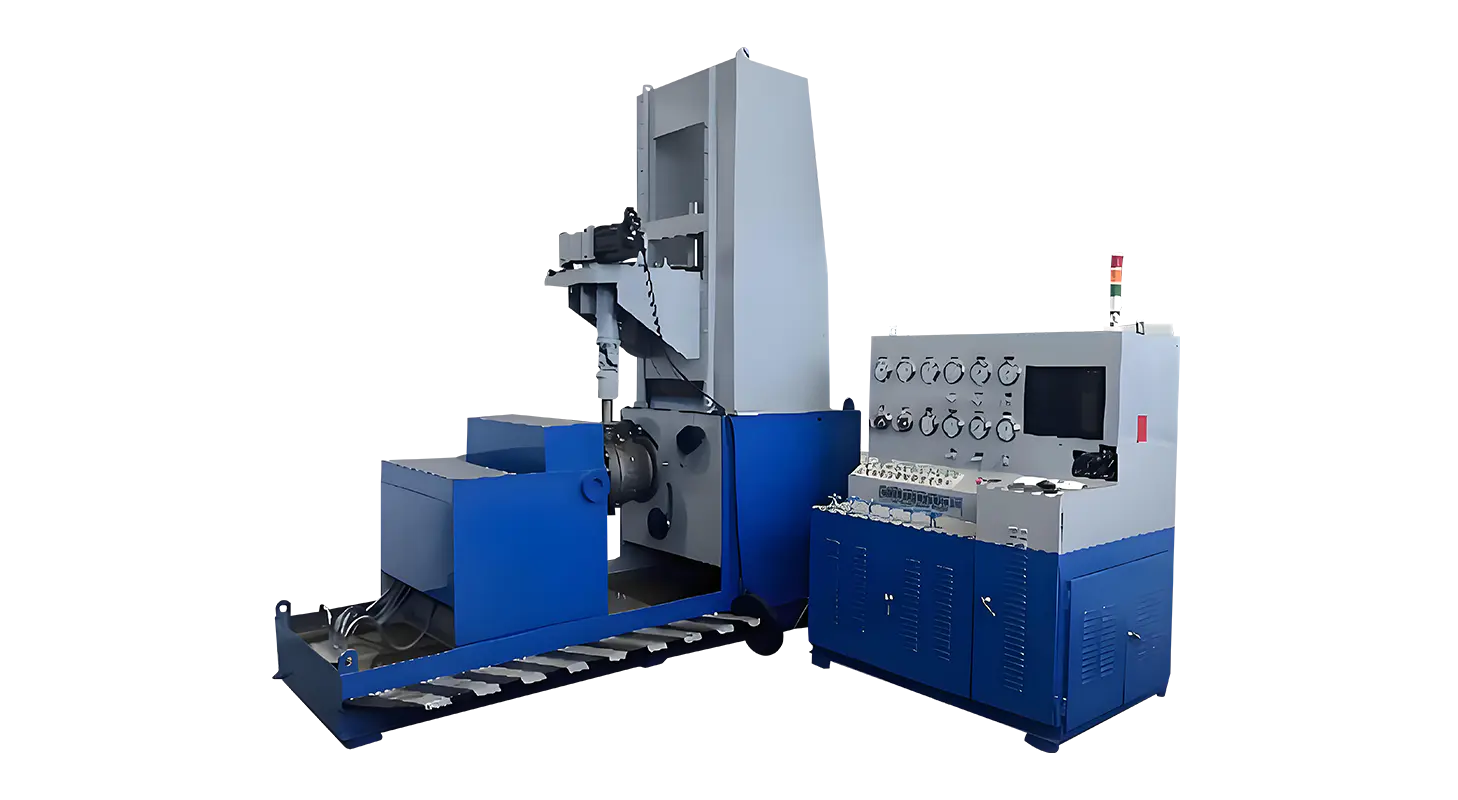
These changes are closely tied to how factories reorganize testing workflows, especially in valve production, maintenance workshops, and hydraulic equipment assembly lines where repeatable pressure validation is required.
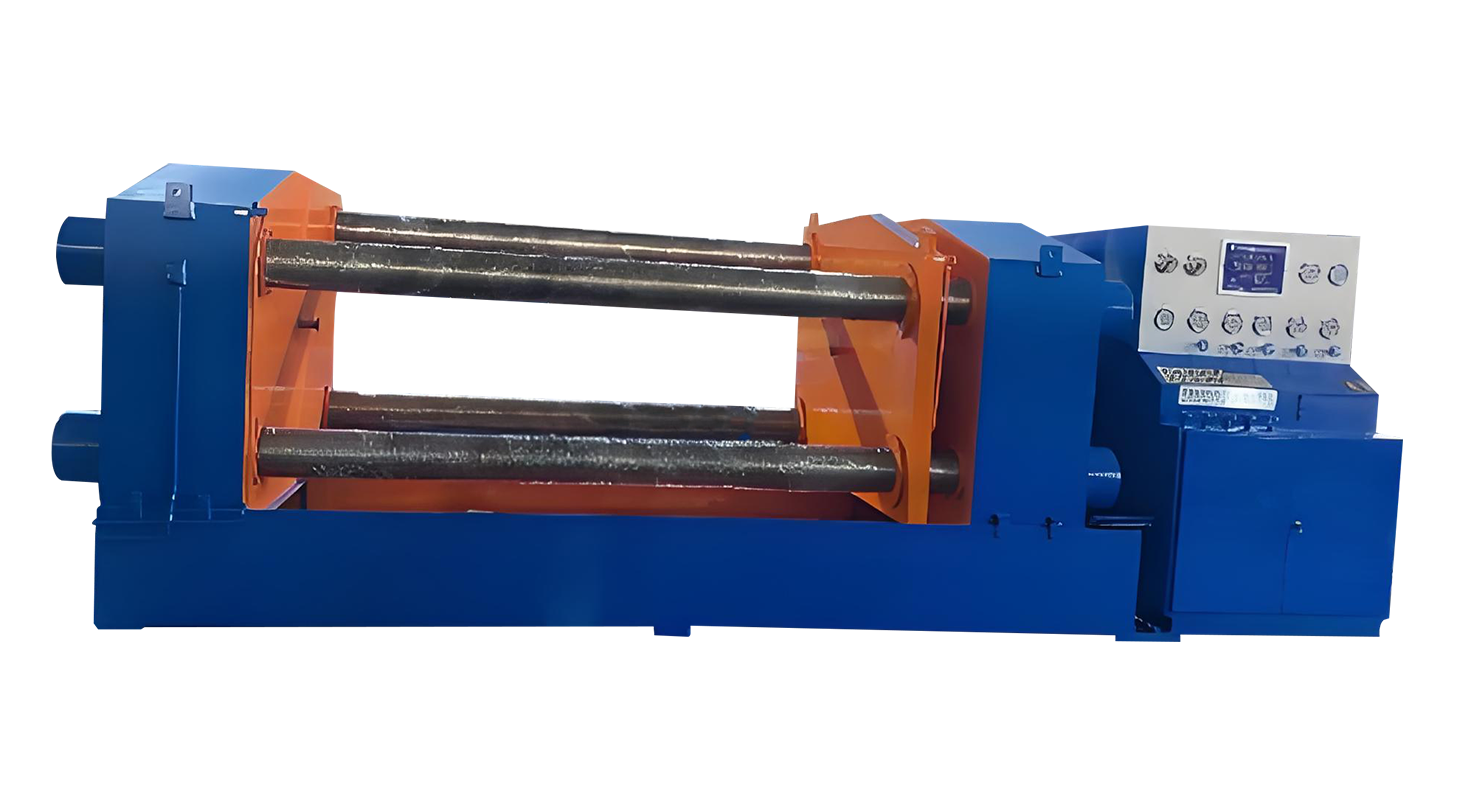
Conventional valve testing setups were often operated manually, with results recorded on paper or basic digital logs. While such approaches can still verify opening pressure or leakage conditions, they create limitations when data needs to be shared across departments or stored for long-term tracking.
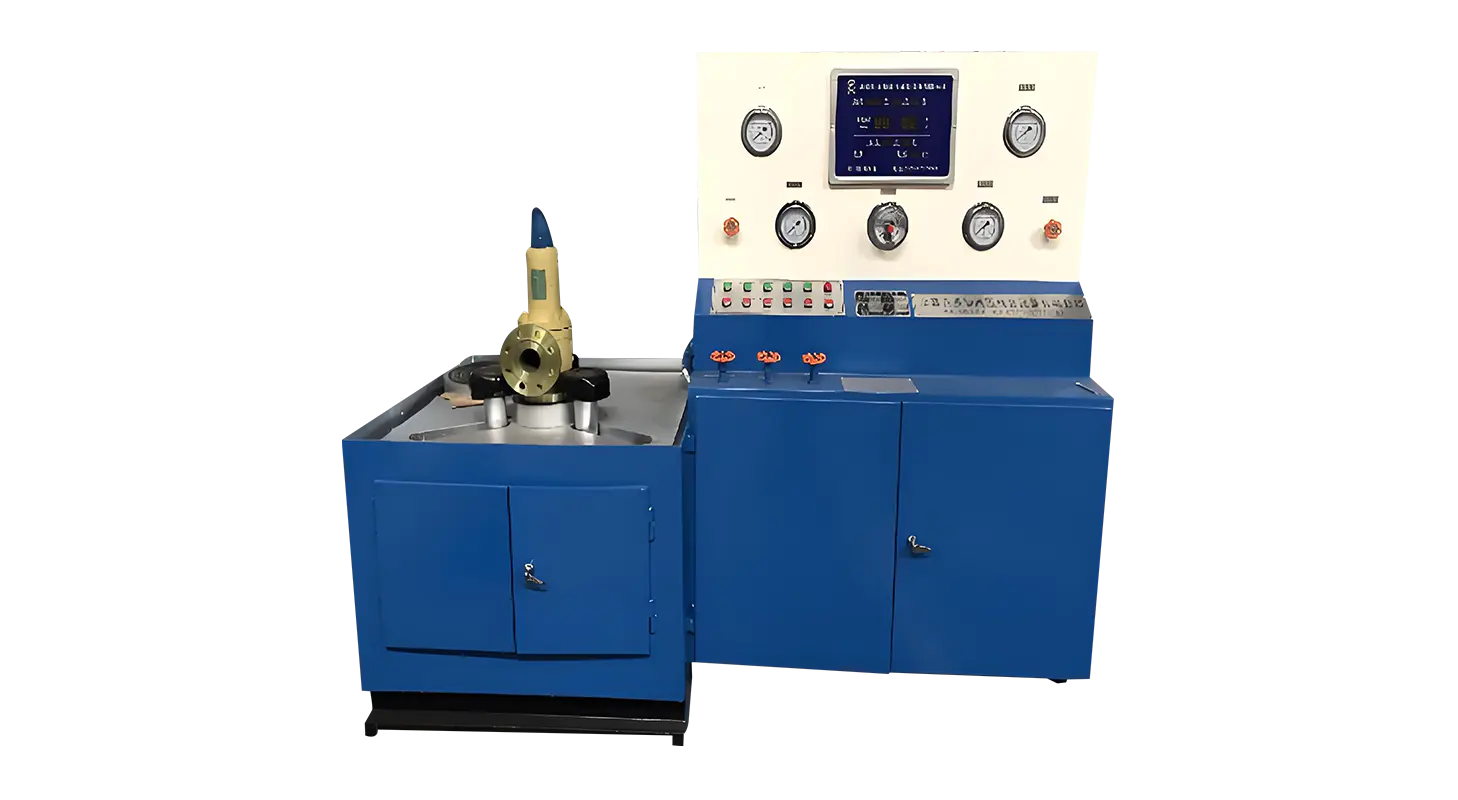
In many workshops, the Relief Valve Test Bench is still used in standalone configurations, which means each test station operates independently. This setup introduces challenges such as inconsistent data formats, difficulty in comparing batch results, and additional time spent on manual reporting.
Another issue appears when production volume increases. As more valves require testing under different pressure ranges, coordinating test parameters across multiple stations becomes harder without a unified system. These operational gaps have encouraged manufacturers to rethink how testing equipment is integrated into digital environments.
Recent development trends in Valve Test Machine design focus on connecting mechanical testing functions with data communication systems. Instead of only measuring pressure behavior, modern setups often support digital signal output, parameter storage, and interface compatibility with factory monitoring systems.
A typical Relief Valve Test Bench used in updated production environments may include:
|
Functional Element |
Description |
|
Digital pressure sensor module |
Captures real-time pressure changes during valve testing |
|
Data recording interface |
Stores test results for later analysis |
|
Adjustable pressure control unit |
Allows controlled variation of test conditions |
|
Safety release mechanism |
Helps maintain controlled pressure discharge during testing |
|
Communication port (industrial protocol) |
Supports data transfer to external systems |
These features reflect a shift from purely mechanical operation toward structured data interaction. In some setups, test results are automatically linked to batch numbers, allowing traceability from production to final inspection stages.
Instead of relying on isolated operation, testing systems are increasingly designed to work alongside MES or production tracking platforms. This creates a continuous flow of information from test bench to quality control records.
Valve testing equipment is applied in several industrial environments where pressure safety components are essential. The integration level may differ depending on production scale and system design.
In valve manufacturing facilities, the Valve Test Machine is typically used during final inspection stages before packaging or shipment. Each valve is tested under defined pressure conditions to confirm opening and resealing behavior.
In maintenance workshops, especially for hydraulic and pneumatic systems, Relief Valve Test Bench setups are used for periodic inspection of returned components. These tests help identify pressure deviation or wear-related changes in valve behavior.
In energy-related equipment servicing, such as boilers or compressor systems, testing machines are often used to verify safety valve response under controlled conditions. These environments usually require repeated testing cycles under varying pressure ranges.
Across these applications, the common requirement is consistent measurement recording and repeatable testing procedures rather than manual interpretation alone.
Related Products
Contact us
Address
Sanqiao Industrial Zone, Oubei, Yongjia County, Zhejiang Province, China
Phone
+86-13676520568
Telephone number
+86-13676520568
Fax
products
Quick Links
QR CODE