English
 русский
 عربى
عربى
Get in touch
Get in touch
Jun 05, 2026
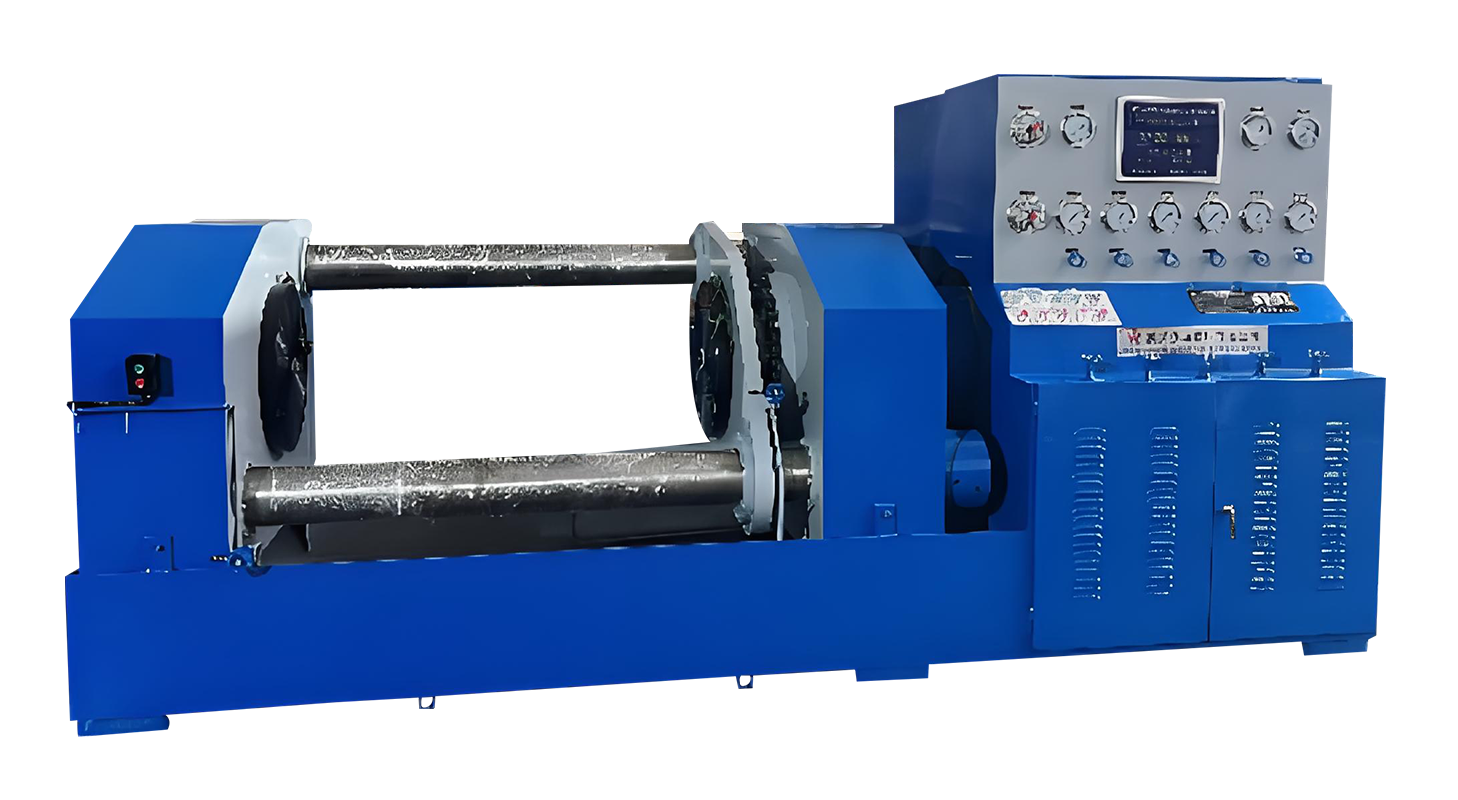
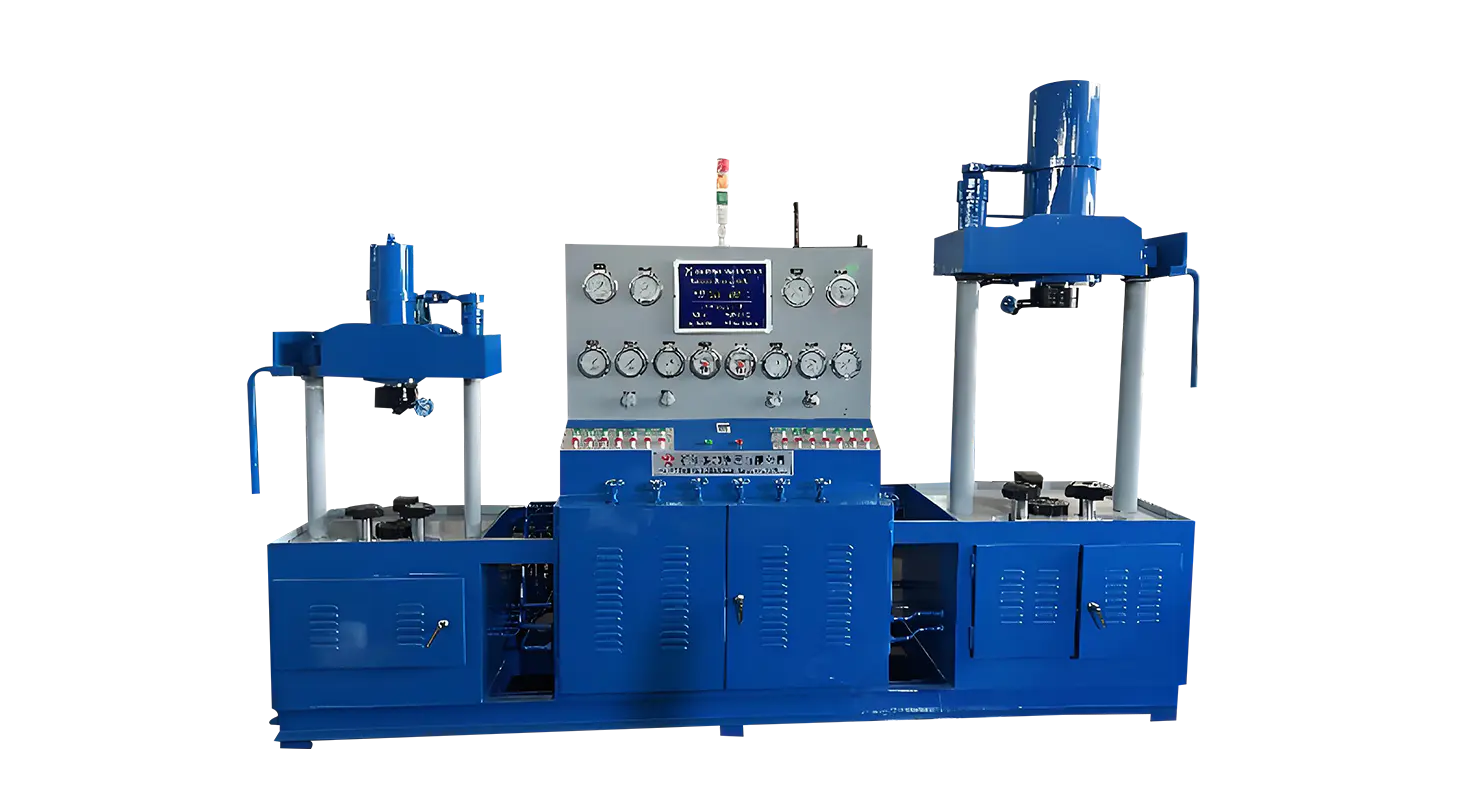
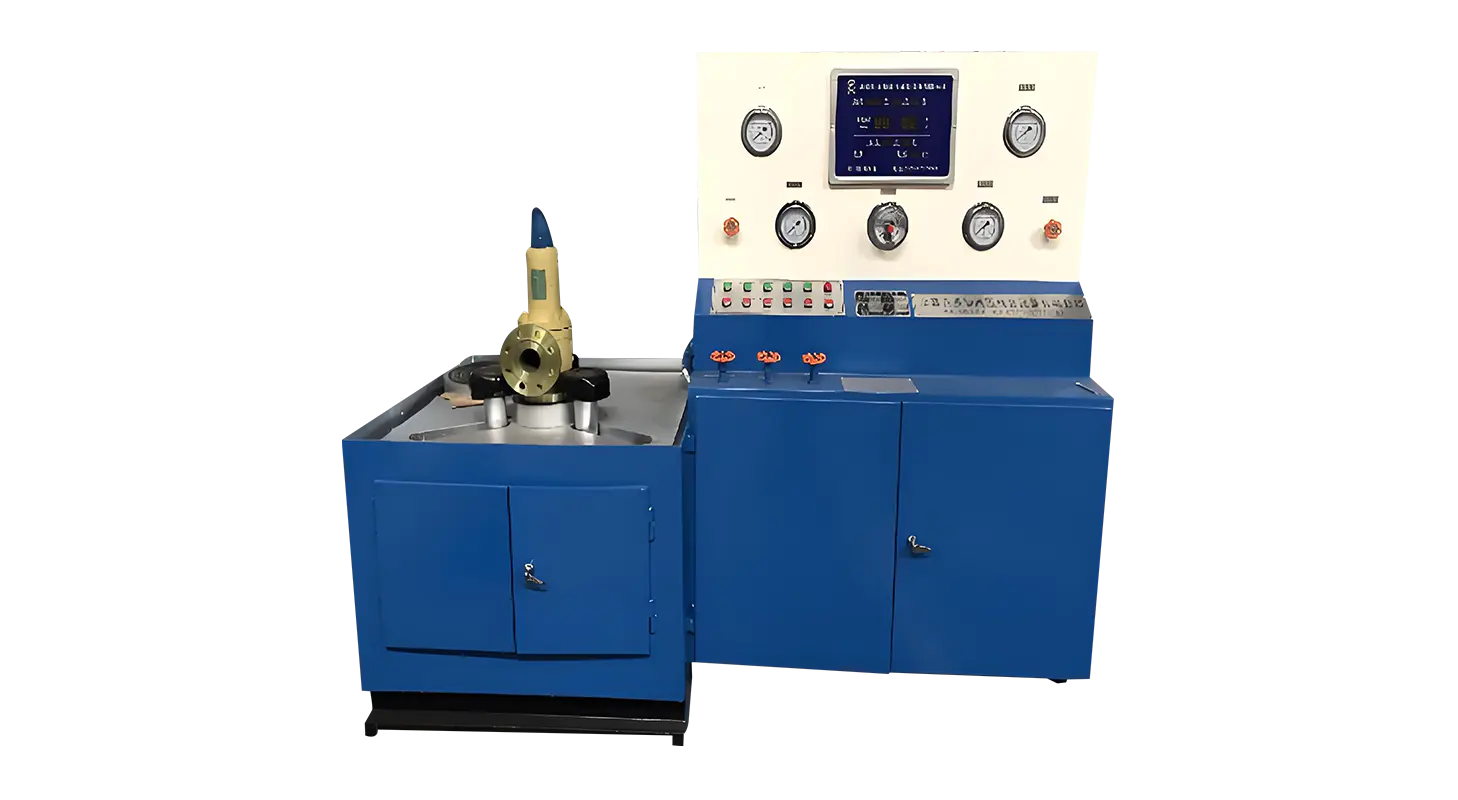
Across global valve production and maintenance industries, engineering teams are placing greater emphasis on testing accuracy, repeatability, and data traceability. In recent procurement discussions, buyers searching for a Duojia Hydraulic Valve Test Bench are no longer focusing only on maximum pressure capacity. Instead, they are prioritizing system stability, digital control precision, and compliance with international testing standards. As valve applications expand into energy, water treatment, and industrial automation sectors, reliable performance validation has become a critical part of quality assurance workflows.
Recent industry conversations across engineering platforms show that end users are demanding higher confidence in valve performance before installation. This is especially important in industries such as petrochemical processing, municipal water systems, and HVAC infrastructure.
Manufacturers are under pressure to ensure every valve leaving production meets strict sealing and pressure resistance requirements. As a result, hydraulic test systems are becoming an essential part of production lines rather than optional inspection tools. This shift is encouraging more factories to invest in standardized testing equipment that can document performance results consistently.
One of the most discussed topics among engineers is micro-leak detection accuracy. Even small deviations in sealing performance can lead to operational inefficiencies or system failure in real-world applications.
Modern testing systems are expected to provide:
These capabilities are especially important for export-oriented valve manufacturers who must comply with different international certification requirements.
Automation has become a major trend in industrial testing equipment. Manual testing methods are increasingly seen as inefficient and inconsistent, particularly in high-volume production environments.
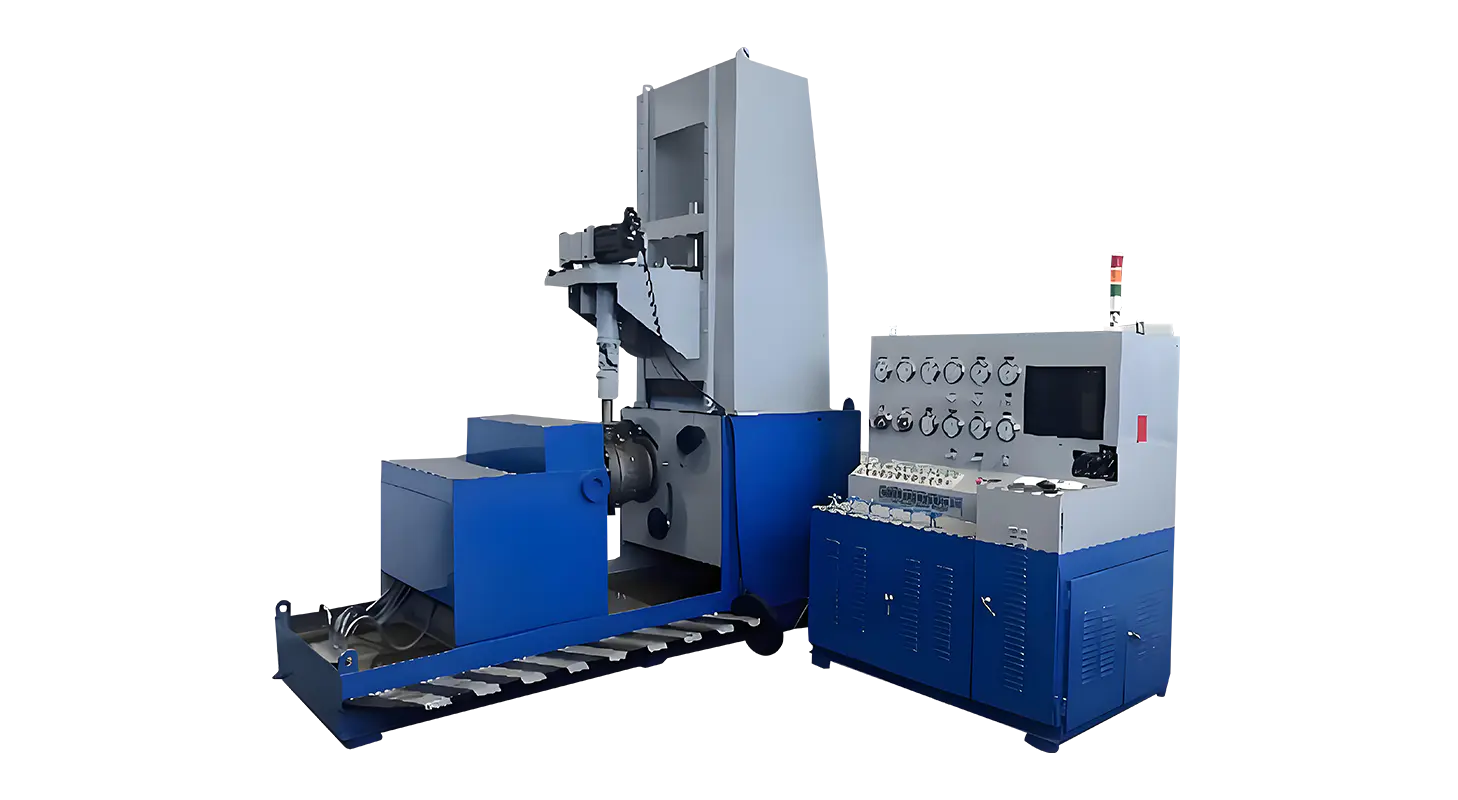
Automated valve test systems help reduce operator dependency while improving consistency. Many buyers now request features such as programmable pressure curves, automated cycle testing, and digital result storage. These improvements not only increase efficiency but also reduce human error during quality inspection processes.
Among different valve types, butterfly valves present unique testing challenges due to their structural geometry and sealing mechanism. Proper alignment and clamping force distribution are essential to avoid inaccurate test results.
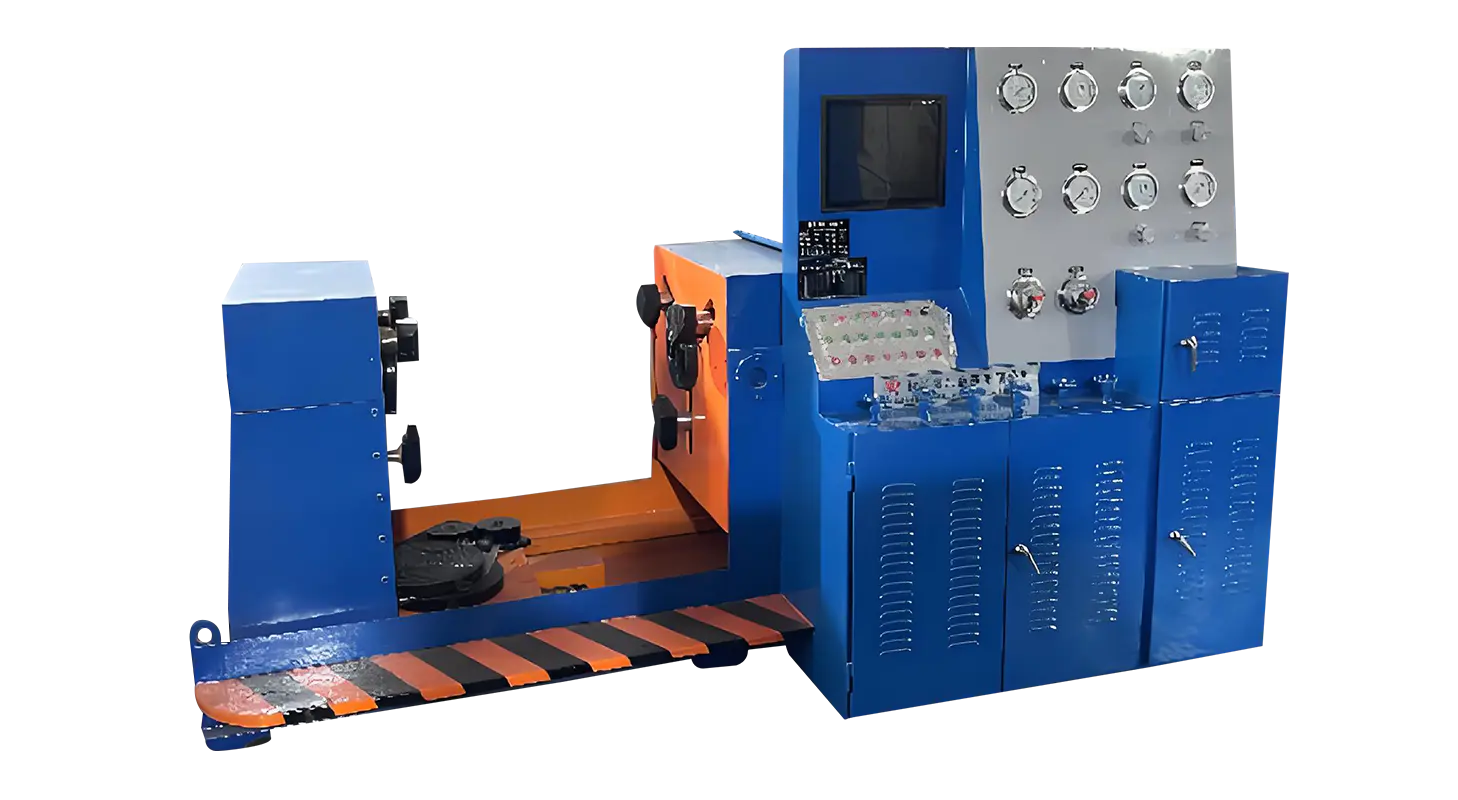
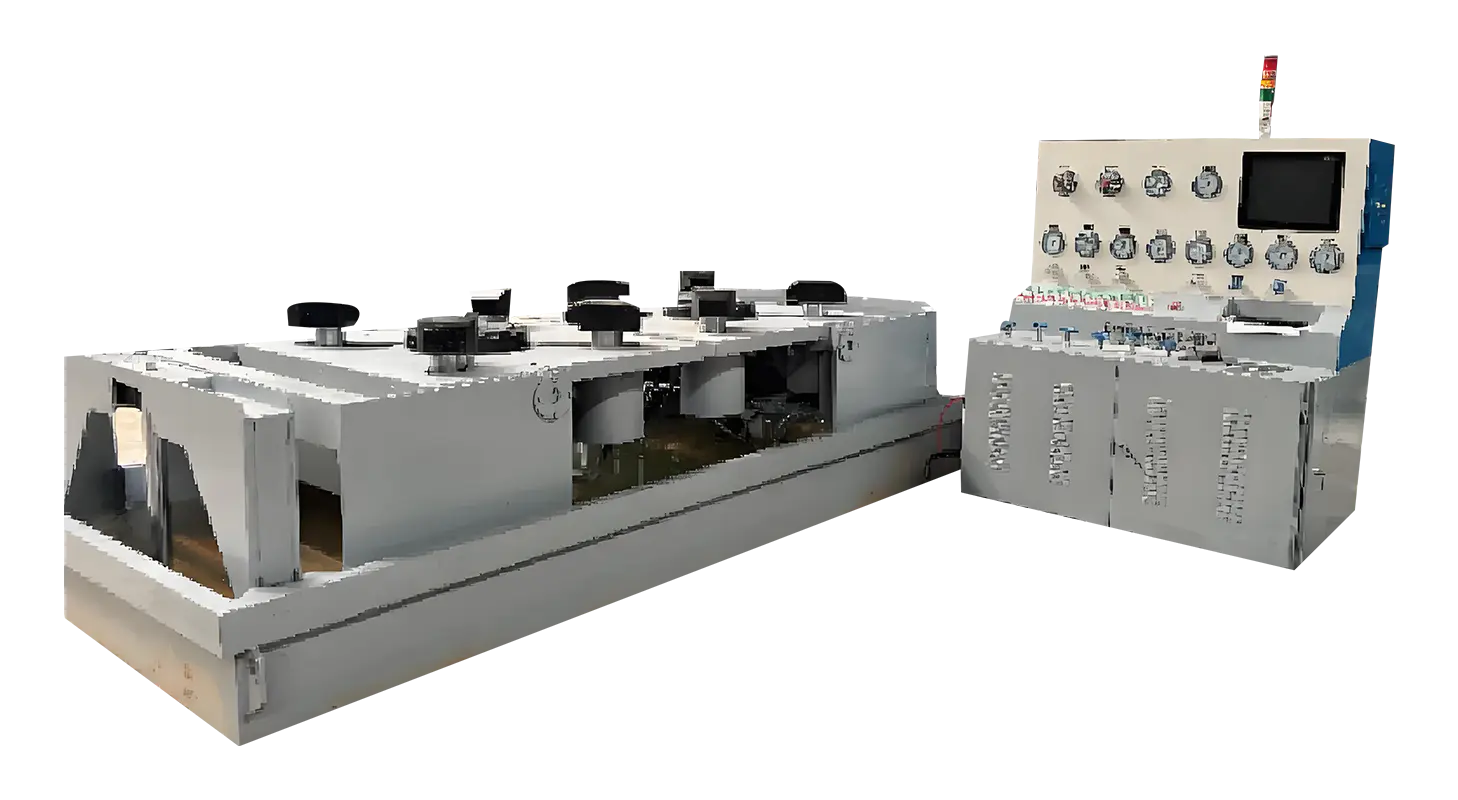
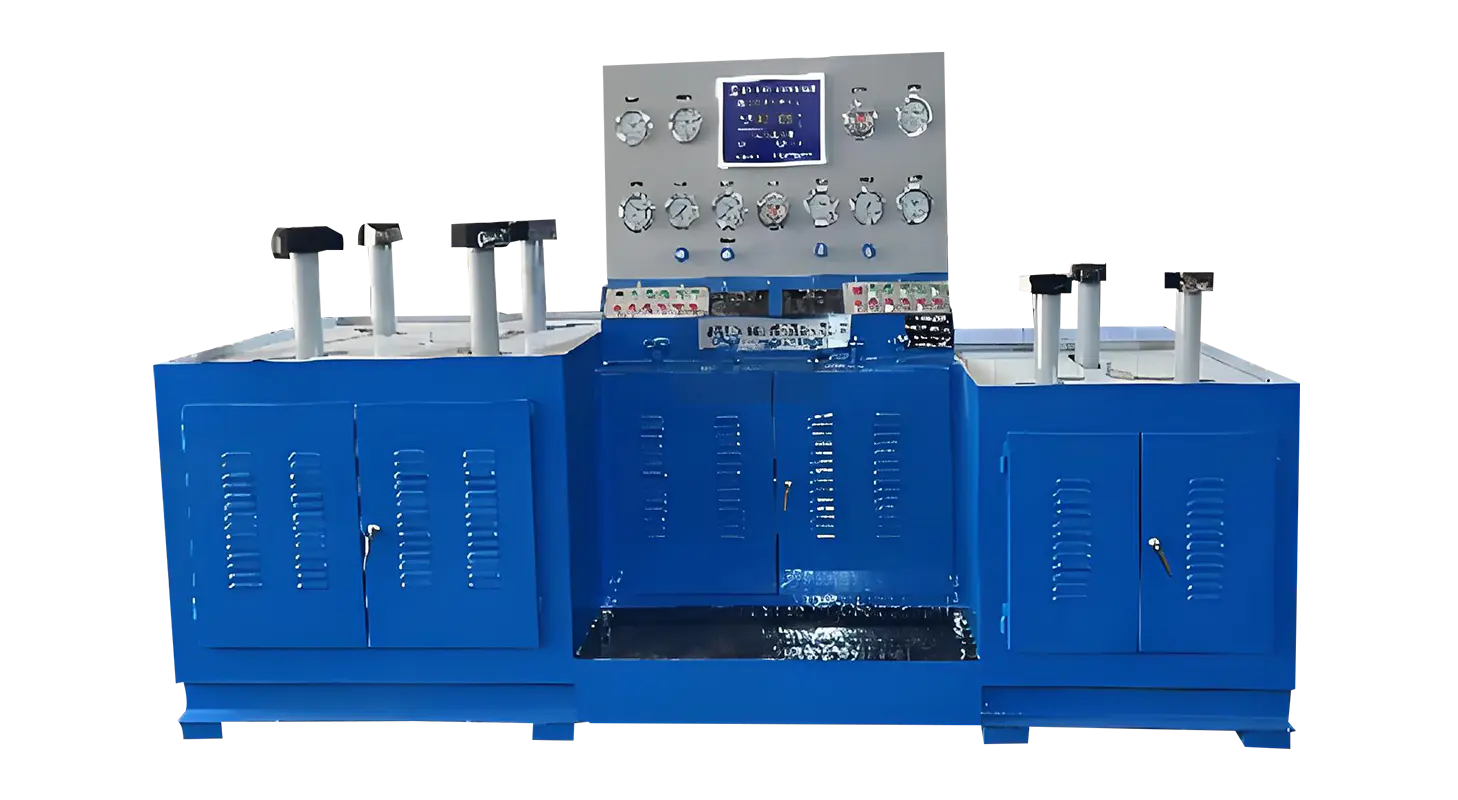
A well-designed Butterfly Valve Test Bench typically includes adjustable fixtures, multi-point sealing adapters, and flexible mounting systems to accommodate different valve sizes. This versatility is particularly important for manufacturers producing multiple valve series on the same production line.
Global buyers are increasingly focused on documentation and traceability. In many industries, test reports are now required as part of shipment documentation for project approval and compliance verification.
Modern hydraulic test benches are expected to support:
This level of traceability helps manufacturers meet audit requirements and strengthens customer confidence in product reliability.
In high-volume manufacturing environments, testing speed directly affects production efficiency. Slow or inconsistent testing can create bottlenecks that delay shipment schedules.
To address this, manufacturers are focusing on:
These improvements allow factories to maintain stable output while ensuring every unit is properly validated.
As valve applications become more demanding, testing equipment plays a direct role in product reputation. Inconsistent testing processes can lead to field failures, warranty claims, and customer dissatisfaction.
For this reason, many manufacturers now view hydraulic testing systems as a strategic investment rather than a simple production tool. A properly engineered Duojia Hydraulic Valve Test Bench ensures reliable performance validation across different valve types and pressure ranges, while a dedicated Butterfly Valve Test Bench supports precise testing of complex valve structures, helping manufacturers maintain quality consistency in increasingly competitive global markets.
Related Products
Contact us
Address
Sanqiao Industrial Zone, Oubei, Yongjia County, Zhejiang Province, China
Phone
+86-13676520568
Telephone number
+86-13676520568
Fax
products
Quick Links
QR CODE