English
 русский
 عربى
عربى
Get in touch
Get in touch
Dec 05, 2025
Growing attention to process stability and equipment safety has pushed many facilities to reassess how they verify valve performance, making tools such as a Safety Valve Test Bench and a Control Valve Test Bench increasingly relevant. As production conditions become more variable and regulations create a need for clearer documentation, plants adopting upgraded test systems are looking for practical ways to secure accurate testing, streamline workflows, and support diverse testing standards.
Industrial lines today operate with different media, fluctuating pressures, and frequent equipment changes. These conditions place new demands on testing procedures. Traditional manual checks are often not enough to consistently evaluate set pressure, sealing behavior, response time, or leakage control. When a line processes liquids one day and compressed gas the next, test equipment must adapt without compromising test accuracy.
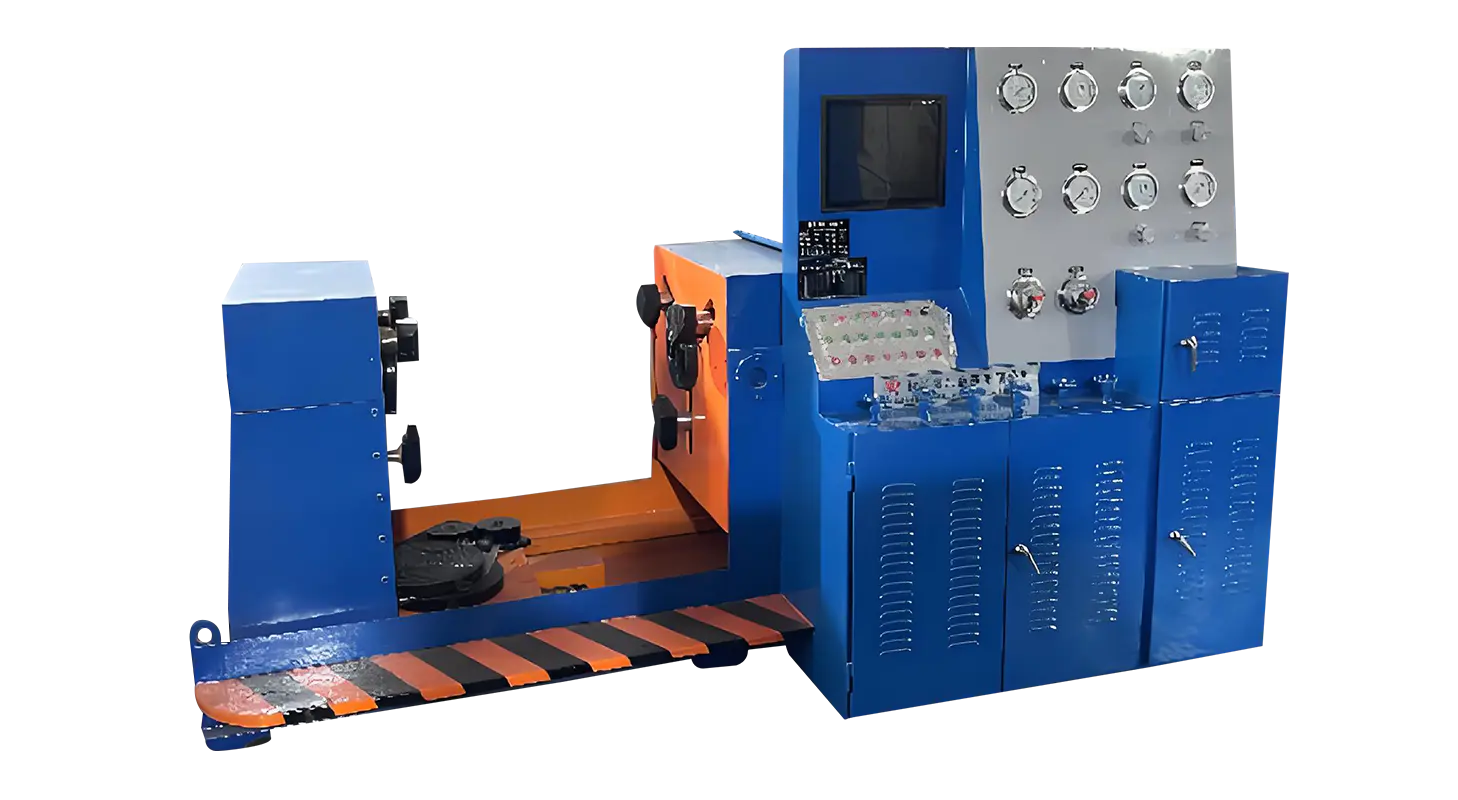
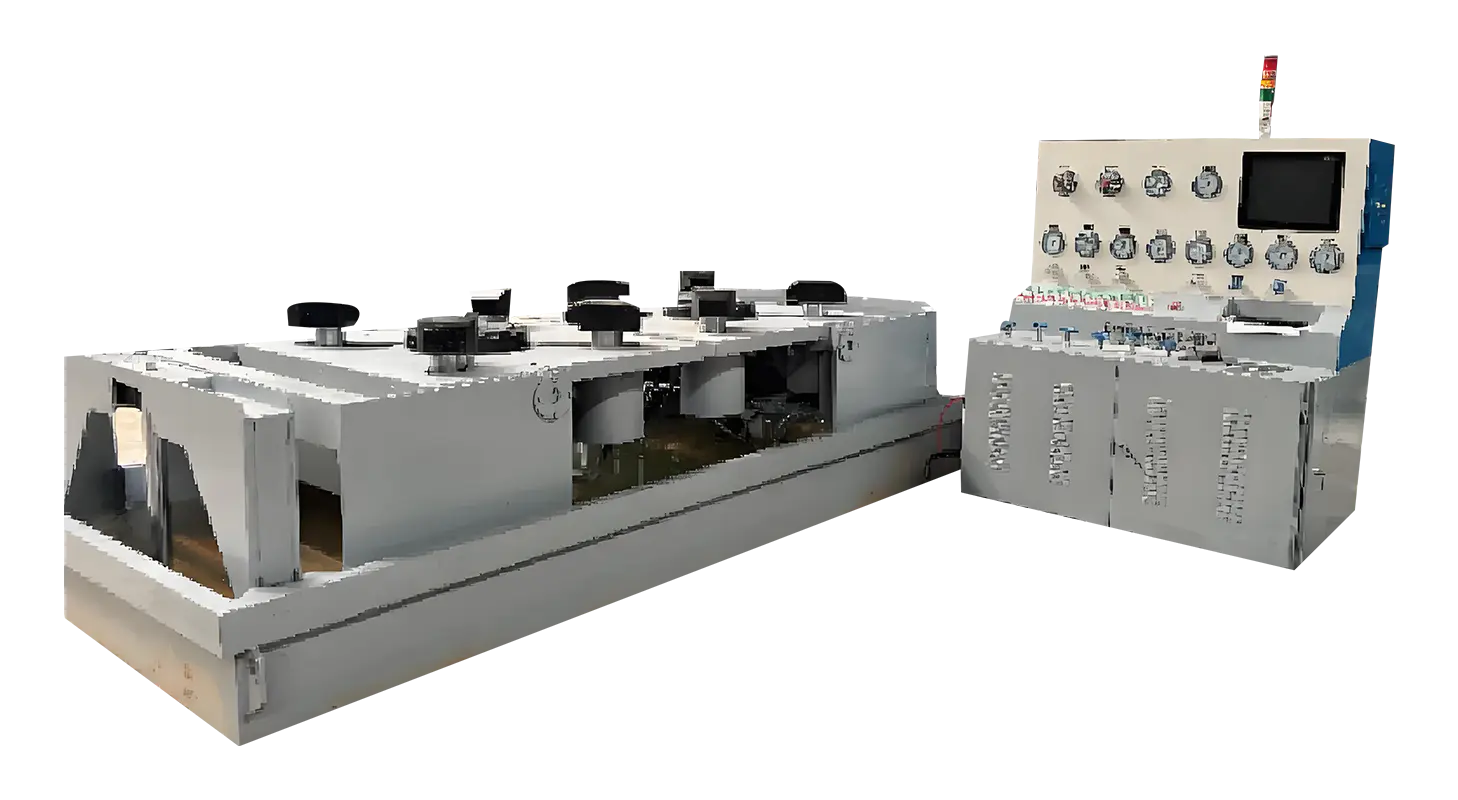
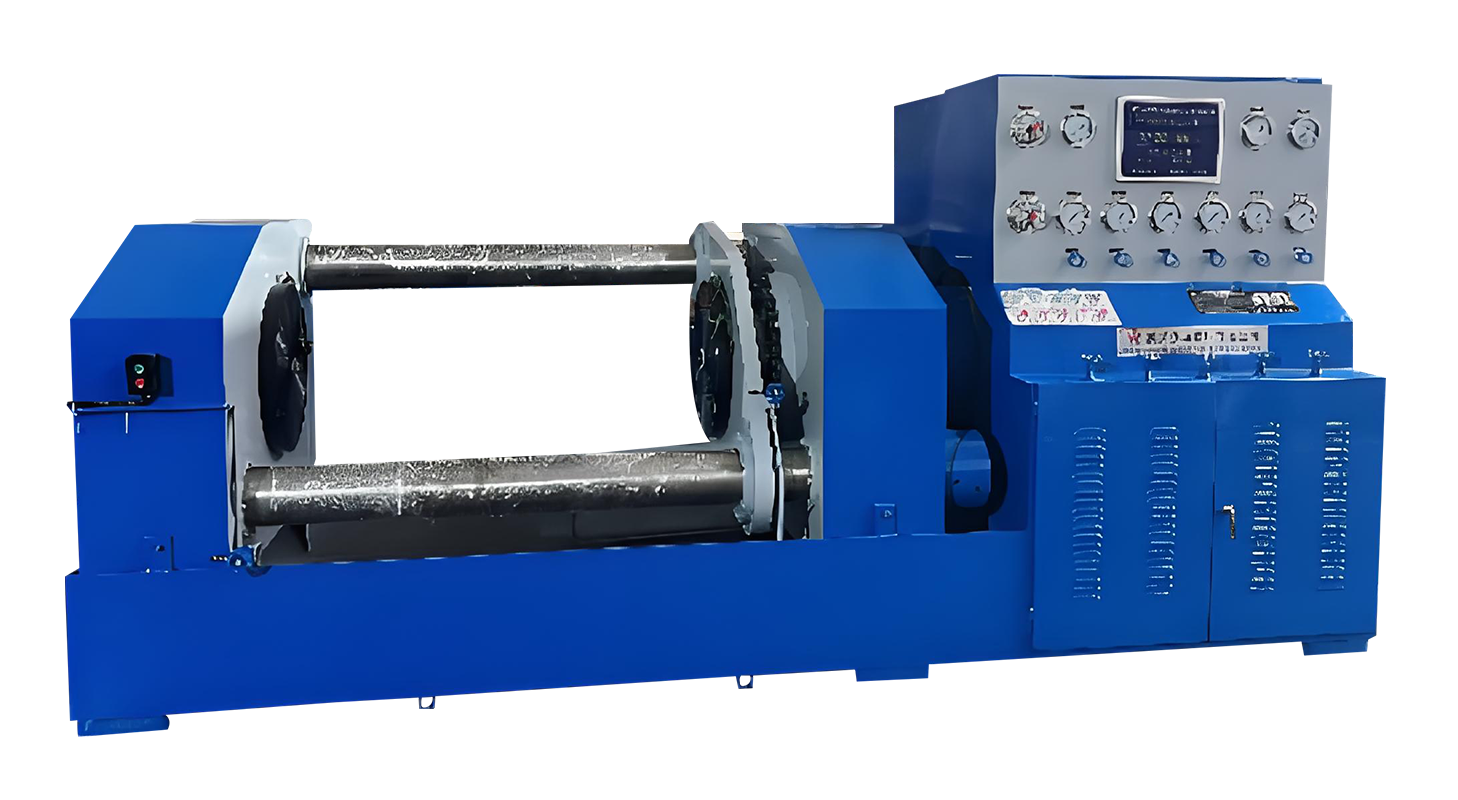
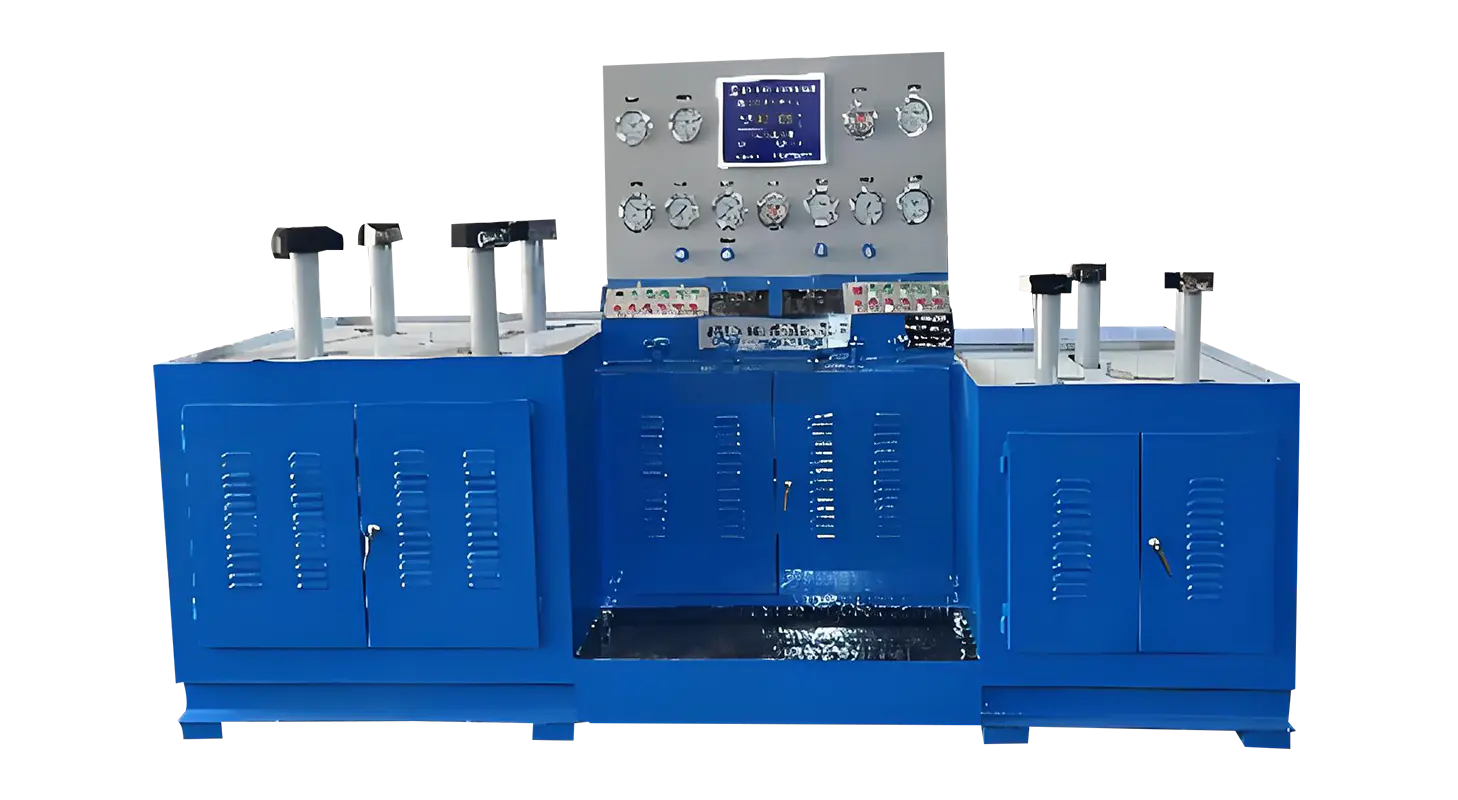
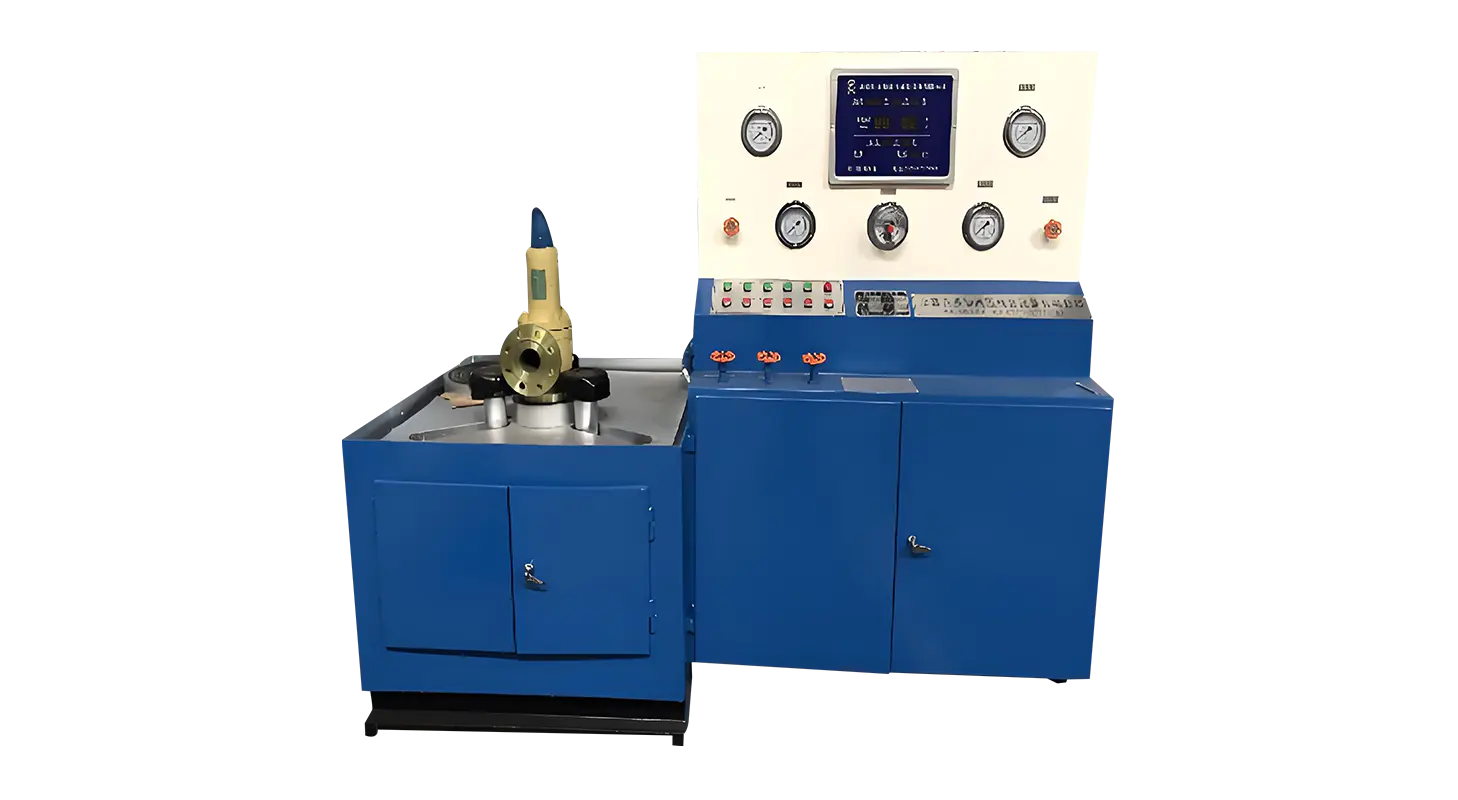
A modern test bench addresses this situation by combining hydraulic clamping, controlled media switching, and multi-range pressure gauges into a single platform. For example, systems with both water and gas testing functions allow operators to inspect sealing conditions more comprehensively. The presence of multiple pressure gauges—high, medium, low, and micro ranges—helps technicians select appropriate levels for different valve types without exposing the valve to unnecessary stress.
Many plants report that their earlier setups could verify only part of a valve's functional behavior. As control valves take on more critical roles in regulating flow, pressure, or mixing operations, facilities need test benches capable of evaluating how the valve responds under different operating conditions. This includes observing movement, assessing seat tightness, or verifying setpoint performance.
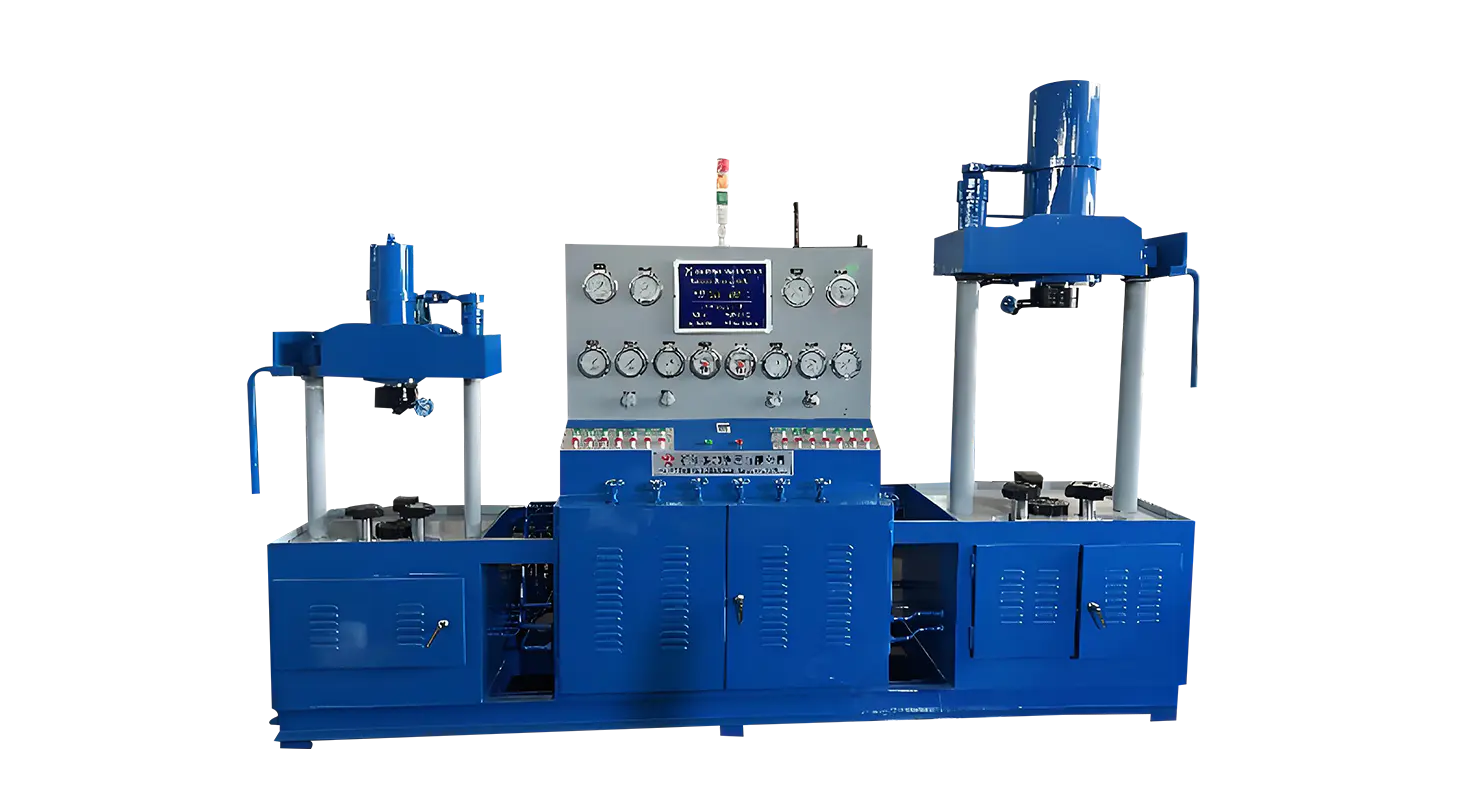
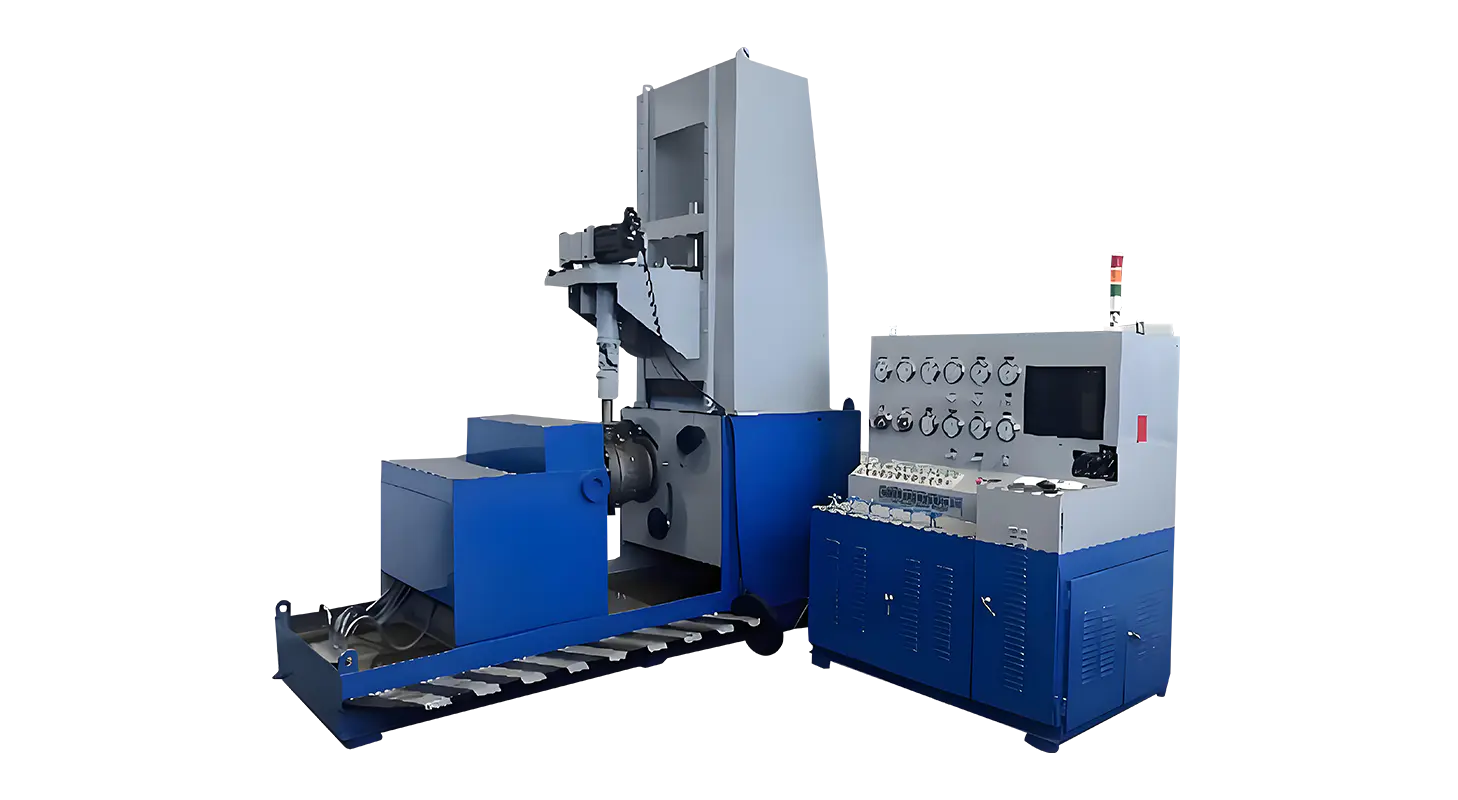
Modern bench systems support these needs by offering adjustable workstations, allowing operators to mount threaded or flange-connected valves in a controlled environment. Hydraulic cylinders distribute force uniformly on the sealing surface, helping avoid external interference that would otherwise affect the results. For users handling multiple product lines, the option to choose single or double workstations brings flexibility, especially when dealing with mixed-speed production tasks or varying workloads.
A key reason many facilities upgrade their equipment lies in the shift toward dual-media testing. Water testing helps operators check structural integrity under pressure, while gas testing provides a clearer view of micro-leakage and seat performance. Having both in one bench reduces equipment switching and improves testing continuity.
Systems equipped with separate water pumps—one for quick filling and one for gradual pressurization—allow technicians to adjust the ramp-up rate based on valve specifications. Once the target pressure is reached, the bench enters a pressure-holding mode, giving enough time for inspection without requiring constant manual operation.
For gas pressure tasks, the inclusion of a booster unit and a pre-stabilization tank ensures that gas supply remains steady. Users typically charge the tank to a moderate level, avoiding rapid pressurization that could affect the equipment or operator safety.
Zero-pressure release protection ensures clamping jaws cannot open while pressure remains inside the valve cavity. This prevents accidental release and helps maintain a controlled testing environment.
Similarly, optional safety doors, PLC-controlled data acquisition, and automated sequences support users who need more structured documentation or follow a specific testing workflow. Instead of relying on manual readings or handwritten logs, digital control allows operators to capture data in real time, review pressure curves, and verify that each step meets internal or customer-required standards.
Valve designs often vary by material, pressure class, end connection style, and structural layout. Off-the-shelf testing solutions may not always align with these variations, which is why many facilities have begun investing in customized setups. A customizable bench can adjust clamping travel, hydraulic force, media configuration, or monitoring components based on the type of valve being produced or serviced.
This adaptability is particularly valuable for service centers or manufacturers who handle a mix of safety valves, shutoff valves, control valves, and other specialized parts. When the testing system is able to match non-standard dimensions, unique test points, or special industry specifications, the operator can maintain inspection consistency without changing equipment.
For many users, the decision to add a Control Valve Test Bench system comes from practical daily challenges:
• reducing the number of repeat tests caused by inconsistent conditions
• improving visibility during sealing inspections
• adapting to mixed-media operations
• creating clearer test records for customers or regulatory needs
As production lines evolve, equipment that offers structured, stable, and traceable testing helps technicians resolve issues more efficiently. Details such as radial and axial clamping movement, controlled pressure buildup, and precise gauge ranges directly influence whether a technician can identify a leakage point or confirm a set pressure without overloading the valve.
Related Products
Contact us
Address
Sanqiao Industrial Zone, Oubei, Yongjia County, Zhejiang Province, China
Phone
+86-13676520568
Telephone number
+86-13676520568
Fax
products
Quick Links
QR CODE